
Review · MUSEUMS
Archdiocesan Museum in Krakow
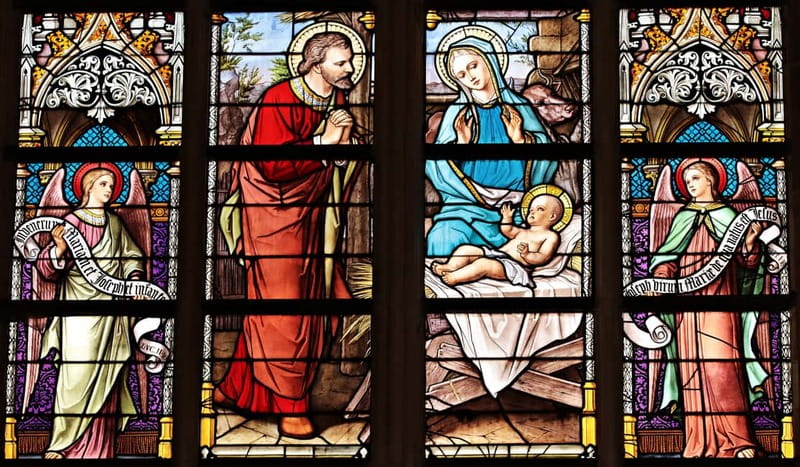
Krakow has a quieter side. The Archdiocesan Museum lets you admire sacred art from the 13th to 19th centuries while walking through 16 historic rooms furnished in baroque style. I love how the collection is compact enough to feel personal, yet big enough to surprise you, including gifts connected to Holy Father John Paul II.
You’ll also get context for why Krakow’s Church mattered, since the museum shares the history of the Krakow bishopric and Polish clergy. One thing to plan for is that opening hours can shift, and on Mondays some museums may not operate, so check before you go.
Key things you will notice in the museum
- Kanonicza Street setting in one of Krakow’s oldest lanes
- 600+ works of art spread across 16 historic rooms
- Baroque furniture shaping how the exhibits feel
- Gifts of John Paul II adding a modern layer to sacred art
- Sacred art themes from the 13th to 19th centuries, including paintings and sculpture
Entering the Archdiocesan Museum on Kanonicza Street
The Archdiocesan Museum sits on Kanonicza Street, which is known for being one of Krakow’s oldest, beautiful streets. That matters because the museum experience starts before you reach the doors. You’re walking in the historic core, in a zone that still feels tied to Krakow’s religious life and old city rhythms.
The museum is under the authority of the metropolitan bishop of Krakow, Stanisław Dziwisz. That gives the whole place a grounded feel. This is not just an art display for art’s sake. It’s meant to present the artistic legacy tied to the bishopric, so the collection stays focused on sacred themes and Church history.
Inside, you’ll notice the exhibition is arranged in rooms furnished with baroque furniture. That’s a practical detail because it shapes how you move and how long you want to pause. You’re not rushing through white gallery walls. You’re in period-style interiors where the art looks like it belongs to a story, not just a display case.
What you will see: 600 works across 16 historic rooms
The museum’s headline is simple: more than 600 works across 16 historic rooms. That’s a lot of material, but the layout helps. Instead of one huge hall, you get a series of spaces. Each room can feel like a chapter, which makes it easier to handle a longer visit without tiring out.
The collection includes paintings, craftwork, and sculptures. Even if you are not a hardcore art-history person, that mix makes it easier to connect. Paintings draw you in visually. Sculptures and crafted objects often reward slow looking, because small details can carry the religious symbolism.
A key reason this works for many visitors is pacing. When there are 16 rooms, you can set your own rhythm. Want a fast overview? You can walk room to room. Prefer to slow down? You can pick a few rooms and linger, especially if you like seeing how sacred themes evolve over time.
There’s also something useful about the “historic rooms” format. It helps you understand that the museum is not trying to flatten time. The art is not presented as one modern category. It’s presented as part of earlier centuries, with rooms that support that idea.
Sacred art from the 13th to the 19th century
The museum’s theme range is XIII to XIX century. That time span matters because sacred art changes with politics, taste, and Church needs. You’ll see how earlier works connect to later ones through style and subject matter, without needing a textbook.
For you as a visitor, it means the museum can feel like a guided story even without a formal script. You can watch for shifts in materials and artistic approaches across centuries, then notice how the Church’s role influenced what got made and preserved.
The museum’s goal is to make visitors familiar with the artistic legacy of the Krakow bishopric. In practice, that means you’re not only looking at standalone art objects. You’re also learning the “why” behind the collection through the museum’s curatorial approach and room-by-room arrangement.
If you like history but want it with a visual backbone, this time range is a good match. You’re connecting centuries through objects you can actually see, not just reading dates.
John Paul II gifts: a modern chapter inside a church museum
One of the most compelling parts is the presence of gifts of the Holy Father John Paul II. This is valuable because it bridges generations. You’re not stuck only in medieval or early modern art. You’re also seeing how a more recent pope is part of the museum’s narrative.
Even if you do not know every detail of the Church’s modern history, these gifts act like a marker. They signal continuity. The museum is not only preserving the past. It’s also showing how Krakow’s Church ties to living memory and ongoing devotion.
Practically, this helps you keep interest while moving through many rooms. When you find a section connected to John Paul II, it can reset your attention and make the overall visit feel less like a straight art survey and more like a human timeline.
The history of Krakow clergy, explained through objects
The museum is built to help you understand the history of the Polish clergy in the heart of Krakow. Again, this is a “why” story. Sacred art, church commissions, and preserved objects are all tied to Church structure and leadership.
This part matters because it can turn your museum visit from passive looking into active understanding. You begin to ask: Who commissioned these works? What did they represent for worship and identity? How did Church leadership influence what art got produced and kept?
If you enjoy religious and cultural history, you’ll likely appreciate how the museum focuses on the bishopric. You’re seeing how leadership is not just administrative. In this setting, leadership is also cultural, artistic, and symbolic.
And since the museum is arranged inside 16 rooms, the storyline can feel sequential even when you are exploring at your own pace. You can follow the history through the changing styles and types of works.
How long should you plan: using the 1 to 2 day window
Your ticket is valid for 1 to 2 days, depending on what you choose when you book. That flexibility is useful in Krakow, where weather and energy levels can change fast.
If you have a busy day and want a focused visit, plan to spend enough time to move through a good chunk of the rooms without burning out. With 16 rooms total, the museum is ideal for a half-day to one-day visit, then you can decide if you want to come back the next day for any sections you skipped.
Here’s a practical way to think about it. Go once with your goal as: identify what kind of sacred art you respond to most, like paintings versus sculpture. Then, on a second pass, you can go deeper in the rooms that held your attention the first time.
Also remember that opening hours might differ from what you see on a product page due to circumstances. Check the official website before you lock in your day.
Pairing it with Krakow City Pass and City Card value
If you’re using the Kraków City Pass, you get access to 36 museums and landmarks over 1 to 3 days. That’s a big deal for value, because the Archdiocesan Museum is often easy to pair with other city sights on the same “old town and history” theme.
The pass list includes major stops like Schindler’s Factory, Rynek Underground Museum, the Polish Aviation Museum, and several historic and cultural sites in the center. It also includes other museum-style choices such as the Archaeological Museum, the Arsenal, the Barbican, and the Bishop Erazm Ciołek Palace.
So for you, the strategy is simple: use the pass to build variety. You can mix sacred art with industrial history, underground ruins, and traditional museums in one or two days. The Archdiocesan Museum becomes the slower, reflective anchor in the middle of your itinerary.
If you are a Krakow City Card holder, entrance is free of charge. That makes the decision easy. Even if you only have a short time, it’s worth stepping in because it costs you nothing beyond your time.
Price and value: why $2.41 can be a smart use of time
The entry price is listed at $2.41 per person. At first glance, that seems almost too low for a museum with 16 historic rooms and more than 600 works. For your budget, it means you can afford to take your time without guilt.
But the real value is not just the price. It’s the combination of:
- a focused sacred art theme from the 13th to 19th centuries
- a strong setting on Kanonicza Street
- the specific standout element of John Paul II gifts
- the “history of clergy” angle tied to Krakow’s Church story
In other words, this isn’t just cheap. It’s also structured well enough that you don’t feel like you’re paying to skim. You can see enough to understand what the museum is about, then decide if you want more.
Timing tips, Monday closures, and how to avoid a wasted trip
A quick heads-up: on Mondays, some museums do not operate. That matters because it’s easy to schedule yourself into a dead end if you assume every site is open daily.
Also, opening hours might differ from what the product page shows. So before you go, confirm the hours on the museum’s official site.
If you’re traveling with tight plans, I recommend building in at least one flexible slot. If the museum is open, great, you’ll have a calm, high-value stop. If not, you still stay in the right neighborhood, Kanonicza Street, which is itself part of the old-town experience.
Discounts, tickets, and what is included
Your ticket includes entry. Transportation is not included, so plan how you will get to Kanonicza Street based on where you are staying.
There are also discount rules to know:
- For a student discount, you need a student ID card during the visit, and you should be ready to show it if asked.
- For Krakow City Card holders, entrance is free.
Finally, meeting points can vary depending on the option you book, and the experience ends back at the meeting point. That makes it easy to plan a rest of your day around a known starting area, even if the exact pin depends on your booking choice.
Who this museum is best for
I’d point this museum toward three kinds of travelers.
First, if you like art that has a purpose, you’ll likely enjoy how sacred pieces connect to Church life. It’s not only aesthetic. It’s devotional and historical.
Second, if you want Krakow beyond the biggest postcard stops, this is a strong choice. You get a focused museum experience in a historic setting, without needing to switch neighborhoods.
Third, if you like museums but want something that doesn’t drag on forever, the room-by-room structure helps. You can adapt your time. You can go broad across rooms or narrow into the sections that click for you.
If you only want one museum and you are choosing between a lot of options, keep in mind that this one is very tied to the Church and clergy history. If that theme interests you, the payoff is real.
Should you book the Archdiocesan Museum experience?
Yes, I’d book it if you want a low-cost, high-content museum stop that feels rooted in Krakow’s spiritual and cultural identity. The price is excellent for what you get, and the setting on Kanonicza Street adds atmosphere before you even enter the galleries.
I would skip or postpone it only if you strongly prefer purely secular art, or if your schedule is so tight that you cannot check opening hours and risk running into a Monday closure issue. Otherwise, this is the kind of museum that rewards calm attention.
If you’re using the Kraków City Pass, it also makes sense as one of your heritage anchors. It pairs easily with other city history and art stops, while giving you a different mood than the louder sites.
FAQ
How much does the Archdiocesan Museum in Krakow cost?
The listed price is $2.41 per person, with an entry ticket included.
How long is the ticket valid for?
The ticket validity is listed as 1 to 2 days. Starting times depend on availability.
How many artworks and rooms can I expect?
The permanent exhibition includes about 600 works of art housed in 16 historical rooms.
What kind of art will I see?
You can expect sacred art from the 13th to the 19th century, including paintings, craftwork, and sculptures.
Are there John Paul II gifts in the museum?
Yes. The museum hosts gifts of the Holy Father John Paul II.
Is the museum included in the Kraków City Pass?
Yes. With the Kraków City Pass, you can access the Archdiocesan Museum along with many other museums and landmarks.
Is there a discount for students or free entry with a City Card?
Yes. Students need a student ID card to get a student discount. With a Krakow City Card holder, entrance is free of charge.
Can I cancel and get a refund?
Free cancellation is available up to 24 hours in advance for a full refund.
More Museums to consider.
 ★ 4.5Auschwitz-Birkenau Museum and Memorial Guided Tour from KrakowFrom $831,510 reviews
 ★ 4.6Rynek Underground Museum Guided TourFrom $341,122 reviews
 ★ 4.5Krakow Schindler’s Factory Museum Guided Tour in EnglishFrom $47650 reviews
 ★ 3.6Auschwitz Birkenau Museum Guided Tour with PickupFrom $8544 reviews
 ★ 4.5Museum of illusions Entry TicketFrom $20521 reviews
 ★ 5.0Auschwitz-Birkenau Tour & Museum Expert GuideFrom $30498 reviews
 ★ 5.0Auschwitz Birkenau Museum and Salt Mine All Inclusive DAY TRIP with Local GuidesFrom $120391 reviews
 ★ 4.5Chopin Piano Concert at Chopin Gallery with a Glass of WineFrom $15283 reviews
Other ways to explore Krakow