

Review · KRAKOW MUSEUMS & GALLERIES
Krakow: The Ethnographic Museum ticket
Folk art, inside a Krakow landmark. This Ethnographic Museum ticket lets you see early 20th century Polish folk culture in two contrasting settings, the Town Hall and the second building known as Esterka’s House. It is a nice way to slow down and understand another side of the city beyond the big postcard views.
I love how the Town Hall exhibition frames folk life as something people shaped with taste, craft, and meaning, not just costumes in a glass case. I also like the museum’s multi-floor setup, where you can move step by step and still end with a memorable payoff, especially in the area featuring paintings and sculptures. One catch: this ticket does not include a guide, so if you want someone to explain the deeper ideas as you go, you will need to rely on the displays and your own curiosity.
Quick hits before you go
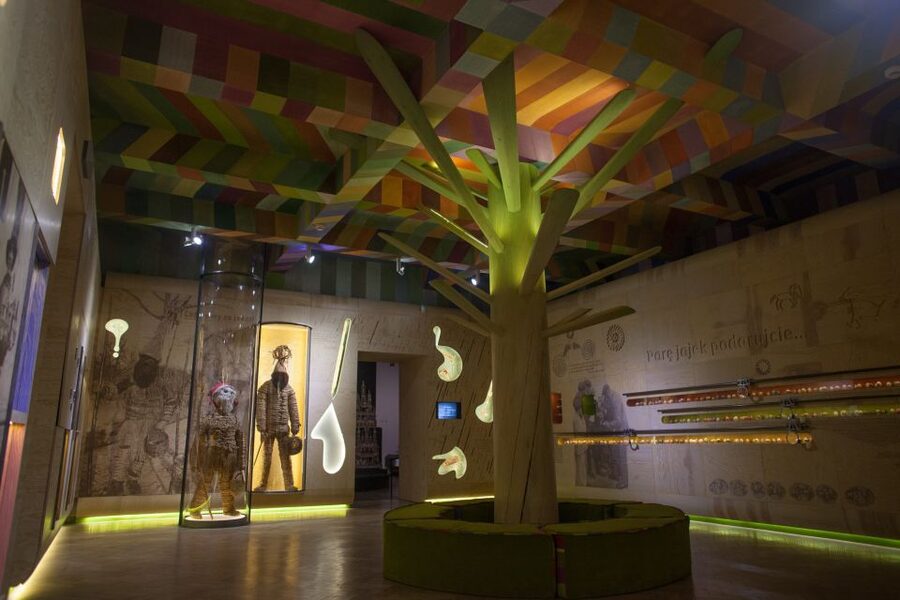
- Town Hall exhibition spotlights Polish folk culture and how it was valued around the turn of the 20th century
- Esterka’s House cellar adds a different mood, with beautifully-vaulted spaces and temporary displays
- Seweryn Udziela’s 1911 mission connects the collection to a teacher, collector, and amateur ethnographer
- About 80,000 showpieces give you options, so you can focus on what grabs you rather than seeing everything
- Paintings and sculptures at the end often feel like the best kind of discovery, thanks to the museum’s floor-by-floor flow
Krakow Ethnographic Museum in the 1911 Seweryn Udziela spirit
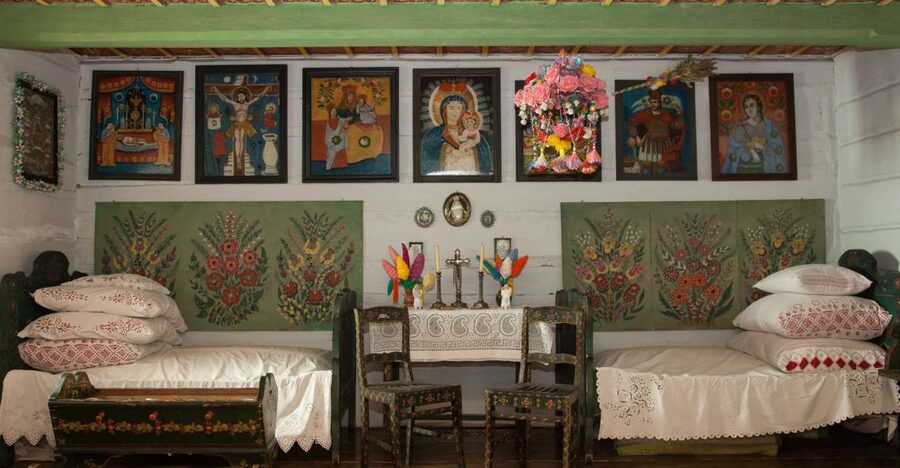
The Ethnographic Museum in Krakow starts with a simple but powerful idea. It was created in 1911 on the initiative of Seweryn Udziela, a teacher, amateur ethnographer, and collector who built a collection out of what people actually made and used. That origin matters because the museum is not just storing objects, it is showing how folk culture functioned in real life.
When you buy the ticket, you are basically buying time to look closely at everyday creativity. The museum’s collections come largely from the late 19th century and early 20th century, with the overall holdings totaling around 80,000 showpieces. That means you can come with a general interest and still leave with specific details that stayed with you.
The other important context is what folk culture represented at the time. Folklore was seen by many artists as an antidote to stagnation and a cultural crisis among Polish intelligentsia around the turn of the 20th century. In plain terms, this museum helps you understand why these objects felt urgent to people who were thinking about culture and identity.
Town Hall exhibition: Polish folk culture in civic rooms
Start with the Town Hall section if you want the easiest mental entry point. This part of the museum highlights Polish folk culture, and it does so in a setting that naturally feels public and formal. That contrast is useful. It keeps folk art from feeling tucked away or purely decorative, and instead makes it feel like something worthy of attention.
What I like about this section is how it gives you a sense of the ideas behind the collection. Folk culture here is not presented as random memorabilia. It’s framed as a living source of inspiration, especially for artists and makers who were drawn to the liveliness of traditions.
If you are the kind of visitor who reads labels, this is where you will probably enjoy the slowest pace. The museum’s purpose feels clearer in the Town Hall rooms, where you can connect the overall theme to the objects on display. And because the museum spans multiple floors across the two buildings, beginning in the Town Hall helps you build a storyline in your head before you move to the cellar displays.
Esterka’s House and its vaulted cellar temporary displays

After the Town Hall, head to Esterka’s House, the museum’s second building. This is where the experience changes mood, because Esterka’s House includes a cellar setting, described as beautifully-vaulted. That architectural feel can make small objects and textile or craft themes feel more focused.
Esterka’s House is also where you will see temporary displays. Temporary does not mean random. It means you can visit and expect some rotation, so your second trip, or a return later in the year, might bring you different angles on folk life.
Practically, this is a good place to slow down and look for patterns in the collecting approach. In the Town Hall you get a broad sense of folk culture. In the cellar, you often get a tighter, more atmospheric experience where details and materials can feel more immediate. If you like the feel of old rooms and museum spaces that are not trying to impress you with modern tricks, you will likely find this part satisfying.
80,000 showpieces: how to see more without getting lost
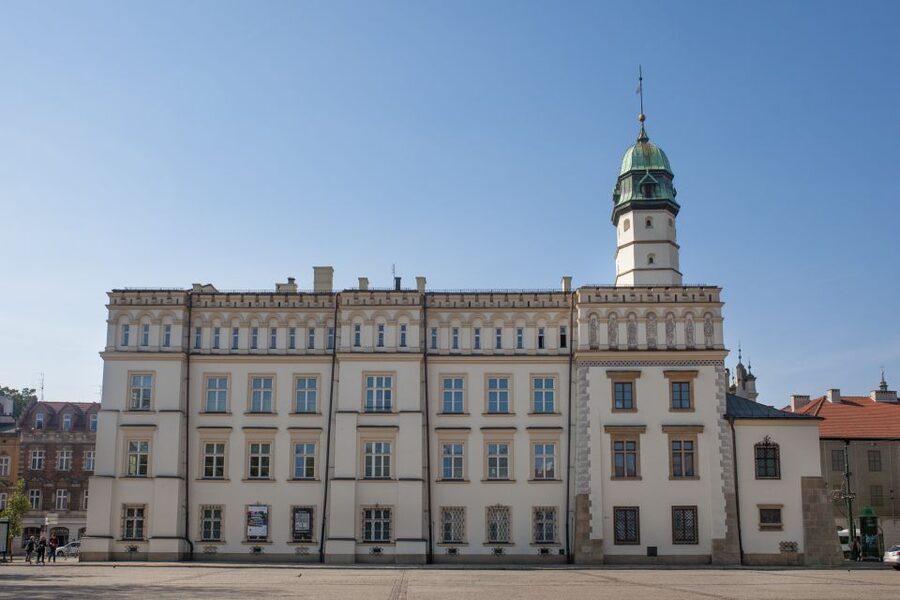
The Ethnographic Museum’s scale is real. The exhibitions cover around 80,000 showpieces, and most of them date to the end of the 19th century and early 20th century. That is a lot of material. If you walk in thinking you will see everything, you will end up rushing, and you will miss the best moments.
Here is the strategy I recommend: pick a few threads before you start. For example, you could focus on how folk culture appears in objects connected to daily life, or focus on the artistic side of the collection that helped people argue for culture and identity. You can also pick one section to really linger over, then treat the rest as discovery.
One of the nicest surprises from the overall experience is the way the museum’s layout works. It is described as very well organized across multiple floors. That helps because you are not just wandering, you are moving through a structure. And many visitors end up with a favorite stretch near the end, particularly in the area that includes paintings and sculptures. If you can, resist the urge to speed up when you think you are nearing the end. That last push is part of why the ticket feels worth it.
Also remember the museum rule: flash photography is not allowed. If you like taking photos, plan on using natural light and your camera’s normal settings. It keeps the experience better for everyone and makes you look more carefully instead of shooting first and thinking later.
Planning a calm 1-2 day visit across multiple floors
This ticket is valid 1-2 days, with starting times shown based on availability. That is a gift. A museum like this benefits from breathing room, because the value comes from noticing details, not ticking boxes.
If you have only part of a day, I’d use the first visit to orient yourself. Do Town Hall first, get your theme, then go to Esterka’s House to change pace and mood. You can then return later if your schedule allows, using the second day to focus on what you liked most the first time.
If you can spread it into two days, you get a more relaxed rhythm. You will also have a chance to revisit the paintings and sculptures area with fresh eyes, instead of trying to absorb everything in one long session. The museum’s “multiple floors” organization makes it feel navigable, but there is still enough to keep you interested for a while.
Timing-wise, since the activity has starting times depending on availability, don’t assume you can just walk in at any hour. Check the available time slots tied to your booking option. Then build your day around that slot, not the other way around.
Finally, keep expectations realistic. This is not a guided show with a scripted story in your ear. It is a self-guided cultural visit. That means your best results come when you control your pace and give yourself time to read and compare.
Price and value for a self-guided cultural stop
At $4.81 per person, the Ethnographic Museum ticket is priced for serious value. You are not paying for entertainment mechanics. You are paying for access to a collection and setting built around a major cultural purpose, founded in 1911 and centered on folk art from the late 19th century and early 20th century.
Because the ticket is entry-only and does not include a guide, the value depends on how you like to travel. If you enjoy reading, looking closely at objects, and letting a museum piece by piece build meaning for you, the low price feels even better. You can slow down and go where your interest leads.
If you prefer a spoken explanation, the lack of guide may feel like a tradeoff. The displays carry the story. You just provide the extra effort of reading, thinking, and connecting the dots.
Also, plan for basics: food and drinks are not included. So when you are planning your time, include a meal stop nearby or plan to grab something before or after. Since this museum is spread across multiple floors and two buildings, you will likely want to keep your energy up so you can enjoy the objects instead of counting minutes.
Small rules that matter: flash photography and self-guided flow
Two practical realities shape the experience more than you might expect.
First, flash photography is not allowed. If you are used to photographing everything aggressively, adjust your habit. It is better to take fewer photos and spend more time seeing what you are actually recording. The museum is more about observation than documentation.
Second, there is no guide included with the ticket. That changes what the visit feels like. You get freedom, but you also get responsibility. If you want to understand the why behind the objects, you may want to focus on the labels and take a slower pace in the Town Hall section, where the theme is most clearly framed.
A good compromise is to treat the museum like a choose-your-own theme day. Pick one or two categories to pay special attention to, then let the rest be discoveries. That way you benefit from the museum’s strong organization without needing someone to direct you.
Who this ticket suits best
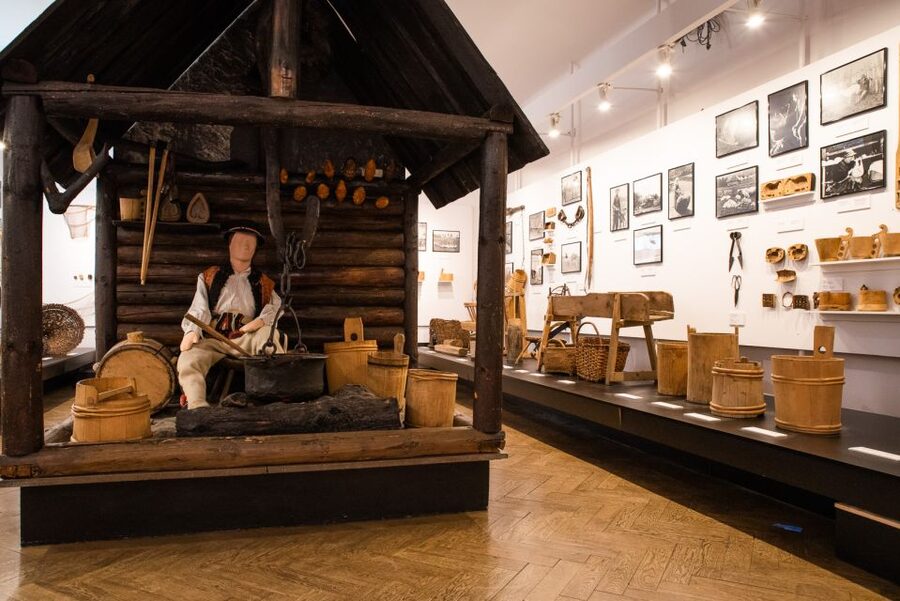
I’d recommend this ticket if you want a quieter, more thoughtful side of Krakow. The Ethnographic Museum is especially good for people who like folk art, material culture, and the way everyday traditions can connect to bigger questions about identity.
It is also a strong pick if you enjoy museums that are organized enough to feel smooth but still offer surprises. The floor-by-floor structure helps. And that final stretch, with paintings and sculptures, can feel like an excellent payoff when you let yourself finish the route.
This is less ideal if you need a guided narration to stay engaged. Since a guide is not included, you will get the most from it if you genuinely like reading, looking closely, and spending time with objects.
If you are visiting Krakow for a mix of experiences, this makes a solid cultural counterweight to churches and city views. It gives you a lens on how people expressed creativity and resilience in everyday life, around the time the collection was being formed and the debates about culture were heating up.
Should you book this Krakow museum ticket?
If you like folk culture, self-paced museum time, and the idea of stepping into a 1911-built vision of peasant and artistic life, this ticket is an easy yes. The price is low, the museum’s layout is described as very well organized across multiple floors, and the visit has a satisfying arc that often ends with paintings and sculptures as a real highlight.
Book it if you want to see Polish folk art from the late 19th century and early 20th century in two distinct settings, Town Hall and Esterka’s House. Skip it only if you need a guide to explain everything, or if you are not interested in looking carefully at objects and letting the meaning come from the display itself.
More Krakow Museums & Galleries to consider.
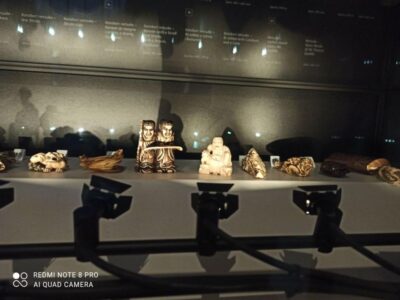 ★ 4.1Czartoryski Museum Guided Tour in italianFrom $16170 reviews
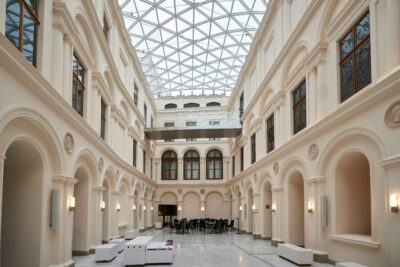 ★ 4.3Czartoryski Museum Tour / Entrance with Krakow CardFrom $53166 reviews
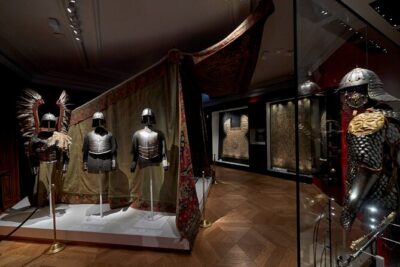 ★ 4.5Lady with an Ermine: Czartoryski Museum – Entrance with CityPassFrom $2752 reviews
 ★ 4.3Museo Czartoryski: Visita in italiano e salta la filaFrom $4739 reviews
 ★ 4.8MOCAK: Museum of Contemporary Art in KrakowFrom $3221 reviews
 ★ 4.0Czartoryski Museum Guided Tour in EnglishFrom $2221 reviews
Other ways to explore Krakow