
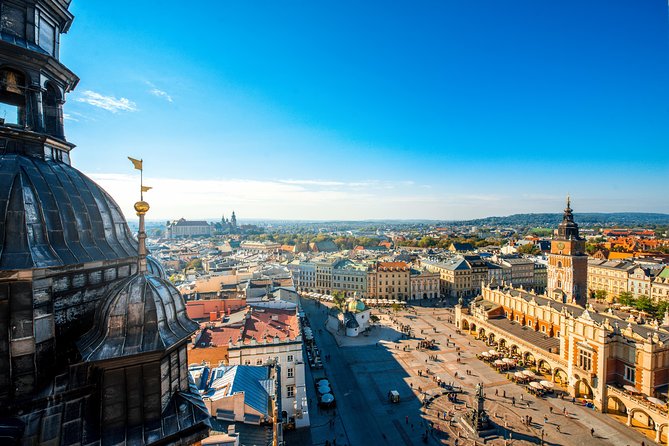
Krakow, story by story.
Royal courtyards, cellar routes, neighbourhood tables and mountain roads: choose the hours that reveal the city and its wider landscape.
Book the city’s defining hours.
Start at the Main Square, climb Wawel Hill and give Kazimierz time beyond a quick photo stop. These are the bookings that give a first visit its shape.
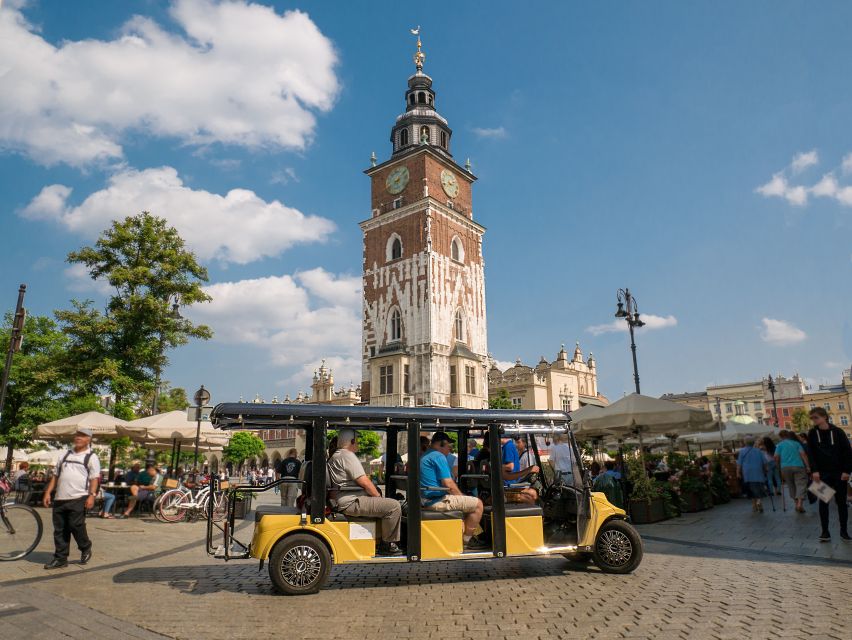
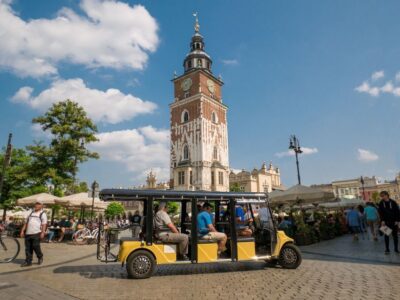
City Sightseeing Tour by Electric Golf Cart
Ride Krakow by heated electric golf cart and learn the city’s key Old Town, Kazimierz, and ghetto-era sites with an easy audio guide.
From $13 per person
Read the review →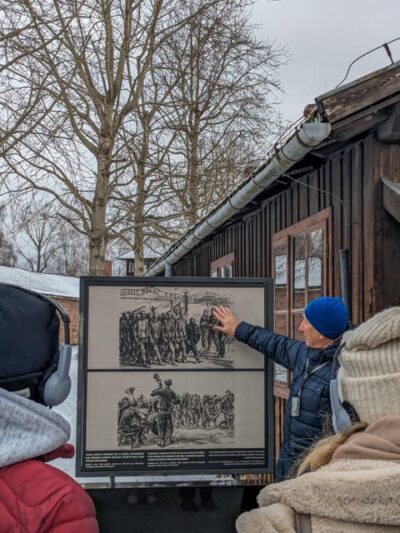 ★ 4.5Memorial visitFrom Krakow: Auschwitz-Birkenau Guided Tour & Hotel PickupFrom $2133,358 reviews
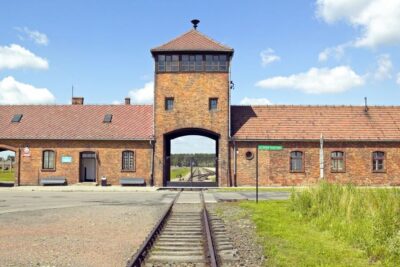 ★ 4.7Salt-mine routeAuschwitz-Birkenau and Salt Mine Guided TourFrom $549,020 reviews
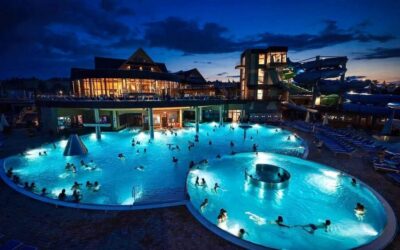
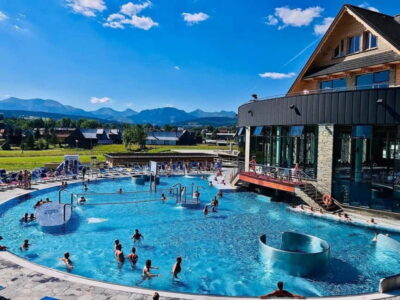 ★ 4.9Mountain dayZakopane Tour with Chocholow Hot Baths and Cable CarFrom $516,463 reviews
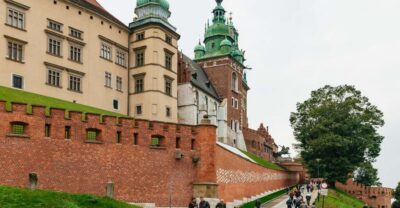 ★ 4.2Royal KrakowWawel Royal Hill with Optional Castle and CathedralFrom $191,220 reviews
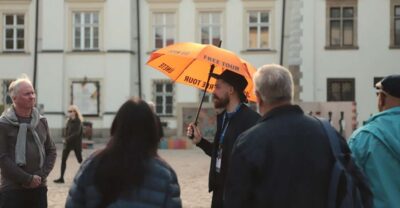 ★ 4.9Heritage routeJewish Quarter and Former Ghetto TourFrom $191,441 reviews
 ★ 5.0Taste KrakowKrakow Food Tasting Tour with Delicious PolandFrom $1051,032 reviews
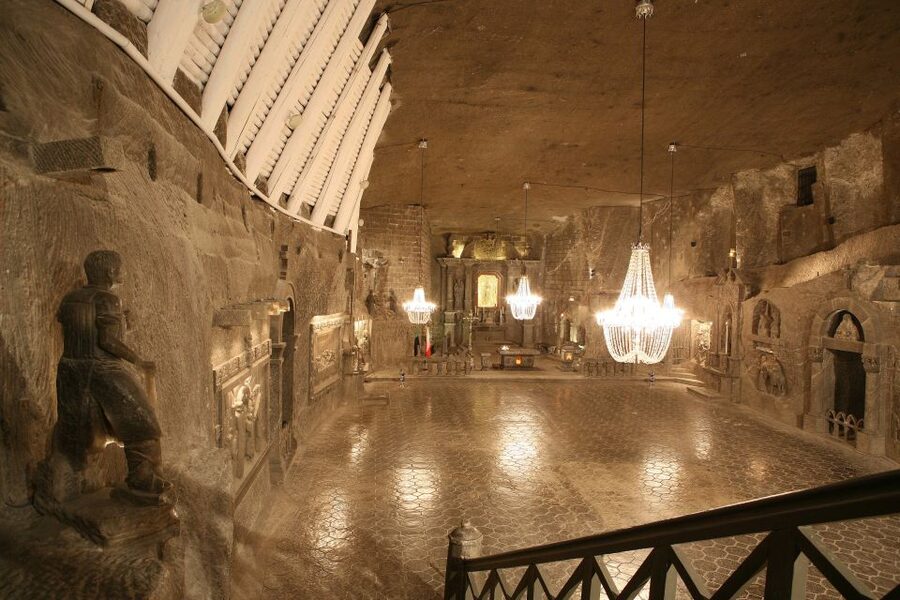
Wieliczka turns salt into architecture.
Chambers, carved chapels and underground lakes unfold beneath the edge of Krakow. Compare transport, guide language and route length before choosing your descent.
History, salt chambers or mountain air?
These are very different days. Match the destination to your time, energy and expectations, then compare what the ticket actually includes.
History approached carefully
Auschwitz-Birkenau Memorial
7 - 10 hours · from $21 · 33,358 reviews
This is a place of remembrance, not a conventional attraction. Compare licensed guiding, transport, visit length and pickup arrangements, then leave enough time for the experience.
Compare memorial visits →
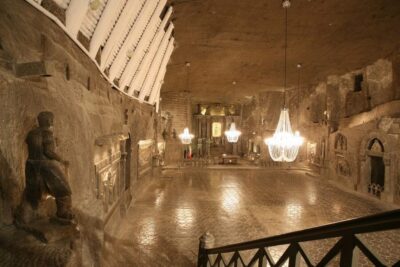 Half a day underground
Wieliczka Salt Mine
3 hours - 270 minutes · from $33 · 9,393 reviews
The standard route suits a shorter day beyond Krakow. Check the number of steps, transport and guide language, especially if mobility or timing matters.
See Wieliczka options →
Half a day underground
Wieliczka Salt Mine
3 hours - 270 minutes · from $33 · 9,393 reviews
The standard route suits a shorter day beyond Krakow. Check the number of steps, transport and guide language, especially if mobility or timing matters.
See Wieliczka options →
 A full mountain day
Zakopane and the Tatras
11 to 12 hours (approx.) · from $54 · 10,720 reviews
Cable cars, highland food and broad mountain views make this the longest of the three. Weather and travel time matter, so compare the exact stops before booking.
Plan a Zakopane day →
A full mountain day
Zakopane and the Tatras
11 to 12 hours (approx.) · from $54 · 10,720 reviews
Cable cars, highland food and broad mountain views make this the longest of the three. Weather and travel time matter, so compare the exact stops before booking.
Plan a Zakopane day →
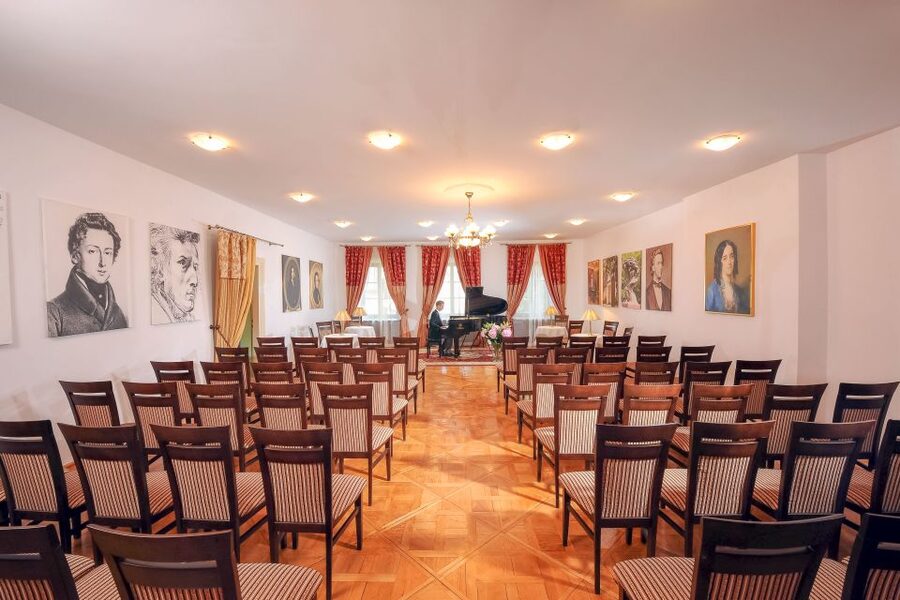
Cellar doors open. The piano starts.
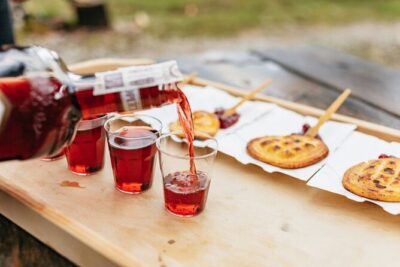
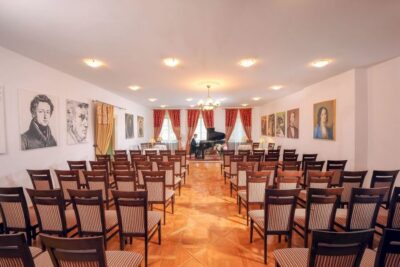
Chopin recitals bring old rooms to life, Kazimierz bars settle into the evening and a guided vodka tasting adds context to the glass. Choose music, conversation or a livelier night.
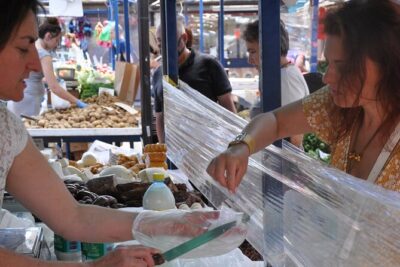
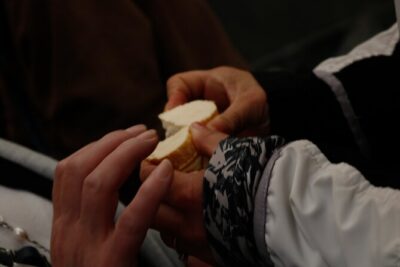
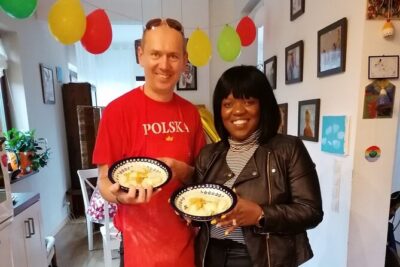
Pierogi are only the beginning.
Follow obwarzanek, soups, smoked cheese and neighbourhood bars into a wider Polish story. A good guide connects each tasting to the street and family tradition around it.
Walk, pedal or take the electric shortcut.
The Old Town rewards slow steps, while Kazimierz and Podgorze make more sense when a bike or electric cart joins the route. Pick the pace that suits your day.
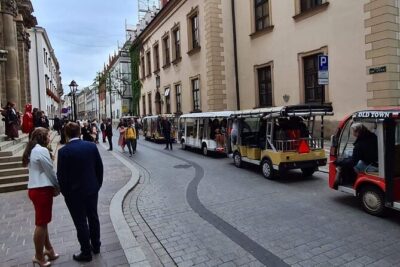
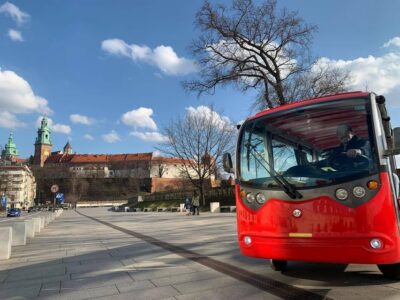
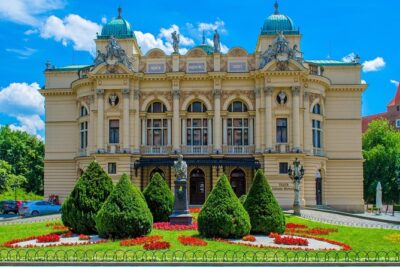
Stone lanes lead back to the square.
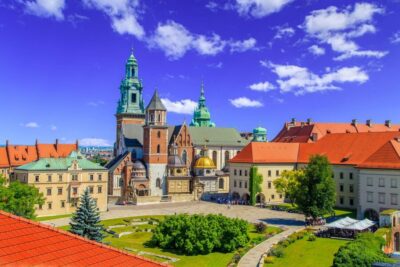
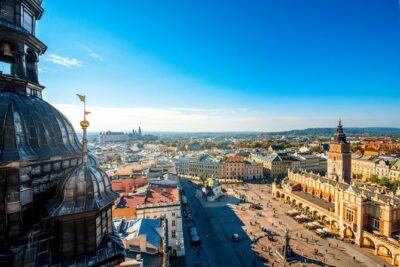
St Mary’s towers above the market, the Cloth Hall holds the centre and Wawel rises at the end of the Royal Route. A good walk turns the postcard into a readable city.
Read Krakow quarter by quarter.
Old Town for the first orientation. Wawel for the royal story. Kazimierz and Podgorze for a more complicated twentieth century. Nowa Huta for the city built after it.
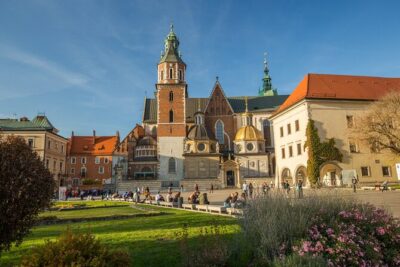
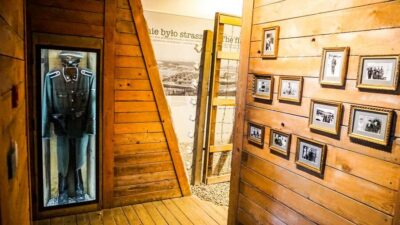
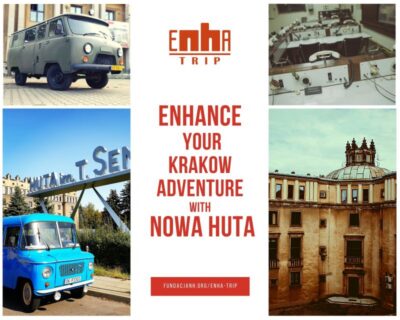
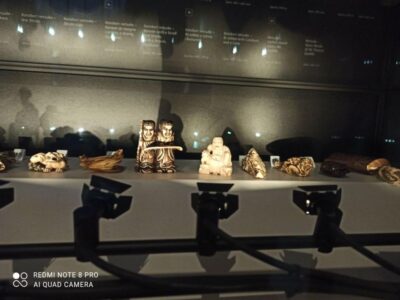

Find your way into Krakow.
Walk the Royal Route, taste the neighbourhoods, hear Chopin in an old room or cross the city by bike. Each choice changes the scale and rhythm of the day.


Southern Poland opens outward from Krakow.
Wieliczka fits a shorter day, Auschwitz-Birkenau requires time and care, while Zakopane and the Tatras ask for a full horizon. Start with travel time and purpose.
Three days, centre to foothills.
Give the Old Town a morning, Kazimierz an unhurried afternoon and one full day to the landscape beyond the city. Krakow rewards a route that changes pace.
 Day 1
Begin at the Main Square
Follow the Royal Route, enter St Mary’s and walk toward Wawel Hill. Save enough time for the castle courtyards and the river below.
Build the Old Town day →
Day 1
Begin at the Main Square
Follow the Royal Route, enter St Mary’s and walk toward Wawel Hill. Save enough time for the castle courtyards and the river below.
Build the Old Town day →
 Day 2
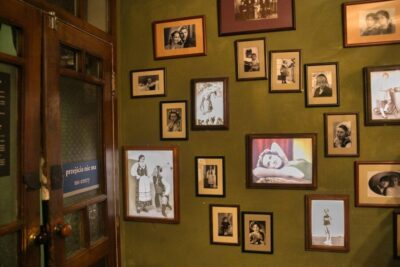
Take time with Kazimierz
Follow the quarter’s Jewish heritage with context, cross toward Podgorze and finish at a neighbourhood table rather than rushing back to the square.
Explore Kazimierz →
Day 3
Descend beneath Wieliczka
Take the mine route in the morning, return for a late lunch and leave the evening open for Chopin, pierogi or a quiet walk beside the Vistula.
Choose a salt-mine tour →
Day 2
Take time with Kazimierz
Follow the quarter’s Jewish heritage with context, cross toward Podgorze and finish at a neighbourhood table rather than rushing back to the square.
Explore Kazimierz →
Day 3
Descend beneath Wieliczka
Take the mine route in the morning, return for a late lunch and leave the evening open for Chopin, pierogi or a quiet walk beside the Vistula.
Choose a salt-mine tour →
Latest Krakow tour reviews.
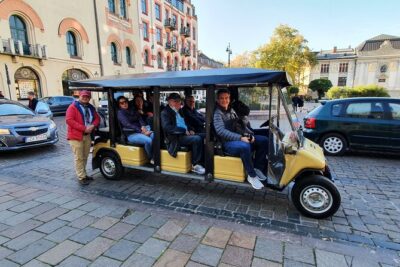 ★ 5.0Cracow guided Full tour by Golf Cart-Family DiscountFrom $723 reviews
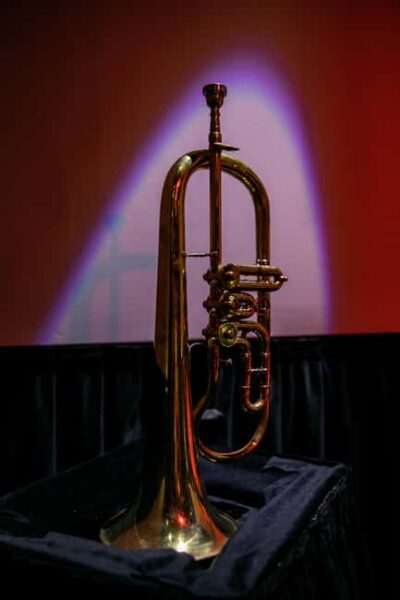 ★ 4.0Legends of Cracow ROBOTIC SHOWFrom $83 reviews
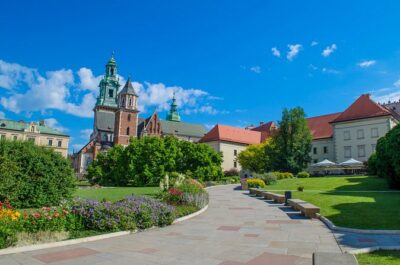 ★ 5.0Krakow Skip The Line Wawel Castle & Old Town Guided TourFrom $1983 reviews
 ★ 5.0Zakopane and Thermal Pools Tour with Hotel PickupFrom $513 reviews
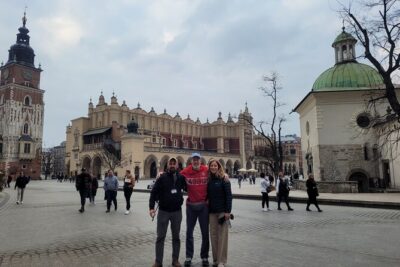 ★ 5.0Private Krakow City Tour by Car and Walk with private tour guideFrom $2323 reviews
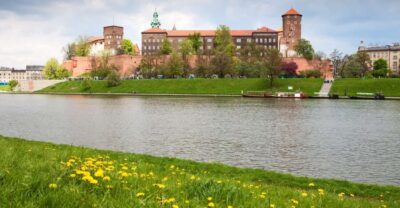 ★ 4.6Vistula River Cruise and Wieliczka Salt Mine TourFrom $1173 reviews
 ★ 5.0Katowice Private Traditional Polish Food TourFrom $1883 reviews
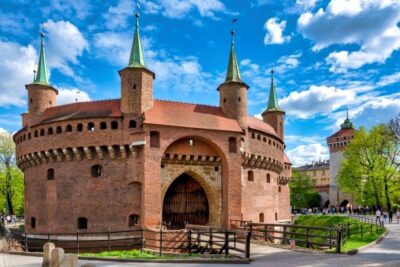 ★ 4.5St. Mary’s Basilica visiting with short guided walkFrom $293 reviews