
Review · AUSCHWITZ-BIRKENAU MEMORIAL TOURS
Auschwitz and Birkenau Tour
Auschwitz and Birkenau hits hard fast. This tour is built to save time with shared transport that takes you to both sites in one outing, and you get a guided visit at each stop. I especially liked that you walk through the camps with an organized plan, not on your own wandering in a place where you really want context.
Two things I like a lot: admission tickets are included, so you do not lose time lining up for entry, and the guide uses a microphone system with headsets so you can actually follow along.
One possible drawback: the day can run long and the experience is very logistically tight, with some real-life reports of timing changes and occasional comfort issues on the ride. It is still a strong value, but it helps to build in flexibility.
Key Things to Know Before You Go
- Headsets included, so you can hear the guide clearly during the Auschwitz visit
- Tickets included for both Auschwitz I and Auschwitz II (Birkenau)
- Small group size with a maximum of 30 people
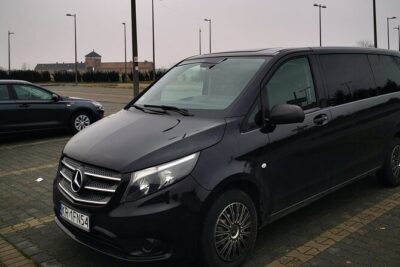
- Round-trip hotel pickup and drop-off plus transport by air-conditioned minivan
- A lot of walking on uneven ground, so plan for your legs and your feet
- Birkenau is bigger and mostly outdoors, so weather matters
Auschwitz and Birkenau, One Trip That Actually Works
If Auschwitz and Birkenau are on your Krakow must-do list, this kind of “both camps in one go” tour is the cleanest way to handle the logistics. You are not doing transfers and ticket puzzles on your own. You meet your group, get on an air-conditioned minivan, and you get pulled into a guided route that keeps the day moving.
This is a heavy day, so the practical details matter. The tour includes entry tickets to both Auschwitz I and Birkenau, plus headsets so the guide is not competing with crowds and noise. And since it is only about 4 to 7 hours, it fits better than the half-day you might imagine, because you are typically doing two different camp areas with guided time at each.
Now, quick reality check. You are touring a site where the scale and purpose are difficult to process. A good guide helps you make sense of what you are seeing without turning it into a lecture that floats above your feet. A less effective audio setup or unclear guiding makes it harder to connect the dots. That is why the audio system and guide quality are such a big part of the value here.
You can also read our reviews of more tours and experiences in Krakow.
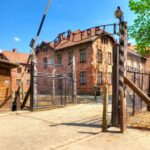
Auschwitz I: The Iron Gate Moment and Block 11
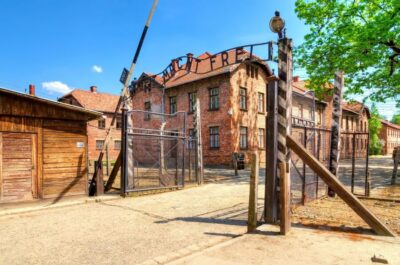
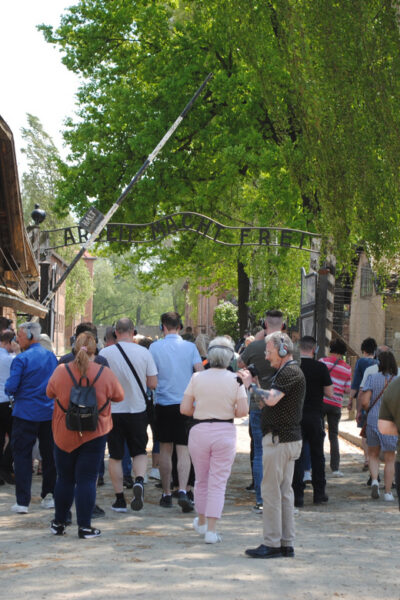
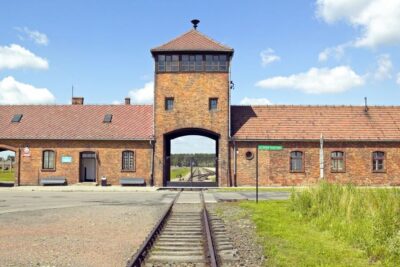
Your day starts at the State Museum Auschwitz-Birkenau, at Auschwitz I. First comes the walk through the famous iron gate with the slogan Arbeit Macht Frei. That part is unforgettable, but it is also a useful “setup” for what follows. The tour does not jump around. It takes you through the key areas in a way that builds understanding as you go.
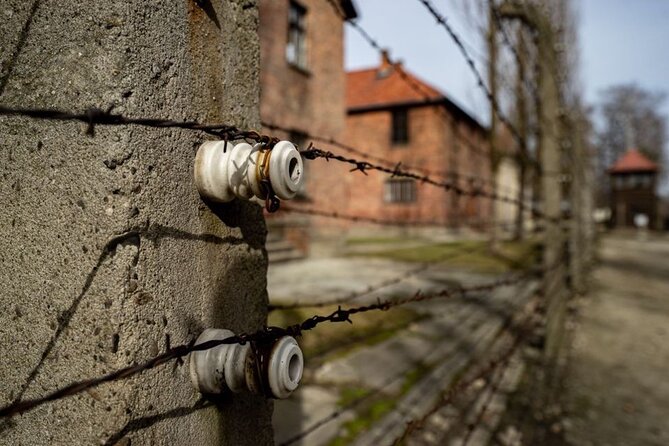
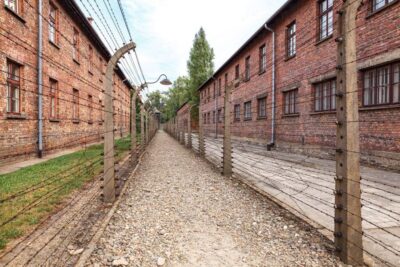
Auschwitz I is described as having 22 brick barracks, used to imprison hundreds of thousands of people. You will also see some of the most chilling architecture in the preserved portions, including the crematorium and gas chamber that remain from the camp’s operation.
The visit to Block 11 is the standout for many visitors, and for good reason. This is the prison-within-the-prison area, where punishments were carried out. The tour route includes references to torture chambers, including dark chambers and standing cells, and it also covers the first attempts to kill people using Zyklon B that took place in this block.
Why this stop is so important for your understanding: Auschwitz I is where you get the clearest look at how the machinery of persecution was organized. The “death camp” label gets used a lot, but Auschwitz I shows you a different layer of control, isolation, and brutal punishment before you move to Birkenau’s industrial scale.
A possible consideration: Auschwitz I involves time indoors and outdoors, but you should still expect crowds at peak hours. Even with a guided route, you will likely spend time standing and walking through areas that are not designed for comfort. Plan for it.
Auschwitz II (Birkenau): Scale, Ruins, and Why It Feels Impossible
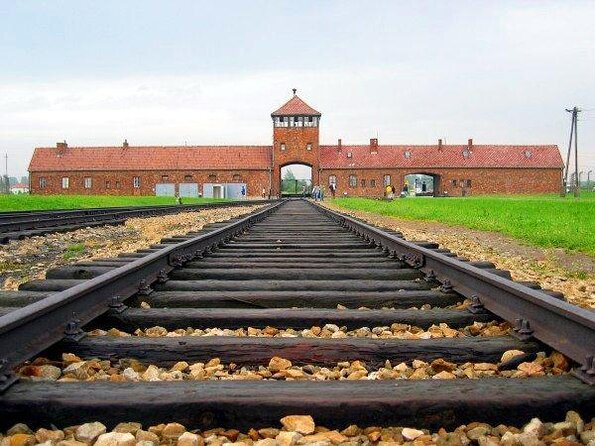
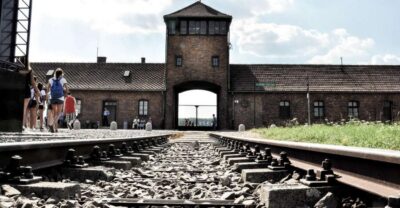
After Auschwitz I, the tour transfers you by minivan to Auschwitz II, known as Birkenau. This is where the day changes tone. Birkenau is 25 times larger than Auschwitz I, and it was the largest of the death camps.
You are given context on the number of people murdered there, including the figure of over 1,100,000. It is a number you will hear once and then keep trying to understand as you walk the grounds.
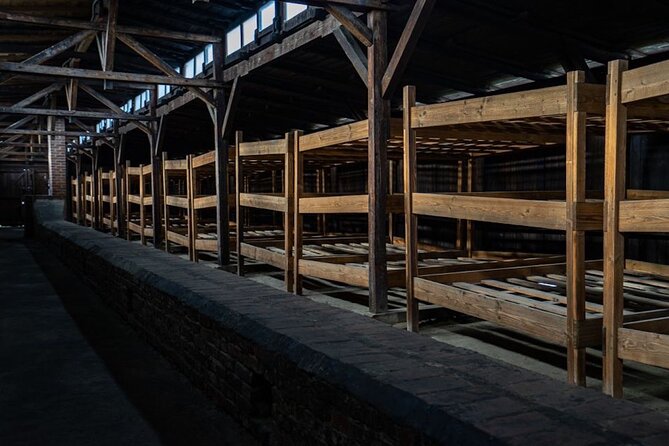
One of the most haunting parts of the Birkenau visit is the view of the ruins of crematoriums and gas chambers. The information you get here includes the presence of 62 wooden barracks and the ruins of four crematoriums and gas chambers that the Nazis destroyed in an effort to hide evidence.
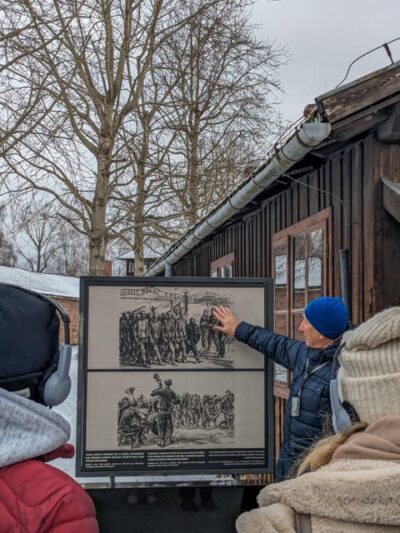
How the route helps you: the guide’s job is to connect what you see, like barrack ruins and crematorium areas, to what the camp was built to do. With headsets, you can follow these explanations without constantly looking back at your guide or craning for audio.
Weather matters a lot here because the tour time at Birkenau is mostly spent outdoors. One review note I think you should treat seriously: even if you feel fine at pickup, plan for cold and wind once you are in Birkenau. Flat shoes also matter because paths and ground can be uneven.
What Your Price Covers (and Why It’s Not Just a Cheap Shortcut)
At about $46.91 per person, this tour lands in the “good value if the logistics fit your day” category. The value comes from what is included, not just the transportation.
Here is what you are getting based on the tour details:
- Hotel pickup and drop-off from designated meeting points
- Transport by air-conditioned minivan
- Headsets so you can hear the guide clearly
- Admission tickets to Auschwitz I and Birkenau
- A guided visit with a driver/guide team
Two things that make a difference for your experience are the tickets included and the headsets. Tickets included reduces friction. Headsets reduce stress. In a place this emotionally intense, fewer “logistical chores” means you can actually focus on what you are seeing.
Also, this tour is built for small groups up to 30 people. That does not mean it will feel quiet, because Auschwitz and Birkenau draw crowds. But smaller groups often mean you spend less time herding and more time listening.
Comfort, Timing, and Getting the Most From the Audio
Transport is usually the make-or-break part of a long day, and here the reviews show a split experience. Many people describe smooth pickup, friendly drivers, and good organization. Others complain about comfort, like air-conditioning that did not cool the whole vehicle evenly, which can be a real problem if the ride back hits a peak of fatigue.
This is worth your attention because you are not just traveling. You are going to spend hours on your feet at sites that can be exhausting even when you are mentally steady.
Timing is another factor. The tour mentions that the final start time depends on museum authorities only, and it can change. In a perfect world, you would set your day plan and forget it. In the real world, build buffers. If you have a tight work deadline or a must-attend dinner, consider doing this tour on a day where you have breathing room after the return.
Audio is the third big factor. Most people report that the guide speaks clearly into a microphone with headsets. But there are also reports where the guide was hard to hear. If your priority is that you understand every key point, show up early for pickup, use the headsets correctly, and let the team know quickly if you cannot hear.

How Much Walking Is Realistic, and What to Wear
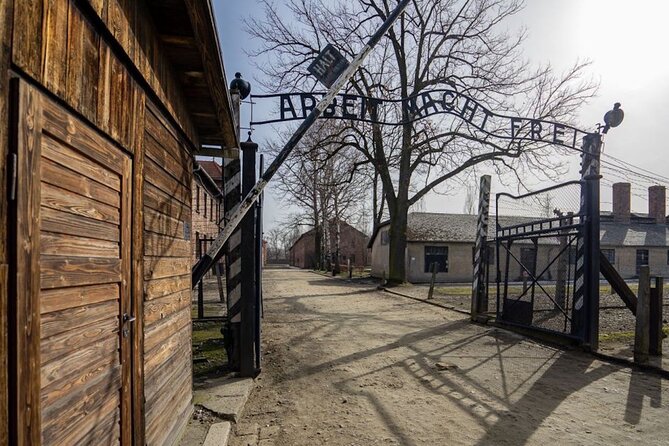
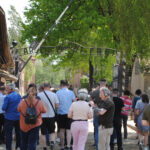
The tour is not a sit-and-watch experience. It includes walking between camp areas, time in both Auschwitz I and Birkenau, and movement through sites with uneven ground.
Here are practical steps you can take:
- Wear flat, supportive shoes. Uneven paths are common.
- Bring a layer. Auschwitz I can have indoor time, but Birkenau is mostly outdoors.
- If you get cold easily, take that seriously before you get there.
- Bring water for yourself, even though food and drinks are not included. You will want to stay steady, especially because the day is emotionally demanding.
The itinerary does not list a meal stop, and food and drinks are not included. So treat this like a day where you eat on your own schedule before and after, not during the tour.
Who Should Book This Tour, and Who Might Skip It
This tour lists guidance that it is not recommended for child aged 14 and under, and it suggests children must be accompanied by an adult. It also says you should have moderate physical fitness.
Here is how I would translate that into real-life planning:
- If you want guided context and you like knowing your transport and tickets are handled, this fits well.
- If you are sensitive to audio issues or you need very clear guiding, you should be ready to use the headsets and ask for help if sound is weak.
- If you are traveling with limited mobility, this might be challenging because you are on your feet for a long day with uneven ground.
Also consider group size. Up to 30 people means there is a chance of crowding at key points. If you prefer quieter pacing, choose a day with fewer crowds and be prepared to wait in lines or stand in groups.
Should You Book This Auschwitz and Birkenau Tour?
I think you should book this if your priorities are straightforward: you want both camps in one day, you want admission tickets handled, and you want a guided route with headsets. At the price point, the included items are what make it feel fair, and the coach transport saves you from the hard part of planning.
I would think twice if you have zero flexibility for timing. The tour notes start times can shift based on museum authorities, and real-world logistics matter. Also, comfort can vary based on how your vehicle’s air-conditioning works and how crowded the day is.
Before you decide, ask yourself one question: do you want your day to be organized, or do you want full control and independence? If you want organized, this is a solid pick. If you want total independence, you might prefer another approach where you manage your own pace and logistics.
FAQ
How long is the Auschwitz and Birkenau tour?
The duration is listed as approximately 4 to 7 hours.
What’s included in the tour price?
The tour includes hotel pickup and drop-off, transport by air-conditioned minivan, a driver/guide, headsets, and admission tickets to both sites.
Are food and drinks included?
No. Food and drinks are not included.
What language is the tour offered in?
The tour is offered in English.
Is pickup available from my hotel?
Yes, pickup is offered, but you should note that meeting point details are provided and pickup starts from designated meeting points.
What is the cancellation policy?
You can cancel for a full refund up to 24 hours in advance of the experience start time. Changes inside 24 hours are not accepted, and refunds are not given if you cancel later than that window.
More Tours in Krakow
More Tour Reviews in Krakow
Not for you? Here's more nearby things to do in Krakow we have reviewed






More Auschwitz-Birkenau Memorial Tours to consider.
 ★ 4.5From Krakow: Auschwitz-Birkenau Guided Tour & Hotel PickupFrom $2133,358 reviews
★ 4.5From Krakow: Auschwitz-Birkenau Guided Tour & Hotel PickupFrom $2129,340 reviews
★ 4.5From Krakow: Auschwitz-Birkenau Guided Tour & Hotel PickupFrom $2133,358 reviews
★ 4.5From Krakow: Auschwitz-Birkenau Guided Tour & Hotel PickupFrom $2129,340 reviews
 ★ 4.5Auschwitz Guided Tour with Optional Hotel PickupFrom $6915,280 reviews
 ★ 4.5Auschwitz-Birkenau Guided Tour with Pickup & LunchFrom $219,800 reviews
 ★ 4.5Auschwitz-Birkenau Guided Tour Pickup/Lunch OptionsFrom $2009,057 reviews
 ★ 4.7Auschwitz-Birkenau and Salt Mine Guided TourFrom $549,020 reviews
 ★ 5.0Krakow to Auschwitz Birkenau Guided Tour with Transfer and TicketFrom $368,197 reviews
 ★ 4.0From Krakow: Auschwitz Birkenau Tour with TransferFrom $216,134 reviews
Other ways to explore Krakow