
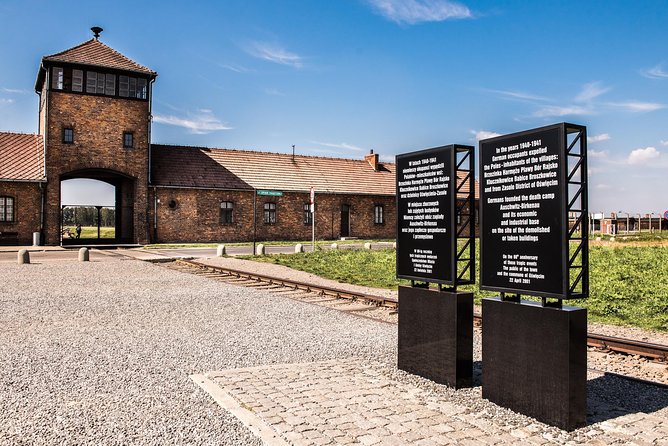
Review · AUSCHWITZ-BIRKENAU MEMORIAL TOURS
Auschwitz-Birkenau Memorial and Museum Trip from Krakow
Auschwitz is a long day, but the setup helps. This Krakow trip gives you a movie briefing on the way, then delivers hotel pickup and drop-off so you can focus on the memorial instead of logistics. You’ll spend the day at Auschwitz I and Auschwitz II-Birkenau with an official museum tour that is timed tightly.
The main tradeoff is pace. This is a group visit up to 30 people, and the memorial walking can feel long and emotionally draining, especially if you are sensitive to rushing or hearing the guide.
Key things to notice before you go
- Pickup and drop-off from Krakow keeps the early start from turning into a stress-fest.
- A documentary film during the ride helps you understand what you’re about to see before you arrive.
- A timed, official museum route covers both Auschwitz I and Birkenau without wasting time at the gates.
- Group size matters: up to 30 people means you’ll likely keep moving, even when you want to pause.
- Bag size is strict (30 x 20 x 10 cm), so plan what you bring and where it sits during the visit.
The 7:00 am departure, and what the day really feels like
This tour is built around an early start, with the tour time listed as 7:00 am and a typical day lasting about 7 to 8 hours. Even if you see slightly different pickup timing from your messages on the morning itself, the rhythm of the day stays the same: transport out of Krakow early, museum time in the morning, then return to your accommodation.
Here’s what I think matters for your planning. Auschwitz and Birkenau are not like most “sightseeing days.” You’ll be absorbing difficult material in a place that is physically spread out, and it’s easy to underestimate how tiring that is. A group format helps you get in and guided faster, but it does mean you do not have total freedom to linger at every stop.
The upside is that you get structure. You don’t have to figure out how the official tours work once you arrive, and you’re not standing around trying to assemble a plan on your own at a site that demands respect and attention.
You can also read our reviews of more museum experiences in Krakow

Hotel pickup plus the in-bus history film
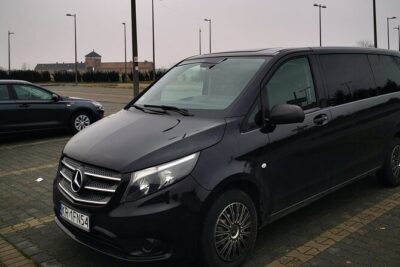
One of the best parts of this experience is how it reduces decision-making before you arrive. Hotel pickup and drop-off are included, and the operator specifically notes they can pick you up from accommodations inside Krakow City limits, including Airbnb. That sounds simple, but in practice it means less wandering at dawn and less time spent waiting with strangers you’ll meet anyway.
Then there’s the documentary film on the way. The trip includes a documentary movie about the history of the Nazi concentration camps during WWII, shown during transport. I like this approach because it front-loads context. When you arrive, you’re not trying to connect dates, systems, and terminology while standing in the remains of a camp complex.
A practical note: you may be in a small group on a bus or van, and the film sound can vary depending on where you sit. If you’re sensitive to audio, sit closer to the front or any screens you see mounted in the vehicle.
Auschwitz I: the starting point and the camp’s administrative role
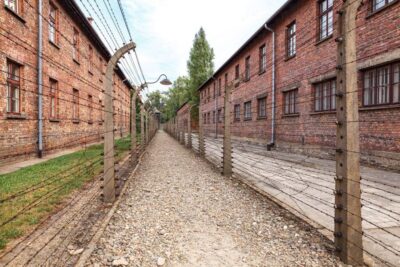
At Panstowe Muzeum Auschwitz-Birkenau, you’ll focus first on Auschwitz I. This is described as the most well-known former concentration camp and also the administrative headquarters for the whole complex. In plain terms, it helps you understand how the machinery of oppression got organized and run.
A key thing you’ll likely notice is that Auschwitz I sets the tone with buildings that feel more “structured,” almost like an administrative campus. That structure is part of the horror. The place doesn’t only show suffering, it shows systems, routines, and decisions made by people who implemented genocide with bureaucratic efficiency.
This stop is allotted about 3 hours, with an admission ticket included. The museum portion is described as a standard group tour of about 3.5 hours covering both Auschwitz I and Auschwitz II-Birkenau, so your time at each site is timed and shared with others. If you tend to read slowly, take in details, or want space for your own thoughts, you should mentally prepare for a controlled pace.
Birkenau: gas chambers, crematoria, and the scale shock
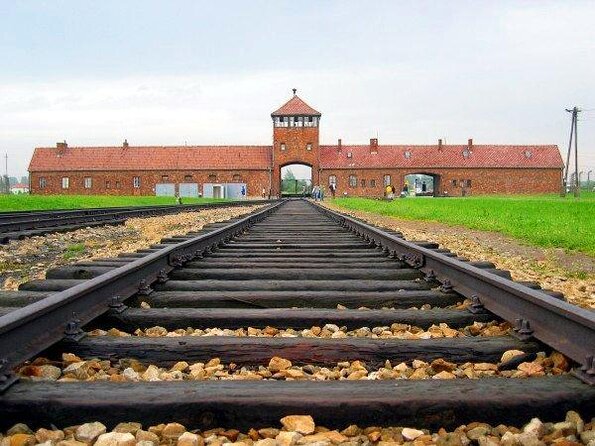
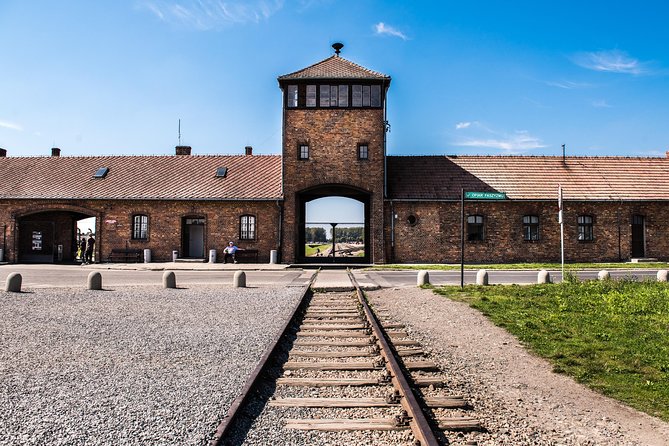
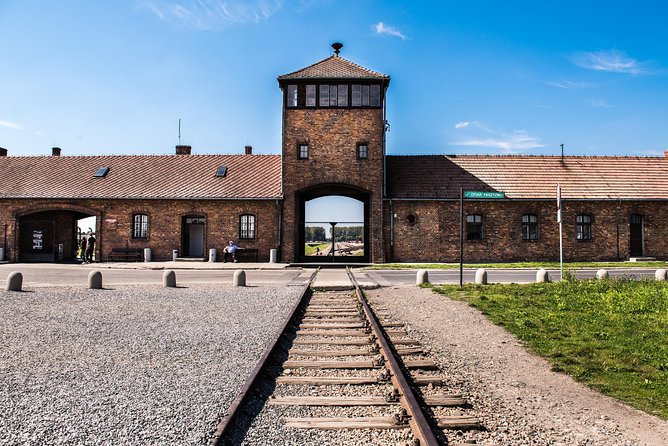
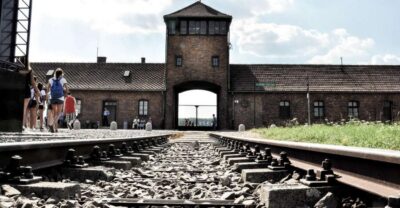
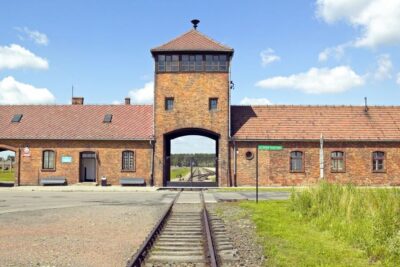
Then you move to Auschwitz II-Birkenau, which was initially designed as a concentration camp but became the main site of the genocide. This is where the experience often hits hardest, largely because of scale and open space.
In the tour description, Birkenau includes reference points such as gas chambers and crematoria, and it also notes that a women’s camp was located there. Even without adding extra drama, the site itself communicates volume. You’re confronting the difference between one part of a camp complex and the place where mass killing was carried out at enormous scale.
Because it’s bigger, it also tends to involve more walking and less “slow browsing.” Some people come away wishing they had more time in the second half of the visit, because Birkenau can feel like it passes quickly when the group stays on schedule. That doesn’t mean the guides rush through what matters, it means you are working within museum constraints and group timing.
If you want to respect the site while still meeting the group pace, try a simple strategy: pause intentionally for a minute or two at the strongest visual reminders, then move with the group. You’ll still see less than you want, but you’ll feel like you chose what you held onto.
Pace, earphones, and why hearing the guide can vary
This is a museum-led day trip, and the official memorial educator part matters. Multiple reviews in your provided details praise guides for being respectful and for speaking strong English. Names like Joanne and Margaret appear in the experiences shared, and the consistent theme is that the guides treat the information seriously and explain it clearly.
Still, you should plan for the reality of group tours at Auschwitz-Birkenau. The tour is capped at a maximum of 30 travelers, and a larger group can make it harder to stop, ask extra questions, or process what you just learned.
There’s also a technical detail that can affect your experience: earphones/headsets. The general expectation in many museum tours is that visitors receive equipment at the entrance, and some of the provided experiences specifically call out that using headphones and audio support helps. But at least one account notes that earphones were not available for everyone due to a change in the company managing that part of the entrance process. If you arrive without audio equipment, you might find it harder to hear the guide, especially in crowded areas or spaces with lots of sound from other groups.
So my advice is straightforward:
- If you’re offered audio equipment at the entrance, use it.
- If you know you struggle with audio in crowds, sit where you can see the guide’s face and gesture, not just their voice.

Transport comfort, motion sickness, and getting your day right
The biggest part of your “comfort” on this trip is not the hotel or the museum, it’s the ride out of Krakow early in the morning. The operator includes insurance, and the minibus style transport is described as having screens and even chargers in at least one set of experiences. Many people praise the driver and the overall organization.
But there is a legitimate consideration: a couple of accounts describe rough driving or a van that felt wobbly, and one mentions difficulty for car sick-prone individuals. If you get motion sickness easily, take your usual precautions. Bring medication if it works for you, and pick a seat closer to the front if possible.
Also, watch your pickup communications closely. While the tour time is listed as 7:00 am, at least one experience in your provided details mentions pickup time moving earlier within the same morning and another notes the pickup window details being adjusted. That’s not unusual for early tours with operational realities, but it can catch you if you rely only on the first email.
A good habit: once you receive your exact pickup time, set an alert and plan to be ready 10 to 15 minutes before that time.
Cost and value: is $93.16 a fair price?
At $93.16 per person, this tour is priced in a range that often feels “reasonable” only if the day doesn’t unravel. Here’s what you’re actually paying for, based on the included items:
Included features:
- Hotel pickup and drop-off
- Documentary movie during transport
- Standard group tour (about 3.5 hours) of Auschwitz I and Auschwitz II-Birkenau
- Admission ticket included for the Auschwitz-Birkenau Museum portion
- Insurance
Not included:
- Food and drinks
You’re also getting two things that can save you time and hassle in a place like this: direct museum admission handling, and a guided route with official educators. Reviews in your provided details strongly suggest that skipping long ticket lines or moving quickly into the guided tour is a major reason the value feels worth it. You may not feel “wowed” by the transport, but you likely feel relief when you see the queue outside and your group moves past it.
Where costs can rise, quietly: because food is not included, you should budget for lunch or at least plan a snack strategy. Bring water if you can, and have a simple plan for energy. This day is emotionally heavy and physically tiring, and you don’t want your experience derailed by hunger.
Packing and comfort tips for Auschwitz-Birkenau
This is one of the easiest parts to get right, so do it. The museum grounds have a bag limit of 30 x 20 x 10 centimeters (roughly 12 x 8 x 4 inches). If your bag is larger, it may not be allowed on site.
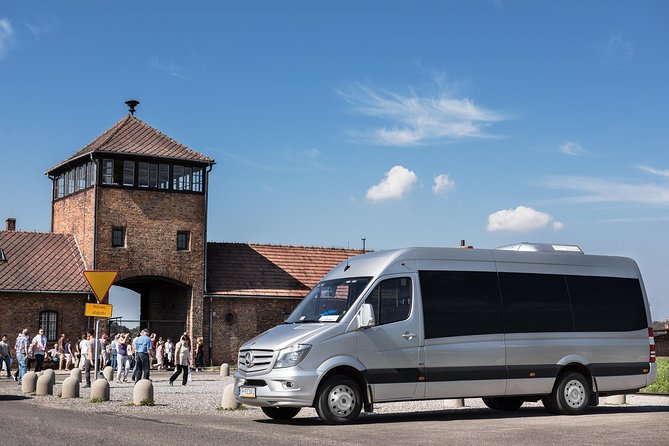
The operator provides a helpful workaround: you can leave your belongings inside the bus, which will be parked nearby. That means you can travel light without panicking about where to put your stuff.
Wear shoes for walking, not for photos. A number of experiences you provided describe a lot of walking. Even if you are in moderate physical condition, Auschwitz and Birkenau require lots of standing and moving on uneven ground.
Also, try to travel with minimal distractions. If you bring extra bags, you’ll spend time managing them. If you bring too many gadgets, you’ll feel pressured to capture everything, and that can be mentally exhausting in a place that deserves your full attention.
Who this Auschwitz day trip from Krakow suits best
This tour fits best if you want a well-timed, structured day and you’re okay with moving as a group. It’s especially good for first-time visitors who want both Auschwitz I and Birkenau with official museum interpretation rather than trying to piece it together independently.
It may be less ideal if you:
- need lots of quiet, slow time for personal reflection,
- want to ask lots of follow-up questions outside of the group pace,
- get overwhelmed by crowds or audio challenges.
On the other hand, it’s a strong choice if your priority is order. Having pickup, a documentary briefing, and an official route means you spend less time figuring things out and more time making sense of what you see.
Should you book this Auschwitz-Birkenau tour from Krakow?
If your goal is to do Auschwitz-Birkenau from Krakow with minimal logistics stress, I’d say this is a solid option. The strongest reasons are practical: pickup and drop-off, a documentary film on the way, and a guided museum experience that helps you avoid losing time at the gates.
But I’d also set expectations. This is not a leisurely museum day. The experience can feel rushed in the second half for some people, and the walking is real. Plan for an emotionally heavy visit, and pack for comfort, because food is not included and your day will run long.
If you want to get the most out of it, go in with a simple mindset: follow the group long enough to get the full arc, then give yourself a few deliberate pauses where it matters most to you.
FAQ
How long is the Auschwitz-Birkenau tour from Krakow?
The experience runs about 7 to 8 hours in total.
What time does the tour start?
The listed start time is 7:00 am.
Is hotel pickup and drop-off included?
Yes, hotel pickup and drop-off are included. Pickup is available from accommodations within Krakow City limits.
Is the museum admission ticket included?
Yes. Admission ticket for the Auschwitz-Birkenau Museum is included.
Is food provided?
No. Food and drinks are not included.
Is a documentary movie shown?
Yes. A documentary film is included and shown during the trip.
Are there limits on what I can bring?
Yes. Bags and backpacks allowed on the museum grounds must be no larger than 30 x 20 x 10 centimeters. You can leave belongings inside the bus that is parked nearby.
What is the maximum group size?
The tour has a maximum of 30 travelers.
Can I cancel for a full refund?
Yes, free cancellation is available up to 24 hours in advance of the experience start time for a full refund.
More Museum Experiences in Krakow


More Tour Reviews in Krakow
Not for you? Here's more nearby things to do in Krakow we have reviewed







More Auschwitz-Birkenau Memorial Tours to consider.
 ★ 4.5From Krakow: Auschwitz-Birkenau Guided Tour & Hotel PickupFrom $2133,358 reviews
★ 4.5From Krakow: Auschwitz-Birkenau Guided Tour & Hotel PickupFrom $2129,340 reviews
★ 4.5From Krakow: Auschwitz-Birkenau Guided Tour & Hotel PickupFrom $2133,358 reviews
★ 4.5From Krakow: Auschwitz-Birkenau Guided Tour & Hotel PickupFrom $2129,340 reviews
 ★ 4.5Auschwitz Guided Tour with Optional Hotel PickupFrom $6915,280 reviews
 ★ 4.5Auschwitz-Birkenau Guided Tour with Pickup & LunchFrom $219,800 reviews
 ★ 4.5Auschwitz-Birkenau Guided Tour Pickup/Lunch OptionsFrom $2009,057 reviews
 ★ 4.7Auschwitz-Birkenau and Salt Mine Guided TourFrom $549,020 reviews
 ★ 5.0Krakow to Auschwitz Birkenau Guided Tour with Transfer and TicketFrom $368,197 reviews
 ★ 4.0From Krakow: Auschwitz Birkenau Tour with TransferFrom $216,134 reviews
Other ways to explore Krakow