
Review · AUSCHWITZ-BIRKENAU MEMORIAL TOURS
Auschwitz-Birkenau Tour from Krakow with Hotel Pickup
Auschwitz changes how you see the world. This day trip from Krakow brings Auschwitz I and Birkenau into one controlled, well-timed visit, with admission included so you avoid ticket chaos. I like that the tour is set up for English speakers, and you also get an English e-book ahead of time to help you follow what you’re seeing.
What really stands out is the effort put into making the experience work logistically: an air-conditioned vehicle, a max group size of 20, and hotel pickup arranged from central areas. I also like that there’s an optional guided experience, and some guides are praised specifically for being both clear and human in how they explain a brutal history.
The main caution is that timing and pickup can be fragile. Even when it’s advertised as hotel pickup, it may involve a different pickup point if you’re outside the workable pickup zone, and some departures run early, with people reporting long waits in extreme weather.
Key things to know before you go
- Admission is included, so you avoid the pre-visit ticket scramble.
- Hotel pickup is limited to places within about 2 km of Krakow city center, sometimes with a nearby alternative.
- Bag size is strict (30 x 20 x 10 cm), and you may need to use storage or leave items on the bus.
- Timing matters at Auschwitz, and your day can shift based on museum rules.
- English materials are included, via a personalized e-book called The Stories of Auschwitz.
- Guided vs self-guided changes everything, including how much time you’re likely to get to process the site.
What this Auschwitz-Birkenau tour is really like
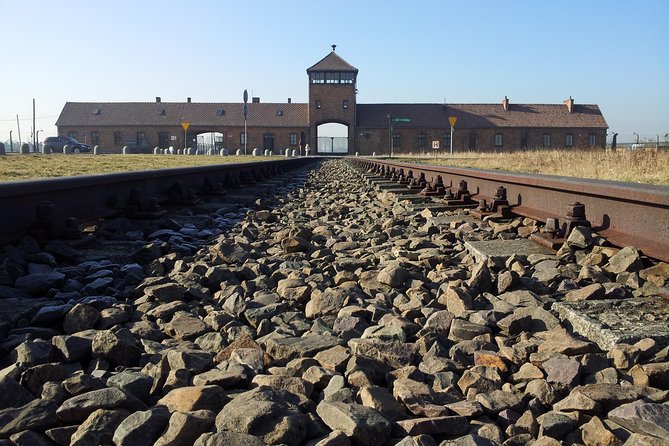
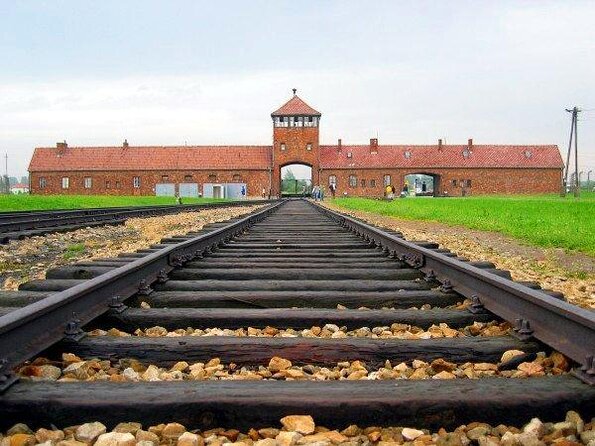
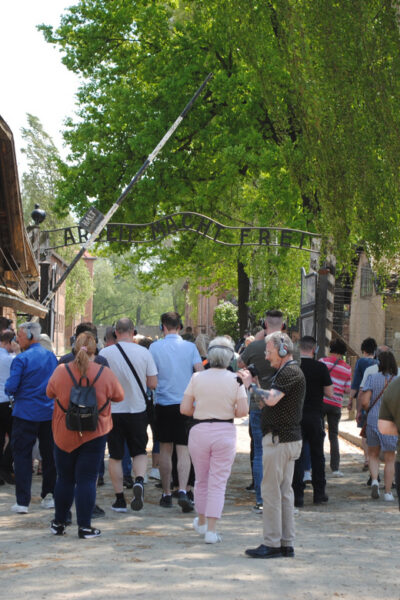
This is a one-day trip that focuses tightly on the Auschwitz-Birkenau Memorial and Museum. You’re transported from Krakow in an air-conditioned vehicle, then you visit Auschwitz I and Auschwitz II – Birkenau as part of a single structured schedule.
The big “value” point here is not the van or the price. It’s the combination of included admission plus a guided structure that helps you get inside without starting your day with paperwork. At around $38 per person, the math usually works best if you want a straightforward day and you don’t want to build the route yourself.
One more practical detail: the stated duration is 6 to 7 hours including travel time. That’s enough for a serious visit, but not enough for slow wandering. If you want to linger for personal reflection, you’ll need to manage expectations, because the schedule is designed to keep everyone moving.
You can also read our reviews of more tours and experiences in Krakow.

Hotel pickup in Krakow: convenient, but not automatic
On paper, you get hotel pickup from Krakow’s city center. In reality, pickup is arranged only from places with an available stop within a 2 km radius of the city center. If your hotel is farther out or traffic is limited, you’re picked up from the nearest possible place.
Pickup times can also be early. The pickup window is said to be arranged between 6 am and 1 pm, but the exact time can vary, and some dates appear to involve extremely early departures. The lesson is simple: be ready for an early start, even if you booked thinking you’d sleep in.
Also note that confirmation comes at booking, but the approximate pickup time is typically verified by contacting the provider. A few unhappy reviews point to last-minute pickup changes, including people being moved to a different pickup location or dropped near a central meeting point rather than right at the hotel.
My advice for pickup day
Pack your patience with your winter gear. If you are in Krakow during colder months, plan for waiting time. Even when the vehicle is comfortable, parts of the process can involve standing in lines or waiting outside.
And do your homework before you go: save the meeting and pickup details in your phone, bring the names exactly as booked, and arrive early to the pickup zone. A smooth pickup makes the rest of the day feel calmer.
The e-book and the admission included advantage
You don’t have to do everything from scratch. This tour includes an English e-book called The Stories of Auschwitz, and it’s provided as a personalized file for each participant. That can help you understand key parts of the memorial before you face them in person.
Admission is also included. That matters because museum entry can be time-based and strict, and it’s stressful to be standing in line while other people already have what they need. Here, you’re set up to focus on the visit rather than the transaction.
One caution that’s easy to miss: the Auschwitz & Birkenau rules require full names of all participants. Make sure your booking includes your exact spelling. Think of it like a travel document detail, not a formality.
Auschwitz I: what your time is likely to look like
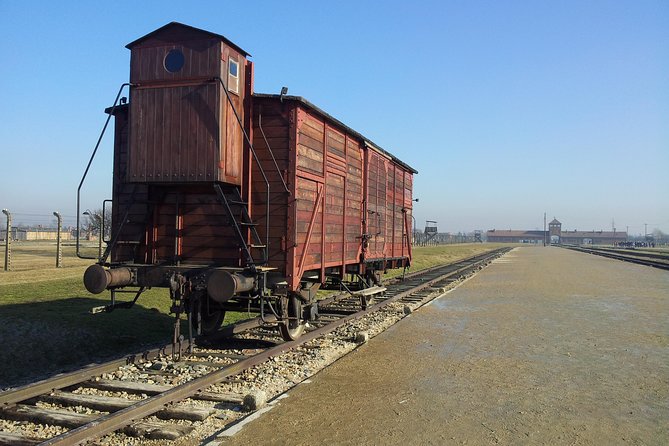
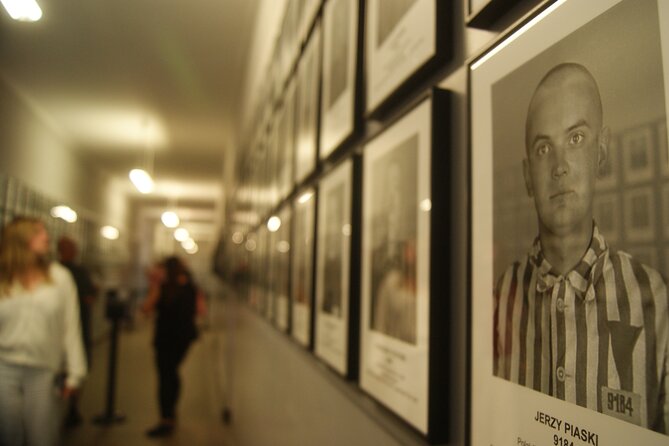
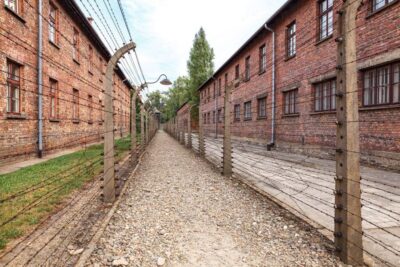
Auschwitz I is the start of the story in most people’s minds. This is where the memorial complex is laid out in a way that helps you grasp the Nazi camp system and its machinery.
The itinerary structure here is simple: you visit Auschwitz I, then you return to the bus and head to Birkenau later. Some schedules allocate around three hours for the Auschwitz portion, including admission, interpretation, and movement through the site.
If you choose a guided option, you’ll usually have a tour leader and possibly a guide at the camp. Several guides were praised for being empathetic and clear, including named examples like Michel (praised for heartfelt explanations) and Margaret (praised for knowledge inside both camps). Other praised guides included Charles for the overall journey and Marcin, with Justina noted as a group leader.
If you go self-guided, you still get a structured day, but you’ll want to do more prep. The information on site is dense, and if you don’t have context, it’s easy to miss what you’re looking at. The tour suggests buying a guidebook if you’re self-guided, and that’s good advice for anyone who likes to read slowly and make sense of details.

How to make Auschwitz I easier on your brain
Do not aim to memorize everything. Aim to notice a few key elements, then let the rest hit you later. Also, since the schedule can be tight, bring patience for crowd flow. You may have to move with other groups in corridors and rooms.
Birkenau: larger, emptier, and harder to process
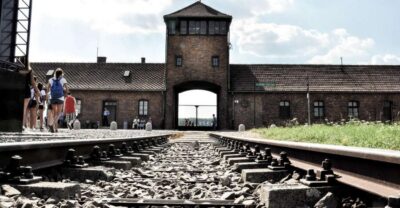
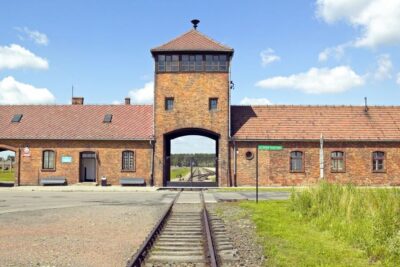
Birkenau (Auschwitz II) is usually the emotional gut punch. The scale is different. The spaces feel more exposed, and the suffering is shown through a mix of structures and traces that are difficult to even describe.
This tour’s format still keeps things structured and time-based. That can be a blessing if you’re overwhelmed, because a guide can help you understand what you’re looking at without you getting lost. It can also be frustrating if you feel rushed.
There are reviews that complain about compressed time at Birkenau, especially on days when the bus schedule is shared with other activities. Even if you don’t get a rushed schedule, remember this site is huge, and the time you have there can make or break how satisfying the day feels.
A practical way to handle Birkenau
Pick a single focus before you enter. For example, focus on how the camp layout relates to transport, housing, and control. Then give yourself permission to miss a few small details, because you are not there to collect facts like souvenirs.
If you’re traveling with anyone who needs slower walking or more pauses, let the leader know early. Even with a good guide, group pace can be a problem when you’re trying to see everything.
Guided vs self-guided: choose the pace that fits you
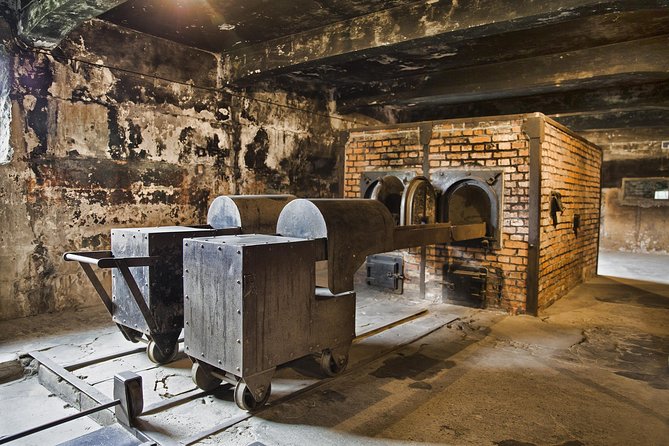
This tour can be booked with guided interpretation, or it can be self-guided depending on your selection. That difference is not just “more or less talking.” It changes how the day feels.
Guided tours help you keep context as you walk through cramped museum spaces. Guided tours also reduce the risk of missing key sections, because the guide will point out what matters and explain what you’re looking at. When guides were praised by name in feedback, the common thread was empathy and clarity under extreme conditions.
Self-guided can work if you want control and silence. You can pace it and stop to read at your speed. But it also means you should be more intentional with preparation, since the tour itself is still time-managed.
A quick decision rule
If you think you’ll be overwhelmed by the amount of information, go guided. If you prefer quiet and reading, go self-guided, but bring a guidebook or at least use the included e-book so you don’t feel lost.
Transport and group size: the real comfort factors
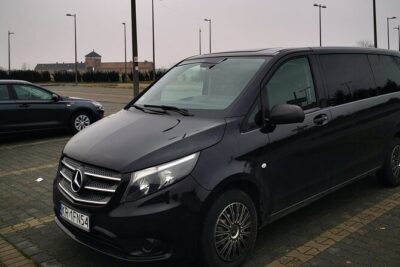
You ride in an air-conditioned vehicle, and the maximum group size is 20 travelers. That’s a sweet spot: small enough to feel manageable, not so large that it becomes a moving crowd everywhere.
That said, vehicle comfort depends on the day and vehicle type. Some reports describe smaller vans with limited room. If you’re sensitive to cramped seating or you have mobility needs, it’s worth reaching out before booking to confirm what vehicle you’ll use on your date.
The day is also structured around moving quickly from one site to the next. You should expect enough time to travel and regroup, but not enough time to “reset” emotionally between locations.
What to pack: the bag rule is strict
Auschwitz has a size limit for bags: 30 x 20 x 10 cm (about 12 x 8 x 4 inches). If your bag is bigger, you’ll need to use the luggage store at Auschwitz or leave belongings in the vehicle if the tour allows it.
This is one of those rules that can change your morning fast. If your bag is oversized and you didn’t plan, you might end up doing last-minute sorting while you’re already under time pressure.
Pack basics for a long day outdoors and inside memorial spaces:
- Warm layers for waiting, especially in winter
- A bottle of water (food and drinks are not included)
- Your ID details exactly as booked, since full names are mandatory
- A small bag within the limit to keep things smooth
Also, plan for the fact that bathrooms and lines can be part of your time budget. Some feedback mentions difficulties accessing amenities during delays. Eat before you go and keep your schedule realistic.
Timing reality: why your day can start earlier than expected
Auschwitz and Birkenau visits are subject to museum rules, and the start time may change. The tour strongly recommends reserving a full day, and it notes refunds are not accepted due to the time change. That’s not just fine print. It means you should not schedule another timed attraction right after.
Early departures are common, and some feedback describes pickup changes as late as the day before. Even when organization is good, the key is that this is a memorial with strict entry flow. You can be as prepared as possible and still face crowd movement and waiting.
My take: the visit itself is worth it. But you need to treat the logistics like part of the experience, not a detail you can ignore.
If you’re traveling with kids or students
The tour has specific ticket rules for children ages 3 to 12. The child ticket includes entrance, but it does not include receivers or headphones in Auschwitz. If you want your child to visit with a headset, the tour suggests booking Youth tickets.
Youth tickets discount is only available with a valid student ID card on the day of the tour. If you don’t bring the student ID, you may need to pay an extra adult ticket fee.
Also, there’s a note in feedback discouraging visits before age 14 due to the difficult nature of the material. If you’re bringing teens, it helps to talk with them about what you’re going to see beforehand, so the day doesn’t hit them all at once.
Value check: is $38 per person a smart deal?
For most budgets, this is one of the more affordable ways to get from Krakow to both Auschwitz and Birkenau in a single day. The value comes from included admission, the English e-book, and air-conditioned transport.
But value is also about how smoothly the day runs for you. The rating is mixed, and there are some serious complaints about pickup confusion and long waits in cold weather. There are also positive comments about guides and drivers being organized, informative, and emotionally supportive.
So here’s the balanced way to look at it:
- If you want included entry and a structure that gets you there, the price is strong.
- If you hate uncertainty, this may feel stressful on days when pickup location or timing changes.
- If you’re going in peak season, expect the memorial sites to be crowded, and plan to move with the group.
So, should you book this Auschwitz-Birkenau tour?
I’d book it if you fall into one of these categories:
- You want English support and admission handled.
- You prefer a planned schedule over self-navigating.
- You’re okay starting early and dressing for cold or rain.
- You appreciate a small group (max 20) with air-conditioned transport.
I would hesitate if:
- You need guaranteed hotel doorstep pickup and your hotel is far from the city center zone.
- You cannot handle waiting time outdoors.
- You strongly need a slower pace for reflection, because the itinerary can feel rushed when the day gets reorganized.
If you do book, set yourself up for success: confirm your exact pickup details, double-check that your bag fits the limit, and keep your expectations aligned with a memorial visit that runs on time and rules.
FAQ
How long is the Auschwitz-Birkenau tour from Krakow?
The tour lasts about 6 to 7 hours, and that includes travel time.
Is hotel pickup included, and what time does it start?
Pickup is included from hotels in Krakow’s city center. Pickup times are arranged between 6 am and 1 pm, but the approximate pickup time can be verified by contacting the provider. Pickup is arranged only from places with an available stop within about 2 km of the city center.
Is admission to Auschwitz and Birkenau included?
Yes. Admission ticket entry is included, and the tour is designed so you do not need to wait to purchase tickets.
Do I get anything in English?
Yes. You get an English e-book called The Stories of Auschwitz, personalized for each participant.
Are food and drinks included?
No. Food and drinks are not included.
What are the rules for bags and backpacks?
Bags and backpacks allowed on the museum grounds must be no larger than 30 x 20 x 10 cm. You can leave belongings inside the vehicle, or use the luggage store in Auschwitz.
Are there special ticket rules for children or students?
Yes. Children ages 3 to 12 include entrance ticket without receivers and headphones in Auschwitz. For headset access, the tour suggests booking Youth tickets. Youth student discounts require a valid student ID card on the day of the tour.
More Tours in Krakow

More Tour Reviews in Krakow
Not for you? Here's more nearby things to do in Krakow we have reviewed










More Auschwitz-Birkenau Memorial Tours to consider.
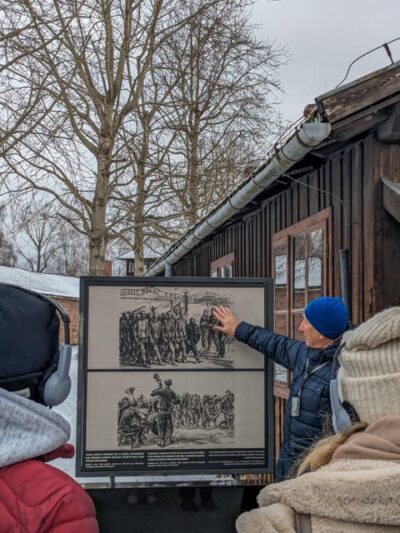 ★ 4.5From Krakow: Auschwitz-Birkenau Guided Tour & Hotel PickupFrom $2133,358 reviews
★ 4.5From Krakow: Auschwitz-Birkenau Guided Tour & Hotel PickupFrom $2129,340 reviews
★ 4.5From Krakow: Auschwitz-Birkenau Guided Tour & Hotel PickupFrom $2133,358 reviews
★ 4.5From Krakow: Auschwitz-Birkenau Guided Tour & Hotel PickupFrom $2129,340 reviews
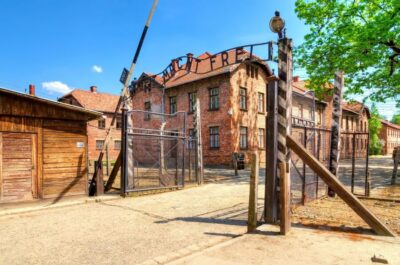 ★ 4.5Auschwitz Guided Tour with Optional Hotel PickupFrom $6915,280 reviews
 ★ 4.5Auschwitz-Birkenau Guided Tour with Pickup & LunchFrom $219,800 reviews
 ★ 4.5Auschwitz-Birkenau Guided Tour Pickup/Lunch OptionsFrom $2009,057 reviews
 ★ 4.7Auschwitz-Birkenau and Salt Mine Guided TourFrom $549,020 reviews
 ★ 5.0Krakow to Auschwitz Birkenau Guided Tour with Transfer and TicketFrom $368,197 reviews
 ★ 4.0From Krakow: Auschwitz Birkenau Tour with TransferFrom $216,134 reviews
Other ways to explore Krakow