
Review · CITY TOURS
City Pass with almost 40 Museums and Attractions
Krakow turns into your own museum crawl. The Krakow Museums and Transport Pass bundles free museum entry with unlimited city public transport, so you can hop between neighborhoods without thinking too hard. I especially liked the flexible 1 to 3 day activation (you decide which days to use it after you collect and validate the card), and I loved getting a real anchor like Schindler’s Factory on the same ticket. One downside to plan for, the card includes a lot of sites, so some stops are small or feel odd on a busy day, and bus navigation can feel confusing if you rush.
At $27.21 per person, this works best when you commit to a schedule you control. If you prefer guided tours with a fixed pace, this might feel too free-form. But if you want to build your own route and use trams to connect museums, it can be a strong value in Krakow.
Key things I’d plan around before you go
- Choose your activation days after you validate the card, so you’re not stuck using it right away
- Unlimited trams and buses help you link distant museums without extra tickets
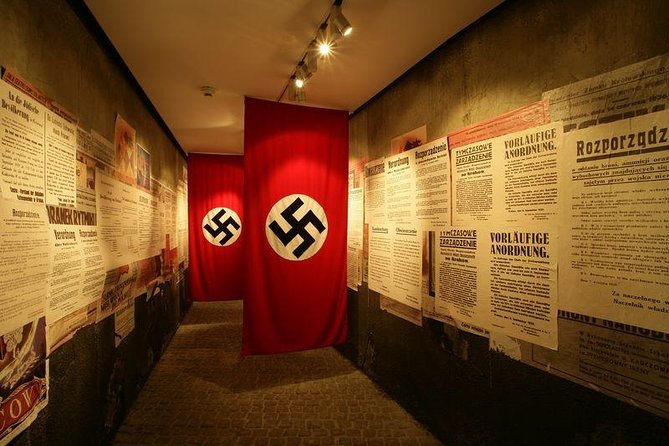
- Schindler’s Factory is a standout stop if you care about WWII memory in Krakow
- Rynek Underground needs an entrance booking before you visit, so plan that slot early
- Expect lots of short stops (many 30 to 60 minutes), which is great for variety but takes focus
How the Krakow Museums and Transport Pass actually works
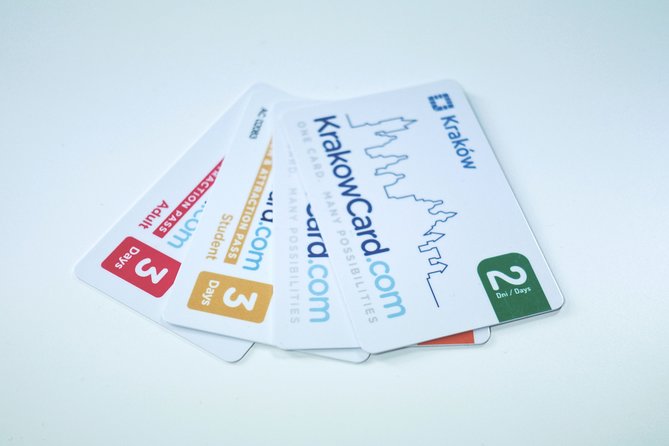
This pass is built around one practical idea: pay once, then use the card at the museum ticket office for free admission at sites included in the program. The card is valid for 1, 2, or 3 days, starting from the day of issuing the card, but you also get control over when you use it.
Here’s the part that matters most: you validate the card at the exchange, then you can choose the days. After you add your signature, the card is activated. Translation for your trip: you can collect the card, wait a bit, and then start when your Krakow rhythm is ready.
Transport is included too, but only with the CityPass. You get unlimited public transport on Krakow’s bus and tram network, which is huge for saving time between museums across town.
You can also read our reviews of more city tours in Krakow
Picking up your card at Krakville Tours on Sienna 17
You collect the KrakowCard at Krakville Tours, Sienna 17, open from 08:00 to 22:00 every day. That long window is helpful. If you arrive in the morning, you can still grab the card the same day. If your first plan runs long, you can wait and pick it up later.
Also, the activation flow is tied to exchanging and validating your card. So build in time the day you pick it up, even if it’s just 15 to 20 minutes. You want that done so your chosen museum days are ready to go.
Price and value: why $27.21 can make sense in Krakow
The pass costs $27.21 per person, and it’s commonly booked about a month in advance. That’s not surprising. You’re essentially buying access to a big bundle of museums and attractions, plus a transit pass.
Here’s the value test I use: does the pass match how you naturally travel? If you plan to visit multiple museum sites in a day, especially a mix spread across the city, the bundled admission plus unlimited trams and buses can reduce friction. You stop treating museums like separate purchases and start treating them like your day plan.
If you only want one or two museums, the value can shrink fast. And because the program lists a lot of stops, you’ll get the best results by picking a handful of “anchor” sites and filling the gaps with the shorter ones.
The real transport strategy: trams help, buses can trip you up
One theme from real use is clear: you can absolutely get around easily with the transit included, especially trams. The same people who loved moving around often said buses were the part that took longer to figure out.
So here’s how I’d set you up for success. First, give yourself a little patience with bus routes. If the city feels confusing, use that extra time to rely on tram connections and plan your museum clustering with transit in mind. When you group museums by area, you reduce the number of times you have to “solve” the transport puzzle.
And because the pass gives unlimited rides, you can afford to experiment. But don’t waste your best energy on getting lost.
Museum game plan: stack short visits with one longer anchor
A lot of the included sites are 30 to 60 minutes, which is great if you like variety. You can do one bigger museum, then add one or two smaller stops nearby. Many people also end up liking the flexibility because you can adjust on the fly when you find a room you want to linger in, or skip a stop that isn’t clicking.
Still, that flexibility can backfire if you try to cram too much. When you start feeling rushed, you’ll notice which museums feel “odd or small” compared with the ones that really land. The pass makes it easy to hop, but your time and energy are still limited.
If you do this right, the card becomes a tool for choice rather than a checklist.
You can also read our reviews of more museum experiences in Krakow


Old Krakow starts with archaeology and pharmacy history
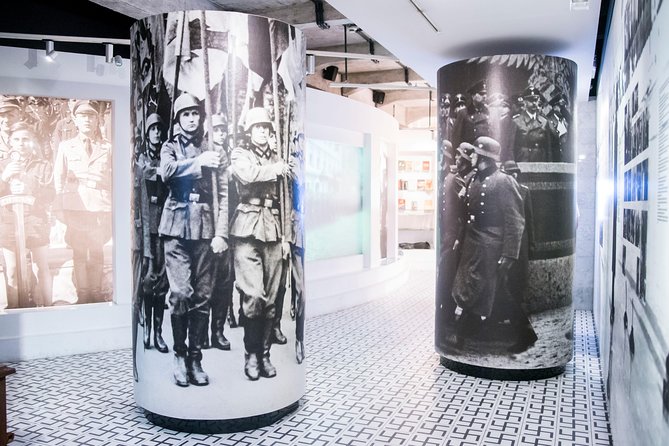
If you’re excited by layers of time, start with the sites that frame the city’s past.
- Archaeological Museum (about 1 hour): This is a straightforward entry point. You’ll get a base layer for how Krakow’s ground and artifacts tell the story.
- Eagle Pharmacy, Museum of Krakow (about 30 minutes): This one is quick, and it’s a nice way to break up longer museum stretches. Museums with a strong “place” feeling are often easier to remember later.
- Church of St. Adalbert appears twice in the included program, which is a gift if you love continuity. One visit is short (about 30 minutes), and another is longer because it links directly to an underground-style exhibition.
For the longer St. Adalbert experience, the church basement exhibition focuses on Main Square history, the church, and St. Adalbert. You can see traces of wooden and stone floors and Romanesque wall elements made from broken stones and lime cubes. That kind of physical detail is exactly why this stop earns time.
- Cricoteka, Centre for Documentation of the Art of Tadeusz Kantor (about 30 minutes): This is compact. If you’re into theater and modern art context, it’s an efficient cultural stop that doesn’t steal your whole day.
Museums of people: ethnography, Jewish heritage, and resistance memory
Krakow isn’t only medieval stone. It’s people, identity, and survival stories.
- Ethnographic Museum (about 1 hour): Ethnography helps you widen your view beyond the city’s famous landmarks. It’s a calmer option between intense WWII-related sites.
- Galicia Jewish Museum (about 1 hour): If you want to understand Jewish Krakow in a focused way, this is one of the most direct stops on the list.
- Muzeum Krakowa, Stara Synagoga (about 1 hour): The old synagogue format tends to create a strong sense of place. Pairing it with the Galicia Jewish Museum can make your understanding feel more connected, instead of separated into “random museum rooms.”
- Home Army Museum (Muzeum Armii Krajowej) (about 1 hour): This is where your day shifts toward Polish resistance history. It’s a meaningful counterweight to art museums, and it fits well if you want an emotionally serious anchor.
If your travel style includes both reflection and variety, this cluster is a good use of your museum energy. Just don’t schedule these back-to-back with something light and expect your brain to switch instantly. Give yourself short breaks.
Schindler’s Factory as a must-book anchor for many days
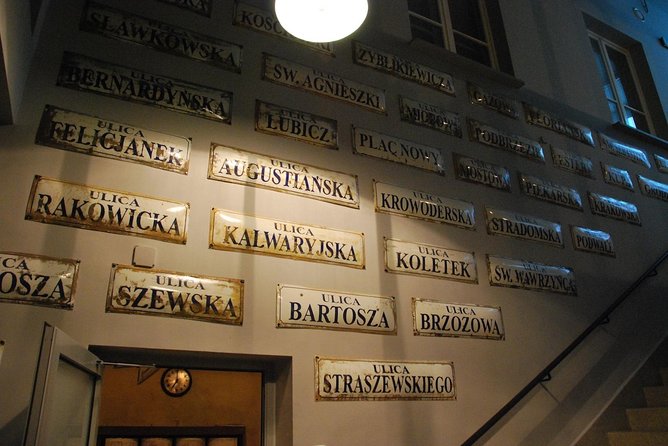
The biggest “wow” factor people call out is Fabryka Emalia Oskara Schindlera, also known as Schindler’s Factory Museum. It’s listed as about 2 hours, which tells you to treat it like a main course, not a side dish.
One review experience singled it out as moving, and that matches how visitors often describe WWII memory sites in general. If you want one museum that justifies a big chunk of your Krakow pass, this is the one.
Practical tip: if you do Schindler’s Factory on a day when you also want many other museums, choose fewer. Let it set the tone. Then add one or two lighter stops afterward.
Art houses and museum rooms: Matejko, Mehoffer, and modern creators
Krakow does artists like it means it. This pass includes several artist-linked houses and art-focused museums.
- House of Jan Matejko (Krakow National Museum) (about 30 minutes)
- Jozef Mehoffer House (Krakow National Museum) (about 30 minutes)
These are short, which is ideal if you like your art in a personal setting. Houses can feel intimate because you’re seeing art history through daily life, not just framed objects.
For contemporary art:
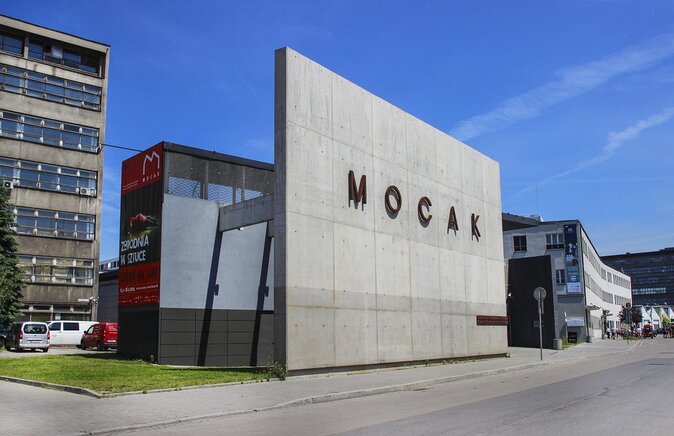
- MOCAK, Museum of Contemporary Art in Krakow (about 2 hours): This is your longer stop in the modern art lane. If you’re curious about how contemporary artists respond to identity and history, plan more time here rather than squeezing it into the last hour of your day.
If photography is your thing:
- Muzeum Fotografii w Krakowie (MuFo Jozefitow) (about 1 hour): A focused hour can make it easier to remember what you saw. It also works as a change of pace between bigger history museums and decorative buildings.
And if you want poster-child-style Polish art framing:
- Museum Gallery of the 19th Century Polish Art (listed at about 1 hour and also again at about 1 hour 30 minutes): It’s clearly important enough to be in the program twice. Either way, it’s the kind of stop that rewards steady attention rather than rushing through.
For an art-meets-legacy stop:
- Wyspianski Museum, Szolayski Tenement House (about 30 minutes): A tenement house format can feel different from a traditional museum. It’s a quick way to connect art to architecture and everyday space.
- Rydlowka, Rydel’s Museum of Polish Modernism (about 30 minutes)
- Hutten-Czapski Museum (about 30 minutes)
These shorter art and design-linked stops are great for breaking up the day. They also reduce decision fatigue because you can treat each one as a “taste,” then return to your schedule.
Photography plus design science: MuFo, aviation, and geology
This pass isn’t only museums of art and war. It includes science and technology stops too.
- Polish Aviation Museum (about 1 hour): Perfect if you want something factual and different from painting and memorial rooms.
- Geological Museum of the Polish Academy of Sciences (about 30 minutes): It points to the history of the academy’s mining and metallurgy. If you like industry and how knowledge connects to place, this is a clever slot.
- Europeum, The European Culture Centre (National Museum in Krakow) (about 2 hours): A longer stop that can act as your “bridge” between heavy history and lighter sightseeing. The pass gives you enough time to treat it seriously.
If you’re traveling with a mixed group, these are the stops that help everyone feel like the day includes something they care about.
Historic fortifications and tower views you can fit quickly
Krakow’s medieval cityscape is part museum, part city theater. This pass includes several stops that connect you to defenses and historic civic spaces.
- Barbican, Museum of Krakow (about 1 hour): A classic fortification-style stop. Expect a sense of what the city was meant to defend.
- Museum of Krakow Town Hall Tower (about 1 hour): Civic architecture stories tend to pair nicely with your walk around Krakow’s core.
- City Defence Walls Krakow, Ramparts (Muzeum Krakowa – Mury Obronne) (about 30 minutes): Quick and direct. This is the type of stop you can add when you have the energy for a short outdoor-history moment.
If you like viewpoints and landmarks:
- Kosciuszko’s Mound (Kopiec Kosciuszki) (about 30 minutes): A short visit that can help you end a day with a perspective shift. Even if you do it late, the time commitment is manageable.
Palaces, churches, and the art of “slow walking”
A pass full of museums also gives you a reason to slow down and enjoy the buildings.
- The Archdiocesan Museum (about 1 hour): A church-world museum is often calmer and more object-focused.
- The Bishop Erazm Ciolek Palace (National Museum in Krakow) (about 1 hour): Palace museums tend to feel grand but can still be efficient at an hour.
- Kamienica Hipolitow (Museum Krakowa) (about 1 hour): Townhouses can be excellent for architectural detail lovers.
- Palac Krzysztofory (about 1 hour): Another palace stop that’s likely to feel like a change of scenery from the more overtly “museum-looking” spaces.
These are great if you like the experience of place. Just remember: you’re stacking interiors, so plan breaks between them.
Underground Krakow and Rynek Underground’s special booking note
Underground experiences are where Krakow can feel most cinematic, and this pass includes two related themes.
- Rynek Underground (about 2 hours): You need to make sure you book an entrance before visiting. This is important. If you arrive without that sorted, you might lose time and end up unable to use the card.
- MuFeaum Krakowa – Celestat (about 30 minutes): Included as a separate stop, so it can help round out your underground-or-science interests without requiring a long block of time.
- Podziemna Nowa Huta (Nowa Huta District Branice) (about 1 hour): Another underground-themed inclusion with a Cold War and socialism angle in the broader Nowa Huta story.
If you love “Krakow under Krakow,” book your Rynek slot first, then build the rest of your day around it.
Nowa Huta’s Cold War and the “other Krakow”
Krakow has more than one face. The inclusion of Nowa Huta is a big reason this pass feels more than just sightseeing.
- Nowa Huta Museum (Muzeum Nowej Huty) (about 1 hour 30 minutes): It’s in the historic building of the former Światowid cinema. The exhibition connects Nowa Huta as a local place with the Cold War and socialism experience.
- Podziemna Nowa Huta (about 1 hour): An exhibition in the Branice exhibition area. It’s a strong partner to the Nowa Huta museum if you want a coherent story of how ideology showed up in daily life and space.
This cluster takes more attention, but it’s also where the pass can feel like real discovery rather than only repeat city landmarks.
City memory, modern technology, and short attractions
Some included items are short attractions that keep your day from feeling like pure museum fatigue.
- Legends of Cracow (Legendy Krakowa) (about 20 minutes): A robotic show that presents city legends like the Wawel Dragon, Kinga and the salt mine in Wieliczka, the Mariacki towers, the yellow boot, and the Sigismund Bell. Even in a short time, it gives you story anchors you can connect later while walking around town.
- Museum Krakowa – Pomorska Street (Former Nazi Prison during II WW) (about 1 hour): This is a serious wartime memory site. Plan it when you have enough mental space to process the context.
These are your “tempo tools.” Do them when you need a change of pace, not when you’re already exhausted.
Duplicates and repeated names, use them wisely
You’ll notice some sites appear more than once in the included program, especially Church of St. Adalbert and Museum Gallery of the 19th Century Polish Art. In practice, this can be helpful. It suggests the experience may have multiple parts or time slots, or simply that the attraction is flexible enough to fit into different day plans.
My advice: treat each as a separate decision point. If you already did something related and you have limited time, skip the second entry. If you want a deeper version, choose the longer time option and keep the rest of your day lighter.
How many stops can you realistically do in 1 to 3 days?
Because most sites are 30 to 60 minutes and some are about 2 hours, you can build a day that feels full but not frantic.
For 1 day, I’d plan for one 2-hour anchor (like MOCAK or Rynek Underground if you already booked it) and then 4 to 6 shorter stops. Use trams and buses to link clusters, not to cross the city constantly.
For 2 days, you can add a second bigger museum and still keep breathing room. A nice rhythm is one serious history day (Schindler’s Factory plus a resistance or Jewish heritage stop) and one art and architecture day (artist houses plus MOCAK or the 19th century art gallery).
For 3 days, you have the freedom to go slower. This is when the smaller museum houses and palace interiors shine, because you’re not trying to conquer everything. You can also fit Nowa Huta and Underground experiences without feeling like you’re racing the clock.
Should you book the Krakow Museums and Transport Pass?
I’d book it if you want control and you like the idea of free entry to a long list of museums and attractions. The best reason is the combination of admission access plus unlimited bus and tram rides, which makes it easier to move between very different kinds of stops without paying for transit repeatedly.
I’d be cautious if you hate planning. There’s a lot to choose from, and at least one key site, Rynek Underground, requires you to book your entrance before you go. If you show up with no plan, it’s easy to end up with a day of mismatched museums that feel small or odd instead of satisfying.
Families might also find it flexible. One buyer said they didn’t need a separate card for a 3-year-old because the child had free access to the included places. I can’t guarantee that for every situation, but it’s a helpful sign that young kids may not always require a full extra purchase.
If your trip is short and you want museum value without paying admission line by line, this pass is a strong candidate. It just rewards travelers who pick a theme or two and then let the shorter stops fill the gaps.
FAQ
What is included with the Krakow Museums and Transport Pass?
The pass includes entrance tickets to all listed museums and attractions, plus a public transport pass.
Does the pass include public transport?
Yes. It includes unlimited access to Krakow’s public transport, but it is listed as only with the CityPass.
How long is the pass valid once issued?
It is valid for 1, 2, or 3 days starting from the day of issuing the card.
Do I choose the days I use the card?
Yes. After you collect and validate the card at the time of exchanging it, you can choose when to use it. After a signature, it is activated.
Where do I collect the card?
You can collect the KrakowCard from Krakville Tours at Sienna 17. It is open every day from 08:00 to 22:00.
Is Rynek Underground included, and do I need to book anything?
Rynek Underground is included, but you need to make sure to book an entrance before visiting.
What does the pass not include?
Food and drinks are not included, and there is no hotel pickup or drop-off.
How much does it cost?
The price listed is $27.21 per person.
Is free cancellation available?
Yes, free cancellation is available up to 24 hours in advance for a full refund. Confirmation is received at the time of booking.
More Museum Experiences in Krakow
More City Tours in Krakow
More Tour Reviews in Krakow

Not for you? Here's more nearby things to do in Krakow we have reviewed






More City Tours to consider.
 ★ 4.5City Sightseeing Tour by Electric Golf CartFrom $133,264 reviews
 ★ 4.7City Sightseeing Tour Eco Electric Buggy Golf CartFrom $133,143 reviews
 ★ 4.7Creepy Krakow: 2-Hour City Walking TourFrom $241,131 reviews
 ★ 4.7Extended City Sightseeing Tour – Eco Buggy Golf CartFrom $13794 reviews
 ★ 4.1City Pass With TransportFrom $35575 reviews
 ★ 5.0Guided City Tour by Golf Buggy (with hotel pickup)From $53426 reviews
 ★ 4.5Private Departure Transfer: Krakow City To Krakow Airport BaliceFrom $53367 reviews
 ★ 5.0Krakow Grand City Tour by golf cart – All 3 districtsFrom $27311 reviews
Other ways to explore Krakow