
Review · AUSCHWITZ-BIRKENAU MEMORIAL TOURS
Exclusive Small Group Auschwitz-Birkenau Guided Tour from Krakow
This day trip is heavy, but it is well run. You get skip-the-line entry and a true small-group setup that helps you hear the guide and stay with your group as the sites unfold. I also like that the plan is built around expert educators and museum-style interpretation, not just a checklist of stops.
The main thing to think about is practical and very real: the memorial sites enforce a dress code (no shorts or sleeveless tops) and you’ll also need valid ID or a passport for entry. If you show up unprepared, you can ruin the whole start of the day.
Key things that make this Auschwitz-Birkenau tour work
- Small-group pacing with a maximum group size of 20, often limited to 12 participants, and headsets for groups of 10 or more
- Licensed guided time on site (up to about 3.5 hours), split across Auschwitz I and Birkenau
- Fast access with prepaid skip-the-line tickets so you spend less time waiting and more time learning
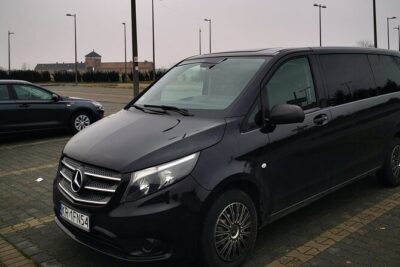
- Comfort-focused transport in an air-conditioned van or minibus, with pickup points near Old Town or at your hotel if possible
- Built-in recovery moments like a packed lunch, short breaks of no more than 10 minutes, and up to 30 minutes extra free time
- Museum-ready entry rules including required dress code and mandatory name details for personalized tickets
A long day with a clear focus: Krakow to Auschwitz without the chaos
Auschwitz and Birkenau are not the kind of places where you want a rushed, chaotic experience. What I like about this tour is that it treats the day like a program, not a scramble. The plan centers on one group, one guide approach, and museum-style context, while still giving you some breathing space when you need it.
You are also not doing this as a DIY day trip. Round-trip transport from Krakow matters here, because the logistics alone can eat your energy. The tour uses an air-conditioned van or minibus, and the pickup is organized around designated meeting points near Krakow’s Old Town, or your hotel when possible.
The other benefit is time discipline. A day like this can easily balloon, but here you are looking at about 7 hours 30 minutes total. That means you will be back in Krakow by the end, rather than turning Auschwitz into a full, exhausting overnight operation.
You can also read our reviews of more guided tours in Krakow
Pickup in Krakow: how to set yourself up for a smooth morning
Your day starts in Krakow, usually in the Old Town area, where you meet your guide and small group before heading out. Pickup is arranged from points near the center, and if your hotel pickup is possible, you’ll get details tied to your booking.
A couple of practical notes help your morning go better:
- Plan to be early at the meeting point. Even small delays matter when you are aiming for efficient entry.
- Keep warm layers ready. You go in all weather conditions, so a light jacket plus something warmer for the ride is smart.
- Bring your documents. The tour requires valid ID or a passport for entry at Auschwitz.
This isn’t a “wander then figure it out” kind of trip. The whole point of skip-the-line access is that the morning is structured, and you’ll get the best experience when you match that structure.
Skip-the-line entry and Auschwitz I: the story starts at the gate
Once you arrive, the big win is that you use prepaid skip-the-line tickets to go in without the usual waiting. That matters more than it sounds. At Auschwitz, the first moments set the tone, and arriving efficiently helps your brain settle into what you are seeing.
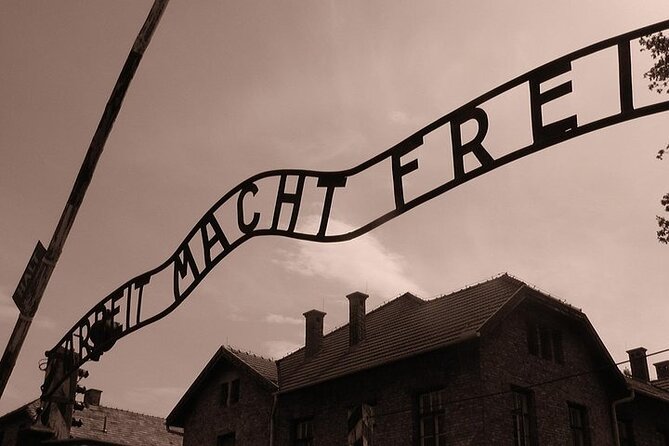
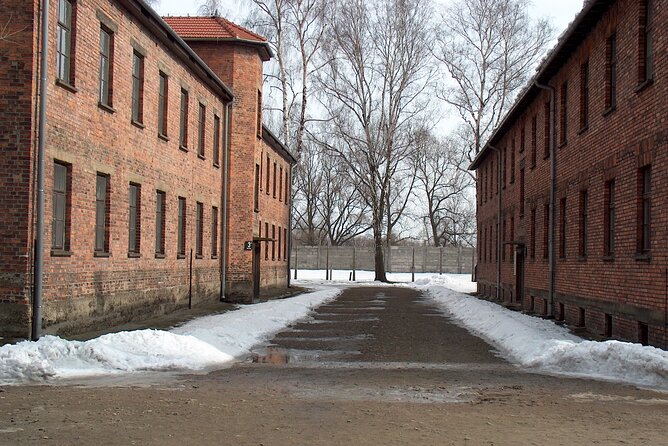
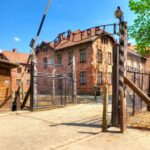
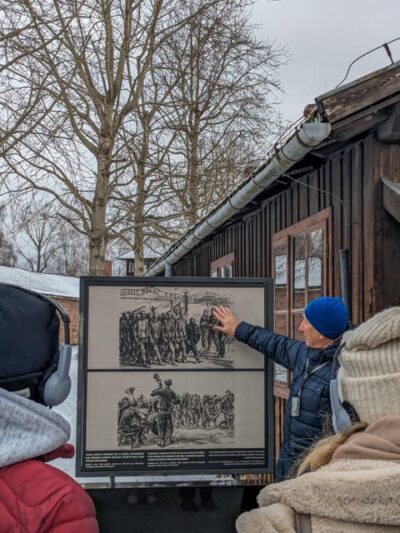
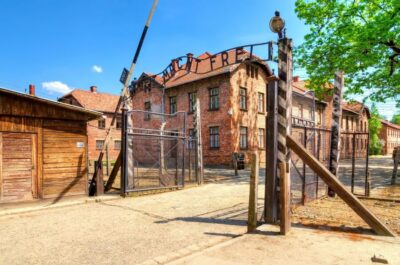
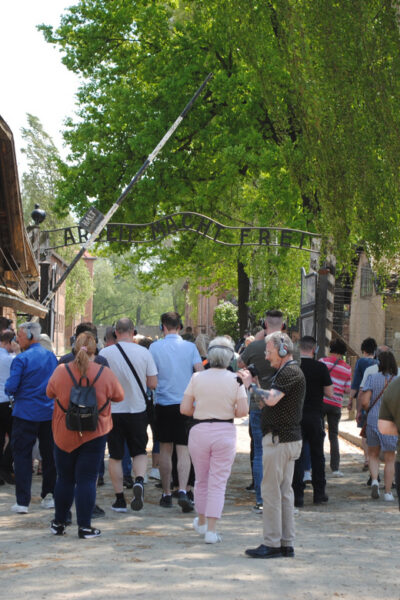
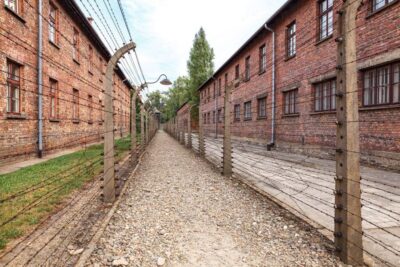
From the main entrance, you pass beneath the infamous sign. Then the guided portion focuses on Auschwitz I buildings and key locations that explain how the camp functioned. You’ll see original wooden barracks, a bathhouse, and a watchtower, and the tour connects those structures to what prisoners faced day after day.
The guide also brings in the broader story: how this camp became one of the Nazi regime’s most notorious sites, and how WWII-era life in Poland shaped the region’s people and their choices. This is where a skilled educator earns their keep, because you’re not just looking at objects. You are learning the logic of the system, and what those places meant in real time.
Inside, you also visit elements tied to the camp’s machinery of death, including the crematorium and gas chamber sites, and you’ll hear about the Death Wall. Expect the guide to pace the emotional load. You are not expected to “speed through” this part, and the experience is designed for structured listening rather than free roaming.
What I’d watch for during the Auschwitz I segment
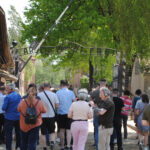
Sound and group size can affect your ability to hear. This tour includes headsets for groups of 10 or more, which helps a lot. Still, if multiple tour groups are moving at the same time, keep close to your guide and use your headset fully. You’ll get more out of every minute.
Birkenau in about 80 minutes: scale, cruelty, and why this place feels different
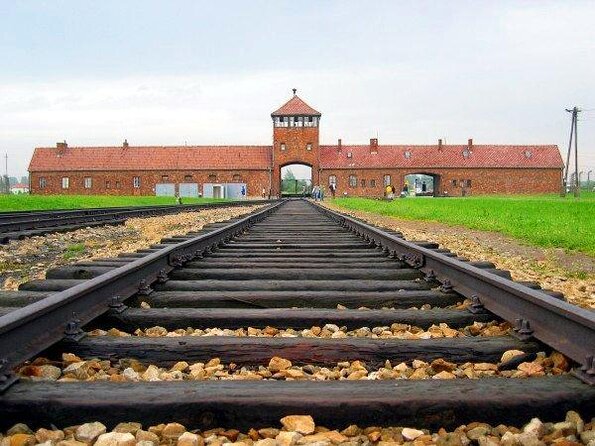
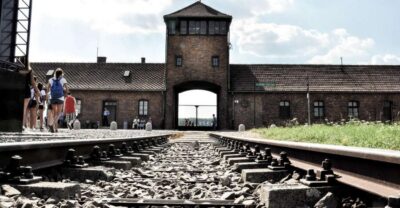
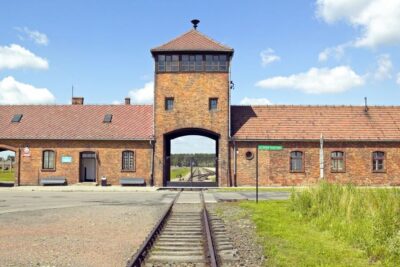
After Auschwitz I, you transfer to Birkenau for the second camp. Birkenau is where the scale hits you, because it was designed for mass processing, and the site layout makes that hard to miss.
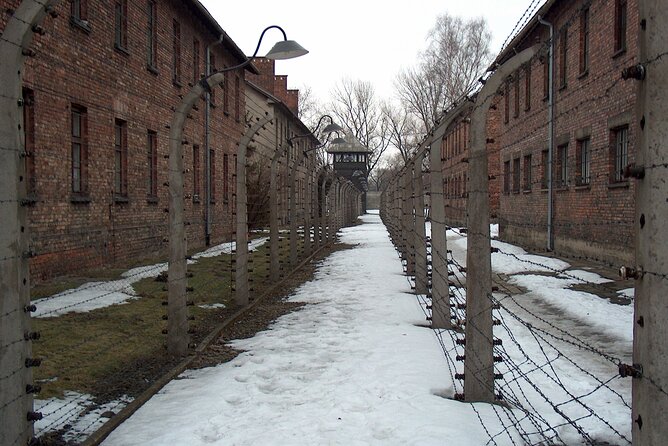
In this portion, you’ll spend around 1 hour 20 minutes on guided focus. The key sights typically include original barracks, unloading ramps, and watchtowers. This is also where the tour addresses the “mass extermination” machinery of the camp, and ties the landscape to the operations carried out there.
Birkenau tends to feel more open and exposed than Auschwitz I, which can change your experience depending on the weather. The tour runs in all weather conditions, so dress for comfort and visibility, not just style. If it is cold, your hands will thank you for gloves. If it is sunny, bring sun protection, because you may spend time outside.
The guide’s job here is to help you keep the overview. With Birkenau, it is easy to get lost in seeing everything at once. A good guide keeps you oriented, explains what you are looking at, and gives meaning to the spacing and structure.

The on-site museum and what you take home from the displays
Auschwitz also includes an on-site museum component, and this tour includes time there as part of the guided experience. You’ll look at photographs, documents, and personal items belonging to prisoners. That combination is important because it shifts you from infrastructure to human stories.
What I like about including the museum as a stop is that it turns your visit into more than a landscape of buildings. You get artifacts that help explain the broader system, and you also see the evidence left behind through records and objects.
If you tend to read slowly, use the guided time to understand what you are seeing first. Then, use any available short personal moments to reflect. The tour also builds in a small amount of extra free time, up to about 30 minutes, which can be a good window to step away briefly or look for a bookstore item that helps you keep learning after you leave.
Lunch, breaks, and the small timing rules that matter
This tour includes a packed lunch, which is a smart inclusion for a day with long travel and emotional intensity. You do not want to hunt for food while your mind is trying to process everything you’ve seen.
Break timing is also set. Breaks during the day are no longer than 10 minutes, so you should plan to use those windows for quick needs only. Think bathroom, quick water sip, and back to your group.
There is also the extra free time up to 30 minutes, connected to parking fees. This is the moment you can use for reflection or a bookstore visit. It helps to treat this time as optional, not as a chance to “fit in” extra activities. If you try to squeeze too much in, the rest of the tour can feel pressured.
The price of $168.10: what makes it feel fair (or not)
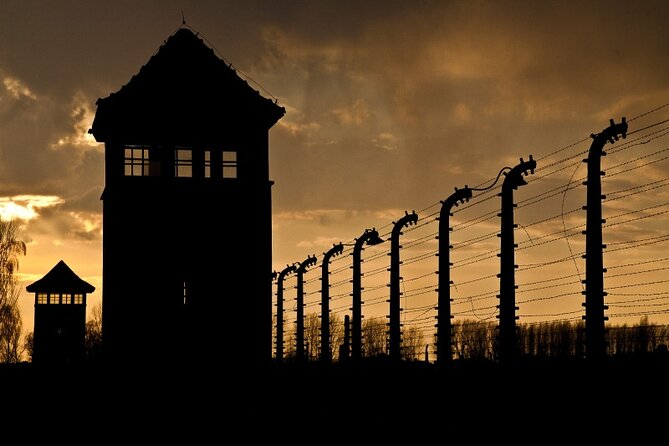
At $168.10 per person, you are paying for more than a bus ride. This price covers prepaid tickets and a licensed guided tour of both camps, with guided time on site up to about 3.5 hours. It also includes round-trip shared transfer by an air-conditioned van or minibus, plus headsets for groups of 10 or more.
From a value angle, the math usually comes down to three things:
- You do get skip-the-line access, which is a real time saver.
- You’re paying for interpretation, not just entry, and Auschwitz requires context.
- Transport and lunch are included, which removes the “hidden costs” of DIY.
If you can secure a truly small group experience, the price becomes easier to justify. If you end up in a larger vehicle than expected, the personal feel can drop, and then you’ll want to rely on your headset and your position near the guide to get the best sound.
Group size expectations: small group, but stay mentally flexible
The tour is positioned as an exclusive small-group experience. It is often limited to around 12 participants, and the maximum is 20. That size range is workable for hearing your educator and keeping the group together.
Still, day-of operations can vary, especially when multiple tours run simultaneously. Even with good organization, it is possible to hear less clearly at certain points if groups crowd the same spaces. Headsets help, but your best strategy is to move with your guide and avoid drifting backward.
If you’re the type who wants a very quiet, very personal experience, you may want to book as early as you can and aim for the time that gets you in efficiently. The tour is scheduled as a full morning to early afternoon style day trip, so getting on the site quickly tends to help the flow.
Who should book this Auschwitz-Birkenau day trip
This tour fits best if you want:
- A structured, guide-led experience through both camps
- Museum-style interpretation using photographs, documents, and personal items
- Skip-the-line entry plus comfortable round-trip transport
It also has a moderate physical fitness requirement. Some areas involve walking on site paths, and you are outside part of the time, so comfortable shoes matter.
It is not recommended for children under age 14, and children must be accompanied by an adult. If you are traveling with younger kids, you should think carefully about whether this subject and setting match your child’s age and emotional readiness.
Dress code and ID rules: don’t let admin ruin the day
This is one of those travel details that is not optional. You need valid ID or a passport for museum entry. Also, there is a dress code requirement: no shorts and no sleeveless tops. If you arrive dressed too casually, you risk being refused entry.
Bring a jacket even if Krakow looks mild. You will spend time walking and standing. The tour runs in all weather conditions, so dressing in layers is the easiest way to stay comfortable without overpacking.
And when booking, you must provide your name and surname exactly for personalized tickets. Double-check spelling so you do not run into avoidable friction at entry.
Should you book this Auschwitz-Birkenau guided tour from Krakow?
If you want a day trip that is heavy in content but light in logistics, I think this is a strong option. It includes the big essentials: licensed guided time, skip-the-line tickets, transfer, headsets, and a packed lunch. The structure matters here because it helps you focus on meaning instead of handling details.
Book it if you:
- Care about a guided explanation across both Auschwitz I and Birkenau
- Want skip-the-line efficiency and transportation handled for you
- Can follow the dress code and have your ID ready
Skip it or reconsider if you are looking for maximum silence and a perfectly small group at every moment, because conditions on the day can create crowding and sound issues in shared spaces. Also, if you are not comfortable with the topic emotionally, or you are bringing kids under 14, this may not be the right fit.
FAQ
How long is the Auschwitz-Birkenau guided tour from Krakow?
It lasts about 7 hours 30 minutes.
What is the price per person?
The price is $168.10 per person.
Is admission and a guided tour included?
Yes. Admission tickets and a licensed guided tour of both Auschwitz and Birkenau are included, with guided time on site lasting up to about 3.5 hours.
Does the tour include skip-the-line entry?
Yes. You get prepaid skip-the-line tickets to enter without waiting in long lines.
What language is the tour in?
The tour is offered in English.
How many people are in the group?
The tour has a maximum of 20 travelers, and it is usually limited to about 12 participants.
Is transportation included?
Yes. You get round-trip shared transfer by an air-conditioned van or minibus, with pickup from designated meeting points near Old Town or from your hotel if possible.
Is lunch included, and how long are breaks?
A delicious packed lunch is included. Breaks during the tour are no longer than 10 minutes, with up to 30 minutes of additional free time during the tour.
What are the dress code and ID requirements?
You need valid ID or a passport. There is also a dress code: no shorts or sleeveless tops. If you do not meet it, you may be refused entry.
Can I bring children?
Children must be accompanied by an adult, and the tour is not recommended for children under age 14.
What is the cancellation policy?
This experience is non-refundable and cannot be changed for any reason.
More Guided Tours in Krakow
More Tours in Krakow
More Tour Reviews in Krakow
Not for you? Here's more nearby things to do in Krakow we have reviewed




More Auschwitz-Birkenau Memorial Tours to consider.
 ★ 4.5From Krakow: Auschwitz-Birkenau Guided Tour & Hotel PickupFrom $2133,358 reviews
★ 4.5From Krakow: Auschwitz-Birkenau Guided Tour & Hotel PickupFrom $2129,340 reviews
★ 4.5From Krakow: Auschwitz-Birkenau Guided Tour & Hotel PickupFrom $2133,358 reviews
★ 4.5From Krakow: Auschwitz-Birkenau Guided Tour & Hotel PickupFrom $2129,340 reviews
 ★ 4.5Auschwitz Guided Tour with Optional Hotel PickupFrom $6915,280 reviews
 ★ 4.5Auschwitz-Birkenau Guided Tour with Pickup & LunchFrom $219,800 reviews
 ★ 4.5Auschwitz-Birkenau Guided Tour Pickup/Lunch OptionsFrom $2009,057 reviews
 ★ 4.7Auschwitz-Birkenau and Salt Mine Guided TourFrom $549,020 reviews
 ★ 5.0Krakow to Auschwitz Birkenau Guided Tour with Transfer and TicketFrom $368,197 reviews
 ★ 4.0From Krakow: Auschwitz Birkenau Tour with TransferFrom $216,134 reviews
Other ways to explore Krakow