
Review · AUSCHWITZ-BIRKENAU MEMORIAL TOURS
From Krakow: Auschwitz-Birkenau Tour
Auschwitz is heavy, but the structure helps. This Auschwitz-Birkenau tour from Krakow is built around two focused visits, Auschwitz I and Auschwitz II-Birkenau, with guided context and easy transport included. I like how it gives you a clear route through the museum, so you are not wandering with questions you cannot answer. The other big plus is the live guide options (English plus several other languages), which is key for understanding what you are seeing. One consideration is pacing: it can feel brisk, and practical stops like toilets can be tight if lines build up.
You are also dealing with real-world museum rules, not just sightseeing. You will need your passport or ID, and the name you book has to match the name on your document at entry. Also, the museum limits bag size (30x20x10 cm), so you should travel light or plan to use lockers.
Key things that make this Auschwitz tour work
- Two sites, one coherent story: Auschwitz I plus Auschwitz II-Birkenau, so you see both administrative history and the larger camp reality.
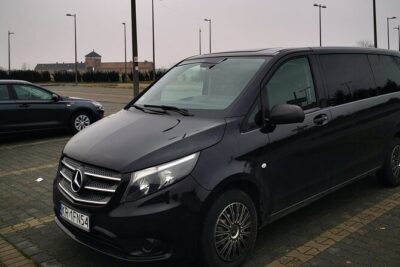
- Transport from Krakow is included: fewer logistics headaches on a long day.
- Skip the ticket line: you spend more time in the memorial space and less time waiting outdoors.
- A live guide, not an audio script: you get explanations in the supported languages (Dutch, English, French, Italian).
- Museum entry requires exact name match: bring the right ID, and double-check spelling during booking.
- You must travel light: bags have a strict size limit, and big bags cannot go into the exhibits.
From Krakow to Auschwitz in 7 hours: what the day feels like
Auschwitz-Birkenau sits about 60 km west of Krakow, near the small town of Oświęcim. This tour plans a full half-day format, listed at 7 hours, which usually means a steady start, a long drive segment, and two guided museum blocks.
I like this format because Auschwitz is not a place where “winging it” is helpful. The guided approach helps you process what you see. You are also not just viewing isolated buildings, you are moving between the preserved parts of the complex and learning the historical purpose behind what remains.
The main tradeoff with a 7-hour day is time pressure. When you have both Auschwitz I and Auschwitz II-Birkenau on the schedule, the pace may feel fast, and there can be moments where you want a little more time at a specific site. If you know you like to read every sign slowly, plan to accept that you might have to skim some panels and rely on the guide’s framing to catch the meaning.
You can also read our reviews of more tours and experiences in Krakow.
Entering Auschwitz I: the camp that sets the context
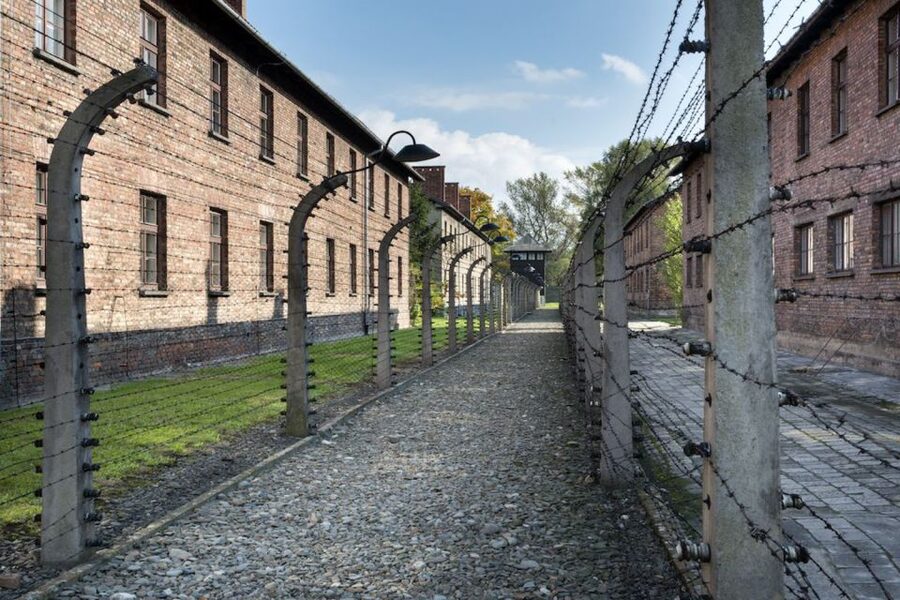
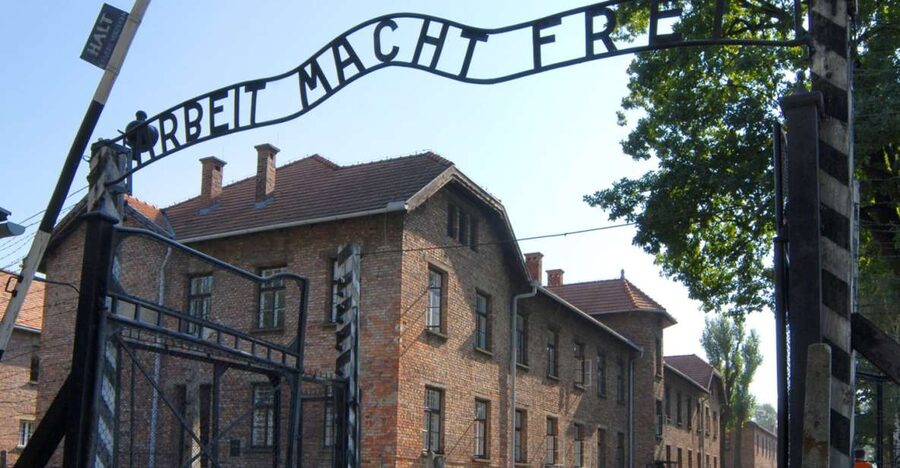
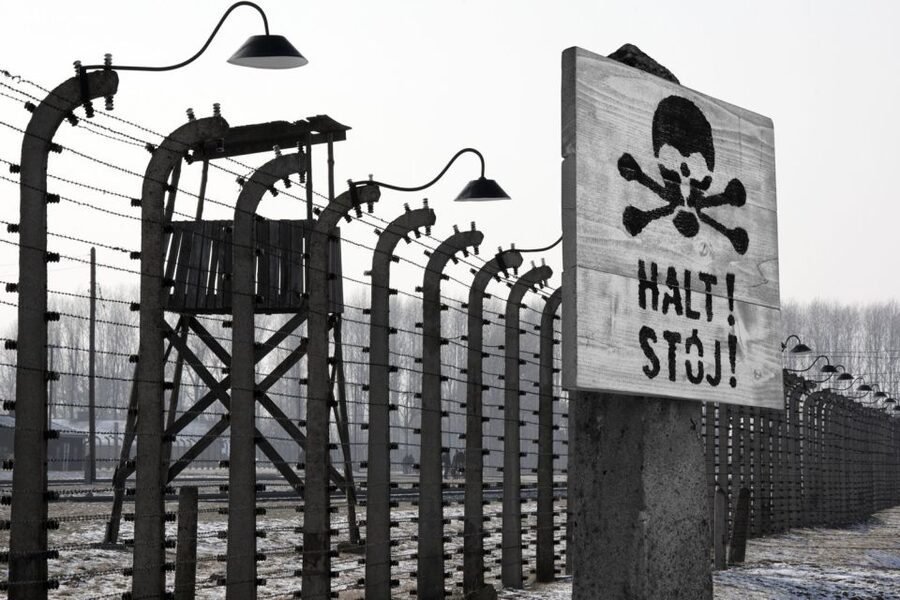
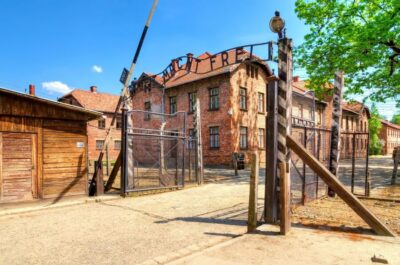
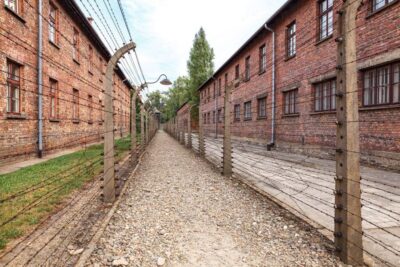
Auschwitz I is where the story starts to click into place. This is part of the preserved complex that remains intact as a reminder of crimes committed against humanity. You are not visiting a “recreated” experience. The museum includes authentic preserved objects and structures that help you understand how the camp system worked.
Even before you get into the specifics, the overall atmosphere carries information. Auschwitz I is typically the part of the visit that helps you understand the machinery of totalitarian oppression and why this site became a central symbol of terror.
You should expect the guide to explain key elements while you walk. That matters here because the memorial includes a lot of details, and it is easy to miss the point if you are only reading headlines in your own head. A good guide keeps you oriented: what you are looking at, why it matters, and how it connects to the wider history.
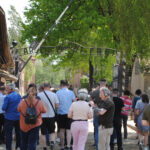
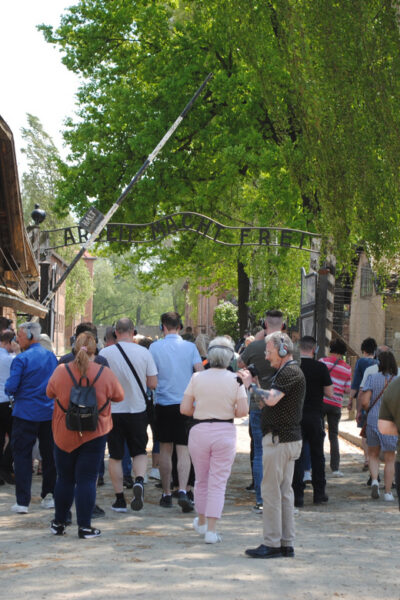
One more practical note: there is a lot to stand and walk through. Build in patience for crowds during peak entry moments, even with skip-the-line ticketing.
Auschwitz II-Birkenau: scale, preserved ruins, and what stays with you
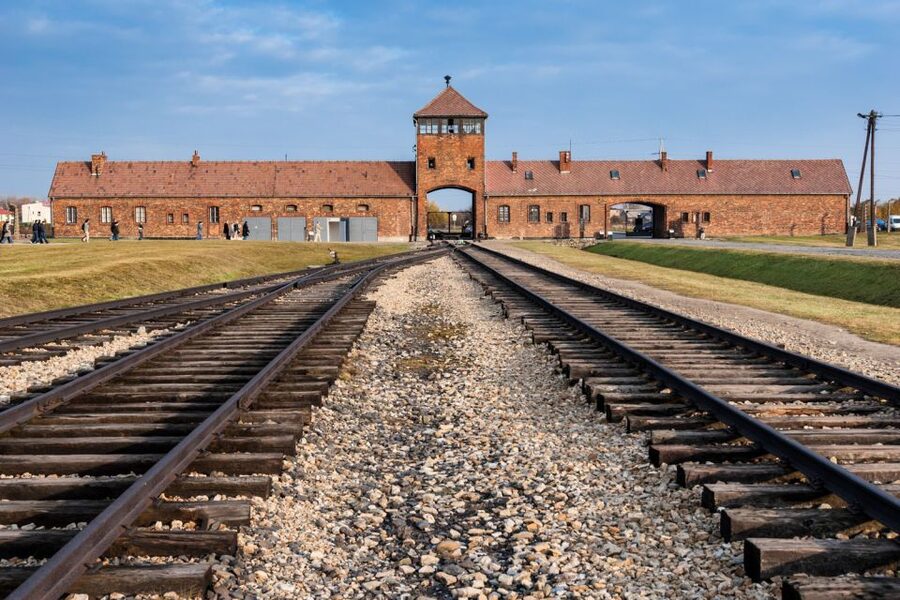
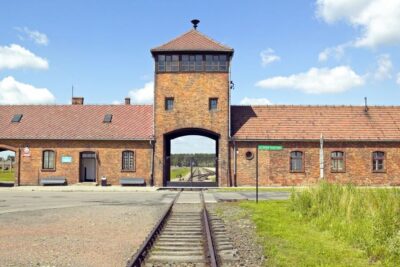
If Auschwitz I gives you structure, Auschwitz II-Birkenau gives you scale. This is the larger camp area within the complex, and it is where the museum’s preserved elements are especially stark.
Auschwitz-Birkenau is described as the largest German concentration camp, where more than 1.5 million prisoners were tortured and murdered during the Second World War. That number is hard to hold in your head, and you will feel that heaviness in a physical way when you see the preserved space and ruins.
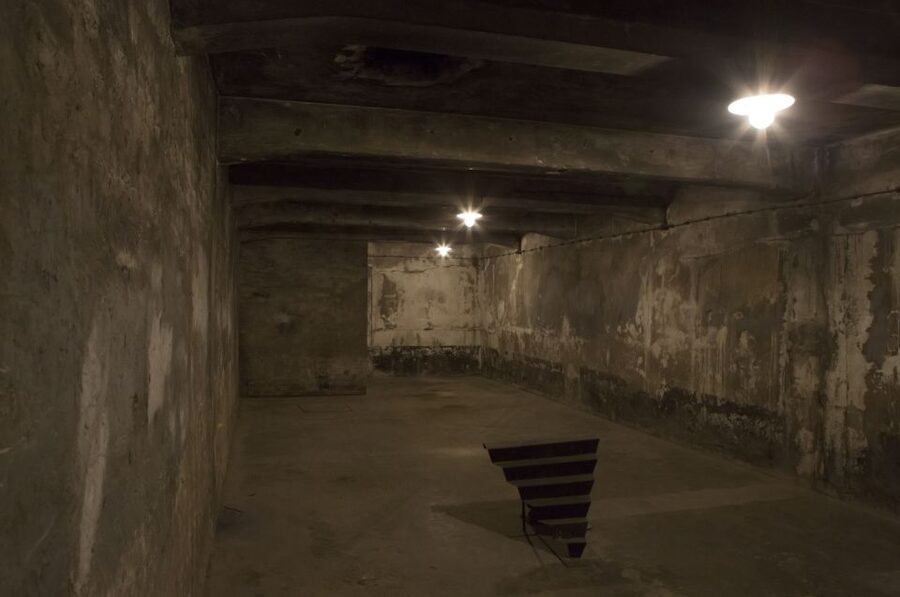
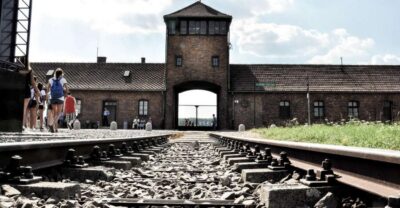
The museum includes the ruins of crematoria and gas chambers, plus the railway platform and other objects from the former camp. These are not just “sights.” They function like anchors for understanding how deportation, imprisonment, and mass murder were carried out in a system built to function like industry.
This is also where some visitors most want time to absorb what they are seeing. If you are the type who needs quiet minutes to process, plan on doing it briefly in the flow of the guided tour. That is usually the best compromise with a scheduled 7-hour format.
The live guide part: why it matters more than you think
Auschwitz is the kind of subject where the quality of explanation affects your whole visit. This tour includes a live guide, and you can choose among Dutch, English, French, and Italian.
I especially appreciate calm, clear guiding in places like this. One of the strongest signals from the experience is that guides tend to speak in a way that feels steady and understandable, not rushed. That helps you follow the logic of what you are seeing instead of just collecting images.
In one named example from the guide set you can encounter on this kind of tour, a guide named Beata led an English-language history-focused walkthrough that tied together context from the start of World War II onward. Even if your guide is different, that kind of framing is what makes the visit stick, because it connects preserved locations to the broader timeline instead of leaving you with isolated facts.
The takeaway for you: do not treat the guide as optional. Listen for the bits that explain why a particular ruin exists where it does, or why a preserved railway-related element is included. Those are the pieces that turn the museum into understanding.
Pace and practical stops: toilets, queues, and keeping your day workable
There is no pretending this is a comfortable outing. It is emotional, and it involves long, structured walking. And in a real memorial setting, practical needs show up at the wrong times.
One common consideration from the experience is that toilet breaks can be short. If you are prone to needing quick restroom stops, be aware that long queues can make breaks feel even tighter.
There is also a pacing question that can affect how satisfying the visit feels. If you prefer to read slowly and linger, you may wish the schedule went a bit more slowly in certain areas. In a two-site, 7-hour day, the tour has to keep moving, and you might need to trade “slow browsing” for “guided clarity.”
My advice: go in with a mindset that this is a serious, guided walk. If you need to slow down for your own reflection, do it at natural pause points and accept that you may skim some panels. Trying to “out-read” a timed guide route can backfire, because you will end up stressed instead of present.

Transport, skip-the-line tickets, and value for money from Krakow
At $81 per person for a 7-hour experience, the value comes from what is included rather than the ticket price alone. You are getting transport to and from Krakow, entrance tickets, and a guided tour covering both Auschwitz I and Auschwitz II-Birkenau.
For many visitors, that bundled setup is the whole reason to book. Getting to Oświęcim and managing timed entry can be a headache if you travel independently, especially on a memorial schedule.
Skip-the-ticket-line is also meaningful here. It reduces time spent at entry windows and helps you get into the memorial space sooner. Even if there are still crowds once inside, starting with a smoother entry is a real quality-of-life improvement.
Notably, meals are not included. That is normal for day tours, but you should plan for it. If you arrive hungry, the day can feel heavier. I recommend you eat before you go and bring a small snack if you are allowed to do so under the day’s rules, though the exact food policy inside the museum is not listed here. If you want total certainty, plan meals around your hotel or before departure.
What to bring, bag limits, and the ID match rule
This is where you can protect your day with one simple checklist: ID, a small bag, and correct names.
Bring a passport or ID card. The memorial has requirements that you provide your full name and contact details as part of the booking. Your entrance may be refused if the name on your booking does not match the name on your ID when you enter.
I think that rule matters more than people expect. It is easy to miss when you are booking quickly, especially if your ID spelling is slightly different or you use a nickname in one system. Before you travel, confirm your booking name is exactly the same as your ID.
You also have a hard bag limit: the maximum size of backpacks or handbags brought into the museum cannot exceed 30x20x10 cm. Leave larger bags in your car or on the bus, or use lockers available on site.
So, travel light. If you only need a phone charger, a water bottle if allowed, and your documents, that is ideal. A big bag limit is not a small detail here, it is part of your access.
Pets are not allowed, and pregnant women are listed as not suitable for this tour.
Getting picked up in Krakow: timing you should respect
Pickup is optional. If you choose it, you are asked to wait in your hotel lobby by the reception desk or in front of the main entrance if there is no reception.
Punctuality matters because the driver will wait no more than 15 minutes after the specified departure time. That is standard for day tours, but it can catch you if your morning routine runs late or you are trying to gather friends.
If you do not want to gamble with morning timing, choose a straightforward meeting point and keep your buffer. This tour is long enough that losing time at the start can shrink your time inside the memorial.
Meeting point may vary depending on the option booked, so confirm your exact location in your booking details.
Who this Auschwitz-Birkenau tour is best for
This tour is a solid fit if you want guided context and you value an organized day trip from Krakow. The included transport and guided route reduce stress, and the skip-the-line entry helps keep the schedule realistic.
It is also a good match if you speak one of the supported guide languages, since you can choose among Dutch, English, French, and Italian. The memorial setting can be difficult to interpret alone, so a live guide is a big benefit.
On the other hand, this may not be the right choice if you need frequent long breaks, have mobility constraints not specified here, or you are pregnant. The tour is also not suitable for pets and has strict bag limits.
If you are looking for a casual, flexible outing, this is not that. But if you want a respectful, guided visit that helps you understand what you are seeing, this is a dependable option.
Should you book this Auschwitz-Birkenau tour from Krakow?
If you want an organized, guided Auschwitz day trip with transport, entrance tickets, and a guided visit to both Auschwitz I and Auschwitz II-Birkenau, this booking makes sense. The price is reasonable for a bundled full-day format, and the skip-the-line benefit helps you start quickly.
I would book if you:
- want a structured route instead of trying to navigate a memorial complex on your own
- prefer to have explanations in English or another supported language
- are traveling from Krakow and want the transport handled
I would hesitate if:
- you strongly need more slow time for reading and personal reflection
- you are worried about tight restroom breaks
- you do not want to deal with strict rules like exact name matching and the bag size limit
If you do decide to go, do your prep early. Double-check your name spelling against your ID, pack within the 30x20x10 cm limit, and plan your meals so hunger does not steal focus from a day that already demands your full attention.
FAQ
How long is the Auschwitz-Birkenau tour from Krakow?
The duration is listed as 7 hours. Starting times depend on availability.
What is included in the price?
Transport to and from Krakow, entrance tickets, and a guided tour of Auschwitz I and Auschwitz II-Birkenau are included.
Is breakfast or lunch included?
No meals are included.
Does the tour skip the ticket line?
Yes, it includes skip-the-ticket-line access.
Which languages are the live guides available in?
Live tour guides are available in Dutch, English, French, and Italian.
Where does pickup happen in Krakow?
Pickup is optional. If included, you wait in the hotel lobby by the reception desk, or in front of the main entrance if the hotel has no reception.
What should I bring for entry?
Bring a passport or ID card.
What is the backpack and handbag size limit?
Backpacks or handbags cannot exceed 30x20x10 cm. Larger bags should be left in the car or bus or stored in lockers.
Is the tour refundable if I change my plans?
No. This activity is non-refundable.
Are there any restrictions on who can join?
Pets are not allowed. Pregnant women are listed as not suitable for this tour.
More Tours in Krakow

More Tour Reviews in Krakow
Not for you? Here's more nearby things to do in Krakow we have reviewed






More Auschwitz-Birkenau Memorial Tours to consider.
 ★ 4.5From Krakow: Auschwitz-Birkenau Guided Tour & Hotel PickupFrom $2133,358 reviews
★ 4.5From Krakow: Auschwitz-Birkenau Guided Tour & Hotel PickupFrom $2129,340 reviews
★ 4.5From Krakow: Auschwitz-Birkenau Guided Tour & Hotel PickupFrom $2133,358 reviews
★ 4.5From Krakow: Auschwitz-Birkenau Guided Tour & Hotel PickupFrom $2129,340 reviews
 ★ 4.5Auschwitz Guided Tour with Optional Hotel PickupFrom $6915,280 reviews
 ★ 4.5Auschwitz-Birkenau Guided Tour with Pickup & LunchFrom $219,800 reviews
 ★ 4.5Auschwitz-Birkenau Guided Tour Pickup/Lunch OptionsFrom $2009,057 reviews
 ★ 4.7Auschwitz-Birkenau and Salt Mine Guided TourFrom $549,020 reviews
 ★ 5.0Krakow to Auschwitz Birkenau Guided Tour with Transfer and TicketFrom $368,197 reviews
 ★ 4.0From Krakow: Auschwitz Birkenau Tour with TransferFrom $216,134 reviews
Other ways to explore Krakow