
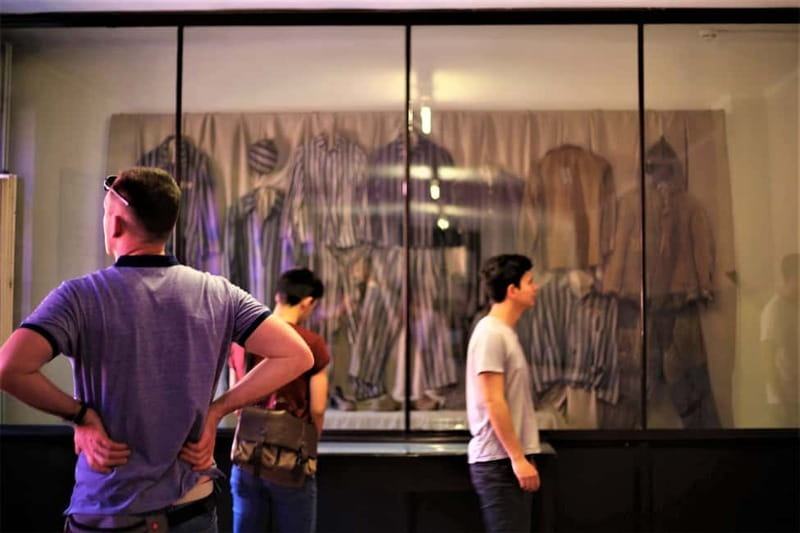
Review · AUSCHWITZ-BIRKENAU MEMORIAL TOURS
From Krakow: Auschwitz Museum and Wieliczka Salt Mine Tour
Two very different worlds, one heavy day. This tour pairs Auschwitz-Birkenau with the breathtaking underground wonders of the Wieliczka Salt Mine, so your mind gets both context and contrast in the same day. I like that you get guided time at Auschwitz-Birkenau, not just a quick walk, and then you get a proper guided descent into the mine, with stories that make the place feel alive.
What I especially like is the way the schedule gives you structure. You first get a guided look at the museum portion, then you move on to Auschwitz II-Birkenau for the second guided section. After that, the day shifts gears to Wieliczka, where the descent is part of the experience, you hear the mine’s mysteries, and you get to see St. Kinga’s Chapel carved from rock salt.
One possible drawback: this is not a casual day. Auschwitz is emotionally intense, and the salt mine involves stairs, plus there are strict rules about what you can bring, including limits on luggage and the need for your name to match your ID.
Key things to know before you go
- English live guiding plus an English audio guide keeps you moving with clarity, not confusion.
- Auschwitz-Birkenau is split into two guided sections, so you get better context on how the camp system worked.
- Wieliczka includes a 380-step descent to the first level, then you explore multiple chambers.
- St. Kinga’s Chapel is included, an underground cathedral carved entirely from rock salt.
- Skip-the-ticket-line is built in, which saves time on a packed day.
- Private transport from Krakow means less stress than juggling trains or buses.
Why This Auschwitz and Wieliczka Day Trip Works From Krakow
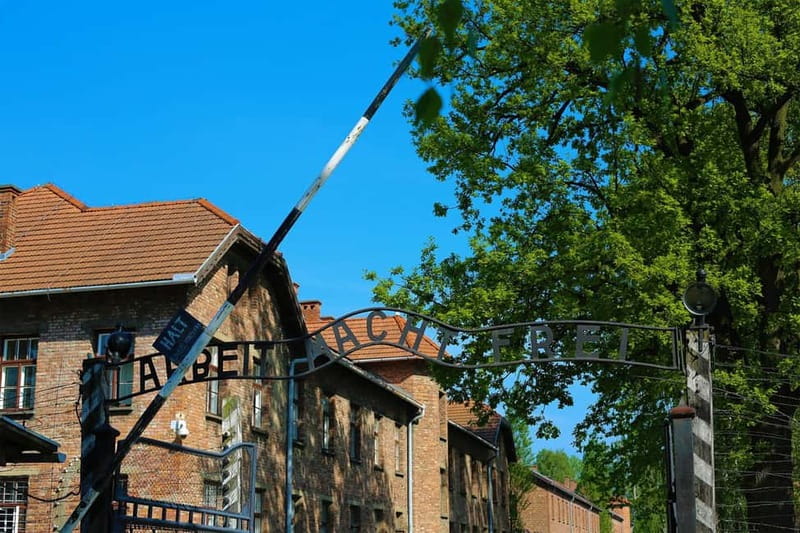
This is one of those “only in Poland” combos that makes practical sense. Krakow is the jumping-off point, and you can do both sites in a single long day with transport handled for you. You trade spontaneity for smooth logistics, and you also get English guidance, which matters at Auschwitz where details are everything.
The value is in the pairing. Auschwitz-Birkenau is about real human events, the machinery of persecution, and the brutal scale of the system. Wieliczka Salt Mine is the opposite mood, a centuries-old working mine that still feels strange and wondrous underground. The contrast is jarring, but it’s also a useful way to keep your day from becoming only one-note.
You should expect a day that runs on time blocks. There are guided segments at Auschwitz-Birkenau, then a transfer to the mine, then guided exploration underground. If you need a slow, low-intensity itinerary, this may feel too packed. If you want one guided day that does two of the biggest sites well, it’s a solid choice.
You can also read our reviews of more museum experiences in Krakow


Auschwitz-Birkenau: Getting Oriented and Understanding the Grounds
Your day starts with pickup from your Krakow accommodation, then a drive out to Auschwitz-Birkenau. The first major stop is the memorial and museum area, where you’ll join a guided tour in English for about two hours. This is the part where you should let the guide do the heavy lifting. At Auschwitz, it helps to have someone explain what you are seeing and why certain buildings and displays matter.
You’ll also get a short break after the first guided section. That pause is not “downtime” in a fun sense. It is a chance to reset, use the facilities, and regroup before the second guided portion. I like tours that build in this breathing room, because Auschwitz can make your brain feel overloaded.
A few things to take seriously ahead of time. Auschwitz has strict entry requirements. You’ll need to provide your full name and contact details when you book, and your name has to match the ID you use at entry. If the names do not match exactly, entrance can be refused. This is one of those rare situations where double-checking your documents is not a minor step, it’s the difference between seeing the camp or being turned away.
Also note the emotional reality. This site is the Nazis’ largest concentration camp complex, founded on 27 April 1940. The camp became the site of about 1.1 million deaths before the end of World War II. Your guide will connect the dots between dates, locations, and what the camp system meant for prisoners.
Auschwitz II-Birkenau and the Reality You Cannot Forget
After the first museum section and a short transfer, you move on to Auschwitz II-Birkenau for the second guided tour, about 1.5 hours. This is where the scale can hit you. The distance between key areas can make it hard to grasp how people lived, were moved, and were processed. Having a guide is useful here, because the explanations help you understand the layout without guessing.
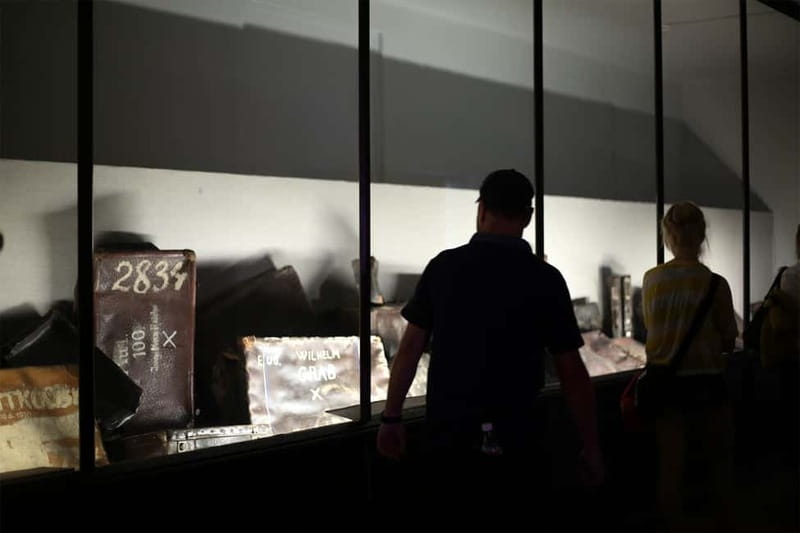
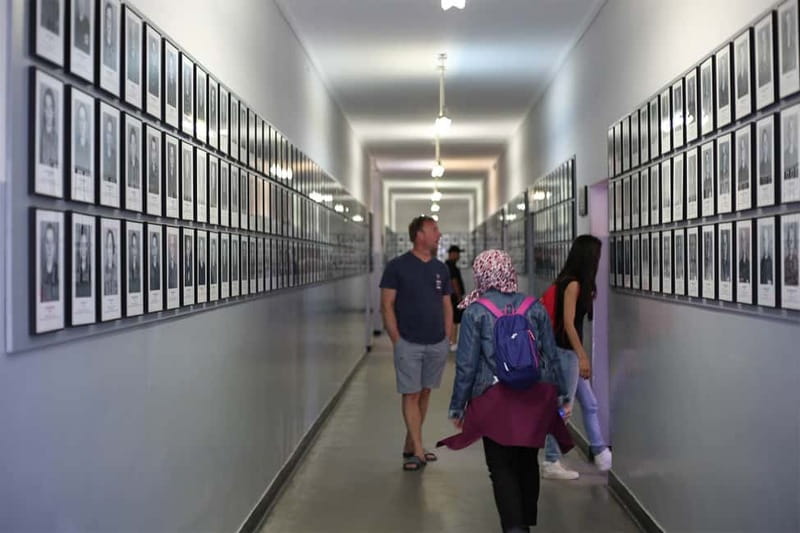
This part of the visit is also where you’ll see the camp system as a working environment, not just a museum display. The names on plaques and the preserved remnants can feel stark, and you might find yourself reading every label because you want meaning. That reaction is normal, but it’s also why I think a guided pace is better than going entirely on your own for first-timers.
You have an audio guide in English as well, which is helpful if you want to re-check details while the group moves. The combination of live guiding and audio support can reduce frustration. It’s also a good way to keep your attention on what matters, rather than fighting with language barriers or uncertain interpretation.
One practical warning: you’re likely to feel it in your body. Even if you aren’t moving fast, you will walk, stand, and process for hours. In a long day like this, your shoes matter as much as your mindset.
Lunch-Buffer Time and the Transfer That Helps

Between Auschwitz and the salt mine, there is a transfer period, giving your day a little rhythm. You’ll have time on the schedule to get from the camp area to Wieliczka, and then you’ll settle in for the mine tour. I like that the salt mine portion is not jammed immediately after Auschwitz without any gap. Your brain needs a transition.
You’re also allowed to bring your own food on the tour. That matters because you can plan for your energy level rather than relying on whatever happens to be available during tight windows. If you have dietary needs, this is a big plus.
What I would avoid is assuming you’ll be “fine” after Auschwitz and then forget everything else. Bring water habits into your plan. Drinking water is included, but you should still pace yourself. The day is long and your attention is split between two intense experiences and a lot of walking.
If you tend to get tense in high-emotion places, this kind of scheduled buffer helps. It won’t erase the heaviness, but it can make the day feel more manageable.
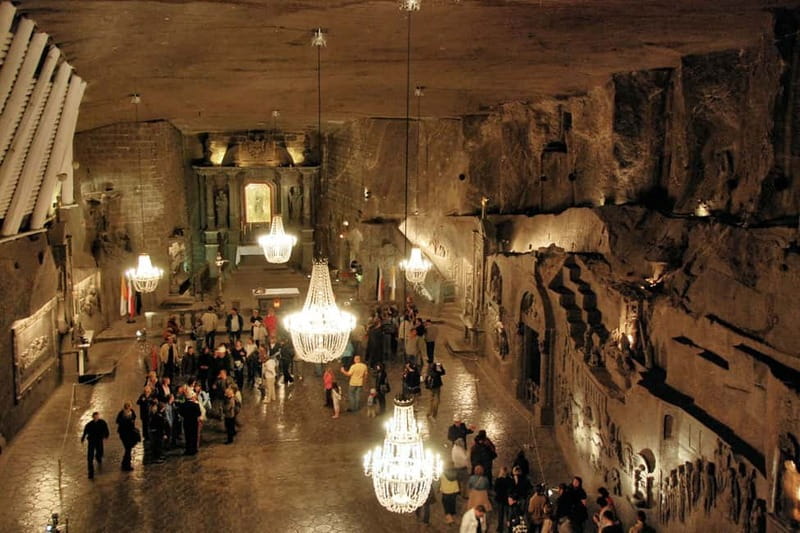
Wieliczka Salt Mine: The 380-Step Descent and What You Hear
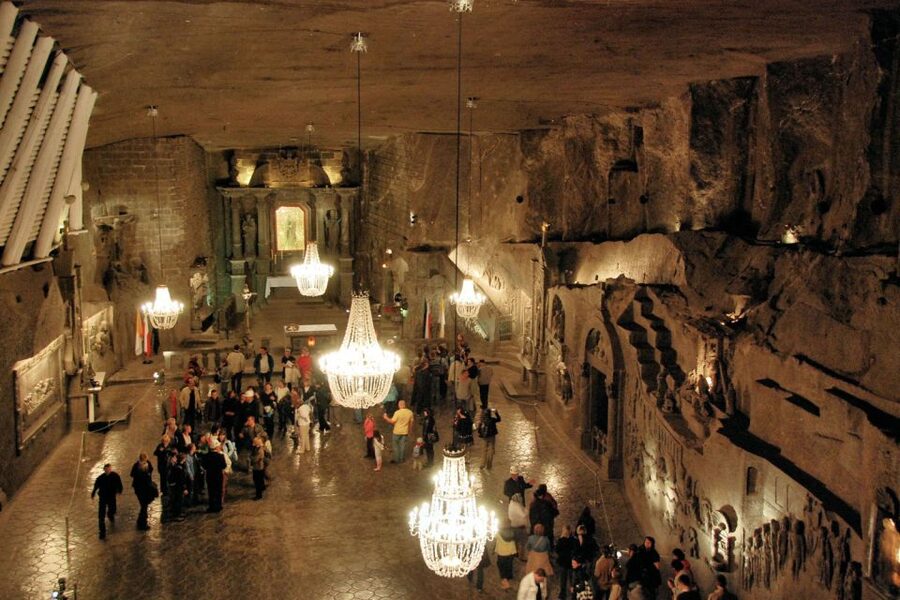
Then comes the shift. Wieliczka Salt Mine is one of the oldest salt mines in the world, operating from the 13th century up until 2007. The tour takes you underground and starts with a descent of 380 steps to the first level, around 210 feet (64 meters) below ground. That’s not symbolic. You will feel the stairs.
The guided tour here lasts about 2.5 hours, and it’s built around stories and explanation, not just sightseeing. You’ll hear about the mine’s mysteries, the people who worked there, and how nature shaped the underground world. This is a different kind of learning than Auschwitz. Instead of tragedy and systems, you’re looking at human work, geology, and the way a place becomes a world on its own.
I’d also plan for the fact that you are in enclosed underground spaces. If you don’t like tight ventilation or enclosed areas, think carefully. The tour is guided and moving, so you likely won’t feel lost, but you should be comfortable with underground conditions.
The key value here is that Wieliczka is not treated like a quick photo stop. You’re given enough time to see multiple chambers and important highlights. That’s how the mine earns its reputation. If you go fast, you miss the atmosphere, the details in the salt forms, and the logic of the tour route.

St. Kinga’s Chapel and the Underground City of Salt
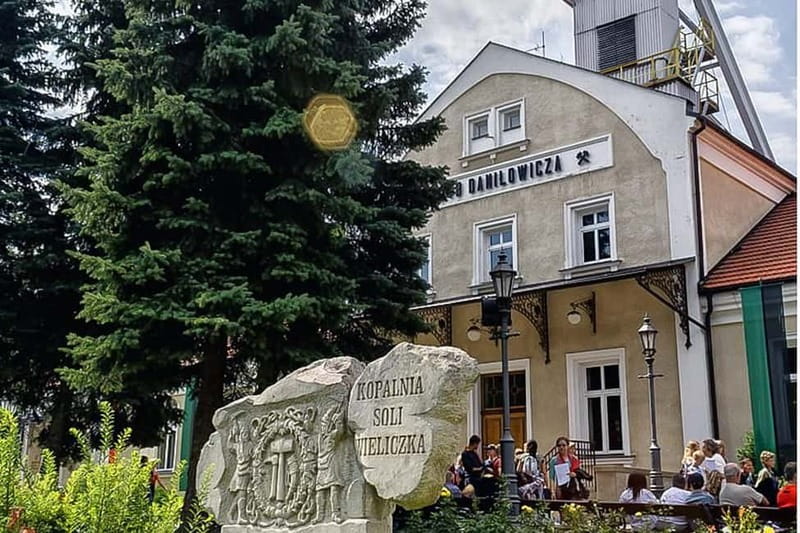
Wieliczka is sometimes described like an underground city, and on this tour you get that feeling. You’ll explore 20 chambers during the guided visit. Walking through them is where the mine starts to feel like a whole landscape of work, craft, and worship shaped out of salt.
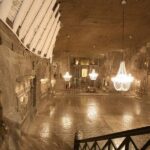
The headline stop is St. Kinga’s Chapel. You’ll see an enchanting underground cathedral carved entirely from rock salt. It’s one of those places that makes you stop and stare, because your brain doesn’t immediately accept what you’re looking at. It feels like something built by imagination, but it’s rock, cut with purpose, over time.
The mine tour also has a powerful effect on your sense of time. Auschwitz confronts you with a brief period of extreme cruelty. Wieliczka reminds you that people have worked this earth for centuries. The result can feel like whiplash, but it can also make your day more complete.
This is where I think the guide matters most. When someone explains how the mine formed, how the salt was worked, and why specific spaces became meaningful, the visit stops being just a list of sights. You start to connect the dots between craftsmanship, geology, and human belief.
Transportation, Shoes, and How to Survive a 9-Hour Day
The whole trip runs about 9 hours, with pickup in Krakow and return to Krakow at the end. Expect long but manageable blocks, including van time. From Krakow to Auschwitz-Birkenau is around 1.5 hours. Moving between Auschwitz and Wieliczka takes about 75 minutes, then you return to Krakow in roughly 40 minutes.
That means you should treat this day like a hike day, not like museum time you can power through comfortably. Wear comfortable shoes with good grip. You’ll be on your feet for long periods, and the salt mine includes a stair-heavy descent.
Packing rules matter too. Smoking is not allowed. Large bags or luggage are not allowed. If you’re traveling with extra luggage, plan to leave it safely at your accommodation before you come to pickup. This kind of restriction can be the difference between a smooth start and a stressful scramble.
Also, don’t show up thinking you can bring alcohol or drugs. The rules are straightforward, and you should respect them.
One small detail that I appreciate: drinking water is included. In a long day, that’s one less thing you have to remember while you’re already juggling emotions and logistics.
Price, Value, and When It Makes Sense to Book Ahead
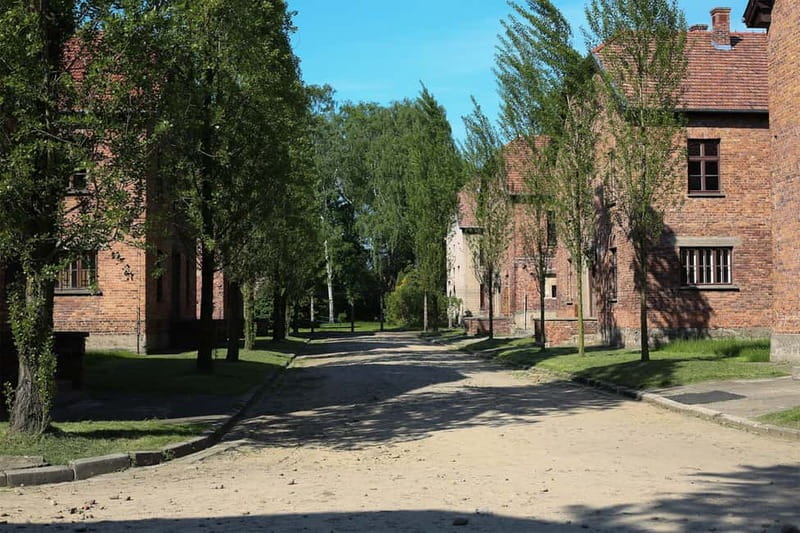
The price is listed at $335 per person, with private transport and guided English tours at both Auschwitz-Birkenau and the salt mine. You also get skip-the-ticket-line help, live tour guidance, English audio support, and drinking water.
So is it worth it? For me, the value is in the combination: private transport plus English guidance plus reserved entry for two major sites in one day. If you were doing this on your own, you’d be spending time figuring out transit, timing, and ticket logistics, and you’d still need to line up two guided experiences to get the most out of them, especially at Auschwitz.
That said, price sensitivity is real. I would treat this as a convenience premium. If you’re the type who likes to compare and book directly on the ground, you might find cheaper options. The trade-off is that you take on more planning effort and potential uncertainty with timing.
Also consider what you’re buying emotionally. Auschwitz is not the kind of visit you want to rush or make harder by bad logistics. If a smooth start and guided structure will help you focus, then the higher price can feel justified.
One more note. Your name and contact details have to be correct for Auschwitz entry, and your tickets are non-refundable. That means you should only book when your dates are truly locked in.
Who This Tour Fits Best, and Who Should Rethink It
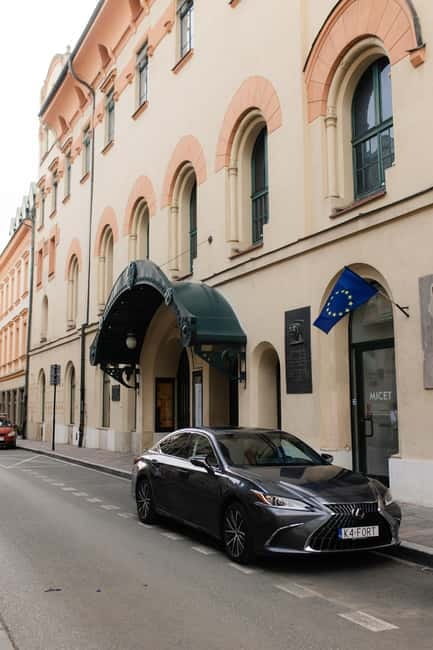
This tour fits best if you want a guided day that covers the biggest sites without you building the plan. If you don’t want to deal with transport, ticket timing, and language gaps, the private transport and English guidance are a clear win.
It also suits travelers who prefer structure. Auschwitz can feel overwhelming if you don’t know what you’re looking at, and Wieliczka can feel like random rooms if you skip the explanations. Here, the guide helps you connect what you see to what it means.
Reconsider if you have mobility concerns related to stairs. The salt mine descent includes 380 steps to the first level. That is a lot, and you should take it seriously when you evaluate whether you can handle it comfortably.
If you’re traveling with a lot of luggage or you need to travel with prohibited items, you may run into problems. Stick to the rules, because the sites are strict.
Should You Book This Auschwitz and Wieliczka Tour?
My take: yes, if you want one organized day that treats both Auschwitz-Birkenau and Wieliczka Salt Mine with the time and guidance they deserve. The strongest reasons to book are the English live guiding, the split Auschwitz visit that gives you real context, and the salt mine’s guided route that includes St. Kinga’s Chapel.
Book with care if you’re price sensitive or if your schedule is fragile, because the ticket rules are strict and the cost is not low. Also, be honest with yourself about stairs and emotional intensity.
If you can handle a long day and you want a guided, structured experience, this is a strong way to do Krakow’s two biggest “must-see” destinations without turning your vacation into a logistics project.
FAQ
How long is the tour from Krakow?
The total duration is about 9 hours. Exact starting times depend on availability.
Do I get picked up from my hotel in Krakow?
Yes. Pickup is included from Krakow hotels and accommodation.
Is transport private?
Yes. The tour includes private transport.
Are entry tickets included for both sites?
Yes. Entry tickets for guided tours in English are included for Auschwitz-Birkenau and for the Wieliczka Salt Mine.
Will I have a live guide?
Yes. There is a live tour guide in English for both guided tours, and an English audio guide is also included.
Do you skip the ticket line?
Yes. Skip the ticket line is included.
How much time do I spend at Auschwitz-Birkenau?
You get a 6-hour tour of Auschwitz-Birkenau, with guided time that includes both the main memorial and museum portion and Auschwitz II-Birkenau.
What is the salt mine like, and how many steps are involved?
You descend 380 steps to the first level, about 210 feet (64 meters) below ground. The tour includes 20 chambers and St. Kinga’s Chapel.
Is there anything I can or cannot bring?
You should bring your passport or ID card and wear comfortable shoes. Not allowed items include luggage or large bags, and smoking is not allowed. Alcohol and drugs are also not allowed. You can bring your own food on the tour.
Is this tour refundable if I cancel?
No. The activity is non-refundable.
More Museum Experiences in Krakow


More Tours in Krakow

More Tour Reviews in Krakow
Not for you? Here's more nearby things to do in Krakow we have reviewed










More Auschwitz-Birkenau Memorial Tours to consider.
 ★ 4.5From Krakow: Auschwitz-Birkenau Guided Tour & Hotel PickupFrom $2133,358 reviews
★ 4.5From Krakow: Auschwitz-Birkenau Guided Tour & Hotel PickupFrom $2129,340 reviews
★ 4.5From Krakow: Auschwitz-Birkenau Guided Tour & Hotel PickupFrom $2133,358 reviews
★ 4.5From Krakow: Auschwitz-Birkenau Guided Tour & Hotel PickupFrom $2129,340 reviews
 ★ 4.5Auschwitz Guided Tour with Optional Hotel PickupFrom $6915,280 reviews
 ★ 4.5Auschwitz-Birkenau Guided Tour with Pickup & LunchFrom $219,800 reviews
 ★ 4.5Auschwitz-Birkenau Guided Tour Pickup/Lunch OptionsFrom $2009,057 reviews
 ★ 4.7Auschwitz-Birkenau and Salt Mine Guided TourFrom $549,020 reviews
 ★ 5.0Krakow to Auschwitz Birkenau Guided Tour with Transfer and TicketFrom $368,197 reviews
 ★ 4.0From Krakow: Auschwitz Birkenau Tour with TransferFrom $216,134 reviews
Other ways to explore Krakow