
Review · ZALIPIE PAINTED VILLAGE TOURS
From Krakow: Zalipie Village Day-Tour
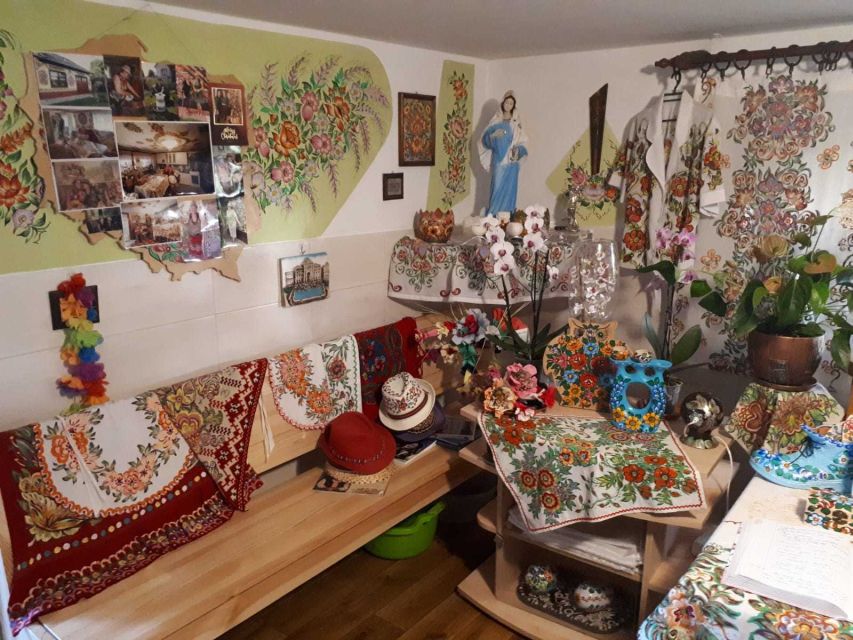
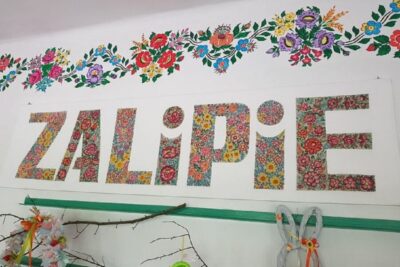
Zalipie turns ordinary houses into art galleries. I love the century-old tradition of floral house painting and how the motifs show up everywhere, from fences and wells to stables and chicken coops. You’ll also stop at the House of the Female Painters and Felicja Curyłowa Cottage, where the story behind the colors feels grounded and human. The main consideration: food options can be limited in the off-season.
In a half day, you get the best kind of day trip from Kraków: a comfortable ride east, a guided walk through a real working village, and plenty of time to take photos without rushing your brain. It is led by LinkPoland with a licensed English-speaking guide, with pickup and drop-off at your Kraków address in an air-conditioned car, usually with a personal feel for what you want to see.
Key Things I’d Focus On
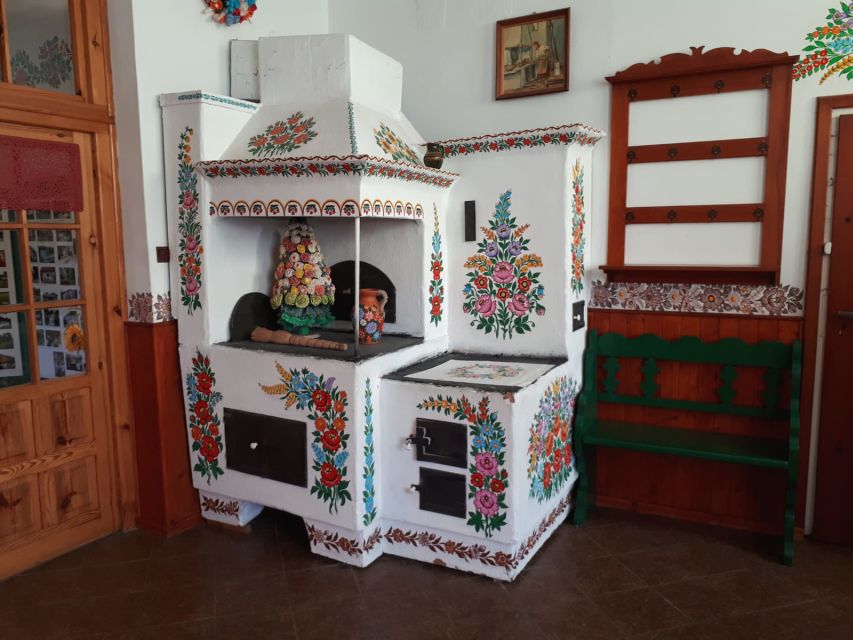
- House of the Female Painters (Dom Malarek): the tradition made understandable, not just decorative.
- Felicja Curyłowa Cottage: the person who helped popularize Zalipie’s floral look.
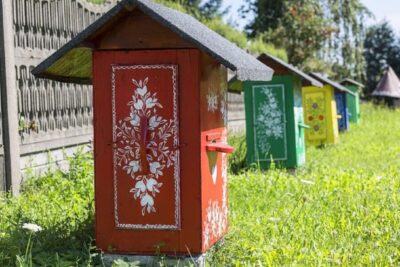
- Painted everyday objects: fences, wells, stables, even small courtyard buildings.
- Church of St. Joseph the Betrothed: folk art meets faith in a small, charming landmark.
- Comfort-first logistics: hotel pickup in Kraków, air-conditioned transport, English guide.
- Guide connections and local access: you may get chances to see more than the obvious public spots.
Zalipie in Six Hours: What This Private Day Trip Really Gives You
This trip is built for one job: get you from Kraków to Zalipie and back without the hassle of figuring out local transport on your own. And Zalipie is exactly the kind of place that rewards a guided visit. The painted details make sense faster when someone explains what started the tradition and why the flowers look the way they do.
For me, the best part is that you are not just looking at a staged museum. You are seeing how folk art lives on homes and farm buildings, still tied to village life. The tour is private, so the pacing stays flexible. That matters here because a lot of what makes Zalipie special is visual. You will want time to look closely, not just pass by.
The trade-off is price. At about $61 per person, it feels reasonable if you value a driver, English guide, and included entrance tickets. But since it is private, it can feel steep if you are traveling solo or you dislike paying for a dedicated car. Think of it as convenience plus context, not a budget transit experiment.
You can also read our reviews of more tours and experiences in Krakow.
Kraków Pickup and the Easy Country Drive
Your day starts with pickup in Kraków, either from a hotel lobby or the front of your apartment building. That is a small thing, but it changes the experience. You do not burn time navigating buses or asking strangers for directions in a second language.
The transfer is in an air-conditioned car, and the guide and driver are English-speaking. Several guides you might get, like Wojtek, Bart, Simon, Damian, Mateusz, Alex, Martin, or Peter, are known for smooth communication and helpful answers about Poland beyond Zalipie. On a trip like this, that extra context makes the ride part of the tour, not wasted time.
Once you leave the city behind, you are moving through Lesser Poland toward a village that feels like it has been carefully preserved by its own people. If you like scenic drives, this one typically delivers without turning the day into a long bus tour.
Entering the Floral Painting Tradition at Dom Malarek
The first major stop that sets the tone is the House of the Female Painters, known as Dom Malarek. This is where the tradition stops being just a pretty idea. You start to understand it as a practice with rules, symbolism, and a strong link to women in the community preserving and passing it along.
I like that the tour uses this stop to explain how Zalipie’s floral painting tradition began in the late 19th century. That timing matters because it places the village art in a historical setting. You get why it took hold, and why it spread to multiple parts of the property, not only the front facade.
A good guide helps you read what you see. The flowers are not random decoration. The motifs repeat, and you start noticing differences in patterns and placement. It turns the village into something you can interpret, not just photograph.
Felicja Curyłowa Cottage: When One Artist Changes a Village’s Fame
Next comes the Felicja Curyłowa Cottage, tied to the artist who played a key role in popularizing Zalipie. This is important for visitors who want more than general folk-art vibes. You are not only seeing a tradition, you are seeing how individual talent and effort can put a village on the cultural map.
You will likely hear about the way her work helped Zalipie become known beyond Poland. That detail matters because it explains why the village’s floral look is recognized as a standout example of Polish folklore.
In a practical sense, this stop also adds variety. Dom Malarek frames the tradition as collective memory. Felicja Curyłowa’s home adds a personal narrative, which makes the rest of the walk through the painted village feel richer.
Where You’ll See the Flowers: Fences, Wells, Stables, and Whole Courtyards
Zalipie’s main attraction is simple: the hand-painted houses and surrounding farm buildings. The tour is structured so you do not miss the best places to see the full range. You will see painted fences, wells, stables, and charming village houses, all covered in floral motifs that keep showing up in slightly different ways.
I love that the art extends beyond walls. When flowers show up on a fence or a well, you start thinking differently about decoration. In Zalipie, it becomes part of the everyday landscape of work and home routines.
A guide-driven route helps you hit the highlights without wasting energy walking randomly. You also get an easier time spotting what to look for. For instance, once you understand the pattern logic and typical motifs, the details start popping. Even if you are not a serious art person, your eyes adjust quickly.
And yes, this is also a photographer’s dream. Many tours build in photo time in front of the painted houses, and guides tend to be patient while you frame shots. It is not a quick drive-by parade. It is a slow enough village walk to let the art register.
St. Joseph the Betrothed Church: Folk Motifs Where Faith Lives
One of the tour’s most charming landmarks is the Church of St. Joseph the Betrothed. Externally, it looks small and peaceful. Inside, the floral motifs connect the village art tradition to religious space in a way that feels very natural.
This is the moment where Zalipie stops being only about visual style and becomes about meaning. The church shows how local folklore and faith can share the same language of flowers. It is one of those places where the building and the village art feel like they grew up together.
If you want a mental reset in the middle of the day, this stop does the job. It also gives you contrast. A painted church interior hits differently than farm buildings and courtyards, because the setting asks you to look with more respect and a calmer pace.
Local Encounters Through LinkPoland Connections
A huge part of why this day trip gets such strong feedback is the people side. With LinkPoland, your guide often has established relationships in the village. That can translate into chances to see more than the obvious public viewpoints.
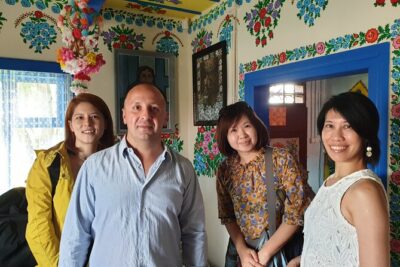
In practical terms, you may be able to see some private painted houses when access is possible. You might also meet local artists and hear how they think about the tradition today. Several guides on these tours, like Wojtek, Damian, and Mateusz, are praised for connecting visitors with families behind the art.
This is where you get the human scale of folk art. You are not only learning about patterns. You are learning how the practice feels for the people living with it. If you like asking questions and getting real answers, this kind of small-community access is a major value add.
Also, these guides are often attentive about breaks. Some guides have been known to stop for drinks during restroom breaks or suggest spots to eat and drink later. The tour does not include food, but the day stays comfortable.
Photo-Friendly Pacing and a Few Smart Tips
Zalipie is famous for visuals, so it helps to travel like you are on a photo walk, not a checklist tour.
Wear comfortable shoes. You will be standing, walking between spots, and spending time looking closely at painted surfaces. Dress in comfortable clothes because the village walk takes you outdoors.
Bring something for your hands and head too, even in mild weather. The village experience is mostly outside, and you will want to keep your pace slow enough to capture details without rushing. If you are using your phone or camera, you will also appreciate a guide who pauses for you so you can actually compose shots.
One more practical tip: do not only shoot the widest angles. Zoom in on specific painted elements, like the flower clusters around doorways or the way motifs spread across larger farm structures. The charm of Zalipie is the repetition with variation.
Food, Timing, and What to Pack for Off-Season Days
Your total day is about 6 hours, with around 3 hours for sightseeing in Zalipie. That time split is useful. It gives you a real village experience without leaving you exhausted back in Kraków.
But plan your meals like a local day out, not like a full-day tour with lunch included. Food and drinks are not included, and in some months you may find limited options inside the village. One off-season example is early October, when food options may be scarce. If you are visiting in quieter months, pack a small snack and water just in case.
If you prefer not to carry anything, it is still worth asking your guide what the food situation looks like for your date. Guides are often willing to suggest a rest stop or help you plan so you do not end up hungry and stuck.
A final note: bring patience with you. Zalipie is at its best when you pause. This is not a place where you win by moving fast.
Price and Value: Does $61 Per Person Make Sense?
At $61 per person for a 6-hour private day trip, value comes down to what you count as included. You get:
- Hotel pickup and drop-off in Kraków
- Air-conditioned transport by licensed driver
- Entrance tickets
- Licensed English-speaking guide
- English-speaking driver
That is a lot of services for one price, especially when you consider how hard it can be to coordinate rural stops on your own. You are not just paying for transport. You are paying for the guide’s ability to connect the art to context, plus access to the specific sites like Dom Malarek, the Felicja Curyłowa Cottage, and the Church of St. Joseph the Betrothed.
If you are two people traveling together, it often feels like better value because you are splitting the car and guide cost. If you are solo, it is still doable, but you should treat it as a priority experience, not an impulse add-on.
Who This Tour Fits Best (and Who Might Skip It)
This is a strong match if you:
- Love folk art, traditional crafts, and visual storytelling
- Want a structured day trip that still leaves room to look closely
- Prefer not to rent a car or figure out rural transport
- Enjoy small-community conversations with locals and artists
It may not be your best choice if you:
- Want a long, free-form explore-every-street day without a guide
- Dislike paying for private transport value
- Are only in the area for a quick photo stop and nothing more
For most Kraków visitors, though, Zalipie hits a sweet spot. It is different from the city. It feels authentic. And it gives you a story you can actually explain when you get home.
Should You Book This Zalipie Day Trip With LinkPoland?
If you are deciding between doing Zalipie casually and doing it properly, I recommend doing it properly. This tour is built to show you the places that matter, in the time you have, with English guidance that makes the floral tradition easier to understand.
Book it if you care about the meaning behind the paint, not just the photos. It is especially worth it if you want to see Dom Malarek, Felicja Curyłowa Cottage, and the Church of St. Joseph the Betrothed without missing key viewpoints.
Before you go, pack comfortable shoes and plan for snacks in case food options are limited on your travel dates. If you do that, you will get a calm, satisfying day where the village art feels personal, not packaged.
FAQ
What is the duration of the Zalipie Village day tour from Kraków?
The tour lasts 6 hours total, with about 3 hours spent sightseeing in Zalipie.
What does hotel pickup include?
Pickup and drop-off are included. Your driver will meet you at your hotel lobby or at the front of your building if you are in an apartment.
Is the tour guided in English?
Yes. You get a licensed English-speaking guide and an English-speaking driver.
Are entrance tickets included?
Yes, entrance tickets are included, and the tour also offers skip-the-ticket-line convenience.
What are the main stops in Zalipie?
You will visit the House of the Female Painters (Dom Malarek), Felicja Curyłowa Cottage, painted village sites like fences and wells, and the Church of St. Joseph the Betrothed.
Is food included?
No. Food and drinks are not included.
What should I bring for the village visit?
Bring comfortable shoes and comfortable clothes.
Is there a cancellation option?
Yes. You can cancel up to 24 hours in advance for a full refund.
Is this a private group tour?
Yes. It is listed as a private group experience.
More Tours in Krakow

More Tour Reviews in Krakow
Not for you? Here's more nearby things to do in Krakow we have reviewed







More Zalipie Painted Village Tours to consider.
 ★ 4.6From Krakow: Guided Tour of ZalipieFrom $12530 reviews
 ★ 5.0ZALIPIE – painted village, unique PRIVATE tour from KrakowFrom $17420 reviews
 ★ 4.6Zalipie Village TourFrom $1288 reviews
 ★ 5.0ZALIPIE – painted village, unique small group tour from KrakowFrom $1237 reviews
 ★ 4.7Guided Day Tour of Zalipie Village & Museum EntryFrom $1226 reviews
 ★ 4.0From Krakow: Zalipie and Painted Village Guided TourFrom $1324 reviews
 ★ 5.0Zalipie Private Tour from Krakow The Painted VillageFrom $1624 reviews
Other ways to explore Krakow