
Review · AUSCHWITZ-BIRKENAU MEMORIAL TOURS
Krakow: Auschwitz-Birkenau Live Guided Tour & Hotel Pickup
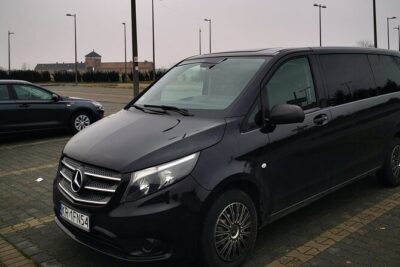
An early departure can feel heavy, yet this day. The route from Krakow is built for comfort and clarity, with Arbeit macht frei at Auschwitz I and a live guide who keeps the flow organized. I also like the use of modern Mercedes Benz vehicles and the practical skip-the-line setup that saves you from standing around before entry. One possible drawback: it is a long day with limited pauses, so you should expect it to feel a bit rushed at times.
The tour splits your visit into two focused sections, Auschwitz I and Auschwitz II-Birkenau, with a short break between them. I like that you get a documentary film en route to help you orient before you step into the grounds. The main consideration is timing, since pickup can shift and the whole schedule depends on the memorials visitor rules.
Key Highlights Worth Noting
- Hotel pickup or a clear meeting spot in Krakow, so you start without stress
- Documentary on the way to set context before the memorial visit
- Skip-the-line access through a separate entrance when the option is selected
- Two guided blocks: Auschwitz I for about 2 hours, Birkenau for about 1.5 hours
- Professional guides and English-speaking host support during the day
- Comfortable Mercedes transport with round-trip drop-off back in Krakow
From Krakow to Auschwitz, Without the Guesswork
This trip is designed to take the planning friction out of one of the most difficult visits you can make in Europe. You start in Krakow with pickup options, then you ride to the camps with a guide and host who handle the steps you would otherwise have to research yourself.
What I like here is that the day is organized like a route, not a free-for-all. Your group enters the museum with a skip-the-line track when that option is selected, and the guide handles the rules and procedures right after arrival. It matters, because Auschwitz has specific entry expectations and you do not want to waste time figuring them out while everyone is already in the queue.
A second strong point is how the camps are presented as separate, but linked, experiences. Auschwitz I and Auschwitz II-Birkenau are different spaces with different functions in the Nazi camp system. This tour keeps you from bouncing randomly between areas, so the story lands in the right order.
You can also read our reviews of more guided tours in Krakow
The Ride Part: Mercedes Transport and a Documentary Primer
The drive to Auschwitz is listed at around 45 minutes in the trip description, and the transport blocks in the itinerary show about 75 minutes for the van segments each way. Either way, you are in the vehicle for a large chunk of the day, so it helps that the company uses modern Mercedes Benz vehicles.
On the way to the camp, you watch a short documentary about Auschwitz-Birkenau. The goal is not to replace a guide, but to help you get bearings before you arrive at the first gate. I think this kind of primer is especially useful if Auschwitz is your first major concentration camp visit. It gives you a framework for names, timelines, and what you will actually see.
From real-world feedback, people also note that the video portion is handled smoothly, and the transport stays comfortable even though the day is long. One small caution from the feedback: a late group member can add time at departure, so you will want to be ready at pickup and keep your own timing tight.
Entering Auschwitz I: Main Gate Moments and Block 11
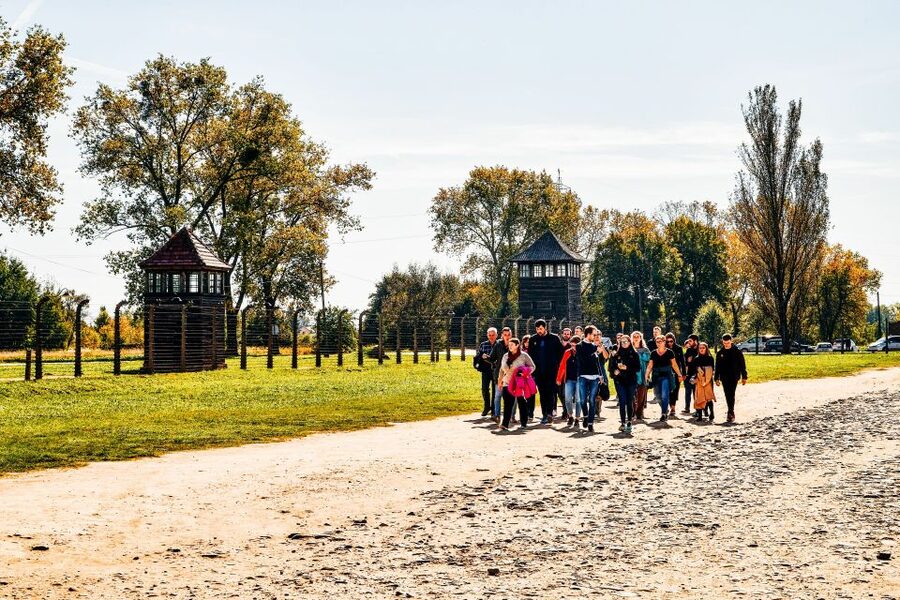
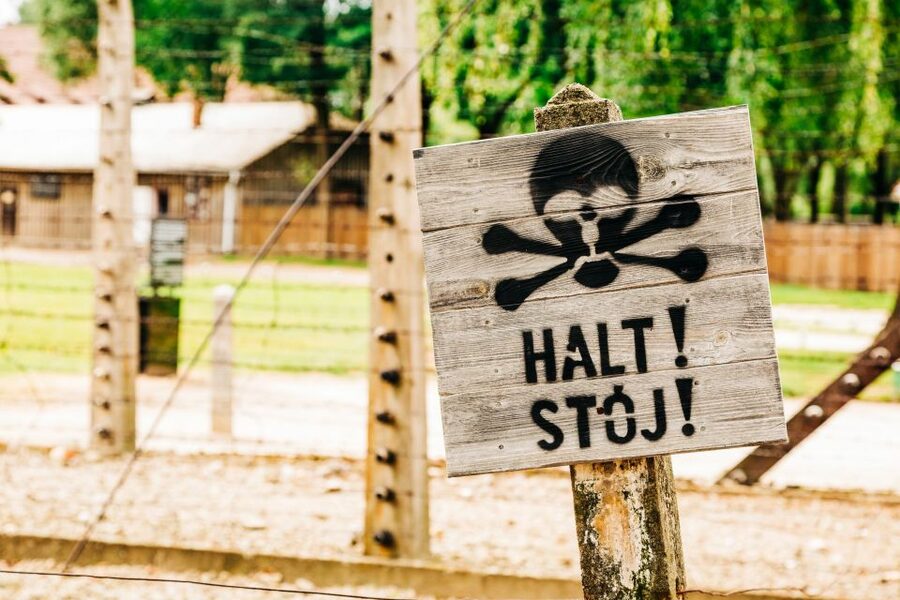
Auschwitz I is where the day becomes intensely specific. This is the camp where the Nazis established the first camp for men and women, where early mass killings took place and where experiments using Zyklon B were carried out. The museum tour also emphasizes the early role of this camp in building out the wider camp system.
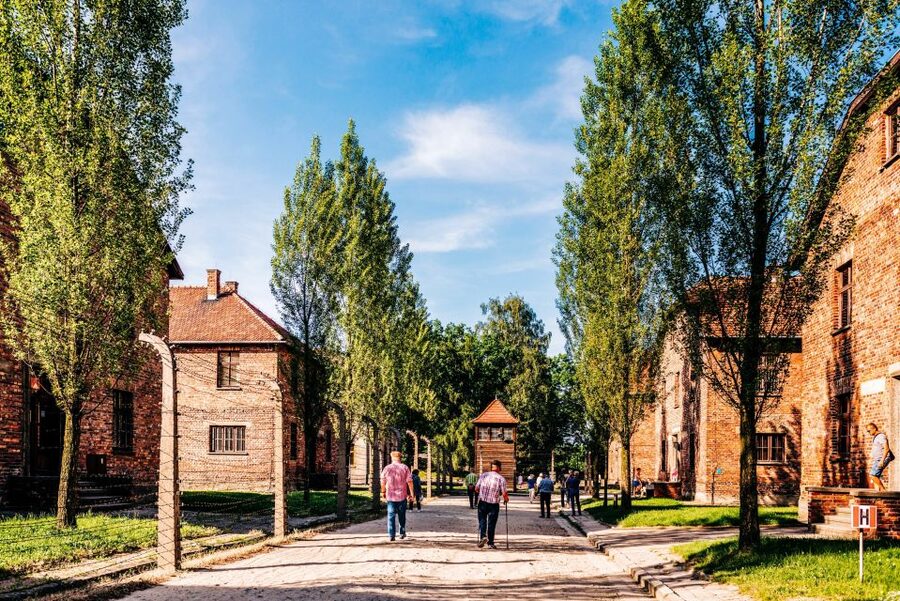
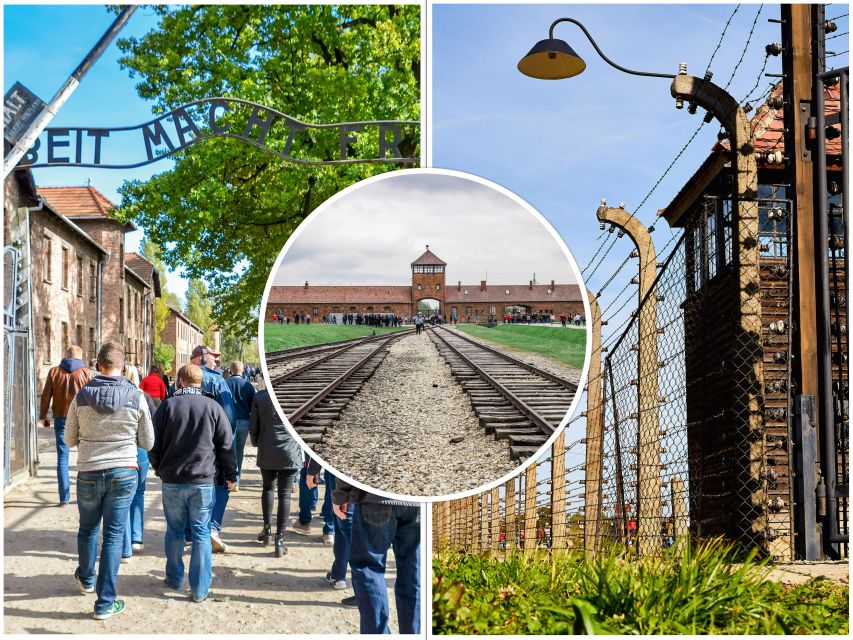
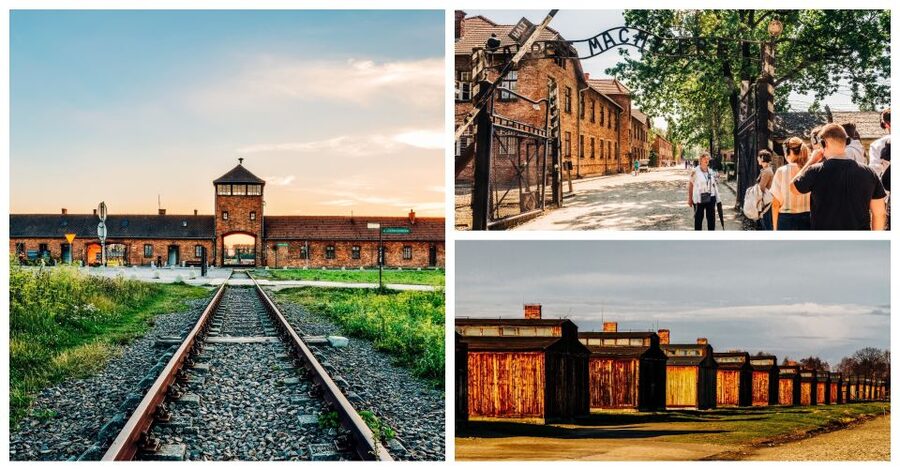
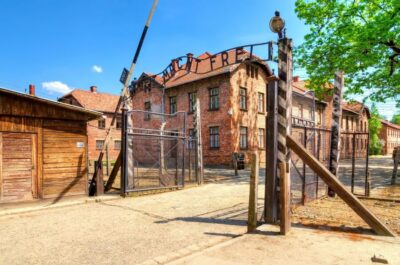
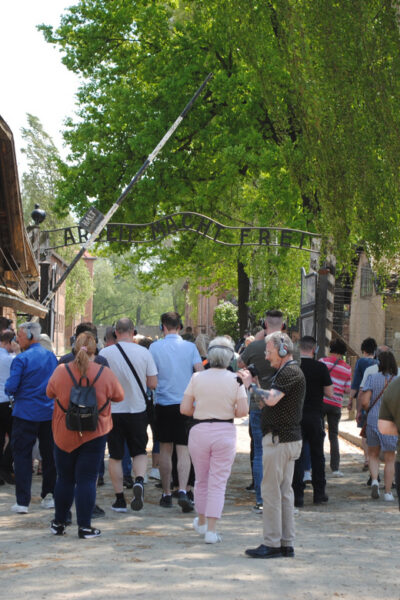
Your guided time here is about 2 hours, and it is structured around what the space still shows today. The tour route includes the famous entrance area with Arbeit macht frei, which is often the first visual shock for visitors. That moment can be disturbing in its own right, but the guide’s job is to keep you grounded in what it represents and what the camp did there.
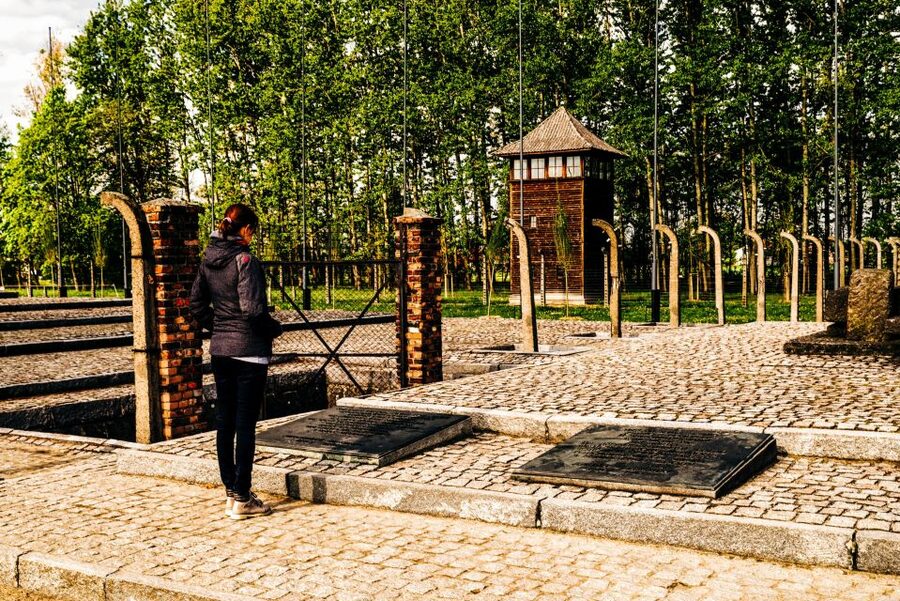
One of the most important places in Auschwitz I is Block 11, the central camp prison. The information provided for this tour notes that prisoners from across the whole camp complex were held there, and that it also housed the main camp commandant office and many SS offices. Even if you only spend a portion of your time there, this is the kind of space that makes the system feel bureaucratic and close, not distant.
The guided approach is the real value here. Instead of you wandering, you move with a professional guide on an official route, which helps you connect details like experiments, executions by shooting, and early mass transports to the physical layout you see.
Auschwitz I Schedule: Why the Break Matters
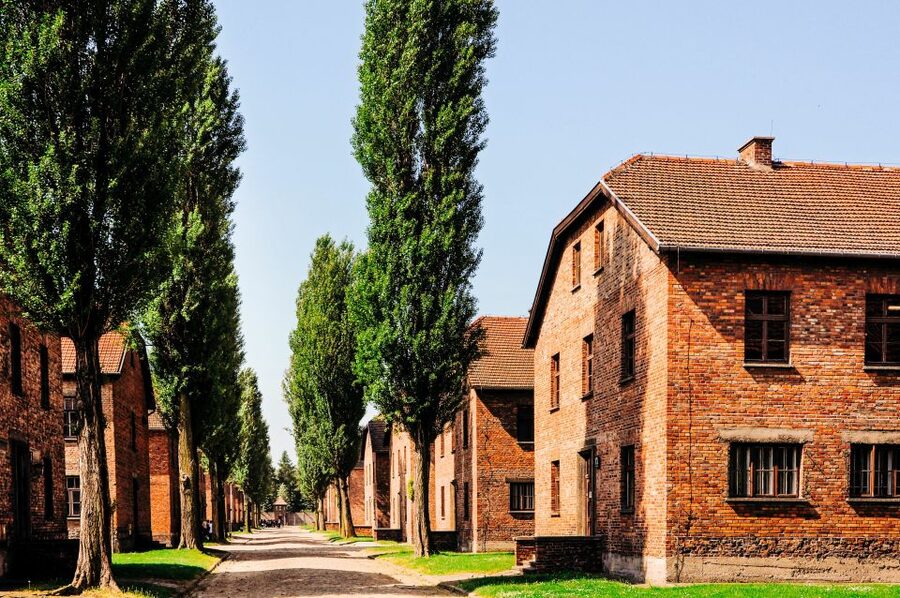
After Auschwitz I, the group takes a short break, about 15 minutes, before moving on to Auschwitz II-Birkenau. That is not a lunch stop, but it is enough time to reset your body and use the restroom if you need to.
This is also where you should be practical about what you bring. In the feedback, people pointed out there was no time to have a proper lunch. So my suggestion is simple: bring something you can eat in your available time, or at least be ready for a snack on the coach ride. The comfort of your day often depends less on planning meals and more on avoiding hunger during a mentally heavy itinerary.
Auschwitz II-Birkenau: Scale, Barracks, and Preserved Ruins
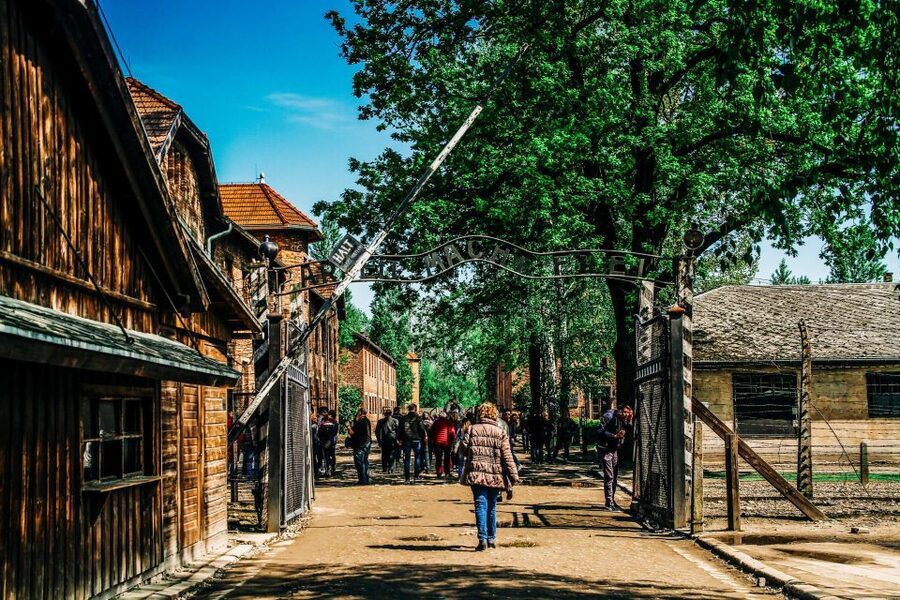
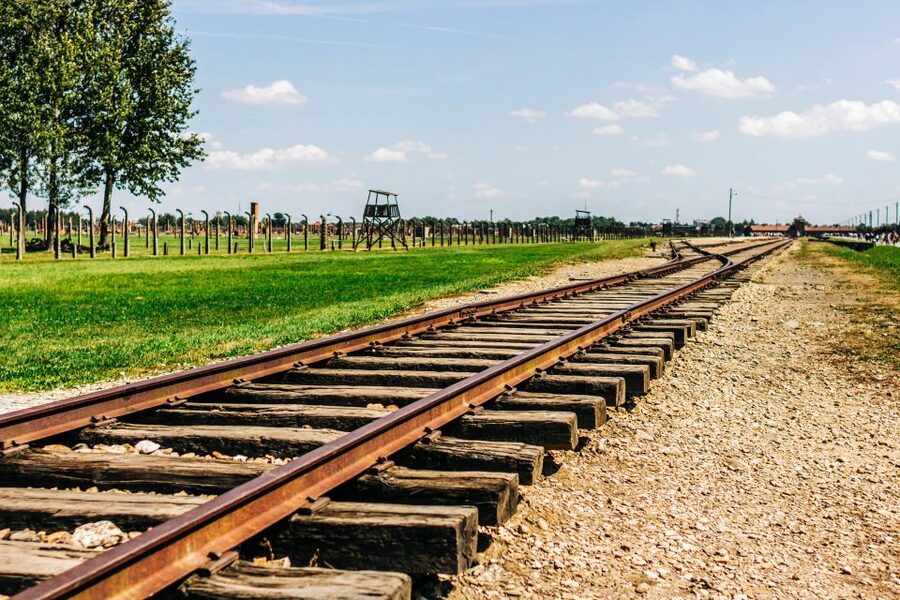
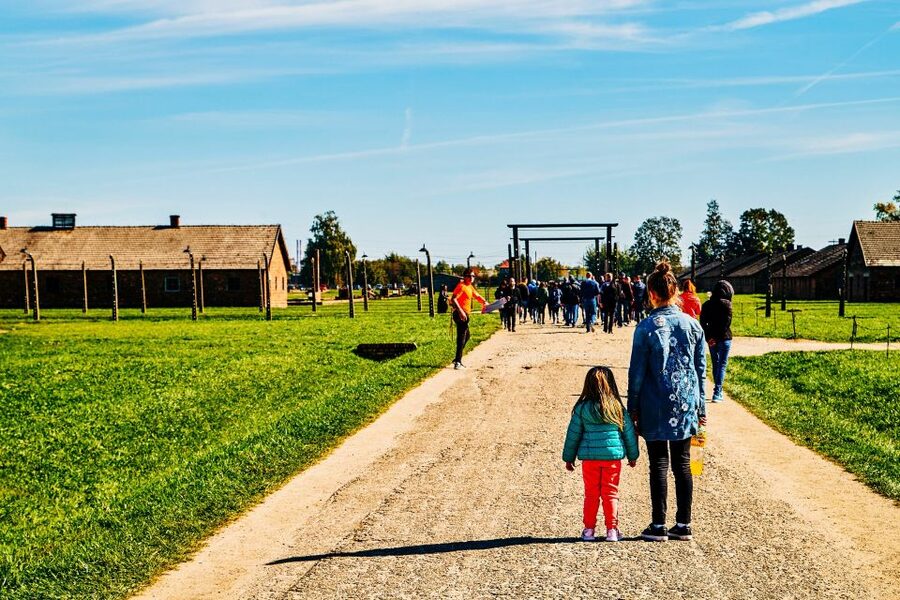
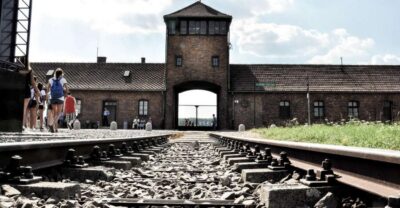
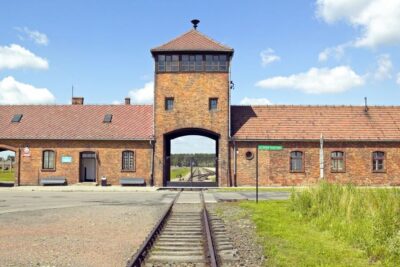
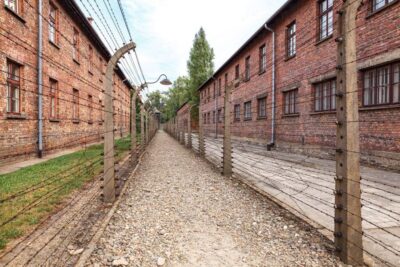
Then you shift to Auschwitz II-Birkenau, the site associated with large-scale mass extermination. The information for this tour notes that the Nazis built most of the facilities for mass killing here, and that approximately one million Jews were murdered. It also highlights the camp’s scale: nearly 200 hectares, with ruins of gas chambers and sites where ashes and human remains were kept, plus kilometers of fencing and roads.
Your guided time at Birkenau is about 1.5 hours. That might sound short until you understand what you are looking at. The preserved barracks, the wide open areas, and the way the layout stretches can make your brain slow down. A guide helps you connect what feels like distance into real meaning.
The tour description emphasizes that Birkenau was the largest concentration camp, with nearly 300 primitive, mostly wooden barracks, and over 100,000 prisoners in 1944, including Jews, Poles, Roma, and others. You do not need to memorize numbers to respect the facts, but having them spoken by a guide can stop you from treating the place as a general memorial. It becomes a specific operation, carried out with horrifying intent.
If you care about understanding how Auschwitz worked as a system, Birkenau is where the logic becomes impossible to ignore. You will see what remains of gas chambers and what the camp grounds preserve. You will also see fencing lines, roads, and barracks ruins that help explain how people were processed, contained, and exploited.

Tour Pacing: Where It Can Feel Rushed
This is one of those days where logistics never feel perfect, because the subject matter is enormous and the memorial sets how long you can spend. The tour itself is about 7 hours total, but the pacing is shaped by visitor service rules inside the museum.
Some feedback notes the tour can feel rushed, especially in terms of breaks and time for reflection. I agree with the spirit of that caution. Two things are working at once: you are moving between sites, and you are also following a guided route inside areas that often have set pathways and time windows.
So plan your expectations like this: you are going for a guided overview with key stops, not a slow personal study session. If you want extra time for reading plaques or absorbing at your own pace, you might find you want more time after the tour ends. That is not a complaint about the guide, it is just the reality of the schedule.
What Your Guide Does, and Why It Makes the Day Better
The guide is central to this experience, not optional. This tour includes an English-speaking tour host throughout the trip and a professional guide for the museum sections. The group size is capped at 30 visitors per 1 guide, which is large enough to be efficient but small enough to ask questions.
In the feedback, people repeatedly praise guides for being passionate, organized, and approachable. Names that came up include Anna as a guide, Bob as a guide, and a driver named Matias. Another review also mentions a guide with a dark-haired look and a blue hat, though the name was not remembered. One person even praised a guide for answering questions and connecting the content to current situations in a sensitive way.
That matters because Auschwitz can be emotionally hard to interpret on your own. A good guide gives you context while keeping you respectful of what you are seeing. If you get a guide who speaks clearly and controls the pacing, you will feel less lost and more present in the moment.
Price and Value: Is $22 a Good Deal?
The price is listed at about $22 per person, and that can feel like a bargain or a red flag depending on what you assume is included. Here is how I think about value for a trip like this.
You get:
- round-trip transport in a modern vehicle, plus pickup and drop-off in Krakow
- a documentary video on the way (when the option includes it)
- guided time at Auschwitz I and Auschwitz II-Birkenau with an English-speaking host
- skip-the-line access when a skip-the-line option is selected
What might cost extra:
- the museum entry ticket may not be included in every option. One specific option mentions an additional on-site payment of 150 PLN (about €36) for an entry ticket that is linked to a transport and host assistance setup.
So your best move is to check the option details before you book, especially whether skip-the-line tickets and entry are included. If your ticket and skip-the-line access are included, then the day becomes strong value for what you get: guided routes, transport, and reduced waiting time.
If entry is not included for your selected option, then yes, you are still paying a reasonable base price, but you should budget that on-site ticket amount so you are not surprised.
Pickup, Rules, and What to Pack So You Stay Unstressed
Logistics can make or break how you feel that morning. This tour has a clear setup: pickup is available from your hotel or apartment depending on the selected option, or you meet at the Radisson Blu Hotel Tourist Bus Stop. You are asked to arrive about 15 minutes before the confirmed pickup time.
Pickup times can shift. The info provided says your pickup time might change and will fall between 5:00 AM and 12:00 PM, with usual adjustments of 30 to 60 minutes, sometimes longer if needed. That is why you should plan for a flexible start and keep your phone ready for messages if your time changes.
For what to bring, keep it simple:
- passport or ID card
- comfortable shoes
For what not to bring:
- luggage or large bags
- alcohol or drugs
Also important: Auschwitz-Birkenau requires full name and contact details for booking, and entry may be refused if the name on your booking does not match the name on your ID. That is not something to treat casually, so double-check spelling.
Who This Tour Fits Best
This trip is ideal if you want a guided structure that connects Auschwitz I and Birkenau clearly. It suits you if you like having someone else manage museum rules, timing, and skip-the-line entry, while you focus on absorbing the information.
It is also a good choice if you are traveling from Krakow and do not want to coordinate transport and tickets on your own. You get round-trip pickup and a professional guide, plus the documentary primer en route.
If you are the type who needs long breaks or a slow, solitary pace inside memorials, you might find the schedule tight. But if you want a responsible overview with strong guidance and clear stops, this format makes a lot of sense.
Should You Book This Auschwitz-Birkenau Day Trip?
I think you should book this tour if you want a well-run, guided day that takes care of transport, timing, and museum entry steps from Krakow. The combination of hotel pickup, Mercedes Benz comfort, skip-the-line access (when selected), and guided coverage of both Auschwitz I and Auschwitz II-Birkenau is hard to beat for a day trip format.
I would not book it if you are hoping for a leisurely day with lots of breaks or extra free time at the memorials. The day is long, the schedule is shaped by museum regulations, and there is not a true lunch break built into the plan.
FAQ
How long is the Krakow to Auschwitz-Birkenau tour?
The trip is listed as 7 hours, about 570 minutes, though the memorials visitor service rules can affect the exact timing.
What camps will I visit during the tour?
You visit Auschwitz I and Auschwitz II-Birkenau, with guided time in both parts.
How much time do I get with the guide at Auschwitz I and Birkenau?
The guided tour is about 2 hours at Auschwitz I and about 1.5 hours at Auschwitz II-Birkenau.
Is hotel pickup included, and where do I meet if I choose not to?
Pickup is optional. You can choose pickup from your hotel or apartment, or you can meet at the Radisson Blu Hotel Tourist Bus Stop in Krakow.
Does the tour include skip-the-line entry?
Skip-the-line access is available through a separate entrance, but skip-the-line tickets are only included if you select the skip-the-line option.
What language is the guided tour available in?
The tour is offered with live guides in English and Polish.
What do I need to bring for entry?
Bring your passport or ID card and wear comfortable shoes.
Are there restrictions on bags or food?
Yes. Luggage or large bags are not allowed. Alcohol and drugs are also not allowed.
Is there a documentary on the way to Auschwitz?
Yes. A documentary film about Auschwitz is shown on the way to the camp, though it is not included in options with private transportation service.
How much is the tour, and are any costs paid on site?
The price is listed at about $22 per person. One option mentions an additional on-site payment of 150 PLN (about €36) for an entry ticket linked to transport and tour host assistance to get the ticket.
More Guided Tours in Krakow
More Tours in Krakow
More Tour Reviews in Krakow
Not for you? Here's more nearby things to do in Krakow we have reviewed





More Auschwitz-Birkenau Memorial Tours to consider.
 ★ 4.5From Krakow: Auschwitz-Birkenau Guided Tour & Hotel PickupFrom $2133,358 reviews
★ 4.5From Krakow: Auschwitz-Birkenau Guided Tour & Hotel PickupFrom $2129,340 reviews
★ 4.5From Krakow: Auschwitz-Birkenau Guided Tour & Hotel PickupFrom $2133,358 reviews
★ 4.5From Krakow: Auschwitz-Birkenau Guided Tour & Hotel PickupFrom $2129,340 reviews
 ★ 4.5Auschwitz Guided Tour with Optional Hotel PickupFrom $6915,280 reviews
 ★ 4.5Auschwitz-Birkenau Guided Tour with Pickup & LunchFrom $219,800 reviews
 ★ 4.5Auschwitz-Birkenau Guided Tour Pickup/Lunch OptionsFrom $2009,057 reviews
 ★ 4.7Auschwitz-Birkenau and Salt Mine Guided TourFrom $549,020 reviews
 ★ 5.0Krakow to Auschwitz Birkenau Guided Tour with Transfer and TicketFrom $368,197 reviews
 ★ 4.0From Krakow: Auschwitz Birkenau Tour with TransferFrom $216,134 reviews
Other ways to explore Krakow