
Review · AUSCHWITZ-BIRKENAU MEMORIAL TOURS
Krakow: Guided Auschwitz Birkenau Tour
This day hits hard, in the best way. You’ll get a guided route through Auschwitz I and Auschwitz II Birkenau, with skip-the-line entry plus a professional guide who keeps the history clear, paced, and respectful.
The logistics are handled for you, including round-trip travel from Krakow’s 14 Straszewskiego Street. One consideration: the memorial sets the pace, and the day can feel like nonstop walking and moving, so you’ll want comfortable shoes and a calm mindset going in.
Key highlights you should know
- Skip-the-line tickets help you avoid extra waiting once you reach the entrance area
- Auschwitz I and Birkenau together means you see the full breadth of the system, not just one site
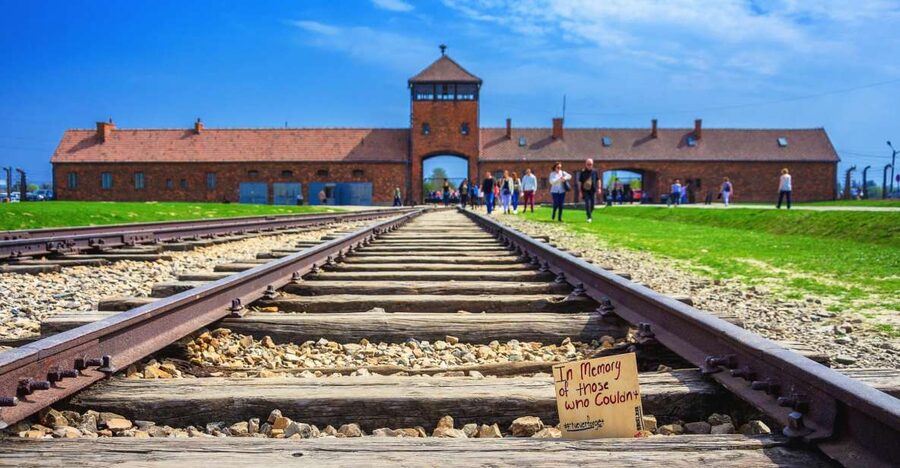
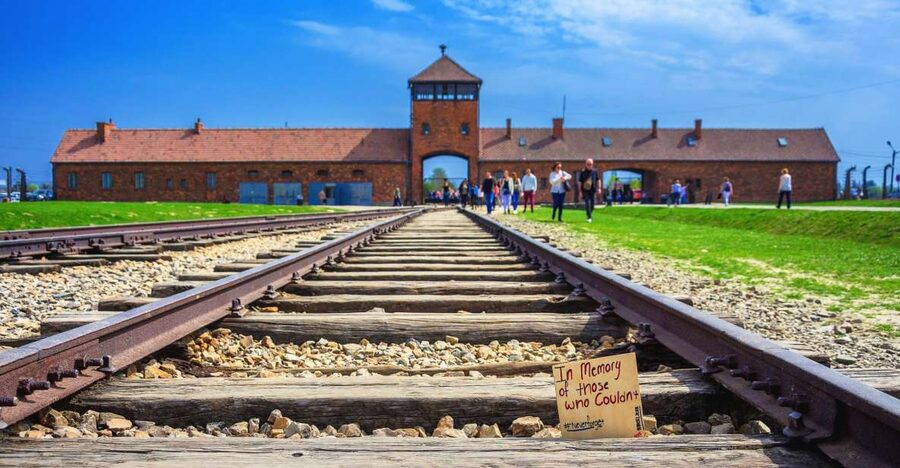
- A professional local guide leads you through original places like the death wall, crematoria buildings, and the Birkenau railway ramp
- Time in prison blocks and exhibitions gives you context, not just photo stops
- A day-long timeline includes travel to and from Oświęcim, so plan the whole day, not a quick half-day detour
From Krakow’s 14 Straszewskiego Street to Oświęcim
If Auschwitz is on your Krakow to-do list, this tour is built for a smooth day. You start at 14 Straszewskiego Street (meeting point details can vary depending on the exact pickup option you choose), then you ride out to the museum complex in Oświęcim. The same location is your end point, so you are not scrambling with transit after a very heavy visit.
The drive time from Krakow is long enough that you can get mentally ready. Plan to save the whole day. The start time can change based on the Auschwitz Museum’s visitor service decisions, so treat this like a fixed commitment, not something you squeeze between lunch plans and a sunset walk.
I like that the structure keeps you from getting lost in the details. You show up, you’re guided, and you’re returned to the same Krakow address when it’s done. That matters on a trip where you’re better off spending your energy on what you’re seeing, not on logistics.
You can also read our reviews of more guided tours in Krakow
Skip-the-line entry, but still expect security and waits
The tour includes skip-the-line tickets, and that is real value. On a site like Auschwitz-Birkenau, getting in without extra ticket queue time saves energy. Still, you should expect the usual realities of a major memorial: ID checks and security processes can take time, and the flow of people is not something the tour can fully control.
Once you pass the required screening, you are guided into the proper part of the experience. In practice, this means less time hunting down the right checkpoint and more time being in the right place when your guide begins the next section.
One practical note that often gets overlooked: alcohol is forbidden during the tour. This is a serious site, and the rules reflect that. If you’re the kind of traveler who wants a drink to take the edge off emotionally, skip that idea here. Your “comfort” needs to come from preparation: shoes, water or snacks for before or after, and the mental flexibility to go slowly when the setting demands it.
Auschwitz I: where the story starts to feel unavoidable
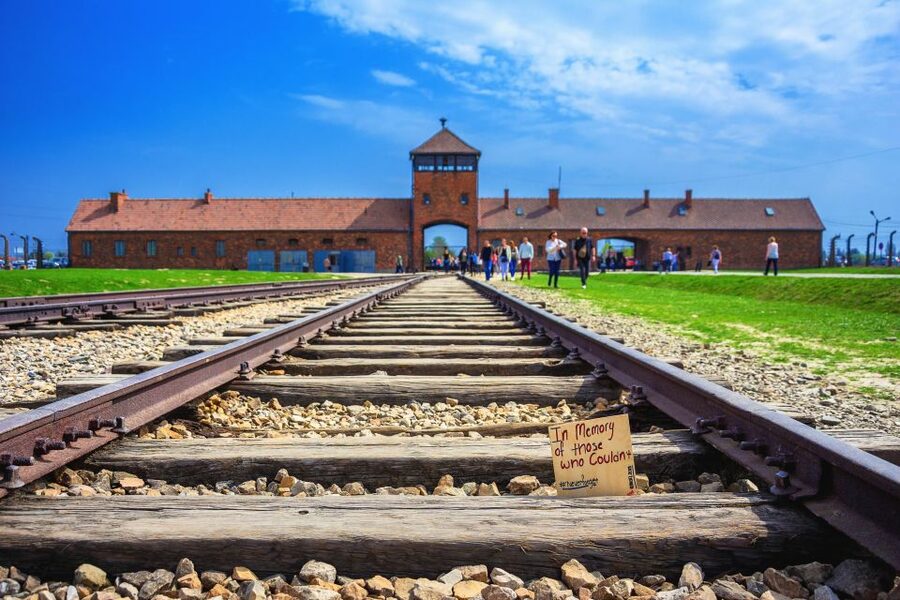
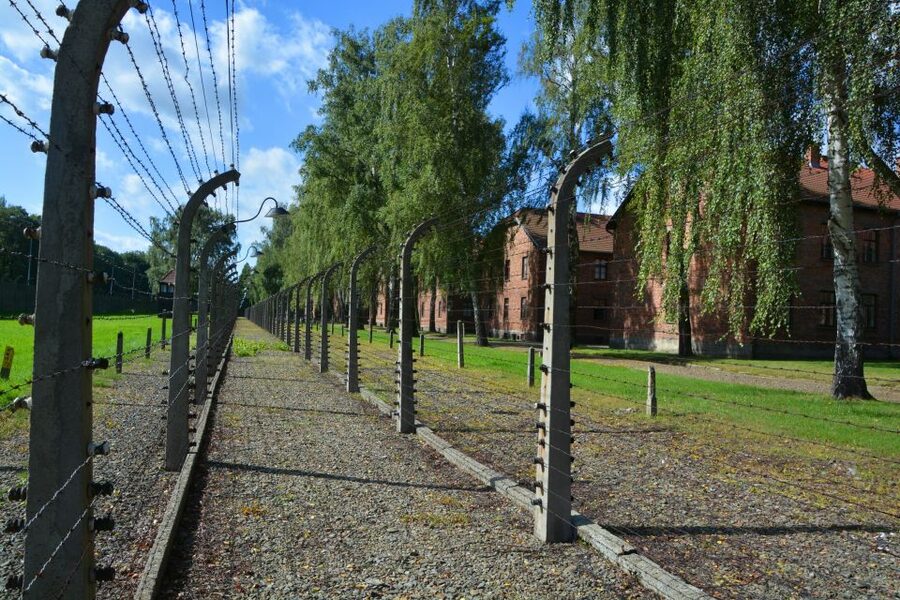
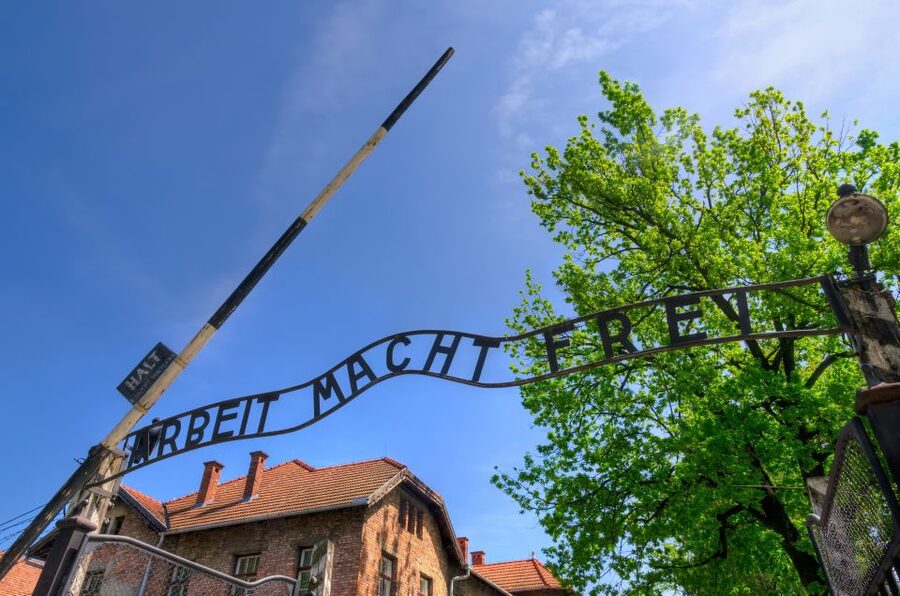
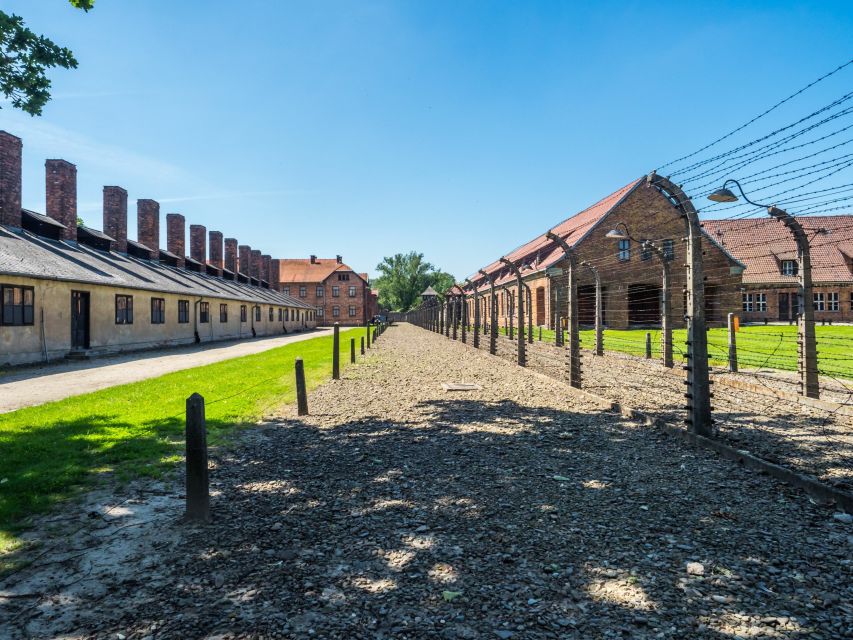
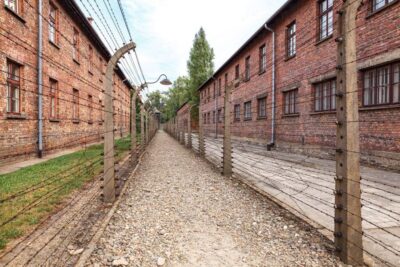
Auschwitz I is where you begin to grasp the mechanism of terror. You’ll spend guided time in the museum and surviving camp areas, including exhibitions in remaining prison blocks, prisoner rooms, and major sites like the death wall and areas tied to the camp’s death-processing infrastructure, including gas chambers and crematoria buildings.
The key benefit of having a guide here is not just facts. It’s translation of what you see into something your brain can organize. The camp is huge in meaning, but small in comfort. Without context, you may stare at objects and photos and feel like you’re watching history without understanding it.
With a guide, you get a thread. You learn how the system worked, how power was enforced, and how everyday objects and buildings fit into the larger machinery. That’s the difference between ticking off sights and actually understanding why each piece matters.
I also like how the tour is designed to keep your attention from drifting. You don’t just walk from one headline object to another. You move through buildings, exhibitions, and original spaces in a way that builds comprehension step by step.
Auschwitz II Birkenau: the scale that changes how you think
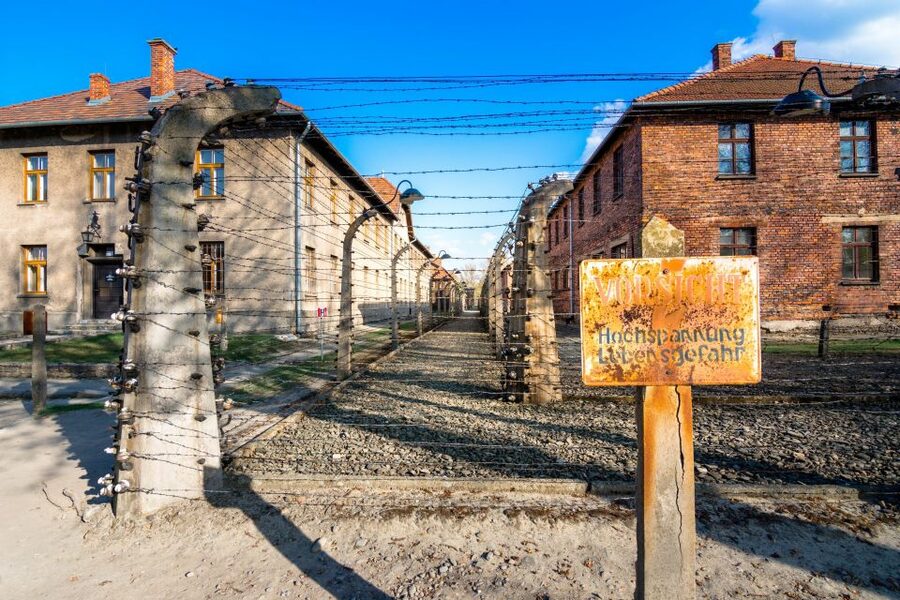
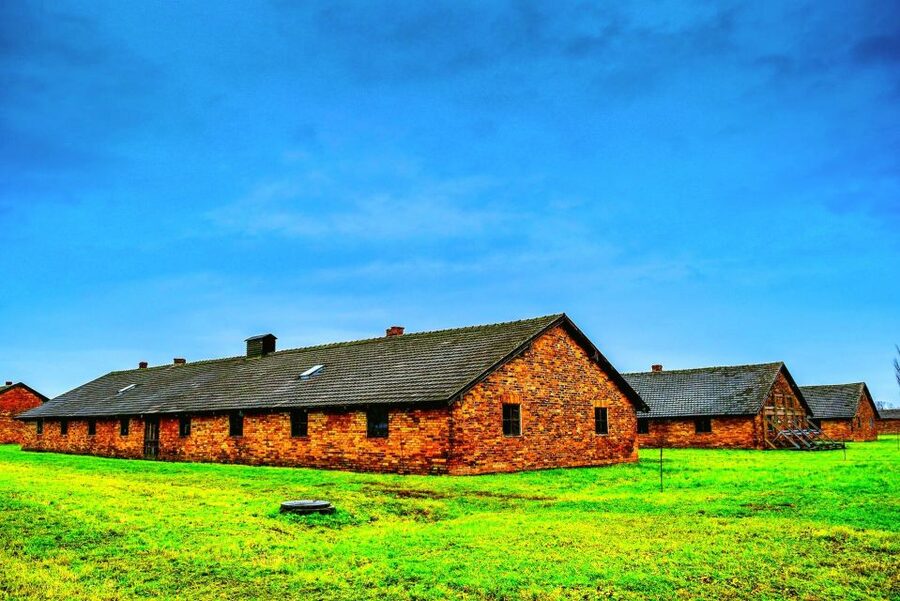
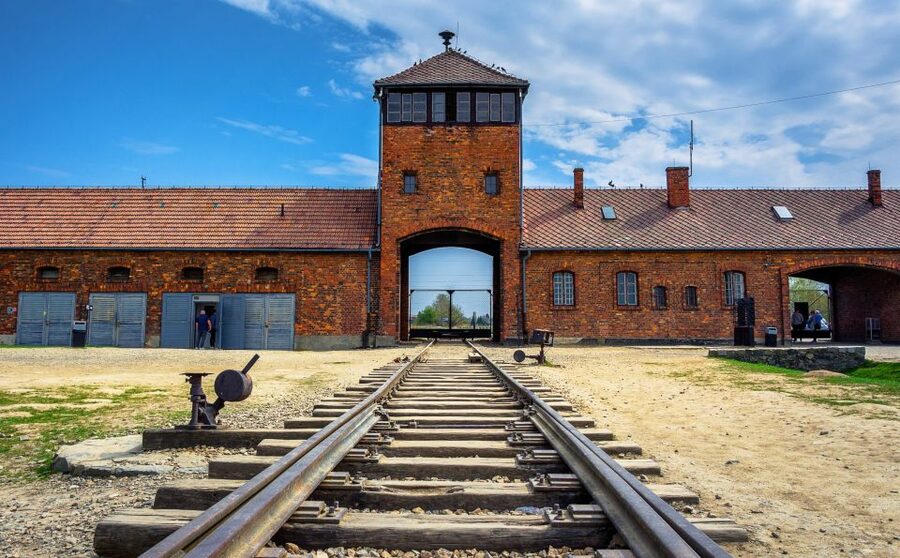
Birkenau is where the experience can feel bigger than your expectations, even if you’ve researched beforehand. The tour includes guided time through Auschwitz II, and it focuses on original areas such as remaining barracks and the railway ramp, where prisoners were brought into the camp system.
This is also where you’ll encounter the structures tied to the camp’s mass murder infrastructure, including the gas chambers and crematoria buildings, plus other original objects that convey daily camp reality and the treatment of imprisoned people.
One thing I recommend: let your guide set the pace mentally. Don’t try to speed up the emotional processing. Your eyes will want to scan for the most recognizable images. Your brain does that naturally. But the guide’s job is to pull you back to what each stop is showing you, and how it fits into the bigger story.
A practical tip: this part of the route involves a lot of ground and standing. Even when you are not “doing sports,” it feels physical. If you can, wear shoes you can handle for hours, not just for walking a city block.
The guide is the real product here, not just the bus
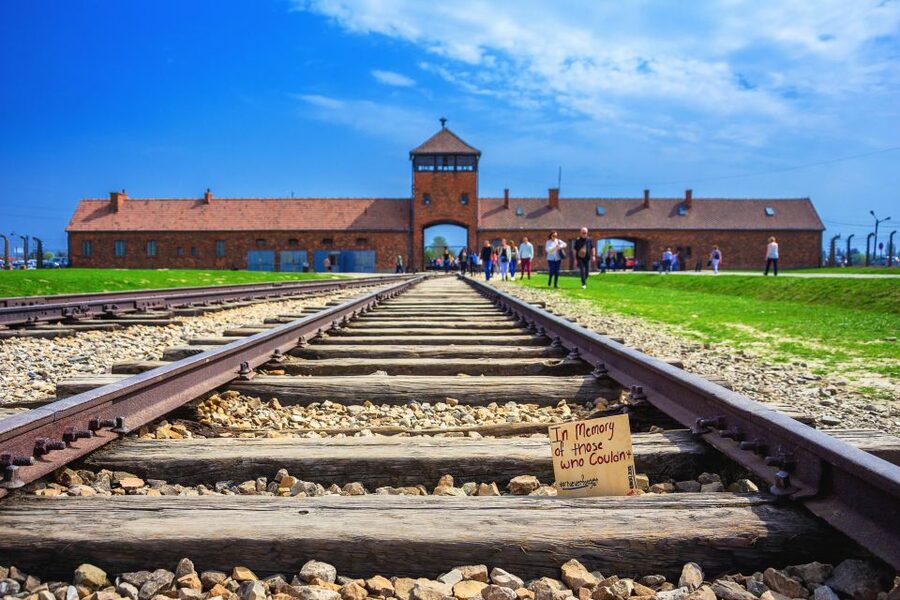
The bus and tickets are important. But the guide is what turns this from a cold checklist into something you can actually carry with you.
This tour is led by a local guide in your chosen language when possible (English, Polish, French, Italian, German, or Spanish). If minimum numbers for a language are not met, you’ll go with English. In other words, you shouldn’t worry about being left without a guide.
I also like that the experience is delivered with clear support. Many guides provide instructions in a calm way, and the overall flow is designed so you can hear your guide through headphones while you’re inside the camp areas. That makes a difference because you’re dealing with wind, crowds, and echoes, and those things can scatter your attention fast.
Guides also handle questions in real time. When you’re standing in front of something that looks confusing, you want answers that are direct but careful. That’s where a good guide adds value. They help you avoid the common trap of making guesses from partial information.
From a practical angle, consider taking notes sparingly. After a few stops, your memory might feel overloaded. Instead of writing everything, I’d focus on a few terms your guide repeats, then later look those up while the day is still fresh in your mind.

Timings and the pace: the day is long, and it moves with purpose
This experience is listed as 210 minutes to 7 hours, and in real life that range makes sense. Between the drive from Krakow and the multi-part guided segments, you are effectively committing a full day.
Here is the shape of how it typically runs:
- You travel from Krakow to the memorial complex by bus or coach (the drive takes about 1.5 hours).
- You have guided time at Auschwitz I (about 2 hours).
- You change sites with a short coach transfer (about 15 minutes).
- You have guided time at Auschwitz II Birkenau (about 1.5 hours).
- You return to Krakow by coach (about 1.5 hours).
So yes, it is a lot of movement. That’s not a flaw, it’s the site’s reality. Auschwitz is not a single room you can browse at your leisure. It is multiple areas that must be visited in a sequence that aligns with visitor flow and memorial rules.
One more consideration that matters: lunch breaks are not the kind of full reset you might expect. In past departures, there has been only a short snack window. Plan like a realist: wear comfortable clothes, and think about what you can eat quickly before you’re out of rhythm. (The tour itself doesn’t include food and drinks.)
What to bring, and what not to bring, so you do not lose time
Your preparation here is simple, but it’s not optional.
Bring:
- Your passport or ID card. This is required.
- Comfortable clothes and shoes.
The ID requirement is serious. If the name on your booking does not match the name on your ID, you can be refused entry. I’d double-check your spelling before you go, even if you booked months ago.
What not to bring:
- Luggage or large bags. The maximum size for hand luggage is 12 x 8 x 4 inches (30 x 20 x 10 centimeters). Anything larger must be left on the bus during the visit.
This is where I usually save people time: pack small. Skip bulky backpacks, and keep only what you truly need for the day. If you bring a bag that’s borderline, you might spend your first part of the day dealing with storage rather than learning.
Also remember the tour runs with memorial-determined pacing. So even if you want to adjust your plan, you can’t treat this like a flexible museum afternoon.
Language options and how to handle them
You can choose a guide language from English, Polish, French, Italian, German, or Spanish. If there aren’t enough people for that language, the tour runs in English.
This setup is practical. You’re not gambling on finding out at the last minute that no guide is available. It also means if you’re fluent in another language, you might still end up with English. If that matters to you, keep that flexibility in mind when you book.
No matter the language, the guide’s mission is the same: explain the history of the camps with dignity and clarity. If you are relying on language accuracy, headphones help you follow even in noisy outdoor areas.
Price and value: why this is not just a cheap day trip
The price is $69 per person, and value comes from what’s included.
You’re getting:
- Skip-the-line tickets
- Round-trip transportation from Krakow (if you select pickup)
- A local guide in your chosen language
- An English-speaking driver or tour leader
- The tour experience structured around guided visits of both camps
For many visitors, the biggest value is the guide plus the “arrive organized” part. Auschwitz is the kind of place where self-navigation can lead to confusion. Even if you research a lot, the story is easier to grasp with an expert who can connect objects, buildings, and dates into a coherent explanation.
Also, you get a managed flow between Auschwitz I and Birkenau. That saves time and worry. When you’re facing a day that is already emotionally intense, reducing decision fatigue is real value.
Who should book this Auschwitz Birkenau tour from Krakow
This tour fits best if:
- You’re visiting Auschwitz and Birkenau for the first time
- You want skip-the-line entry and a guide to interpret what you’re seeing
- You appreciate structured time and clear routing
- You want to minimize planning stress and be back in Krakow afterward
It may be less ideal if:
- You have mobility impairments. The tour is not suitable for people with mobility impairments, and the day includes significant walking.
- You want total freedom to linger in one exhibit longer than the rest. The memorial sets the pace and duration of visits.
If you are sensitive to heavy content, book anyway, but prepare properly. This site is not a place to “power through.” It’s a place to show respect with your attention, your pace, and your behavior.
Should you book? My straight answer
Yes, book this if you want an organized, guided Auschwitz and Birkenau day from Krakow with skip-the-line access. The guide-driven format is the difference between seeing buildings and understanding what those buildings meant.
Don’t book if you can’t handle long hours on your feet, or if you’re looking for a flexible, slow-paced personal museum wander. In those cases, you might feel more frustrated than comforted by the structured flow.
One last tip: plan your day around this. Save the whole day, pack small for ID and bag rules, and bring shoes that you trust. Then focus on listening. In a visit like this, that’s how you honor the place, and that’s how you leave with real understanding.
FAQ
How long is the Auschwitz Birkenau guided tour from Krakow?
The experience is listed as 210 minutes up to about 7 hours, depending on the day and timing set by the memorial visitor service.
What does the tour include?
It includes skip-the-line tickets, a local guide in your chosen language (or English if needed), round-trip transportation from your selected meeting option, and an English-speaking driver or tour leader.
Where is the meeting point in Krakow?
The tour meeting point is 14 Straszewskiego Street, though the exact meeting point can vary depending on the option booked. The tour also ends back at Straszewskiego 14.
Do I need to bring an ID?
Yes. You must bring your passport or ID card. Entrance may be refused if the name on your booking does not match the name on your ID.
Is the tour available in languages other than English?
Yes. Live guide languages can include English, Polish, French, Italian, German, and Spanish.
Are luggage bags allowed?
No large bags are allowed. Hand luggage is limited to 12 x 8 x 4 inches (30 x 20 x 10 centimeters). Larger luggage must be left on the bus during the visit.
Is alcohol allowed on the tour?
No. Drinking alcohol is forbidden during the tour.
Is this tour suitable for people with mobility impairments?
No. The tour is listed as not suitable for people with mobility impairments.
More Guided Tours in Krakow
More Tours in Krakow
More Tour Reviews in Krakow
Not for you? Here's more nearby things to do in Krakow we have reviewed






More Auschwitz-Birkenau Memorial Tours to consider.
 ★ 4.5From Krakow: Auschwitz-Birkenau Guided Tour & Hotel PickupFrom $2133,358 reviews
★ 4.5From Krakow: Auschwitz-Birkenau Guided Tour & Hotel PickupFrom $2129,340 reviews
★ 4.5From Krakow: Auschwitz-Birkenau Guided Tour & Hotel PickupFrom $2133,358 reviews
★ 4.5From Krakow: Auschwitz-Birkenau Guided Tour & Hotel PickupFrom $2129,340 reviews
 ★ 4.5Auschwitz Guided Tour with Optional Hotel PickupFrom $6915,280 reviews
 ★ 4.5Auschwitz-Birkenau Guided Tour with Pickup & LunchFrom $219,800 reviews
 ★ 4.5Auschwitz-Birkenau Guided Tour Pickup/Lunch OptionsFrom $2009,057 reviews
 ★ 4.7Auschwitz-Birkenau and Salt Mine Guided TourFrom $549,020 reviews
 ★ 5.0Krakow to Auschwitz Birkenau Guided Tour with Transfer and TicketFrom $368,197 reviews
 ★ 4.0From Krakow: Auschwitz Birkenau Tour with TransferFrom $216,134 reviews
Other ways to explore Krakow