
Review · AUSCHWITZ-BIRKENAU MEMORIAL TOURS
Auschwitz-Birkenau: Skip-the-Line Entry Ticket & Guided Tour
The gate is real, and the day is heavy. This Auschwitz-Birkenau guided tour helps you make sense of what you see, with a professional educator leading you through Auschwitz I and Birkenau. You are guided through preserved spaces and the scale of the system, not just the headline facts.
I especially like the skip-the-line entry and headsets, because you start faster and you can actually hear your guide, even in busier areas. I also like the structured pacing, including a planned break after Auschwitz I, so the tour does not feel like a nonstop sprint.
One consideration: the tour involves a lot of walking and standing, and the operator has clear rules on what you can bring and wear. If you are sensitive to long, somber visits (or you have mobility limits), you should plan carefully.
Quick hits before you go
- Fast-track entry reduces waiting and gets you into the camps sooner
- WWII educator with headsets keeps the story clear, in several languages
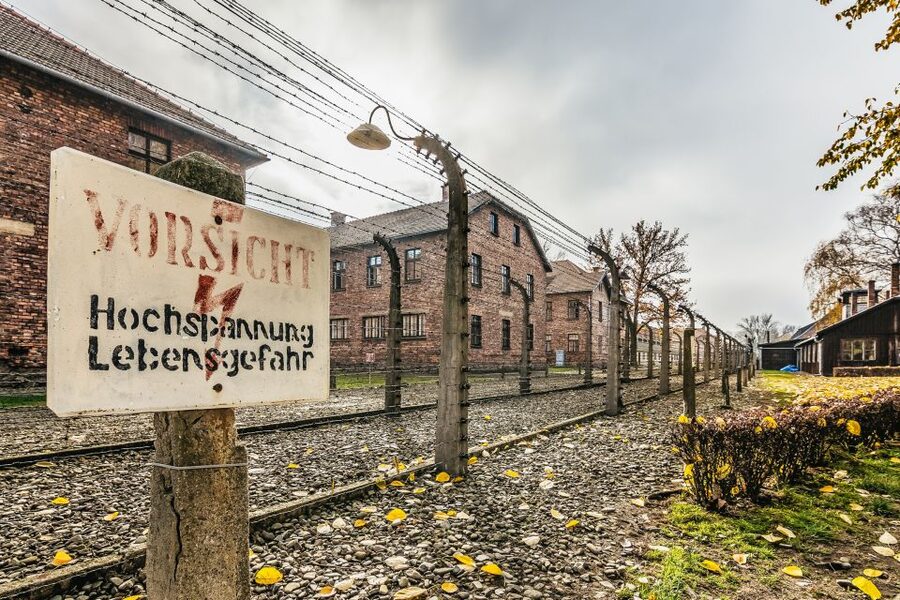
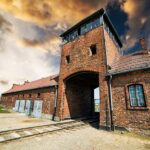
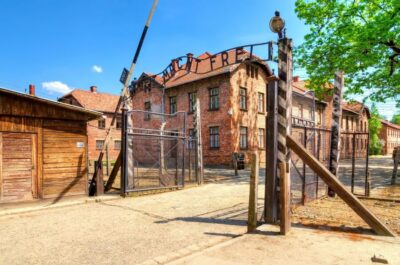
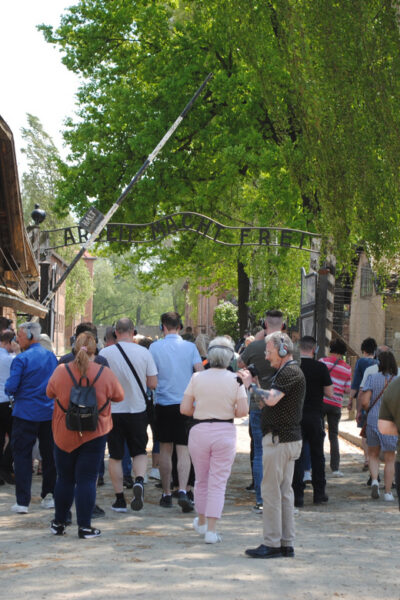
- Auschwitz I route includes preserved barracks and the Arbeit macht frei gate area
- Birkenau stop focuses on the prison system and mass murder site layout
- A 15-minute handoff after Auschwitz I means you need to move on your own for the 2 km gap
- Rules matter: no big bags (over 20 x 30 cm), no short skirts, no sleeveless shirts
What this Auschwitz-Birkenau tour is really for
This is not the kind of visit where you just check a box and move on. Auschwitz-Birkenau is designed to be experienced slowly, with context in place, because the physical details hit you differently once you understand what you are looking at.
The big value here is that you go with a professional educator and a real plan. With fast-track entry, plus headsets, you skip a chunk of friction and spend more time with the actual site. And because the tour goes through both Auschwitz I and Auschwitz II (Birkenau), you get the full arc people usually miss when they only do one camp.
The tour runs about 210 minutes total, and it is offered during a daytime window from 7:30 AM to 3:00 PM. Your exact start time is sent the day before, which matters because you are dealing with security lines and a site that controls entry times.
More Krakow tours, salt mines, mountain days, and city experiences to compare


Before you enter Auschwitz I: tickets, security, and getting oriented
Meeting point details can vary by option, so you will want to find the exact spot in your confirmation. In most cases, the guide meets you near the museum entrance, hands out what you need, and then you go through security together to join the group.
Two practical things I like about this setup:
- Your ticket is handled for you, so you are not trying to figure out systems on-site.
- Headsets are included, which is huge when groups are gathered and the noise level changes.
You should also prepare for what the Memorial requires at the entrance. You must bring passport or ID card. Bags are restricted, and the maximum size allowed is 20 x 30 cm. Larger luggage or big backpacks are not permitted, so pack light.
Dress rules are strict enough to affect comfort. Short skirts and sleeveless shirts are not allowed, so plan on wearing something that looks plain and respectful. Also note the tour environment is cold in winter and the visit includes lots of outdoor walking in Birkenau, so bring layers and sensible shoes.
Auschwitz I: the preserved camp that explains the system
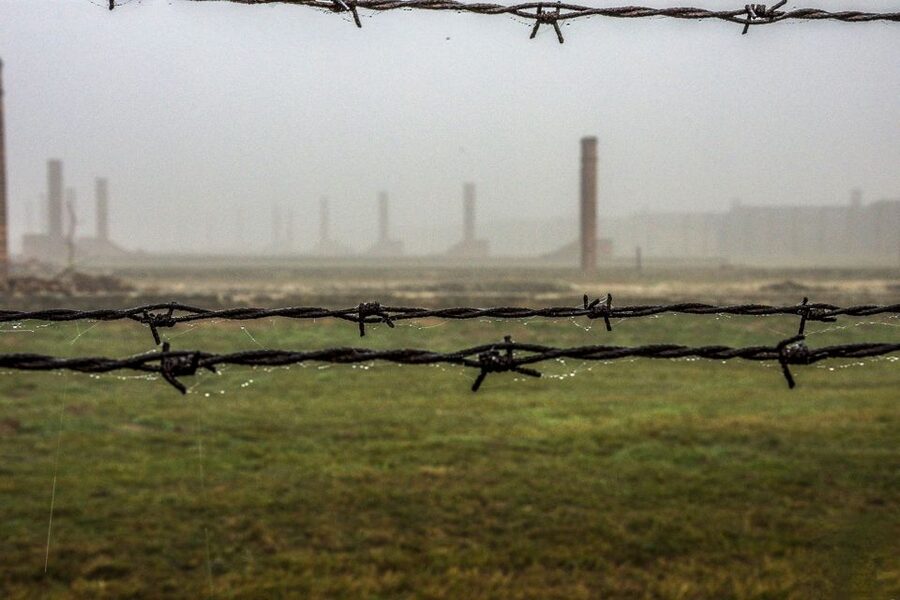
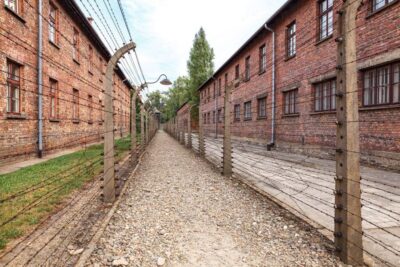
Auschwitz I is where you get a clear first understanding of the machinery of the camp: layout, preserved structures, and the logic of control. This tour passes through the area associated with the Arbeit macht frei gate and then leads you through Auschwitz I, with your educator explaining what you are seeing and why it mattered.
What makes this part valuable is that you are not just watching exhibits, you are seeing how the spaces were used. One strong theme in the best guide reports is how they manage the tension between factual detail and emotional weight. Guides like Margherita, Marta, and Magda are repeatedly praised for being organized and for answering questions clearly, with careful language that matches the place.
You will likely spend about an hour and a half at Auschwitz I, including time with preserved buildings and museum content. The pace is guided, but you are not locked to your guide like a metronome. People mention there are breaks and opportunities to regroup, which matters when the topic is draining.
Photo rules are real here. If the guide tells you not to photograph certain areas, follow it. I know it sounds obvious, but this is where group behavior can affect your own experience, and respect keeps the whole visit from turning into noise.
The moment that changes your understanding
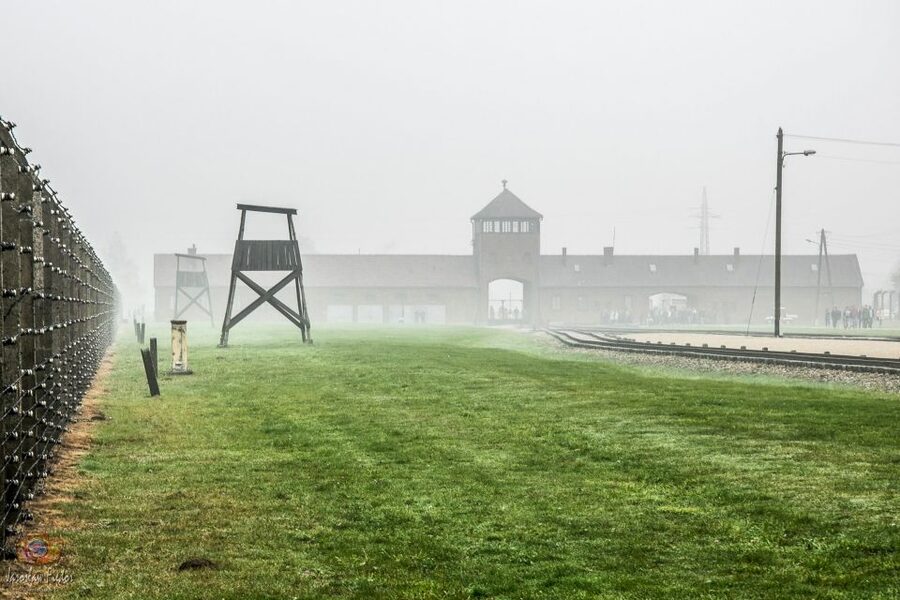
At Auschwitz-Birkenau, the story becomes more than numbers when you see scale. Even people who think they know Auschwitz find that the physical layout hits differently once you are standing in it.
That is the reason a guided format matters. Without context, it is easy to treat the camp like a museum of artifacts. With context, you start understanding how imprisonment, forced labor, and mass murder worked together as part of a single system.
You also get more out of the preserved details when someone frames them. In past group experiences, guides like Oscar Crespo, Jacob, and Conrad and Margaret are credited with explaining details and staying professional and kind. The best tours also answer follow-up questions at the end of sections, which helps you close gaps instead of leaving with only impressions.
The 15-minute break and the 2 km you must plan for
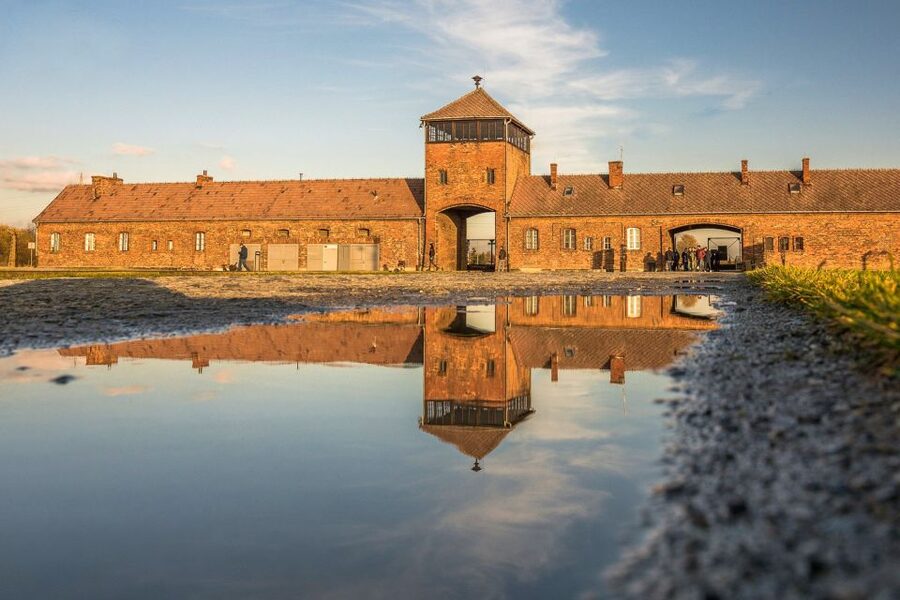
After Auschwitz I, there is a 15-minute break. During this time, you should head on your own to the car parking area in Brzezinka, which is about 2 km away, to get to Birkenau.
This part can surprise people because it is not the same as the operator physically transporting everyone. The tour data is clear that transportation between Auschwitz and Birkenau camps is not included. At the same time, multiple group reports mention a free shuttle bus running frequently between the sites.
So here is the practical way to think about it:
- You own the short gap movement during the break.
- You can use whatever public shuttle or option is available that day, but you should be ready to move quickly.
If you are using public transport, tell your tour leader before the start so you do not get stuck at the wrong time or place. Also keep an eye on group stickers. One report notes the shuttle process involves group handling, so follow your guide and staff directions.
You can also read our reviews of more guided tours in Oswiecim

Birkenau: barracks, layout, and why the field matters
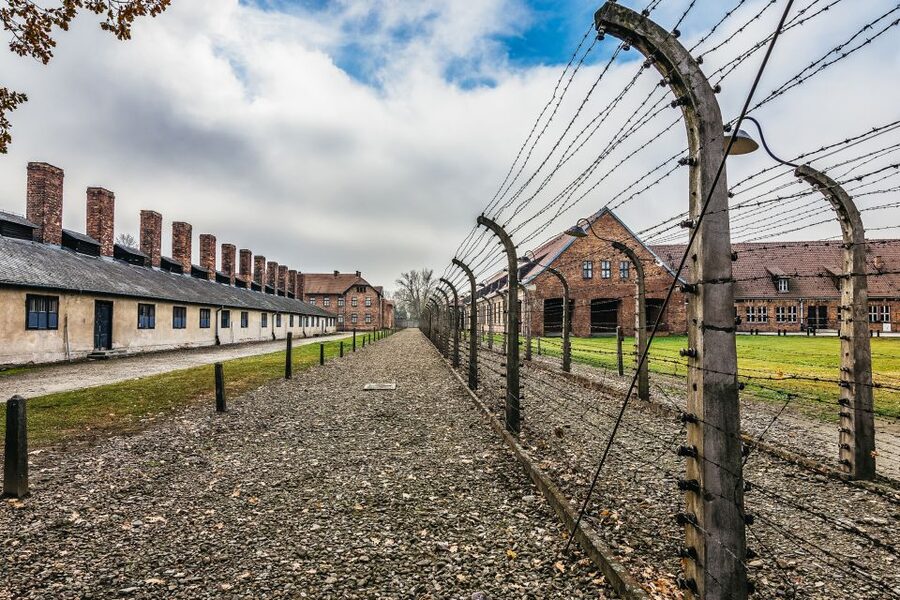
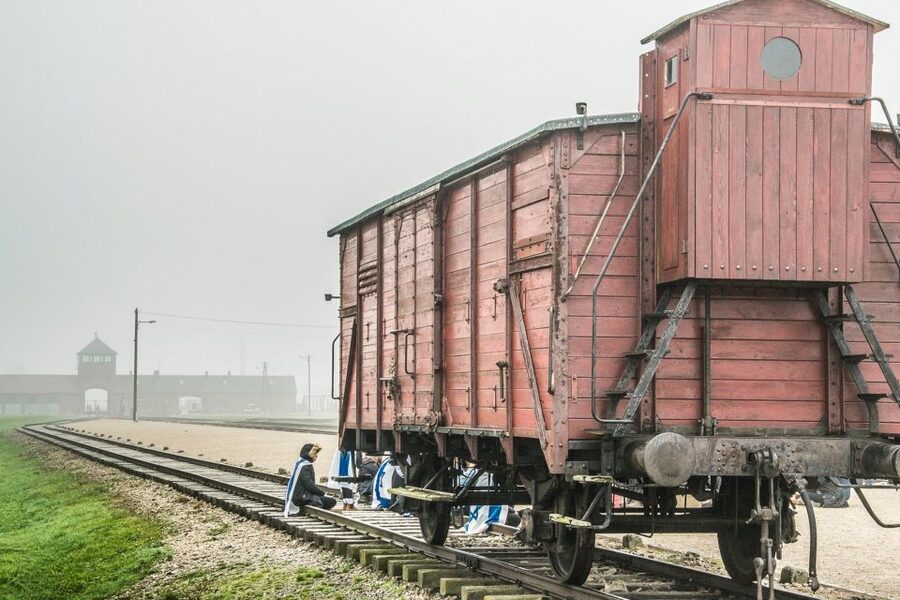
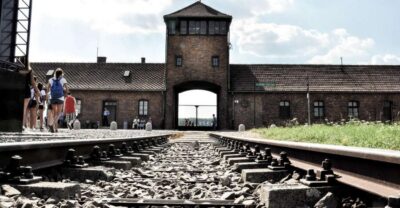
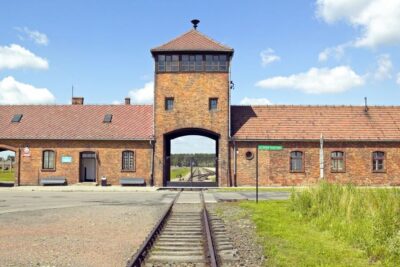
Birkenau is the larger, outdoor-heavy part of the visit, and it is where the camp’s scale becomes unforgettable. This tour sends you after Auschwitz I to visit Birkenau, where mass murder was carried out as part of the Nazi Final Solution to the Jewish Problem.
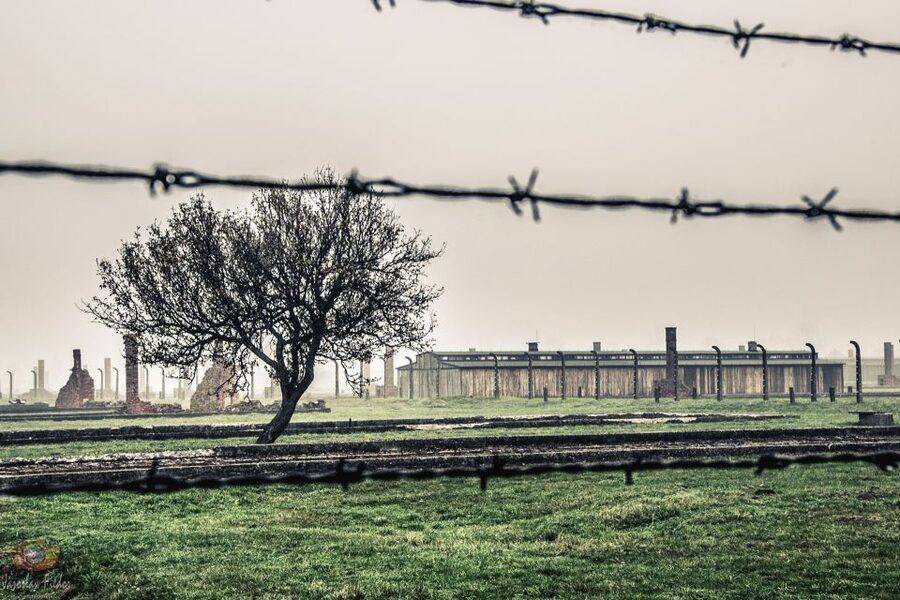
What you will see depends on the route your educator uses, but the key experience is the layout: barracks and the surrounding structures that explain confinement and selection. People describe it as a never-ending field, and even when you know the facts, the geometry of the place makes it hard to hold onto your usual reactions.
Several guide reports praise the way the educators create a somber atmosphere, keeping the visit respectful and structured. Guides are also credited with a calm, clear pace in many cases, which helps you keep up without sprinting. That said, one less-great experience report includes a pace issue that can cause problems if you cannot walk fast, especially during the Birkenau segment.
If you are concerned about mobility, this tour is listed as not suitable for wheelchair users and is not suitable for children under 12. If you can walk but sometimes need extra time, this is still worth considering, because Birkenau can be physically demanding.
Communication and guide quality: the difference between decent and excellent
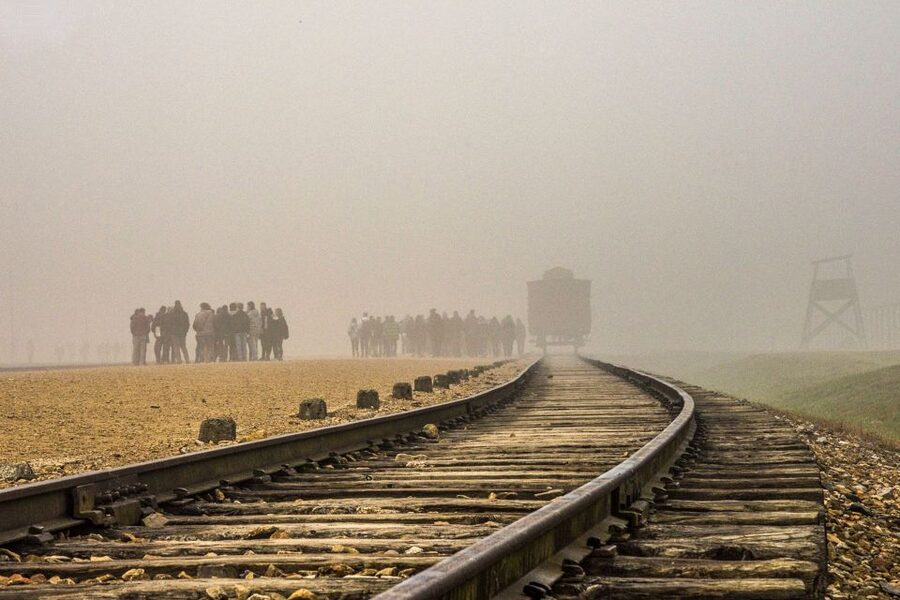
At Auschwitz-Birkenau, the guide can make or break your ability to process what you see. The tour’s strongest reviews emphasize three things: communication, structure, and respectful language.
You can see patterns in the guide mentions:
- Margherita is praised for excellent organization.
- Marta is praised for good English and keeping a group together through both camps.
- Jacob is praised for professionalism and explaining photo boundaries.
- Magda is praised for telling the essential details and answering questions.
- Oscar Crespo is praised for detailed explanation and overall kindness.
- Conrad and Margaret are praised for educational, friendly guiding.
Even when people have minor complaints, many still acknowledge the guide’s care. One common theme is the intentional wording used throughout the memorial, which helps you stay focused on what matters rather than turning the visit into random facts.
If you happen to have trouble hearing a guide due to language clarity, plan for it. Your best bet is to wear the headsets properly and sit close to the front when you can. When you cannot understand everything, you will still have the structure of the tour to anchor you.
Price and value: why $21 can be a smart choice
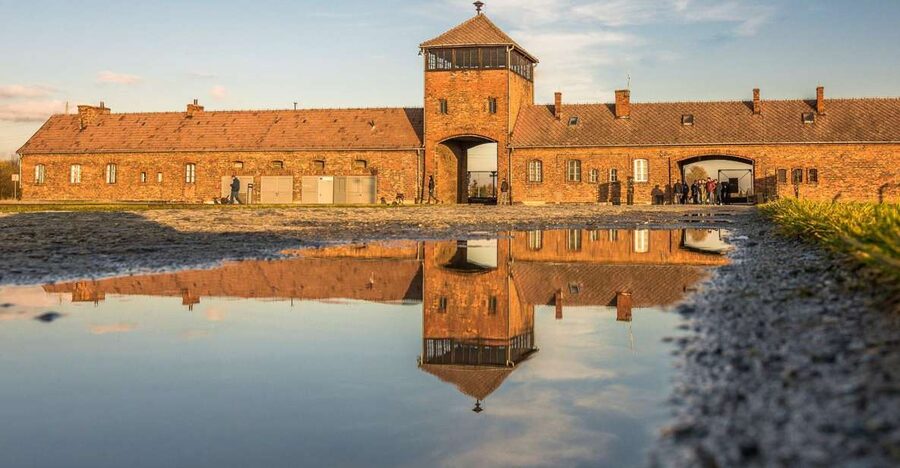
The price is listed at $21 per person. On its face, Auschwitz tickets can look inexpensive because access is sometimes available without huge markups. But this tour is paying for something important: the combination of skip-the-line entry, a guided educator, and headsets.
When you factor those in, $21 starts to make sense, especially for a one-day, time-limited visit. You reduce waiting stress, and you gain someone who can connect what you see to what it means. That connection is hard to build on your own in a site this large and emotionally intense.
Also, this is about efficiency. The tour lasts 210 minutes, and the visit is split between Auschwitz I and Birkenau. If you are only in the Krakow area for a short time, a guided format helps you use the day wisely.
Just remember what is not included. Hotel pickup and drop-off are not included, and parking fees are not included. And as noted earlier, transportation between camps is not included in the tour cost.
Who should book this tour, and who should not
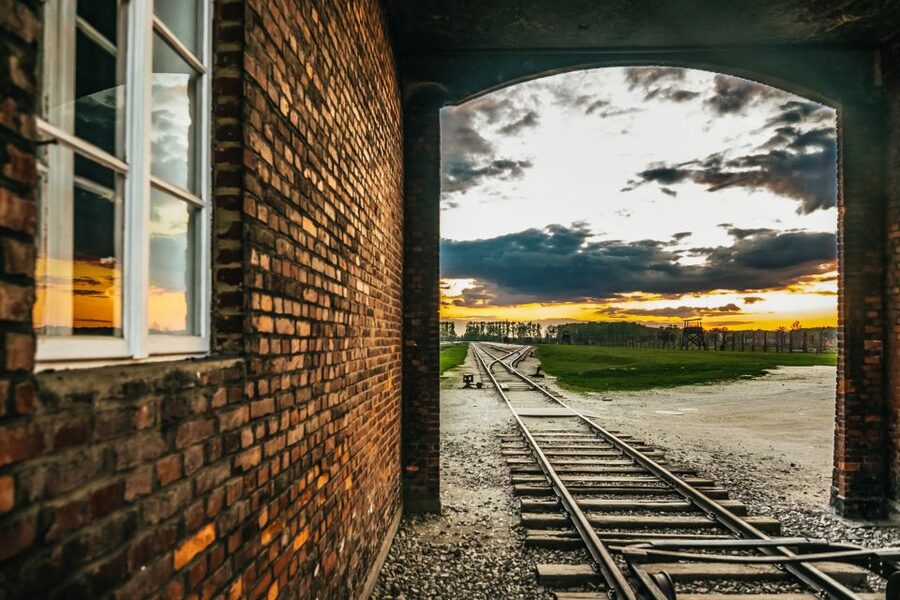
This tour fits best if you want guidance through Auschwitz-Birkenau and you appreciate a structured explanation. It is well-suited for adults and older teens, and the tour is listed as not suitable for children under 12.
You should also book this if:
- you want someone to handle the fast-track entry
- you value hearing the story through headsets rather than reading every sign
- you like asking questions and getting answers, because many guides end with room for questions
You might reconsider if:
- you need wheelchair access, since it is listed as not suitable for wheelchair users
- you cannot walk long distances or stand for extended periods, especially in Birkenau
- you are not ready for a visit that can bring strong emotions. People often report crying or feeling silent afterward, and that reaction is part of the reality of this site
Should you book this Auschwitz-Birkenau skip-the-line tour?
Yes, if you want the visit to be organized and guided by an educator, and you like the idea of walking in with your time already planned. The biggest reasons to book are simple: fast-track entry, headsets, and a route that covers both Auschwitz I and Birkenau in one experience.
If you are the kind of traveler who prefers reading on your own without a guide, you might feel a standard tour can be too structured. But for most people, Auschwitz-Birkenau is exactly the place where structure helps. It keeps you from missing the meaning of what you are seeing.
One more practical nudge: pack according to the rules. Bring ID, keep your bag within 20 x 30 cm, and wear something respectful that meets the dress code. Then show up ready to walk, ready to listen, and ready for a day that changes you, even if you think you already know the history.
FAQ
How long is the Auschwitz-Birkenau skip-the-line guided tour?
The total duration is about 210 minutes.
What does the skip-the-line ticket include?
You get a fast-track entry ticket to Auschwitz-Birkenau Museum, plus a museum guide and headsets.
Is transportation included between Auschwitz I and Birkenau?
No. Transportation between the Auschwitz and Birkenau camps is not included. After the Auschwitz I visit, there is a 15-minute break, and you need to go on your own to the car parking area in Brzezinka, about 2 km away.
What size bag can I bring?
Large bags or backpacks are not allowed. The maximum size permitted is 20 x 30 cm.
Are there clothing restrictions?
Yes. Short skirts and sleeveless shirts are not allowed.
What identification should I bring?
Bring your passport or ID card.
Is the tour suitable for children?
No. The tour is not suitable for children under 12, and it is also listed as not suitable for wheelchair users.
More Tickets in Oswiecim
More Tours in Oswiecim
More Tour Reviews in Oswiecim
Not for you? Here's more nearby things to do in Oswiecim we have reviewed
More Auschwitz-Birkenau Memorial Tours to consider.
 ★ 4.5From Krakow: Auschwitz-Birkenau Guided Tour & Hotel PickupFrom $2133,358 reviews
★ 4.5From Krakow: Auschwitz-Birkenau Guided Tour & Hotel PickupFrom $2129,340 reviews
★ 4.5From Krakow: Auschwitz-Birkenau Guided Tour & Hotel PickupFrom $2133,358 reviews
★ 4.5From Krakow: Auschwitz-Birkenau Guided Tour & Hotel PickupFrom $2129,340 reviews
 ★ 4.5Auschwitz Guided Tour with Optional Hotel PickupFrom $6915,280 reviews
 ★ 4.5Auschwitz-Birkenau Guided Tour with Pickup & LunchFrom $219,800 reviews
 ★ 4.5Auschwitz-Birkenau Guided Tour Pickup/Lunch OptionsFrom $2009,057 reviews
 ★ 4.7Auschwitz-Birkenau and Salt Mine Guided TourFrom $549,020 reviews
 ★ 5.0Krakow to Auschwitz Birkenau Guided Tour with Transfer and TicketFrom $368,197 reviews
 ★ 4.0From Krakow: Auschwitz Birkenau Tour with TransferFrom $216,134 reviews
Other ways to explore Krakow