
Review · AUSCHWITZ-BIRKENAU MEMORIAL TOURS
Auschwitz-Birkenau: Guided Tour and Skip-The-Line Ticket
One day here changes how you see everything. I love the professional licensed guide and the fact that your skip-the-line ticket helps you get through the start faster. The biggest drawback to plan for is the fixed tempo, the memorial sets how long you can spend at each stop.
You’ll meet your host just outside the Auschwitz I entrance, show your pre-booked ticket after security, and begin with the museum material that explains how the camp system worked. Then there’s a short break for lunch before you head to Auschwitz II Birkenau for about an hour with the same guide. This is a serious visit, so bring your ID and be ready for gas chambers, crematoriums, and barracks.
Key things to know before you go
- Licensed guide for the whole route, so the story stays clear from Auschwitz I museum to Auschwitz II Birkenau
- Skip-the-line entry at Auschwitz I, which matters when security lines back up
- Two-part visit with breaks, including a lunch window and time to handle the short move to Birkenau
- A practical transfer segment to Brzezinka, you’ll have a limited break and you go by your own transport (2 km)
- Clear rules on bags and photography, including a maximum bag size and no flash photos
Entering Auschwitz-Birkenau with Skip-The-Line Access
Auschwitz-Birkenau is not a place where you want to waste time fumbling with tickets, standing around, or figuring out what comes next. That is where this tour’s structure helps. You meet your host outside the Auschwitz I entrance, then you enter using your pre-booked ticket after the security check. With the skip-the-line ticket, you’re less likely to burn your limited time at the very first bottleneck.
The other thing I appreciate is that this is guided. Auschwitz is complex, and the memorial site includes a lot of material that is easy to misread if you only skim. A licensed guide helps you follow the timeline and understand what you are looking at, especially once you move from Auschwitz I to the open-air scale of Auschwitz II Birkenau.
There’s one key consideration: the memorial controls the rhythm. You will not get to slow down forever when something hits you emotionally. The schedule is built to cover both Auschwitz I and Birkenau within the full tour duration, so you need to mentally expect a paced visit.
More Krakow tours, salt mines, mountain days, and city experiences to compare
The 210-minute itinerary, with real-world timing
This tour runs for about 210 minutes, which is roughly three and a half hours total. The visit is split into two main parts with a break in between, and both parts are explained by the same professional licensed guide.
Here is the flow you should expect:
- Auschwitz I museum first, roughly 1 hour 20 minutes to 1 hour 50 minutes
- A break between parts, 10 to 15 minutes where you can eat lunch
- Auschwitz II Birkenau second, about 1 hour with the guide
Then comes an extra logistics detail that matters for your planning. After Auschwitz I, you get a 15-minute break to get to the car parking area in Brzezinka on your own transport, and the distance is 2 km. That means your schedule has a built-in “move now” feeling. If you are traveling from Krakow by public transport, make sure you mention that before the tour begins, so the leader can help you reach Birkenau during that short window.
If you’re the kind of person who likes to linger at each exhibit until your thoughts settle, the time limits may feel a little tight. Still, for most people, the guided structure helps you absorb more in less time.
Auschwitz I Museum: where the system becomes understandable
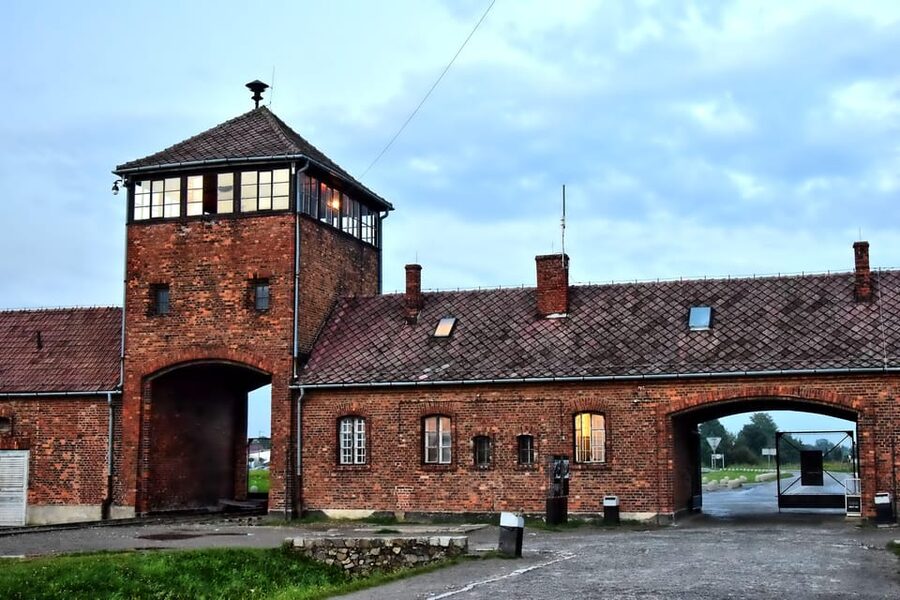
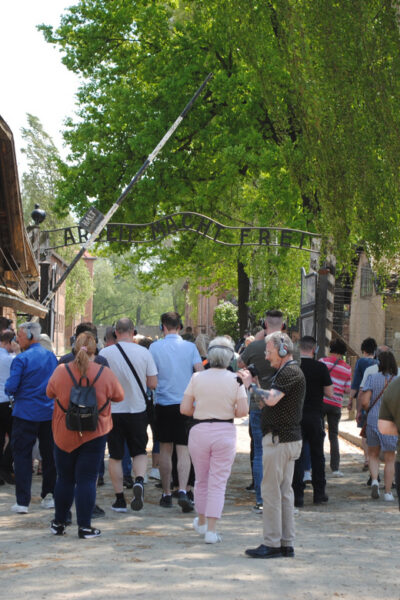
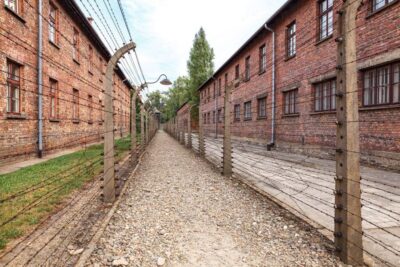
Your day starts at Auschwitz I, where the museum portion gives the foundation. This is where the concentration camp’s function during World War II is explained through the museum’s material, and where you’ll learn what you are seeing later at Birkenau.
This part matters because it turns the visit from a list of locations into an actual story. You learn what the camp was, how it operated, and why so many surviving records and artifacts are so carefully presented. The licensed guide is especially helpful here, since museum content can be dense and emotionally heavy.
Also, pay attention to how the guide frames what you see. The goal isn’t shock value. It is understanding the machinery of persecution and the reality of mass murder. You’ll be shown the darker elements of the site, and the guide’s job is to keep it contextual and clear.
Practical note: rules are strict. You cannot enter with large bags or backpacks. The allowed maximum is 20 x 30 cm, and luggage is not allowed. You also can’t use flash photography. That means you should keep what you bring minimal so you don’t have to worry about bag checks slowing down your group at the security stage.
The lunch break and the 2 km move to Birkenau
You get a lunch window between the first and second part, usually 10 to 15 minutes. The tour info recommends bringing lunch and drinks, and I strongly agree. This is not the kind of outing where you want to rely on finding something nearby on the fly, especially with the tight timing.
But the bigger logistics moment is after Auschwitz I. You will have 15 minutes to go to the car parking area in Brzezinka by your own transport for the Birkenau visit, covering 2 km. The tour format expects you to handle that move yourself during the break.
This is where some travelers get surprised, especially if they assumed the guide would escort everyone to the next site the whole time. Transportation to and from your accommodation is also not included, and parking fees are not included either. So treat this as a “two-site day” you plan carefully, not a door-to-door service.
One helpful detail: if you came by public transport, tell your tour leader before you start. That small heads-up can make a difference in how easily you can make the timing. I’ve seen examples of guides and staff coordinating practical help when a traveler’s plan changed, including assistance linked to getting between Auschwitz I and Auschwitz II and back toward Krakow, and the staff member Joanna was mentioned in one case. It’s not a guarantee for everyone, but it’s a sign that communication helps.
Auschwitz II Birkenau: seeing scale in real space
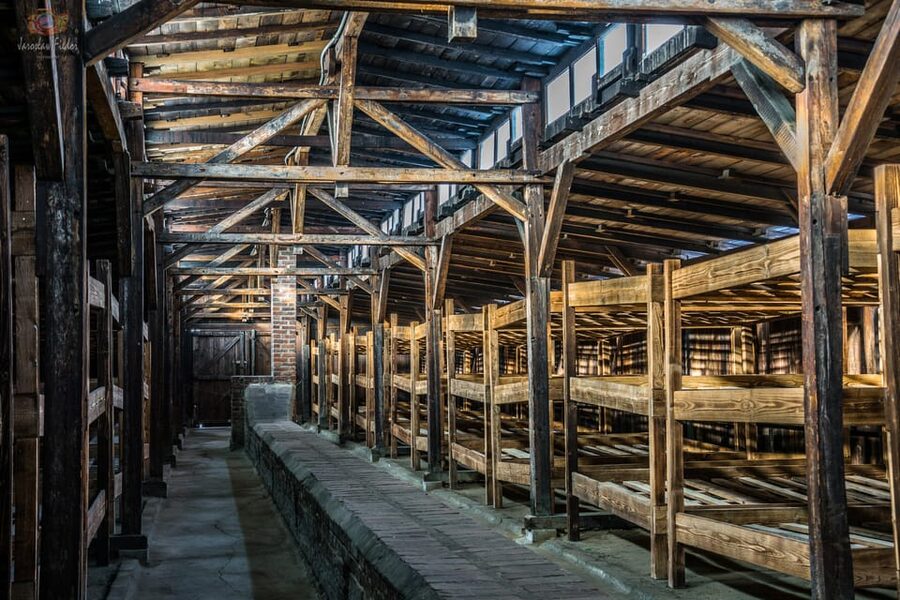
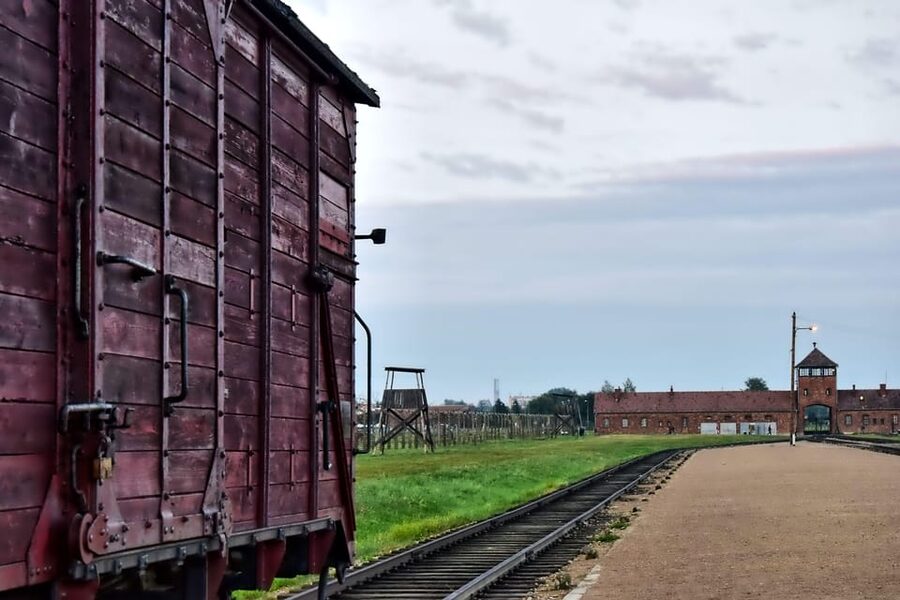
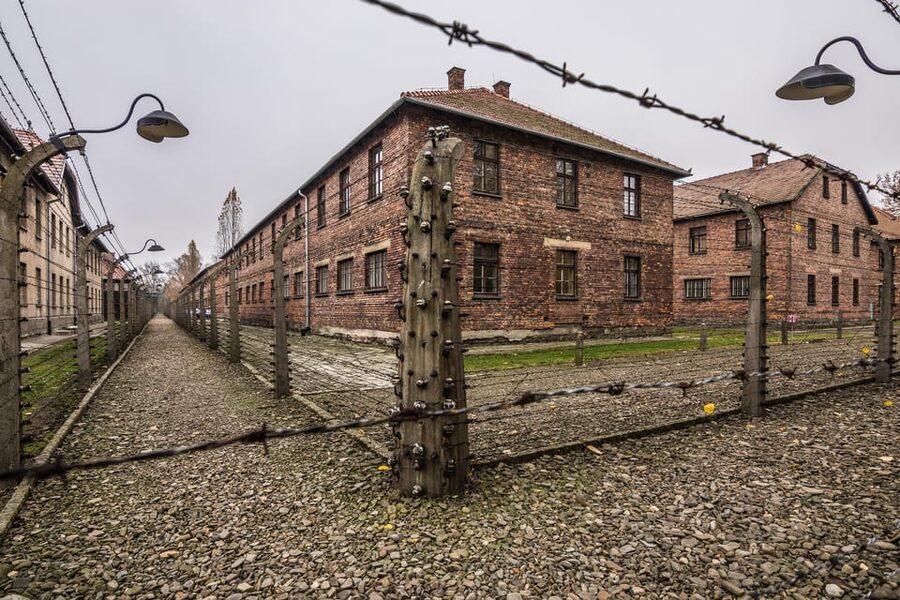
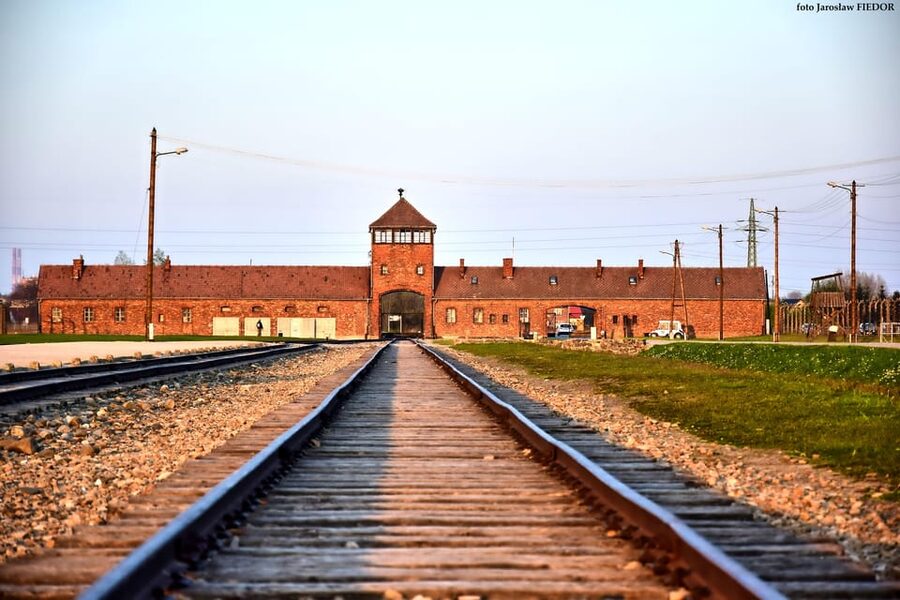
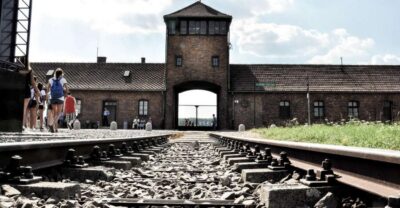
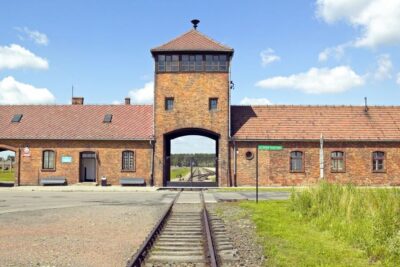
Auschwitz II Birkenau is where the visit often becomes hardest to process. You’ll spend about an hour here with your guide. This is the part that includes sights like the gas chambers, crematoriums, and the barracks.
Birkenau is not just another section of the museum. It is an outdoor site where the distances, layout, and atmosphere shape what you understand. A guide helps you make sense of why the camp’s design mattered, and how the site was structured for the vast scale of persecution and killing.
Because time is limited, you may feel that the group moves on quickly at certain points. One of the most common practical complaints is that there is limited time to let impressions settle before the next group arrives. That’s a real consideration. The answer is not to expect silence and unlimited wandering. The answer is to come prepared to take in what you can, ask questions if you have them, and reflect later after you’re away from the crowds.
If you need to see everything slowly, you might struggle with this format. If you want a guided route that ties together Auschwitz I context and Birkenau scale, the hour is often enough to walk away with a clear understanding.
You can also read our reviews of more guided tours in Oswiecim

Price and value: what you’re paying for, and what you’re not
At $10 per person, this tour is priced extremely competitively for an entry ticket plus a professional licensed guide. Even without comparing to other tours, you can judge value based on what you actually receive: museum access for Auschwitz-Birkenau and interpretation by someone licensed to guide you through the material.
That said, the price is not the whole cost of the day. Transportation to and from your accommodation is not included, and parking fees are not included. You’re also on your own for food and drinks, and the timing means it’s wise to bring lunch. If you’re traveling from Krakow, your day will still involve some form of transport cost and time, even if the tour itself is inexpensive.
So the value equation looks like this:
- You do pay little for the guided entry and organized structure.
- You do need to budget your own transportation segments and your own meals.
- You get less freedom to “wander as long as you want,” because the memorial sets the pacing.
For many visitors, that mix is exactly right. You get a meaningful guided visit without paying a premium, while still keeping control over how you handle the local logistics.
Who this tour fits best, and who should think twice
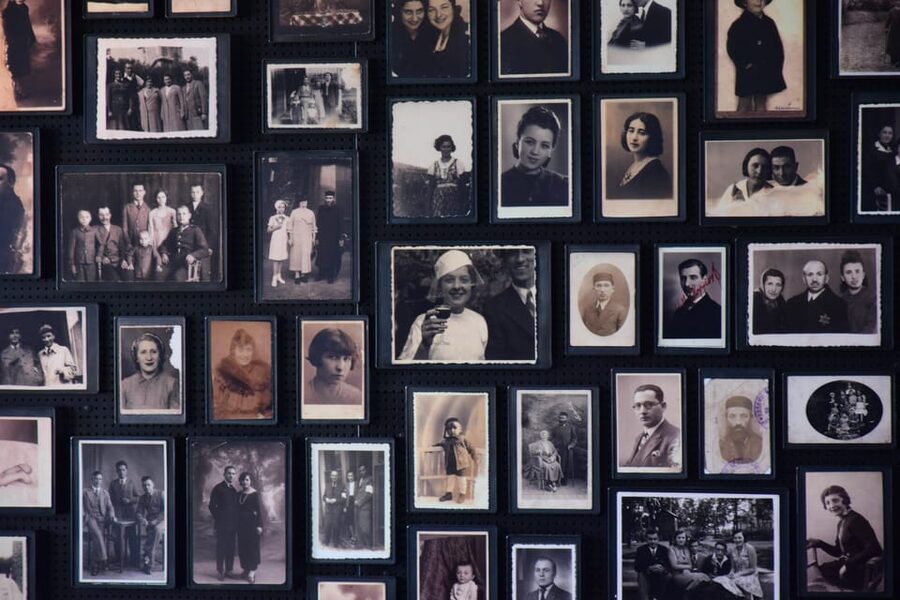
This experience is not marketed as a casual outing. It’s designed for a respectful, educational visit.
It’s also not suitable for everyone. It is not suitable for:
- Children under 12
- Pregnant women
- People with mobility impairments
If you fall into any of those categories, it is worth looking for other options that better match your needs. The pace and the physical realities of walking across sites, plus strict site rules, are part of why this comes with limitations.
Who it suits well:
- Adults who want a guided route that explains what you see
- People who want skip-the-line entry so the day starts smoothly
- Travelers comfortable with fixed timing and emotionally serious content
What to bring (and what to leave behind)
Do not show up empty-handed and expect it to work. This site has rules, and you should follow them to avoid delays.
Bring:
- Passport or ID card (required)
Keep with you:
- Small bag only, maximum 20 x 30 cm
- A packed lunch and drinks, since food and drinks are not included
Leave at home or the hotel:
- Luggage or large bags
- Backpacks
- Anything that could trigger security issues
Also plan for a camera rule: flash photography is not allowed. That is one of those details that can ruin your plans if you assume you can just shoot like normal at every stop.
The human side, language, and real communication
The tour is offered in multiple languages: English, Italian, French, Spanish, and German. That matters because Auschwitz-Birkenau is not a quick summary tour. You want meaning, not just a list of structures.
In one Spanish-language booking situation, the tour arrangement changed due to availability, and the guide was described as very helpful in contacting the traveler and offering assistance with getting from Auschwitz I to Birkenau, plus help returning toward Krakow. A bus guide named Joanna was mentioned in that context. That kind of real communication is exactly what you want on a day where timing is tight.
On the flip side, there is a cautionary note from a review where someone felt the expected pickup did not happen. The important takeaway is simple: transportation to and from your accommodation is not included, and the meeting point is outside Auschwitz I. If your expectations include a hotel pickup that is not part of the plan, you can get frustrated fast. When in doubt, confirm that you know where to meet and arrive with time to spare.
Should you book this Auschwitz-Birkenau guided skip-the-line tour?
Book it if:
- You want licensed guidance so the information makes sense as you walk the site
- You value skip-the-line access to reduce waiting during security
- You’re okay with a guided schedule that covers both Auschwitz I and Auschwitz II in about 210 minutes
Skip it, or look for another format, if:
- You need extra time at each stop to process slowly
- You rely on hotel or door-to-door transportation and want that built into the package
- You fall into the categories listed as not suitable, like children under 12, pregnancy, or mobility impairments
If you decide to go, do yourself a favor: pack light, bring lunch, and treat the timing like part of the experience, not an inconvenience. This tour gives you the structure and interpretation to make the visit clearer, which is what you need most in a place this heavy.
FAQ
Where is the meeting point for this tour?
You meet your host outside the Auschwitz I entrance, where the tickets are provided.
How long is the Auschwitz-Birkenau guided tour?
The total duration is listed as 210 minutes.
What does the skip-the-line ticket include?
The ticket includes entry to Auschwitz-Birkenau Museum and helps you get through the entrance process after the security check.
Is food included in the price?
No. Food and drinks are not included, and it’s recommended that you bring lunch and drinks.
What do I need to bring for entry?
You need to bring a passport or an ID card.
What bag rules should I follow?
Large bags or backpacks are not allowed. The maximum permitted size is 20 x 30 cm.
Can I take photos with a flash?
No. Flash photography is not allowed.
What languages are available for the live guide?
The live tour guide is available in English, Italian, French, Spanish, and German.
What time does the tour run?
The tour can take place between 7:30 AM and 3:00 PM, and the exact start time is sent to you the day before the tour.
More Tickets in Oswiecim

More Tours in Oswiecim
More Tour Reviews in Oswiecim
Not for you? Here's more nearby things to do in Oswiecim we have reviewed
More Auschwitz-Birkenau Memorial Tours to consider.
 ★ 4.5From Krakow: Auschwitz-Birkenau Guided Tour & Hotel PickupFrom $2133,358 reviews
★ 4.5From Krakow: Auschwitz-Birkenau Guided Tour & Hotel PickupFrom $2129,340 reviews
★ 4.5From Krakow: Auschwitz-Birkenau Guided Tour & Hotel PickupFrom $2133,358 reviews
★ 4.5From Krakow: Auschwitz-Birkenau Guided Tour & Hotel PickupFrom $2129,340 reviews
 ★ 4.5Auschwitz Guided Tour with Optional Hotel PickupFrom $6915,280 reviews
 ★ 4.5Auschwitz-Birkenau Guided Tour with Pickup & LunchFrom $219,800 reviews
 ★ 4.5Auschwitz-Birkenau Guided Tour Pickup/Lunch OptionsFrom $2009,057 reviews
 ★ 4.7Auschwitz-Birkenau and Salt Mine Guided TourFrom $549,020 reviews
 ★ 5.0Krakow to Auschwitz Birkenau Guided Tour with Transfer and TicketFrom $368,197 reviews
 ★ 4.0From Krakow: Auschwitz Birkenau Tour with TransferFrom $216,134 reviews
Other ways to explore Krakow