
Review · AUSCHWITZ-BIRKENAU MEMORIAL TOURS
From Krakow: Auschwitz-Birkenau and Self-Guided Day Tour
Auschwitz-Birkenau changes how you see the world. This day trip pairs round-trip transport from Krakow with an organized, self-guided visit that lets you linger when a room hits hard. I especially like the mix of set structure plus freedom, with a brochure in your language and help from the driver and host so you are not stuck figuring things out.
Two more things I like: the itinerary hits the most important sites in a logical order, with a focused stop at Judenrampe before Auschwitz I, and the day is priced to feel realistic for most budgets (about $21). The main drawback to plan for is time: Birkenau can feel tight because your visit there is short compared with how big the grounds are.
Key things I’d plan around before you go
- Self-guided with a language brochure so you can move at your own pace instead of being pulled along.
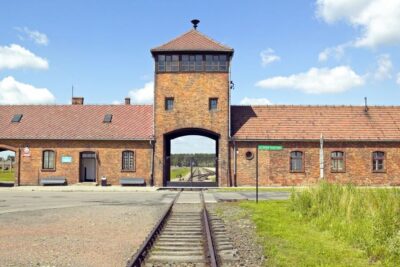
- Judenrampe included, the selection area where prisoners were sorted before the next step.
- Coached logistics from Krakow, including ticket help on arrival and clearly stated pickup points.
- A real time crunch at Birkenau, so wear good shoes and accept that you will not see everything.
- No live guide during the museum walk, so your brochure becomes your main tool.
- Limited bag policy, which means you should travel light and bring what you truly need.
Getting from Krakow to Auschwitz, without the day turning into chaos
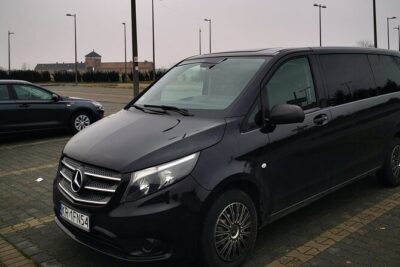
The trip runs long, and that matters. You’re leaving Krakow by bus (about 1.5 hours each way to/from the site), and the schedule is designed around museum entry and the two major areas: Auschwitz I and Auschwitz II-Birkenau. Pickup is flexible within a wide window, and the local team contacts you the day before your tour (WhatsApp, email, or phone) to confirm the exact pickup time.
I like that the pickup options are specific and easy to recognize, including Kraków stops at Pawia 18b and Wielopole 2 (plus the Pawia 18B drop-off in the return section). You are not expected to reach the memorial independently, which keeps the morning from turning into a scavenger hunt.
One more practical note: the host or greeter is in English, and there is staff assistance during the day. That small piece helps a lot because Auschwitz is not just one building. It is a whole set of spaces, paths, and controlled entry points, and having someone help you get tickets and orient quickly can shave off stress.
You can also read our reviews of more guided tours in Krakow
The pre-museum rhythm: bus, café break, and a short window to get ready
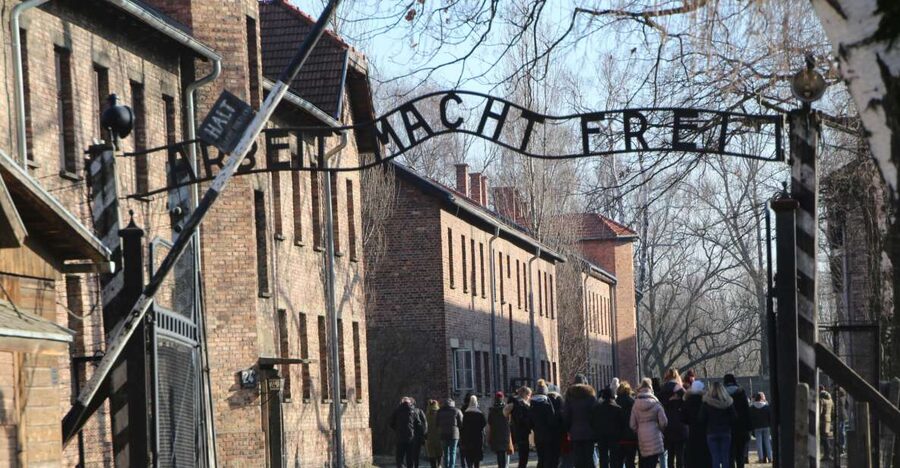
The day starts with bus time and then a break at a local café (about 40 minutes). This is not fancy, but it’s useful. You’ll want your body fueled and your head clear before the emotional intensity begins, and the café stop gives you a controlled chance to buy food and drinks rather than scrambling later.
This is also a good time to do your “small kit check.” Bring passport or ID and keep your essentials accessible. Avoid anything bulky because luggage or large bags are not allowed. If you can, pack a simple day bag with water, a snack, and layers. Auschwitz visits can involve chilly or hot weather depending on season, and your day is long enough that one wrong layer can make everything feel harder.
Judenrampe stop: why the selection area is not just a photo-op
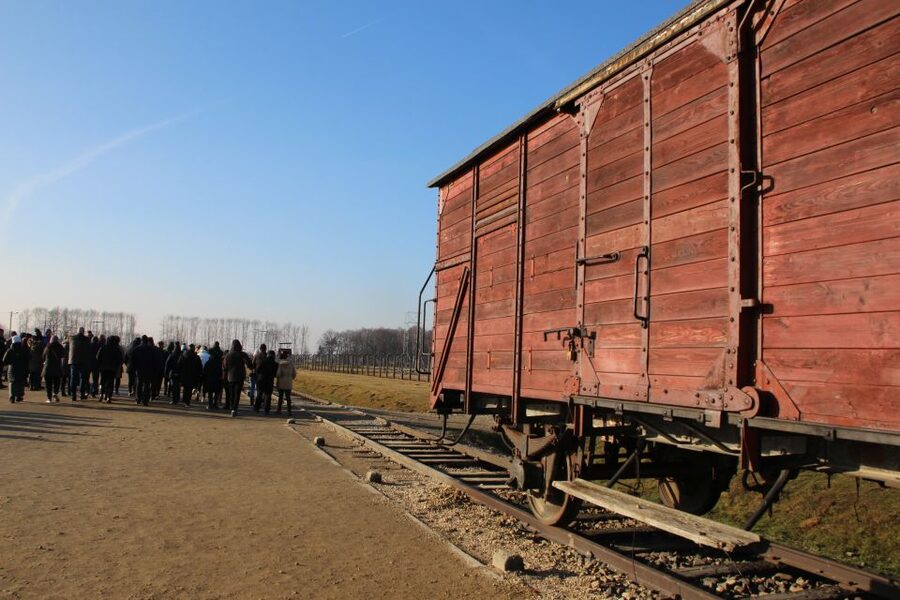
Your first meaningful site stop is Judenrampe, with a self-guided visit time of about 45 minutes. This is the place where people were selected and processed, and it shapes the story the rest of the day tells you.
Even if you have read about Auschwitz before, I find this kind of stop works best when you slow down. A brochure will help, but your own attention is what turns the ground into understanding. Here’s how I’d use your time: spend a few minutes getting your bearings, then read slowly through the brochure points tied to this area. You do not need to rush to the next checkpoint. This is where your brain starts to connect names, categories, and the system behind the violence.
Also, plan for movement. You are in a schedule, and the day later requires walking between Auschwitz I and Birkenau areas. If you already know you get tired fast, start saving energy now. The Judenrampe stop is short enough that you can still do it carefully without feeling trapped.
Auschwitz I self-guided: using the brochure to actually see what matters
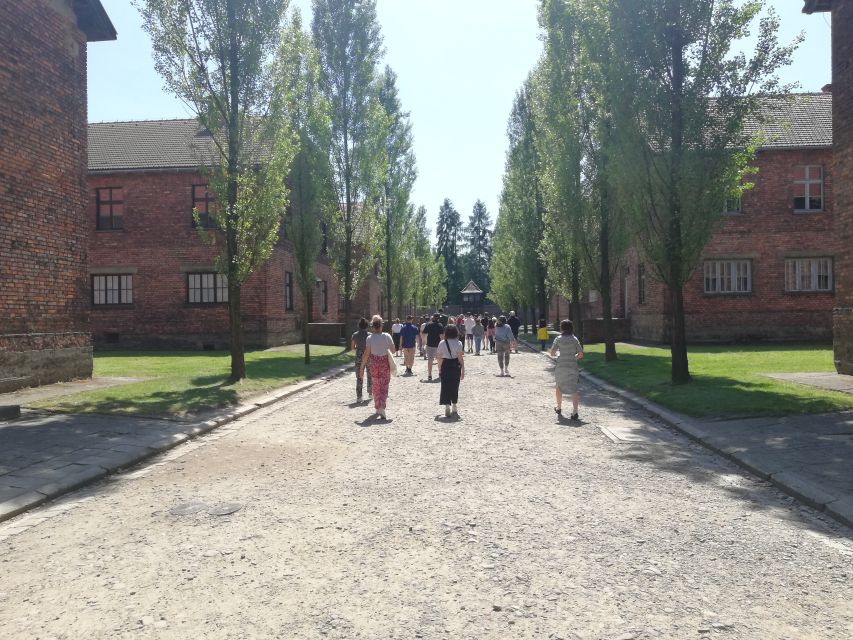
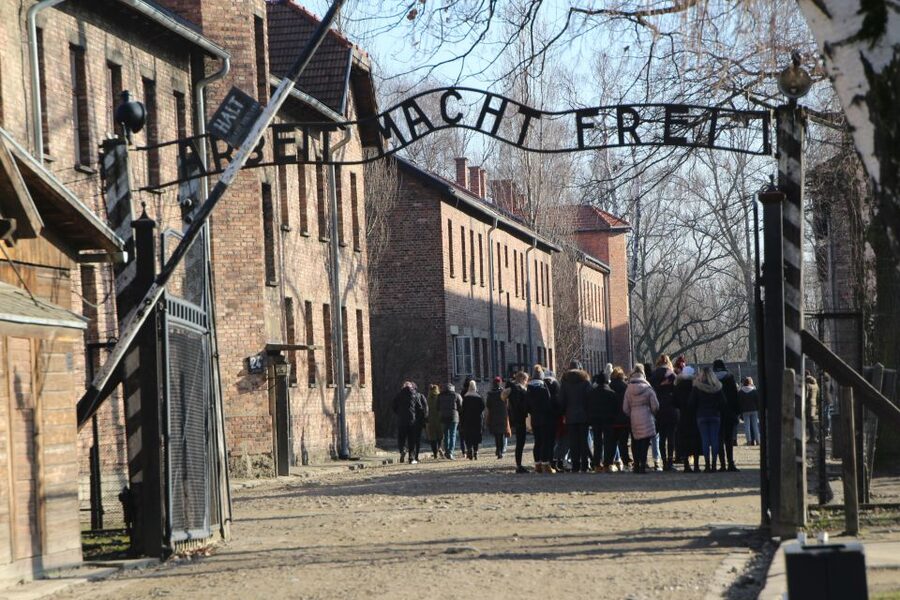
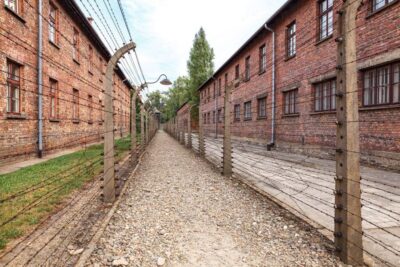
After Judenrampe, the group transfers briefly by bus (around 10 minutes) to the Auschwitz I area. Your self-guided time here is about 1.5 hours. Auschwitz I is dense: buildings, exhibits, rooms, and corridors where the details can pull you in different directions.
This tour’s key strength is that it does not force you to march with a live guide at every turn. Instead, you use an information brochure in your language. I like that because it supports different reading speeds. Some people want to focus on artifacts and personal items; others want context first. Self-guided time means you can choose your entry point.
Practical strategy for Auschwitz I:
- Read headings and captions first, then return to the most important displays with fresh focus.
- Take short pauses in places where personal objects and records are displayed, because that is often where the emotional weight lands.
- Don’t try to “complete” everything. With 1.5 hours, your goal is understanding, not checking boxes.
One more small advantage of this format: you’re not competing with other groups for every doorway. A lot of guided tours can feel like traffic. Self-guided time keeps you from constantly doing the group shuffle, even though the site layout still demands patience.
A common review theme for similar formats is that the museum entry process can involve queues. What you should take from that is simple: arrive ready to wait, and keep your pace calm. Even with ticket help, museum timing can shift.
Auschwitz II-Birkenau: the most important ground, with the tightest time
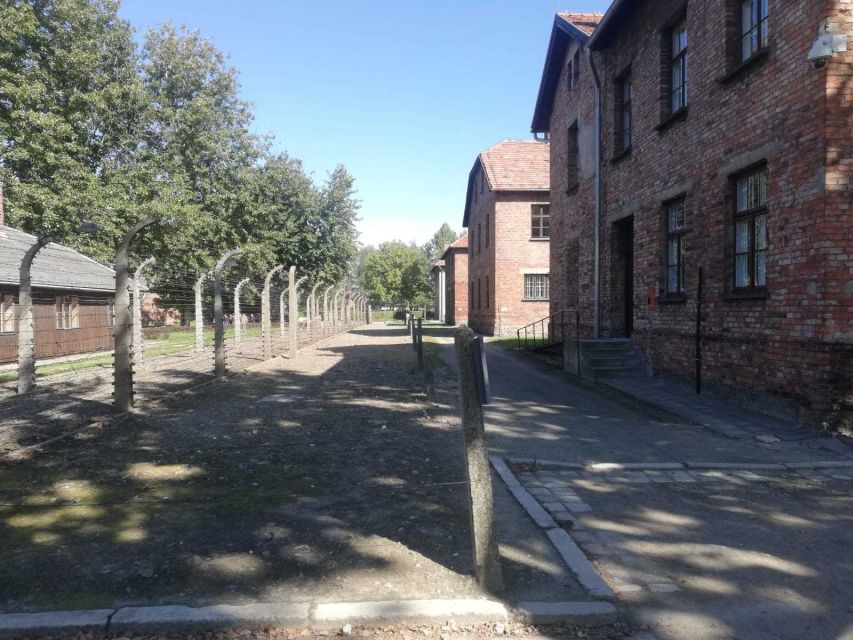
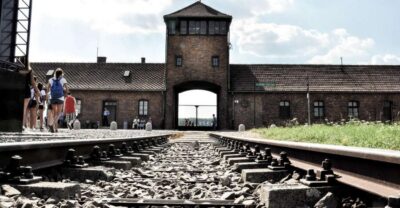
Then comes the transfer again (about 10 minutes) to Auschwitz II-Birkenau, where the self-guided time is around 40 minutes. This is the part most people picture first, and it is also the part where you have to make peace with limits.
Birkenau is huge. Even when you stay on the main route, 40 minutes disappears quickly. I’d treat it like this: pick a small number of places to understand deeply rather than trying to see everything. If you chase every stop, you will end the visit with exhaustion but fewer clear takeaways.
Why this stop still feels worth it: Birkenau’s grounds are where you see the scale of the system that led to mass killings. The site makes the history feel physical. That is why reviews often describe the day as powerful and necessary, even when people wish they had more time.
Also note an operational detail that matters for your comfort: one review feedback pointed out that there can be a walk between areas, and if you have elderly relatives or mobility limits, that walk may reduce the time you can spend inside the Birkenau area. You know your group best, so if your party struggles with walking, consider how you’ll pace yourselves before you book.
More Krakow tours, salt mines, mountain days, and city experiences to compare
The walking and pacing reality: why 7 to 11 hours can feel longer
The stated duration is 7 to 11 hours, and in practice the exact length varies with pickup time and site timing. Reviews include days that run close to the full length, and that matches the schedule logic: travel, a café break, two major site blocks, and return transfers.
Here’s what makes the day feel long:
- You have early or late start times depending on availability (the start window is wide).
- You have multiple transfers by bus.
- You are walking across memorial grounds and between areas.
So, be smart with your body. Wear shoes you can handle on firm ground. Bring layers for changing weather. And do not pack a heavy bag you have to carry during waits. This tour already has enough steps to keep you busy without adding extra weight.
The upside is that the structure prevents the day from being pure guesswork. You get the key sites in order, and you can self-direct how you read and react inside each area. That balance is why people often feel the experience is worth it, even if the Birkenau time feels short.
Price and value at about $21: what you gain, what you give up
At roughly $21 per person, this trip is priced like a budget day tour, and that’s exactly how it plays. The value comes from three things:
- Transportation from Krakow plus entry access.
- Pre-booked or arranged ticketing support.
- A brochure-based self-guided visit that gives you control rather than paying for every minute of a live guide.
What you give up is also clear: there is no live guide during the museum walk. The brochure and the tour leader support are your learning tools. Audio guides are not included.
For many people, that is a fair trade. If you want a quiet, independent pace, the self-guided structure is a plus. If you want detailed narration timed to your exact location, you might feel the absence of a live guide. One practical compromise is to arrive with a basic knowledge of Auschwitz’s timeline and terms, so your brochure can build on what you already understand.
Also, watch for the real-world friction points that can affect value. Some reviews mention long ticket queues and delays, including cases where paper tickets were involved. Even when the tour operator tries to speed entry, museum operations can still create waiting time. If you’re the type who gets anxious about lines, plan to bring patience and a quick warm layer.
Communication and staff support: how English greeters can still help a lot
A strong theme in reviews is communication. The local partner contacts you before the trip to confirm pickup details, and during the day, assistance is available. You might hear from staff via WhatsApp, and that matters because it reduces the chance you end up at the wrong stop at the wrong moment.
Names that come up in feedback include driver Peter and guides such as Adriana, Martin, and Simon. People specifically praised the way they handled organization and directions, even when the museum portion is self-guided.
That support can be more important than it sounds. Auschwitz involves multiple entry points and planned transitions. Knowing where you’re supposed to go after each bus stop can save you energy so you can spend it on the exhibits.
Who this tour suits best, and who should consider another option
This is a good fit if:
- you prefer self-guided pace inside the memorial areas
- you like using a printed brochure and reading at your own speed
- you want transport and entry handled for you from Krakow without paying for a full live-guide day
It is less ideal if:
- you want a live guide to explain every room and answer questions on the spot
- you struggle with long days and walking, since the schedule involves transfers and memorial-ground movement
- you need wheelchair access, because the tour is not suitable for wheelchair users and people with mobility impairments
- you’re traveling with very young kids, since it is not suitable for children under 2, and it lists limits up to under 5
If you are traveling with elderly relatives, plan carefully. One review noted that grandparents ended up with less time at Birkenau due to walking demands. That’s a real decision point: can your group handle the pace and still feel satisfied?
Should you book this Auschwitz-Birkenau day trip from Krakow?
I’d book it if you want a practical way to see Auschwitz-Birkenau with controlled logistics, and you are okay doing the learning work with a brochure instead of a live narrator. The price-to-structure ratio is hard to beat, and the inclusion of Judenrampe plus both Auschwitz areas gives you a coherent route without you having to plan transportation between sites.
I would hesitate if your top priority is maximum time in Birkenau or if you strongly prefer a full live-guide experience. In that case, a different format might suit you better, because this one is designed to keep the day moving.
One last tip, because it helps: pack for the long day, not just the first hour. Good shoes, water, and a light layer can make your final hours easier. This is an emotionally intense visit, and comfort helps you stay present. If you can do that, this trip delivers what you came for: a clear, organized path through the sites that still demand attention.
FAQ
How long is the Auschwitz-Birkenau day tour from Krakow?
The duration is listed as 7 to 11 hours, depending on the starting time availability and how the day runs.
Is this tour fully self-guided inside the museum?
Yes. After you arrive and get ticket help from the tour leader, you explore Auschwitz I and Auschwitz II-Birkenau on your own using an information brochure in your language.
What’s included in the price?
Included are round-trip bus transport from Krakow, entry tickets, a brochure for the self-guided tour, access to Auschwitz-Birkenau Memorial and Museum, access to Juden Rampe and sub-camps, and assistance.
Is a live guide included?
A live guide is not included. The tour uses a tour leader for assistance and information, plus a brochure for the self-guided sections.
Do I need to bring my passport or ID?
Yes. You should bring a passport or ID card for the visit.
Can I bring luggage or large bags?
No. Luggage or large bags are not allowed.
Where does pickup happen in Krakow?
Pickup is optional, with three bus stop options: Kraków, Pawia 18b, and Kraków, Wielopole 2.
What language is the tour support and brochure?
The tour is listed as in English, and you’ll receive a brochure in your preferred language for the self-guided parts.
More Guided Tours in Krakow
More Tours in Krakow
More Tour Reviews in Krakow

Not for you? Here's more nearby things to do in Krakow we have reviewed






More Auschwitz-Birkenau Memorial Tours to consider.
 ★ 4.5From Krakow: Auschwitz-Birkenau Guided Tour & Hotel PickupFrom $2133,358 reviews
★ 4.5From Krakow: Auschwitz-Birkenau Guided Tour & Hotel PickupFrom $2129,340 reviews
★ 4.5From Krakow: Auschwitz-Birkenau Guided Tour & Hotel PickupFrom $2133,358 reviews
★ 4.5From Krakow: Auschwitz-Birkenau Guided Tour & Hotel PickupFrom $2129,340 reviews
 ★ 4.5Auschwitz Guided Tour with Optional Hotel PickupFrom $6915,280 reviews
 ★ 4.5Auschwitz-Birkenau Guided Tour with Pickup & LunchFrom $219,800 reviews
 ★ 4.5Auschwitz-Birkenau Guided Tour Pickup/Lunch OptionsFrom $2009,057 reviews
 ★ 4.7Auschwitz-Birkenau and Salt Mine Guided TourFrom $549,020 reviews
 ★ 5.0Krakow to Auschwitz Birkenau Guided Tour with Transfer and TicketFrom $368,197 reviews
 ★ 4.0From Krakow: Auschwitz Birkenau Tour with TransferFrom $216,134 reviews
Other ways to explore Krakow