
Review · COMMUNISM & NOWA HUTA TOURS
Krakow: Nowa Huta Guided Tour in Vintage Car
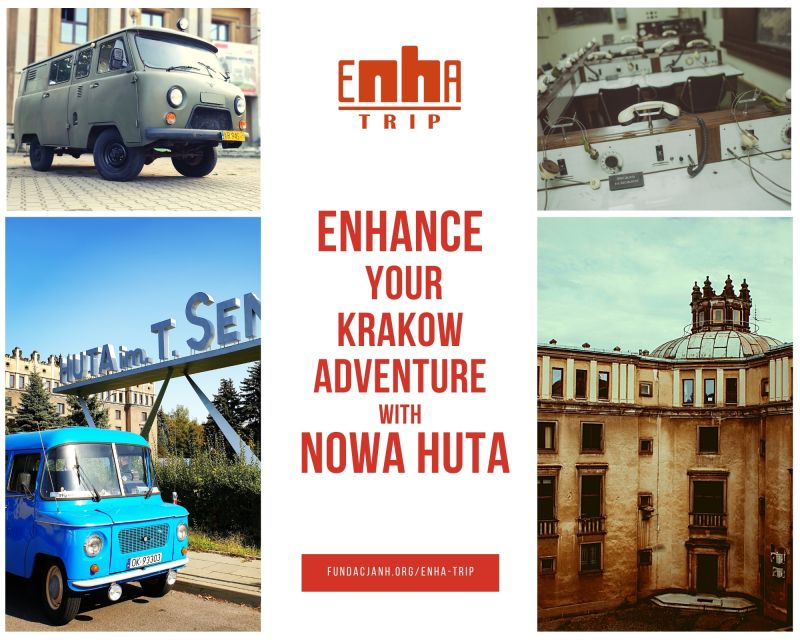
Nowa Huta hits differently from inside a car. This guided experience takes you through Krakow’s Stalin-era plan, where Socialist Realist buildings meet real Cold War fallout, including a WWII-era Soviet tank and underground shelters. Two things I really like: the retro vintage-car ride turns the area into a moving story, and the live local NGO guide brings street-level history to life with tight, specific details like where Lenin stood on Aleja Róż.
One thing to consider: this is not a comfort tour. The cars are old, and while they are fun and photogenic, reviews mention there may be no working seatbelts, so it is worth thinking about that before you book, especially with kids or if you’re uneasy in vintage vehicles. Also, pickup works great in most places, but if you’re staying outside the pickup zone, you may be guided to meet at a nearby spot.
Key Things You’ll Remember
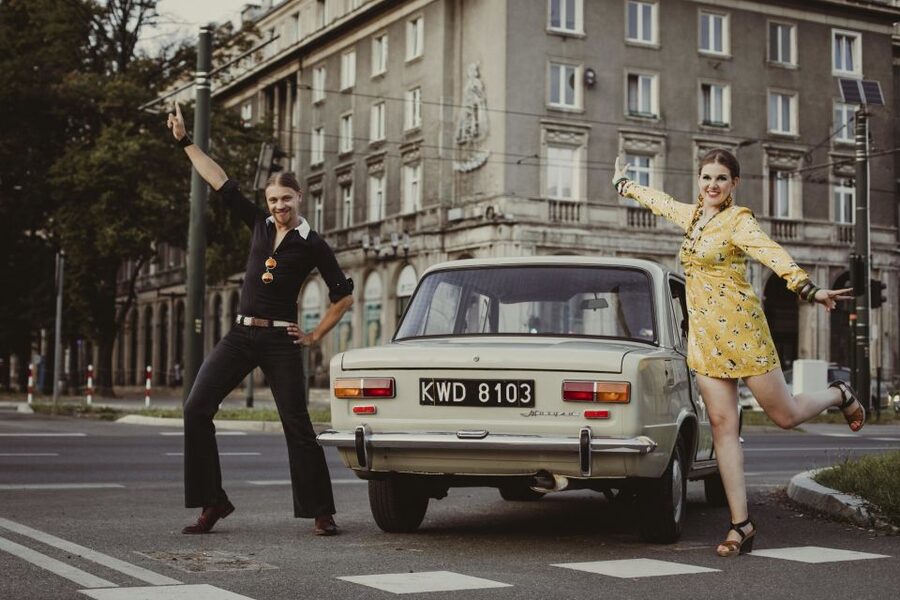
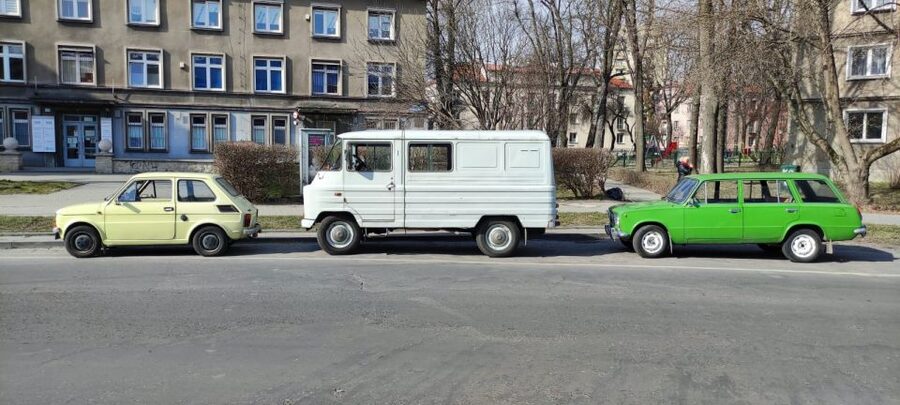
- Vintage vehicles from the Communist era, from a Fiat 126 to Lada and Soviet-era vans
- Plac Centralny and Aleja Róż with the story of where the big Lenin statue stood
- Ujastek 1 visited with a guided look at the city built around steel
- Steelworks director’s offices available as part of the extended option
- Underground bomb shelters built for nuclear-war preparation, plus a WWII tank photo moment
- A guide who grew up locally, often named Mateusz, who answers questions all the way through
A Soviet-Era City Plan, Delivered in Real Time
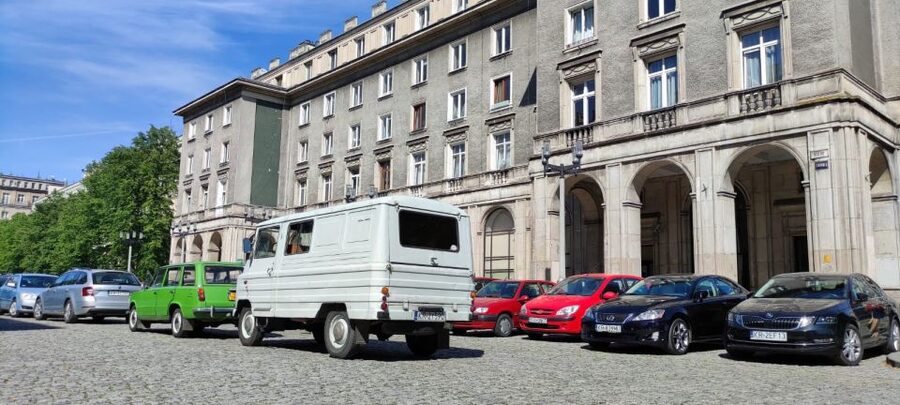
Nowa Huta was built with a purpose so big it shaped everything around it. It is one of Krakow’s most interesting neighborhoods because it is not just architecture from one era, it is the idea of a city forced into existence, centered on the steelworks and loaded with propaganda. Riding through it by classic Polish car makes the changes in the neighborhood feel faster, almost cinematic, like you are watching decades roll by in the windshield.
The best part is that the tour does not treat Nowa Huta like a museum piece. It connects the planning, the buildings, and the Cold War fear to everyday streets. When you walk the central areas and then drop underground into shelters, the contrast is sharp in a way that a normal bus tour rarely achieves.
If you like history that has texture, not just dates, this one works. You will be looking at the bones of a planned utopia and then seeing what people built when the mood turned from ideology to survival.
You can also read our reviews of more guided tours in Krakow
Vintage Car Ride: Fun, Different, and Worth Knowing About
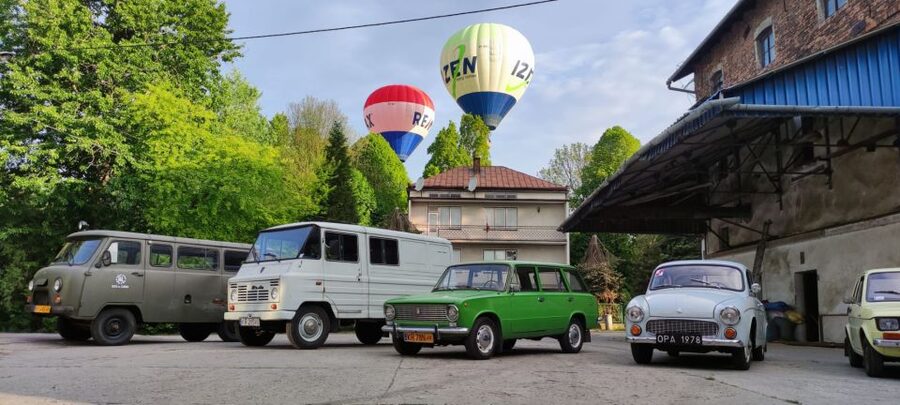
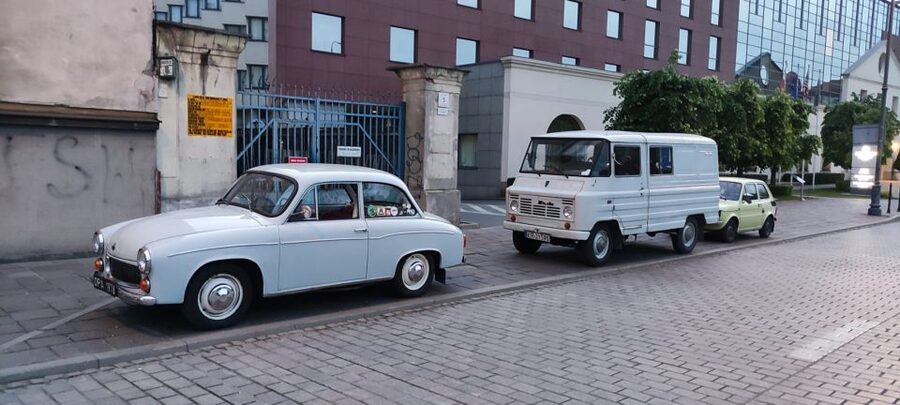
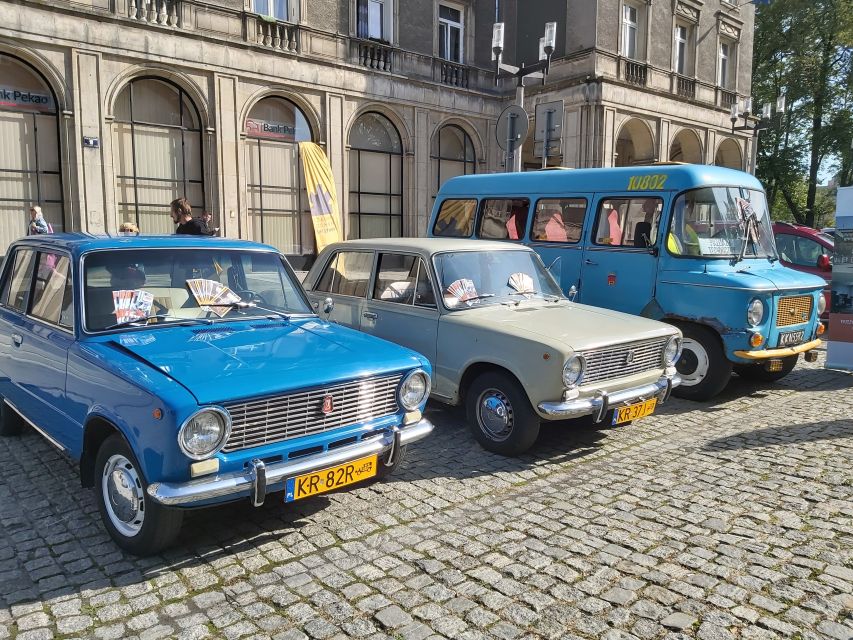
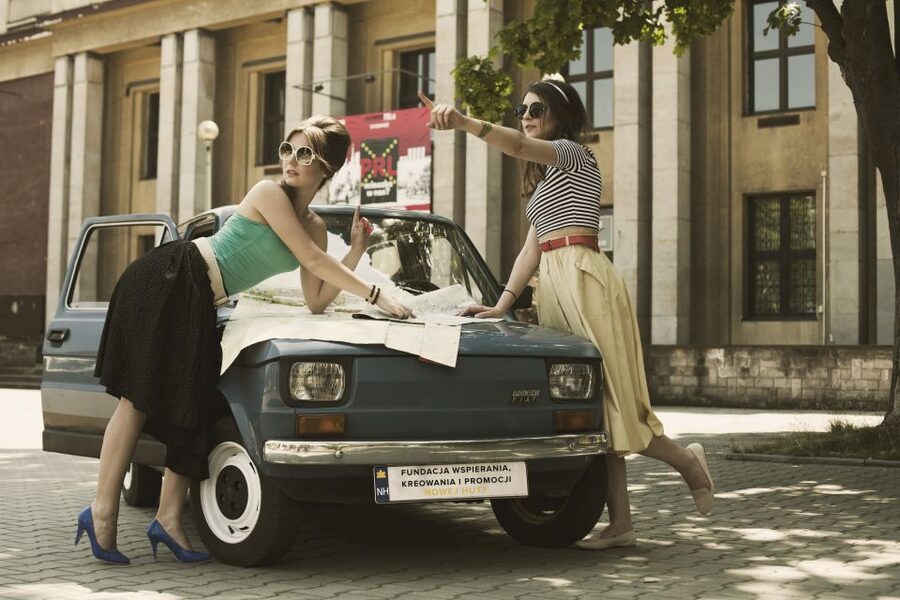
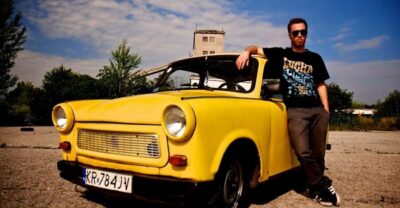
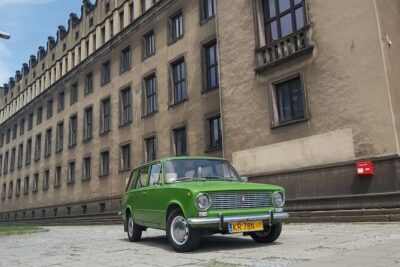
This tour is designed around transportation by a classic car from the Communist era. Depending on the chosen car, you might ride a Polish Fiat 126 model often called the Maluch, a Lada 2101, or other unusual options such as Nysa, Żuk, or a Soviet army van like the UAZ 452. In practice, you get the thrill of spotting the car, people looking at you, and a feeling of time travel that is hard to manufacture with modern transport.
A couple of practical notes matter here:
First, expect a vintage-car vibe, not modern safety design. Some reviewers specifically mentioned missing or non-working seatbelts. That is a real consideration. If you are traveling with anyone who is sensitive to that, or you simply prefer modern safety standards, keep it in mind.
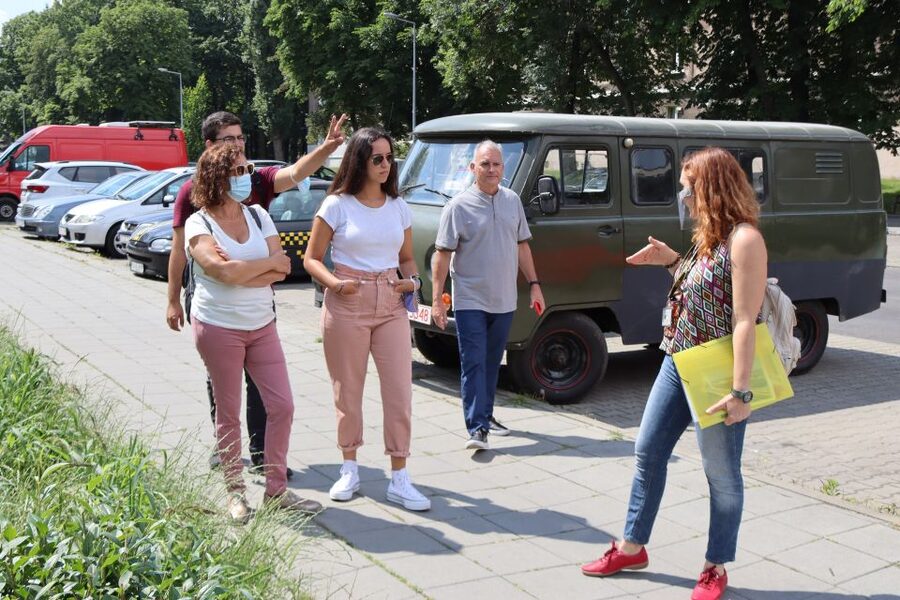
Second, the ride is part of the learning. Your guide uses the driving to set up what you will see next, so you are not just sitting and watching. You get photo stops as you go, and your guide often keeps explaining as you move, which helps the whole neighborhood make sense.
Finally, cars like these are memorable. Even if you are not a car person, the experience tends to pull you in fast because it forces you to pay attention. It also makes Nowa Huta feel like you are experiencing it with the same physical constraints people once had.
Plac Centralny and Aleja Róż, Plus the Lenin Statue Story
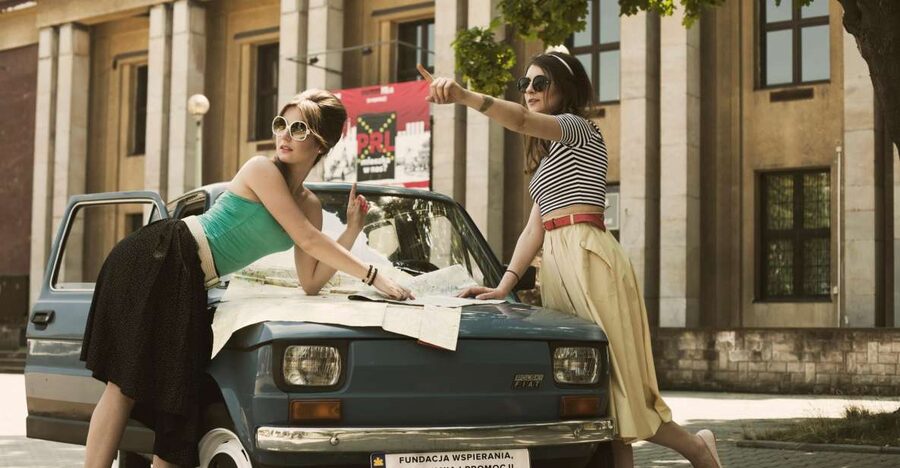
The tour usually begins by getting you to the central highlights on foot and by car, with photo stops and short guided walks that focus on meaning, not just views.
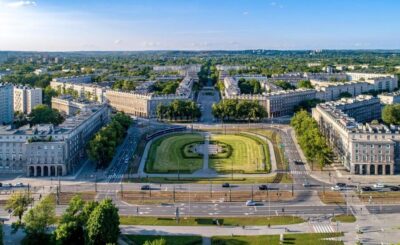
A key early stop is the central square, often referred to as Plac Centralny (Central Square). This is where the planning shows off. Socialist Realist city design goes big, and the scale is part of the point. Even if you are not into architecture, you can sense how officials wanted the place to feel, like the city itself should impress you.
Then you move toward Roses Avenue, Aleja Róż. This is where the guide’s story becomes the attraction. You learn where the large Lenin statue once stood, and you also get context about how the symbolism landed locally. One detail that stands out is that the locals did not like it, and the statue was later removed after being attacked and pulled down. The guide’s explanations help you understand why those shifts mattered culturally, not just politically.
As you walk these areas, look for what has survived and what has been replaced. Nowa Huta is full of evidence that ideologies can change quickly, but the built environment stays stubbornly physical.
Ujastek 1 and the Steelworks Idea Behind Everything
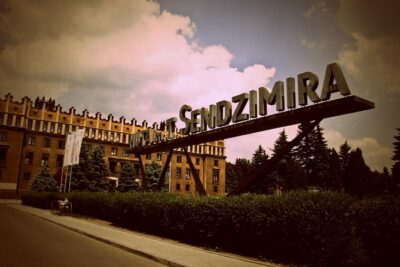
Once the tour anchors you in the central square and the propaganda geography, you turn toward the reason Nowa Huta exists. The neighborhood is tied to a massive steelworks initiative, and that is not background noise. It is the main engine.
The tour includes a visit to Ujastek 1, typically with about 1.5 hours of guided time. This is where you stop thinking in terms of “planned city” and start thinking in terms of industrial life. You see how the steelworks approach helped determine the layout and the daily rhythm of the area.
If you choose the longer option, the tour can also include visits connected to leadership inside the steelworks. People often remember this most because it is the difference between hearing about a system and standing in rooms where the system was run. Reviews also mention that the steelworks director’s offices were closed for many years, which adds a layer of mood. You get to see spaces as they are now, while the guide explains how they functioned in the past.
In other words, you are not just watching history. You are connecting the politics to infrastructure, and then to human decisions.
Churches and Armed-Forces Stops That Add Contrast
Between the heavy industrial and underground parts, the tour includes a few stops that give you variety and context.
One of them is the Our Lady Queen of Poland Church, where you get a mix of photo time and guided time. It is a useful counterweight to the Socialist Realist narrative. You are not only seeing ideology in concrete form, you are seeing how faith and Polish identity pushed back against it, or at least shaped the meaning people gave the space over time.
There is also a Museum of the Armed Act photo stop. Even when it is brief, the stop helps you understand how conflict and defense fit into the broader story of the 20th century in Poland. It works well as a bridge from the steelworks mindset to the later Cold War survival mindset.
You will likely find that these stops make the tour easier to digest. The architecture and bunker parts can be intense, so having meaningful surface-level moments helps you reset your brain without losing the storyline.

The WWII Soviet Tank and Cold War Shelters Underground
If you want the most unforgettable part, it is usually the shift downward.
The tour includes time around shelters that were built in preparation for a nuclear war. This is not an abstract concept when you are underground. You see how people tried to plan for the unthinkable, and you understand why the Cold War shaped behavior even in places far from the front line.
You may also see a Soviet tank from World War II up close. It is a strong visual anchor because it links the era of occupation and conflict to the later atmosphere of fear. The guide ties these moments together so it feels like one long historical thread rather than separate exhibits.
In the extended option, you can include a visit to a Cold War HQ bomb shelter. This part is often described as creepy and atmospheric, and that reaction makes sense. The underground spaces are not polished for fun. They are functional, built for containment and survival, and the tour treats them with the seriousness the topic deserves. Some visitors also mentioned being struck by how much equipment appeared preserved, including electrical features that were still in working condition.
This is the kind of stop where you start noticing your own senses: air, echo, tightness, the way light behaves. It is where the tour earns its emotional impact.
How Long You’ll Spend, and Which Option Fits Your Pace
The tour runs from about 150 to 270 minutes depending on what you pick. There is also an extended 3.5-hour option that can add two major experiences: the steelworks director’s offices and a Cold War HQ bomb shelter visit.
Here’s how I’d choose based on what you care about:
- If you mainly want architecture and the core Nowa Huta story, the shorter format can be enough. You still cover central areas and the core industrial visit.
- If you want maximum “system behind the scenes,” go for the longer option. The added access to offices and the more specific Cold War shelter time makes the tour feel fuller.
- If you like food as part of your day, choose the lunch option when available. The tour can include Polish food such as mixed pierogi in a restaurant that locals clearly use.
Also note that guides can run in multiple languages. The tour is available in English, and in Polish or Russian if booked at least 48 hours in advance, depending on availability.
Price and Value: Is $75 Worth It?
At $75 per person, you are paying for more than “a bus to some buildings.” In this price range, the value comes from a specific mix:
- An English NGO-experienced Nowa Huta local guide
- Transportation by classic car
- Entry and guided access tied to the industrial and shelter parts, including steelworks director’s offices if you choose the extended option
- A bomb shelter visit and ticket if you choose that option
What is not included is also clear. You are generally not buying entrance tickets for other museums beyond the included stops, and food is not included unless you select the lunch add-on.
So the math feels fair when you compare it to typical city tours that only offer one guided site plus a drive-through. Here, the transportation is part of the experience, and the included sites are the main argument for going at all.
Getting Picked Up in Krakow, and the Drop-Off Reality
Pickup and drop-off are part of the experience. You can have pickup from your accommodation in Krakow in many cases, though the tour team notes there are areas they cannot reach inside the historical center. In those cases, they direct you to a nearby convenient spot such as around Plac Matejki or Mikołaja Zyblikiewicza area, including near Mikołaja Kopernika street. If you stay in Kazimierz, pickup can be arranged around Dajwór street.
By default, you are also dropped back in Krakow at multiple possible drop-off locations, including Kiss and Ride Zyblikiewicza and Pawia 3.
If you prefer, you can meet directly in Nowa Huta instead of doing pickup. And if you want to confirm which vintage car you will ride, you can message on WhatsApp using the contact number listed on your voucher.
Who Should Book This Nowa Huta Vintage Car Tour?
This is a strong fit if you:
- Like 20th-century history and you want the story with streets, buildings, and underground spaces
- Care about architecture, especially Socialist Realist planning
- Enjoy unusual transport, and you do not mind the idea of riding in a vintage machine
- Want a guided day that includes both propaganda sites and defense-era shelters
It might be a weaker fit if:
- You need modern comfort and modern safety features as your top priority
- You prefer light, entertainment-first sightseeing over heavy Cold War themes
- You are traveling with someone who cannot tolerate older vehicle conditions
One practical tip: pick the option that matches your curiosity. If you only want the broad storyline, shorter is fine. If you want the offices and the deeper shelter component, the extended option is where it pays off.
Should You Book?
I’d book this tour if Nowa Huta is on your Krakow must-see list for history, architecture, and the Cold War angle. The combination of vintage Communist-era cars, guided walking in the central symbolism areas, and real access to steelworks-related spaces and nuclear-war shelters makes it feel like a complete, coherent experience, not a random checklist.
If you are excited by the idea of seeing a planned city built around industry, plus learning what people did when fear replaced ideology, this one is a standout use of your time.
FAQ
How long is the Nowa Huta vintage car guided tour?
The tour duration is about 150 to 270 minutes, depending on the selected option. There is also an extended option that runs about 3.5 hours.
What cars will we ride in?
You may ride in a classic Polish car such as a Fiat 126 (Maluch), Lada 2101, Nysa, Żuk, or a Soviet army van like the UAZ 452, depending on availability.
Is hotel pickup included?
Pickup is available, and the tour notes you can be picked up from your accommodation in Krakow. Hotel pickup and drop-off are included if you choose the private option, and if the tour team cannot reach your exact area, they can arrange a nearby pickup point.
What does the extended option add?
The extended option can include a visit to the steelworks director’s offices (with ticket) and a visit to a Cold War HQ bomb shelter (with ticket), depending on which version you choose.
Are food and drinks included?
Food and drinks are not included unless you choose a lunch option.
Which languages are available for the guide?
The tour is available with a live guide in English, and it can also be organized in Polish or Russian if booked at least 48 hours in advance, based on availability.
Do I need to buy tickets for the main included sites?
Entrance tickets to other museums are not included, but tickets for the steelworks director’s offices and the Cold War HQ bomb shelter are included if you choose the corresponding options.
More Guided Tours in Krakow
More Tours in Krakow
More Tour Reviews in Krakow
Not for you? Here's more nearby things to do in Krakow we have reviewed








More Communism & Nowa Huta Tours to consider.
 ★ 5.0Legendary Private Nowa Huta Communism Tour with Crazy GuidesFrom $131262 reviews
 ★ 4.9Nowa Huta: Steelworks Administration Buildings/Shelters TourFrom $24160 reviews
 ★ 4.9Private Nowa Huta Adventure Tour in Communist CarsFrom $108114 reviews
 ★ 4.93.5-Hour Communism Deluxe Tour by TrabantFrom $21584 reviews
 ★ 5.0Trip Around Nowa Huta – KrakowFrom $10250 reviews
 ★ 4.9Communist Krakow – Nowa Huta Walking Tour in EnglishFrom $2634 reviews
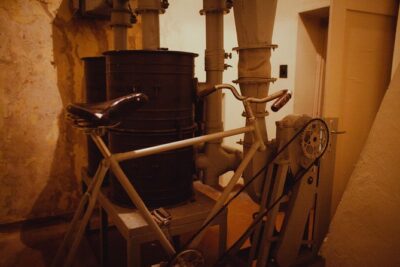 ★ 5.0Nowa Huta Steel Mill Administration Buildings and Shelters with local NGOFrom $2733 reviews
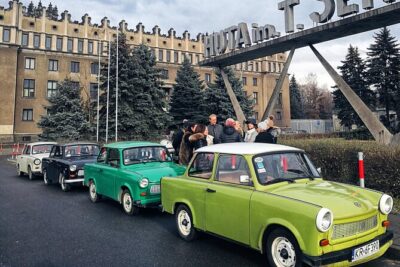 ★ 5.01.5h Crazy Guides’ Communism Tour of Nowa Huta in Classic CarFrom $11122 reviews
Other ways to explore Krakow