
Review · COMMUNISM & NOWA HUTA TOURS
Nowa Huta: Steelworks Administration Buildings/Shelters Tour
Steel and secrecy underground in Nowa Huta. In about 90 minutes, you step into the Nowa Huta Steelworks administration buildings and go down into bomb shelters that feel like the 1950s never ended, guided by people like Mateusz who can mix history with a good laugh.
I love two things most: the chance to walk through rooms that still show the original look of the offices, and the underground network that turns Cold War fear into something you can see with your own eyes. One consideration: this tour is not suitable for wheelchair users or people with mobility impairments, since you will be moving through buildings and underground areas that can mean stairs and tighter routes.
Key things to know before you go
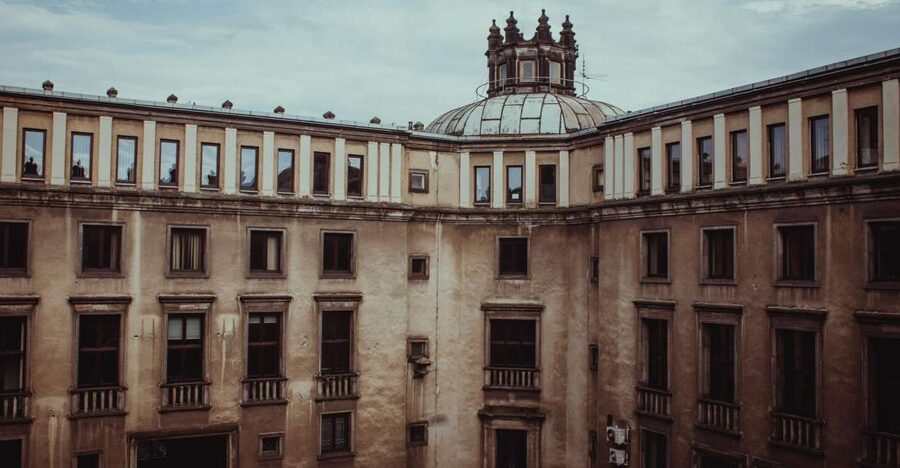
- Enter rarely open steelworks administration spaces in two almost twin buildings
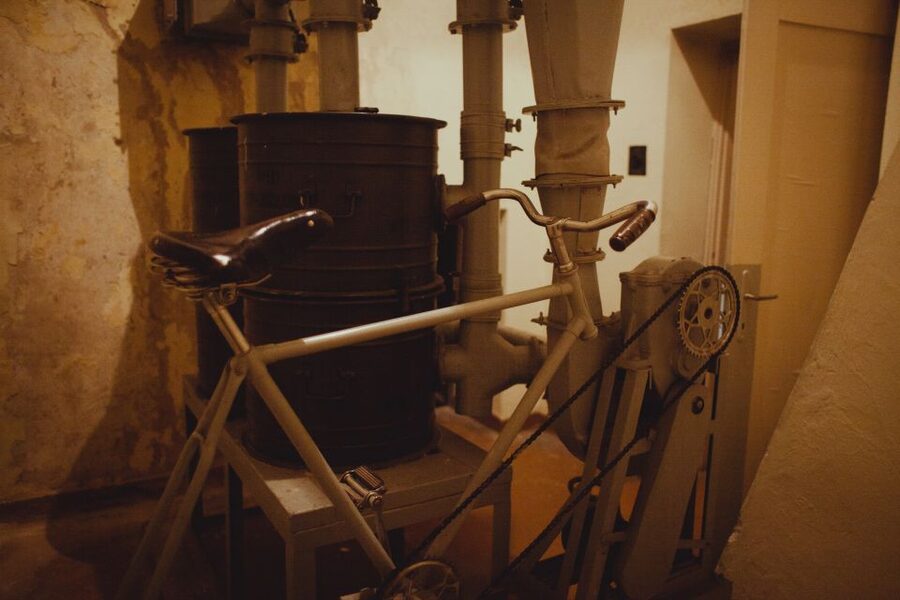
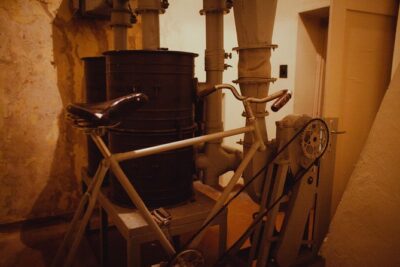
- Go underground into bomb shelter areas and an underground command feel
- See Cold War communication tech, including a radio control room and station, plus recorded material
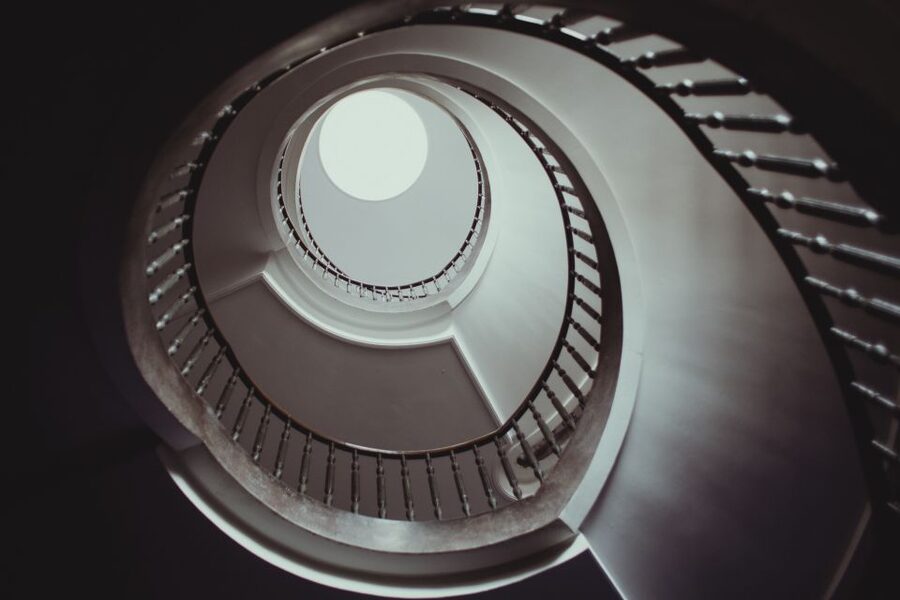
- Spot striking architecture details, like a renaissance-style entrance hall and oval corner staircases
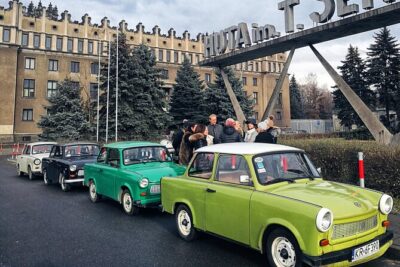
- Optional vintage car photos for a more memorable start
- You do not visit the operating steelworks, so focus is on buildings and shelters
Nowa Huta’s steelworks offices: why this feels so different from Krakow
If you picture Krakow, you probably picture old streets, churches, and postcards. Nowa Huta is the opposite mood. It is the Soviet-influenced district built around heavy industry, with the idea of a planned socialist city. The steelworks administration buildings reflect that worldview in stone, symmetry, and rules made into architecture.
This tour gives you a close look at that mindset. You are not just reading about the period, you are walking through it. The feeling comes from small cues that add up, like how the halls are grand in a way that fits authority, and how the office spaces look preserved as if the building was paused mid-function.
The whole experience also creates a sharp contrast. Krakow’s historic center is shaped by centuries of local change. Nowa Huta is shaped by a single 20th-century project, and you can still sense that original intention when you stand inside the administration spaces and look down into the shelter connections.
You can also read our reviews of more tours and experiences in Krakow.
Price and timing: what $24 buys you in real access
At about $24 per person for roughly 1.5 hours, this is priced like an efficient guided visit, not a long day trip. For me, the value comes from the access. You get an English-speaking guide, entry into the administration buildings, and the underground shelter portion. That combination is hard to replicate on your own without special permission.
The tour also respects your time. Ninety minutes is long enough to feel the atmosphere, but short enough that you can pair it with the rest of a Krakow itinerary. If you can, I’d treat it as a planned anchor activity, not a last-minute add on, because you will want time after for photographs and for asking questions while the guide is still with your group.
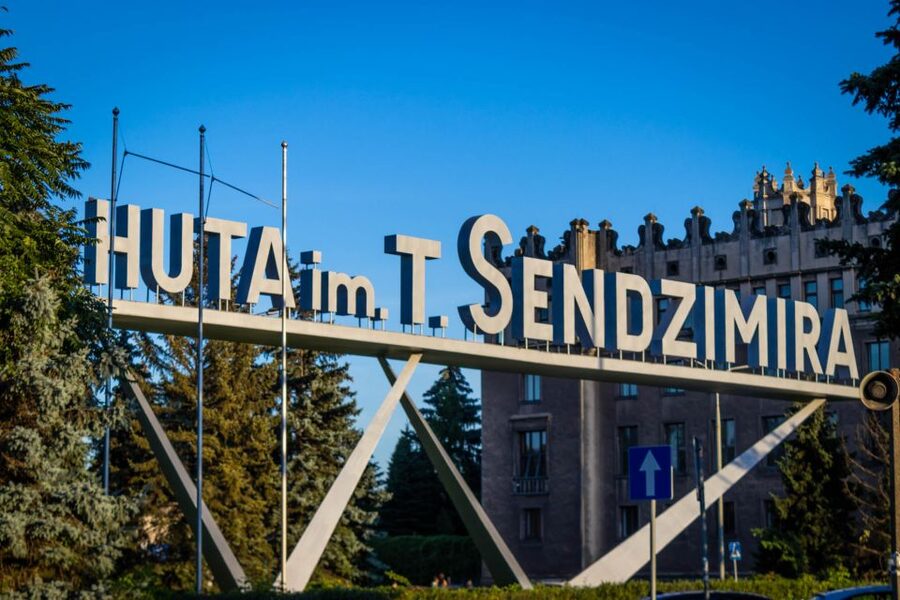
The tour starts at the steel mill building entrance main gate, the building on the left with the info point. From Krakow center, you can reach it by tram or bus and get off at the Kombinat stop. The activity ends back at the meeting point, which makes planning your day easier.
Meeting the guide at the steelworks gate, then stepping into a planned city
The best part of arriving at the right meeting point is that you start your walk into the story immediately. You meet your guide at the main gate of the steel mill building, and the route begins right where the complex feels official and controlled.
From there, you shift from street-level Poland to industrial-era design. This is not a museum tour where you pass glass cases. It is a guided circuit through real spaces tied to how the steelworks ran. That matters because you see how power, production, and everyday life were handled by the same system.
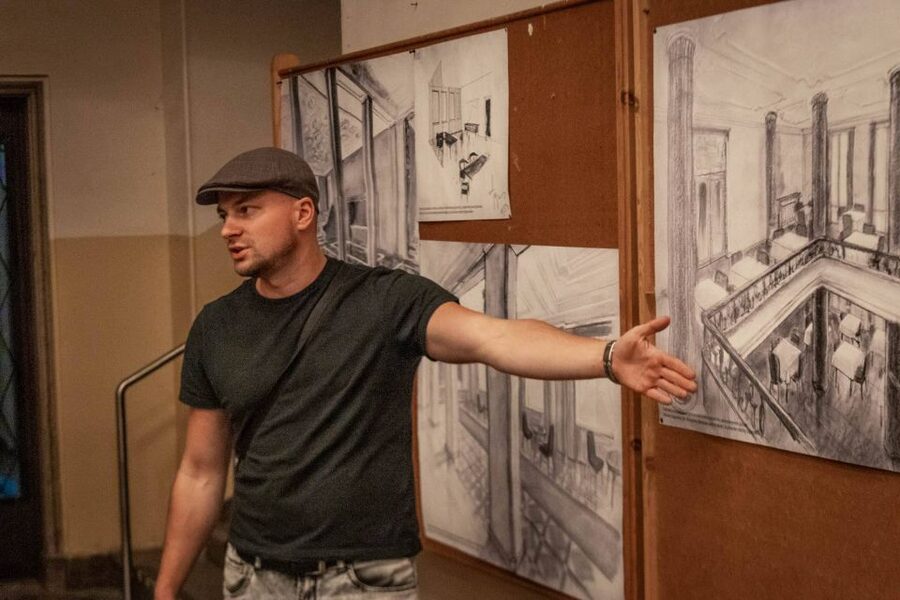
In the reviews, guides like Mateusz come up again and again, often for two reasons: clear English and a style that keeps the pace lively. One review even notes the guide told funny personal stories about his grandma. That kind of human detail helps the buildings stop feeling like distant history and start feeling like a workplace people actually lived through.
Two almost twin buildings: offices, stairs, and the look of authority
The itinerary focuses on two administration buildings that are close enough to feel related, but different enough to make the comparisons worthwhile. Your guide helps you notice what those differences mean in practice, not just in theory.
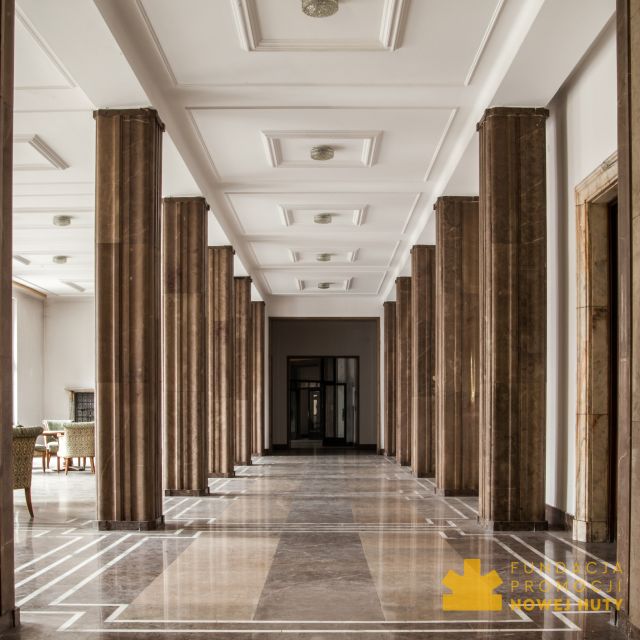
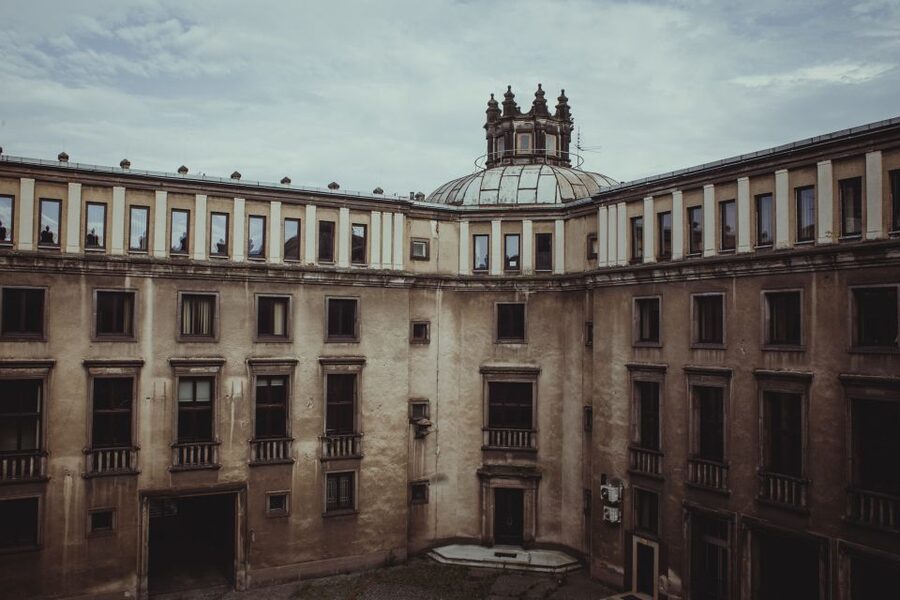
One highlight is the entrance hall. It is described as resembling a renaissance staircase, and once you stand in that space, you get why it was built that way. It looks designed to impress directors, visitors, and staff moving through the building under the steelworks banner. Nearby rooms are linked to the people who ran the plant, including offices meant for executives and engineering leadership.
Another detail I’d watch for is the office layout, especially the director’s executive offices and the engineers’ corner offices. Even if you never worked in that kind of administration, the placement and design cues tell you where decisions happened.
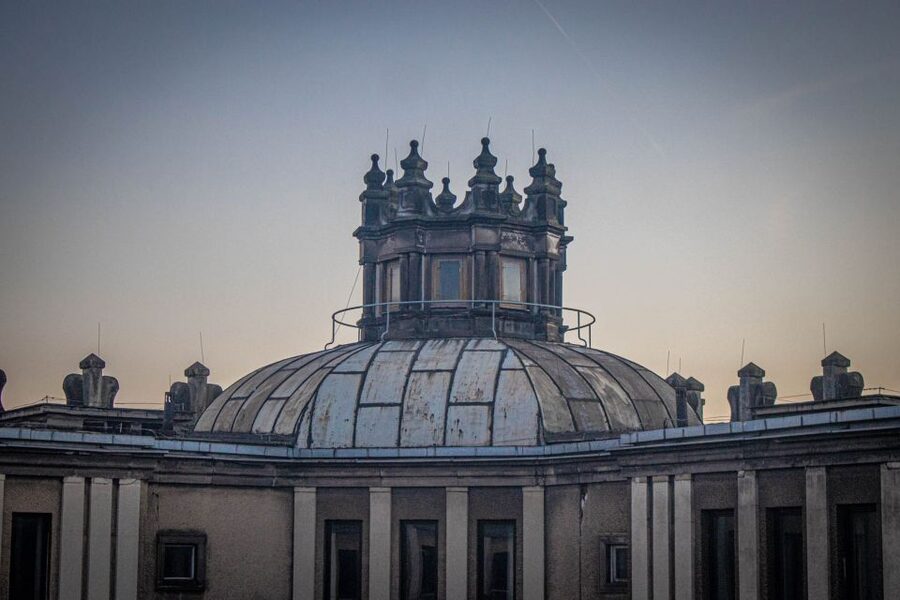
Then there is the architecture you can track physically: you will see oval corner staircases located in both buildings. When you spot them in one place and then find them again in the other, you start to see the planning logic behind the complex.
A practical note: the tour moves through multiple levels and corridors. It is not just picture-taking. Plan to do some walking, and if you are short on mobility, make that a decision before booking, not during the tour.
The tunnel connection: turning “Cold War” into something you can see
The tour’s most memorable shift is the move from offices to underground space. Between the two buildings, you go through an underground tunnel. That tunnel moment matters, because it changes the scale of what you think you are visiting.
Above ground, the buildings feel like management. Underground, the story becomes survival and communication. The description calls out bomb shelters that look like they belong to the second half of the 1950s. That time anchoring helps. It is not generic bunker décor. It feels built for a specific period of fear and planning.
In a review, the underground part is described as including communication rooms and living quarters. That combination is important. Bomb shelters were not only about hiding from danger. They were meant to keep people functioning and connected if things went wrong.
If you like Cold War history, this is where the tour earns its ticket price. You can read about the era anywhere. Here, you move through the physical spaces that supported it, including the routes planners expected people would take.

Bomb shelter interiors and the underground command center feel
Once you’re underground, the tone changes fast. The focus becomes the shelter experience: how the space was organized, how communication and coordination were set up, and what it meant to have an underground command mindset.
The tour specifically mentions an underground command center. Even without a long lecture, you can feel what that implies: a place designed for quick decisions, controlled flow, and information exchange under pressure.
You also see how shelters were arranged, and the guide frames it in a way that connects to how a steelworks community might have prepared. It is easy to understand why a huge industrial operation would plan for continuity, not just production.
The best part is that the shelter area is not shown as a spooky set. It is presented as functional infrastructure. That approach makes it easier to process the reality behind the design.
Radio control room, station, and recorded tapes
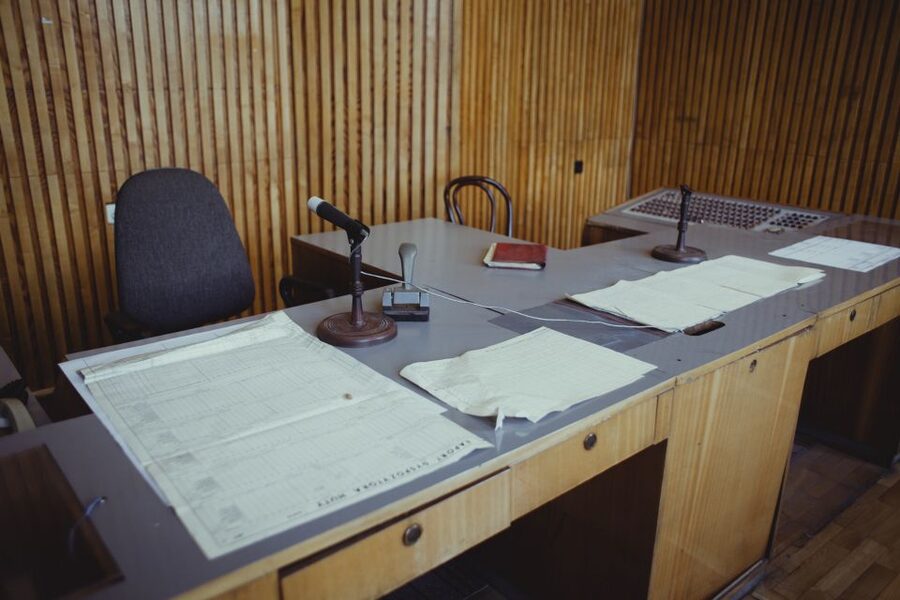
One of the more specific parts of the program is the radio area. You check out how the radio control room and radio station works, and you can listen to authentic tapes recorded there.
For me, this is one of the strongest “only-here” features. Buildings tell you what power looks like. Audio tells you what power sounded like. The idea that you can hear tapes recorded in the space takes the tour from architecture appreciation into lived-era detail.
And it helps connect the underground and above-ground sides. Administration runs on information. Shelters run on information too. Seeing the layout above ground and then stepping into the command and communication vibe below creates a clear chain in your head.
If you’re the kind of traveler who likes details you can picture later, this is the place to ask questions about what those recordings represent and how radio fit into daily operations and emergency planning.
The workers building theater hall and staircases you can still use
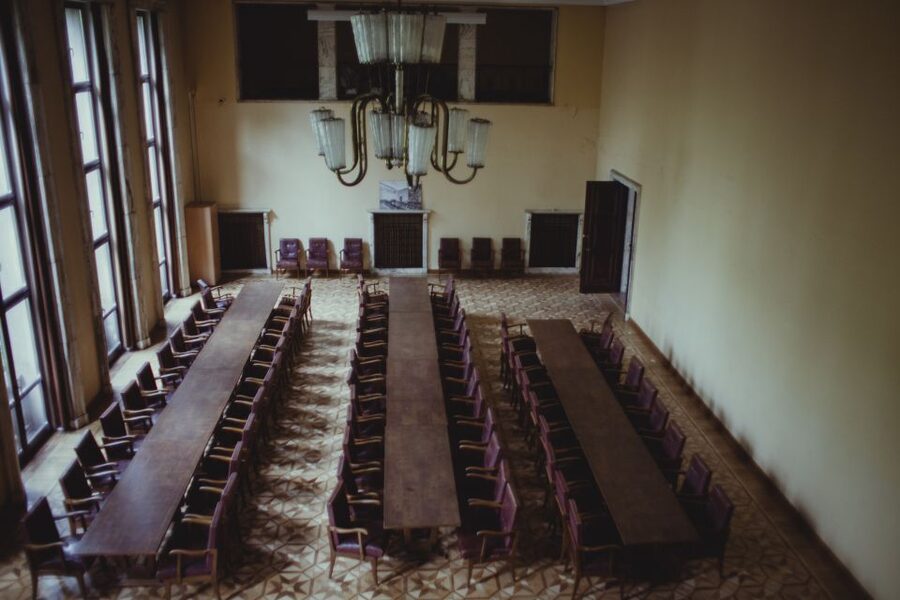
Not everything is offices and bunkers. You also get a look at the theater hall in the workers building, and it is also used today. That is a big deal, because it shows how the complex is not only history. Some parts stayed active, which keeps the story from becoming purely tragic or purely nostalgic.
You also revisit the oval staircases as part of the route. Seeing them in multiple places helps you understand the building’s circulation. If you like architecture, this section gives you patterns to notice. If you do not, the guide can still help you connect the design to the human flow of staff moving through the complex.
This stop also helps the overall tour feel balanced. You get the heavy administration, the serious underground elements, and then a shared-space note through the theater hall.
Vintage car option: when it works best
There is an option to take the tour in a vintage car, plus a communist-era car presentation for photos. If you pick that add-on, the timing and mood can shift right away, because you start with visuals that match the era theme.
Multiple reviews mention the retro car experience as a highlight, describing it as a treat and a memorable touch. Even if you do not care about cars, it helps set expectations for what kind of tour this is. You are not just walking through rooms, you are stepping into an atmosphere.
If you hate photo stops that feel forced, choose it only if you genuinely want an extra visual moment. Otherwise, you can still have a full experience without it, because the administration buildings and shelters are the core.
Who this tour is for, and who should skip
I think this tour suits three types of travelers.
First, if you care about 20th-century history, especially Cold War and socialist-era planning, you will get a direct, physical view of how it all connected. This is not abstract.
Second, if you love architecture, you will enjoy noticing how authority shows up in entrances, stairs, halls, and office placement. The “renaissance staircase” feel and the oval staircases are specific features you can remember.
Third, if you want a break from Krakow’s main tourist loop, Nowa Huta gives a totally different lens. You come away with a sense of how the city grew under a planned industrial model, and how the area changed over time.
Who should consider skipping? If you have mobility impairments, or you use a wheelchair, the tour is not suitable. Also, if you expect to tour the operating steelworks part, that is not included. This is focused on administration buildings and shelters.
One more small note from reviews: at least one guide was reported to be accommodating about a small dog. That is not a guarantee for every booking, but it does suggest the guides often treat the visit with common-sense flexibility.
Is it worth booking? The $24 value argument
For a guided, English-language tour inside administration buildings plus underground shelters, $24 is a fair price. The math is simple. You are paying for access you would not easily get on your own, and for a guide who can explain what you are seeing while you are still in the rooms.
The tour also runs about 1.5 hours. That helps with value because you are not paying for a long bus ride or a half-day wandering with vague stops. You are paying for focused entry and for the underground portion that most visitors never see.
Finally, the guide style seems to matter a lot. Reviews highlight humor, clear English, and the ability to answer questions. When the guide can do that, you get more out of the rooms, and the architecture and shelter layout start telling a story instead of just looking like concrete and stairs.
My practical tips so you enjoy it more
Here are the things that usually help on tours like this, based on how the experience is described.
Wear shoes you trust. You will be moving through multiple building sections and going underground, so traction and comfort matter. Bring a camera if you like interior shots, because the buildings and halls are built for visual impact.
Ask questions when you have them. A good guide will pause for photos and queries, and the best details come when you ask about what you are standing in front of, like how the two buildings differ or how radio fit into the bunker planning.
If you are comparing this to Old Town Krakow, set your expectations. This tour is not scenic. It is atmospheric in a different way. You will leave thinking about systems, power, and everyday life under a socialist industrial model.
Should you book the Nowa Huta Steelworks Administration Buildings and Shelters tour?
If you want more than Krakow’s postcard center, book it. The combination of inside-access administration buildings and a bomb shelter underground section is the reason this tour earns such strong ratings. At about $24 for around 90 minutes with an English-speaking guide, it is also a smart-value way to understand Cold War-era life through place, not just reading.
Skip it only if you need wheelchair access or you have mobility limits, since it is not suitable for wheelchair users. Also skip if your priority is the operating steelworks, because that part is not included.
FAQ
How long is the Nowa Huta Steelworks Administration Buildings and Shelters tour?
The tour lasts about 1.5 hours.
Where do I meet the guide, and how do I get there from Krakow?
Meet your guide at the steel mill building entrance main gate, the building on the left with the info point. From Krakow center, you can go by tram or bus and exit at the Kombinat bus stop.
Is the tour guided in English?
Yes, the tour includes an English speaking guide.
What parts are included in the tour?
You get a guided tour of the steelworks administration buildings plus the shelter, including access to the underground areas and an option for a communist era car presentation for photos. A vintage car ride is included only if you select that option.
Can I enter the operating part of the steelworks?
No. Entry to the operating part of the steelworks is not included.
Is there a vintage car option?
Yes. If you select the option, the tour includes a tour in a vintage car and a communist-era car presentation for photos.
Is free cancellation available?
Yes. You can cancel up to 24 hours in advance for a full refund.
More Tours in Krakow
More Tour Reviews in Krakow
Not for you? Here's more nearby things to do in Krakow we have reviewed










More Communism & Nowa Huta Tours to consider.
 ★ 4.9Nowa Huta Guided Tour in Vintage CarFrom $75277 reviews
 ★ 5.0Legendary Private Nowa Huta Communism Tour with Crazy GuidesFrom $131262 reviews
 ★ 4.9Private Nowa Huta Adventure Tour in Communist CarsFrom $108114 reviews
 ★ 4.93.5-Hour Communism Deluxe Tour by TrabantFrom $21584 reviews
 ★ 5.0Trip Around Nowa Huta – KrakowFrom $10250 reviews
 ★ 4.9Communist Krakow – Nowa Huta Walking Tour in EnglishFrom $2634 reviews
 ★ 5.0Nowa Huta Steel Mill Administration Buildings and Shelters with local NGOFrom $2733 reviews
 ★ 5.01.5h Crazy Guides’ Communism Tour of Nowa Huta in Classic CarFrom $11122 reviews
Other ways to explore Krakow