
Review · KRAKOW BIKE & E-BIKE TOURS
Polish Countryside and Tyniec Abbey Bike Tour from Krakow
Bike ride to a real monastery outside Krakow.
What I like most is the Tyniec Abbey stop at the end of a calm ride out of town, plus the mix of river views and forest cycling that keeps the route from feeling like a checklist. One thing to plan for, though: the return ride has a few hills, so you’ll want solid basic bike comfort, not just casual spinning.
This is a small-group tour, usually capped at 15 people, and that matters. You get room to breathe, a guide who can actually watch the pace, and more time at key spots like the abbey church and museum. Guides such as Chris, Tom, and Mike show up often in the experience, and the best moments are when they keep the history clear and practical, not lecture mode.
You’ll start in central Krakow, pedal along the Vistula River, climb to Poland’s oldest functioning monastery, then ride on through Wolski Forest before finishing at a dramatic lake view. It’s also one of those tours that tends to book ahead, so if you’re aiming for specific dates, it’s smart to reserve sooner rather than later.
Key things to know before you go
- Poland’s oldest working monastery at Tyniec, with a chance to hear monks chanting in Latin
- A ride that feels like a mini escape from the Old Town, following the Vistula River into the countryside
- Wolski Forest cycling plus a stop to explore ruins of a hillside fortress
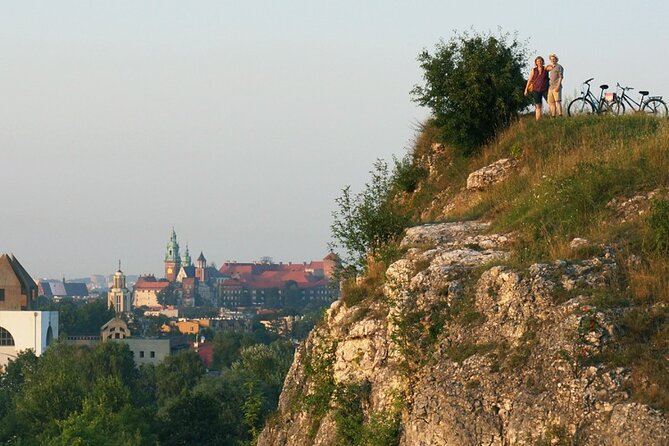
- Sunset views over Krakow from a clifftop lake area tied to Pope John Paul II’s wartime work
- Small group pace and bike-and-helmet included, but you need moderate fitness for the hills
- Monastery dress rule: no bare shoulders, plan a light layer
Getting started at Sławkowska 6A, with trek bikes and helmets
Your tour begins at Sławkowska 6A in Krakow, and it ends back at the same meeting point. That simple start-to-finish loop is one of the quiet advantages of this ride: you do not have to worry about transfers or complicated end points after a half-day out.
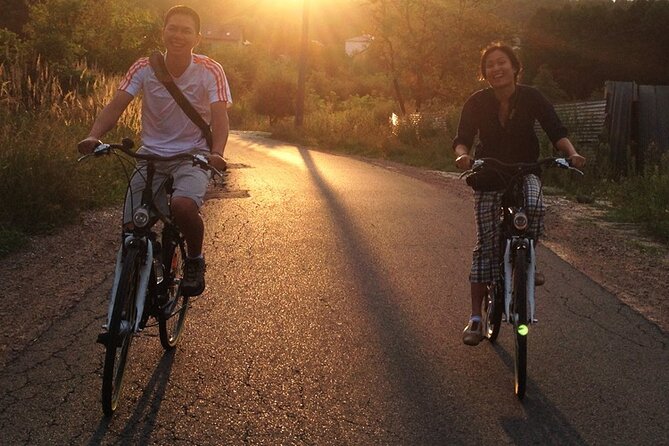
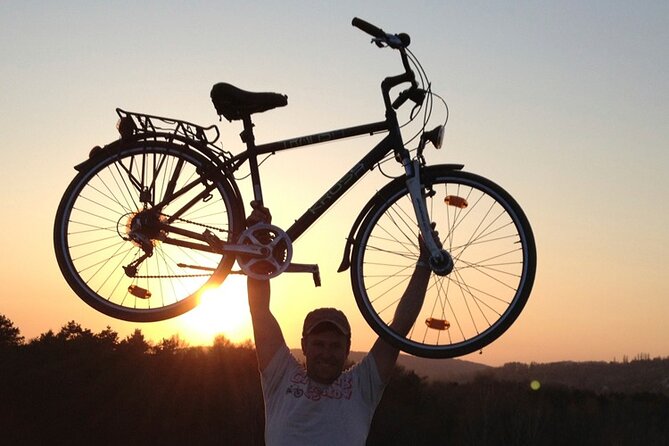
Right after you meet your guide, you’ll get set up with a helmet and a trek bike. The bikes are built for real riding, not just look-good sightseeing, which helps when the route turns from flat river stretches into more rolling terrain. The tour is offered in English, and you’ll get a mobile ticket plus confirmation at booking.
Group size stays small, with a maximum of 15 travelers. I like that for two reasons. First, it keeps the ride from feeling crowded on narrow paths. Second, it makes it easier for the guide to manage pacing, especially on the bits that involve short climbs or changes in slope.
Finally, you’re not stuck far from public transportation. If your Krakow hotel is in the city center, you’ll likely find it easy to get to the meeting point without extra planning.
You can also read our reviews of more cycling tours in Krakow
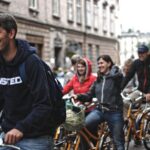
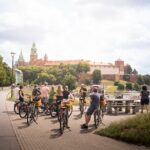
Following the Vistula River out of Krakow and past Pope John Paul II sites
The ride begins in the city, but it doesn’t stay there for long. You’ll head out along the Vistula River, and you’ll pass key landmarks tied to Pope John Paul II, including his former residence.
This part works even if you’re not a “history person.” The river route gives you an easy rhythm right away: take in views, get used to your bike, and settle into the pace. It also helps you get your bearings fast on a geography that’s hard to appreciate from inside the Old Town alone.
You’ll also stop at a riverside cafe for refreshments. Food and drinks aren’t included, so think of this as your chance to buy a snack, coffee, or something simple to keep your energy steady for the climb later. A small break here can make a big difference when your thighs start negotiating with hills.
If you want photos, this is a good section to practice quick shots. The river gives you lines and space, and the light tends to feel more open than it does in older streets.
Tyniec Abbey: Poland’s oldest working monastery, chants, church, and museum
The centerpiece is Benedictine Abbey of Tyniec, tied to monastery life that reaches back to the 11th century, with the abbey grounds reflecting work from the 12th century. Expect to spend about 45 minutes at the abbey area, including time to explore.
This stop is more than a pretty building. You’ll have time to wander the church and museum, and you’ll learn how the monks’ daily lives shape what visitors see. One of the standout moments people love here is the chance to hear monks chanting in Latin. That sounds like a “special event” until you’re there and realize it’s part of how a working monastery functions.
A practical heads-up: the abbey has a no bare shoulders rule. Even in warm weather, plan a light shirt, scarf, or layer you can wear during the visit. If you forget and arrive in a tank top or sleeveless top, you may not be able to enter comfortably.
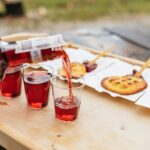
There’s also a shop and a chance to pick up monk-produced items. You might find things like wine, oils, teas, and other treats. I like this aspect because it connects the abbey visit to something real you can take home. It also tends to feel more personal than souvenir-shopping in a tourist zone.
Timing matters too. The route is arranged so you reach the broader scenic finish near sunset, and the abbey visit sits in a flow that supports those late-day photo moments. Even if the exact light changes with the weather, the day is paced to end beautifully.
Wolski Forest cycling and the hillside fortress ruins stop
After the abbey, the tour shifts into a more “outside Krakow” mood. You’ll cycle through Wolski Forest, where the air and the visuals change quickly. Instead of city edges and river traffic, you get wooded paths and a more rural feel.
You’ll also pause to explore ruins of a hillside fortress. This is the kind of stop that makes the whole ride feel worth it, even if you’re not planning to spend hours hiking. It’s a short history break you can actually fit into an active half-day.
This section is also where your bike comfort pays off. On forest paths and slower turns, you need to be able to maintain balance and steer smoothly. If you’re the kind of rider who’s fine on flat roads but gets tense with hills and shifting surfaces, this is where you’ll feel it most.
The good news: the group size stays small and the guide is there to keep everyone moving, including helping you understand what’s coming next. In past trips, guides like Mike and Tom have been praised for being patient and clear about turns and changes in pitch, so you’re not left guessing.
The clifftop lake finish tied to John Paul II’s wartime work
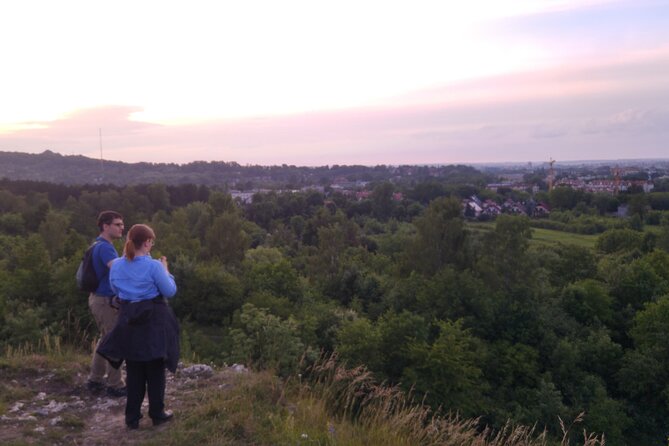
The tour ends at a scenic lake ringed by cliffs, a site connected to a former quarry where John Paul II worked during the Nazi occupation. This is a striking ending point for a bike tour because it mixes nature views with a meaningful historical connection.
You’ll have time for photos, especially if you’re there near sunset. The clifftop viewpoint gives you a dramatic angle back toward Krakow, and the light often makes the city look softer and more cinematic than it does under midday sun.
This finish is why I think the route is designed the way it is. If you only did the abbey, you’d get history. If you only did the forest, you’d get scenery. Putting the abbey and forest together, then ending at a clifftop lake tied to wartime history, gives the day an emotional arc.
After the photos, you’ll ride back to the meeting point, bringing the entire experience back to that simple “out and return” structure.
Pace and bike skills: what moderate fitness means in real life
Let’s talk honestly about effort. The tour is listed for moderate physical fitness, and that matches what the ride feels like: you’re not doing a mountain-grind all day, but you are dealing with a longer route and several hills.
The return can feel a bit harder, mainly because you’re riding back uphill after you’ve already spent time moving along riverside flats and forest paths. One review also noted the route includes a number of hills and is long, which is exactly the kind of detail I’d want to know before committing.
Here’s my practical advice:
- If you ride a bike occasionally, you’ll likely be okay.
- If you haven’t been on a bike in a while, take it seriously. The day’s better when your legs are warm and your steering is calm.
- If you’re comfortable with short climbs and steady pedaling, you’ll enjoy it more.
Also, one review mentioned that the bikes were not all 100 percent in perfect condition. That’s not something you can control, but it’s a reminder to arrive ready to check basic comfort, like seat height and braking feel, during setup.
The overall vibe is relaxed, and guides do a good job explaining the route so you don’t get surprised by sudden turns or changes in grade. Still, this is not a stroller-friendly ride. It’s an active half-day that asks you to participate.
Value at $62.31: what you pay for and what you save
The price is $62.31 per person, for about 4 hours. For a Krakow countryside bike day, that’s strong value when you look at what’s included.
You get:
- A professional guide
- Use of a trek bike and helmet
- Access to the abbey area where the admission ticket is free for the scheduled visit
What you do not get:
- Food and drinks included
So the real cost story is simple. You’re paying for guided riding, the bike setup, and the key site visit, while you control your own snack and drink budget at stops like the riverside cafe. If you plan to buy a drink and one snack, you’re still usually well within “paid attraction + transport” costs you might hit on other day trips.
One small detail that can matter for value: group discounts exist. That won’t change the tour price you see when booking, but it signals that the operator thinks about pricing as part of the experience.
Also, with a mobile ticket and English guide, you’re not spending extra time coordinating complicated logistics. A bike tour that runs smoothly for 4 hours can feel like better value than a day trip that forces you to navigate transfers on your own.
Why the guides make or break this ride
The experience lives or dies with the guide’s pacing and communication. In the real-world feedback, guides such as Chris, Tom, and Mike show up with a common theme: clear guidance that helps you enjoy the ride instead of worrying about where you’re going.
Chris, for example, got praise for mixing scenic storytelling with practical navigation. Tom was described as excellent, and Mike has been credited with patience, especially when someone’s riding skills were not automatic.
There’s also a style lesson here. One person specifically liked that the leader did not fill time with needless chatter. That’s huge on a bike tour, because you want to hear what matters, when it matters, and still have quiet moments to enjoy the route.
If you enjoy learning while moving, you’ll like how the day connects monastery life, wartime context tied to John Paul II, and local countryside cycling. If you prefer a quiet ride, you’ll still get enough structure to feel safe and oriented.
Weather, sunset timing, and what to do if it changes
This is a good-weather experience. If the operator cancels due to poor weather, you’ll be offered a different date or a full refund.
Because the day is built around late-day light, you should pay attention to the forecast when your date gets closer. Even when it’s not perfectly sunny, the route still has scenic value, and the clifftop finish is meant to deliver that “end of day” feeling.
If you’re the type who loves sunset photos, this is a big reason to book. If the weather turns, the operator’s weather rule is there for a reason: you’re cycling outdoors and visiting a monastery area where conditions can affect comfort.
Should you book the Polish Countryside and Tyniec Abbey Bike Tour?
Book it if you want a half-day that feels like a break from the Old Town without needing extra transport planning. It’s especially worth it if you care about:
- Tyniec Abbey and the chance to experience a monastery that’s still active
- Cycling through Wolski Forest and getting viewpoints you cannot easily reach on foot
- Finishing with a clifftop lake view back toward Krakow near sunset
Skip it, or consider another option, if:
- You hate hills and want an entirely flat route
- You’re not comfortable riding for a longer stretch, since the return ride includes a few climbs
- You’re unprepared for the monastery dress rule, like not having a covered layer for shoulders
If you’re a steady, moderate bike rider, this is one of the better ways to see Krakow from both sides, city and countryside, in a single morning or afternoon loop.
FAQ
How long is the Krakow countryside and Tyniec Abbey bike tour?
The tour lasts about 4 hours.
Where does the tour start and end?
You start at Sławkowska 6A, 31-014 Kraków, Poland, and the tour ends back at the same meeting point.
What is the price per person?
The price is $62.31 per person.
Is the tour offered in English?
Yes, the tour is offered in English.
What’s included in the tour price?
The tour includes a professional guide and use of a trek bike and helmet.
Are food and drinks included?
No. Food and drinks are not included, but there is a chance to buy refreshments during the ride.
Is admission to Tyniec Abbey included?
For the scheduled abbey visit, the admission ticket is free.
What should I wear for the monastery?
The monastery has a rule of no bare shoulders, so plan to cover your shoulders.
How fit do I need to be?
The tour is recommended for people with moderate physical fitness and involves cycling with hills.
What happens if the weather is bad?
This tour requires good weather. If it’s canceled due to poor weather, you’ll be offered a different date or a full refund.
More Cycling Tours in Krakow
More Tours in Krakow
More Tour Reviews in Krakow
Not for you? Here's more nearby things to do in Krakow we have reviewed





More Krakow Bike & E-Bike Tours to consider.
 ★ 5.0Complete Cracow Bike Tour (small group of maximum 15 people!)From $391,322 reviews
 ★ 4.9Bike Tour of Old Town, Jewish Quarter and the GhettoFrom $371,155 reviews
 ★ 5.0Highlights of Krakow Bike Tour – Small groupFrom $36662 reviews
 ★ 5.0Full Bike Tour – the Old Town, Jewish Qtr & the Ghetto NEW BIKESFrom $35437 reviews
 ★ 4.9Bike Tour of the Old Town, Kazimierz, and the GhettoFrom $26350 reviews
 ★ 5.0Hidden Krakow Bike TourFrom $39275 reviews
 ★ 5.0Private Bike Tour in KrakowFrom $151152 reviews
 ★ 4.83-Hour Small Group Tour on E-BikeFrom $62135 reviews
Other ways to explore Krakow