
Review · AUSCHWITZ-BIRKENAU MEMORIAL TOURS
Wheelchair accessible PRIVATE transfer to Auschwitz – Birkenau
Auschwitz is heavy. Your day does not have to be.
This is a private, wheelchair-accessible transfer from Krakow to Auschwitz-Birkenau, built around real-world needs: hotel pickup, a comfortable van, and a tight plan that keeps you from hunting for logistics. I like that it is truly private, so you are not squeezed into other people’s schedules.
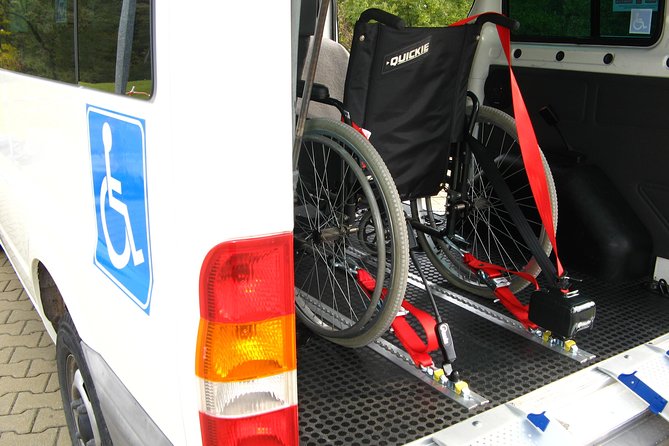
Two things I really appreciate are the stress-free hotel pickup (no meeting point scramble) and the wheelchair-ready vehicle setup, including space for electric or manual chairs. The one consideration is that the museum is not fully accessible, so you should expect some parts to be challenging even with helpful assistance.
Key Points That Matter Before You Go
- Hotel pickup in Krakow starts your day with less hassle, and you time it to your entry.
- Private wheelchair-accessible minivan means your group stays together, with room for one wheelchair and up to four standard seats.
- Timed visit flow is designed to fit Auschwitz I and a second stop at Birkenau, with about two hours at Auschwitz I.
- Headphone system included, which helps make the on-site experience easier to follow.
- Museum security and ID rules apply, including strict bag size limits and photo identification.
A Private Wheelchair Transfer That Actually Reduces Stress
If you are planning Auschwitz-Birkenau with mobility needs, the hardest part is often not the visit itself. It is the getting there, the lining up, and the guessing game of where to be and when.
This transfer is built to remove that stress. You get round-trip transportation from Krakow with a driver who meets you at your accommodation. It is also set up as a private service, so you are not sharing the ride or the timing with other groups.
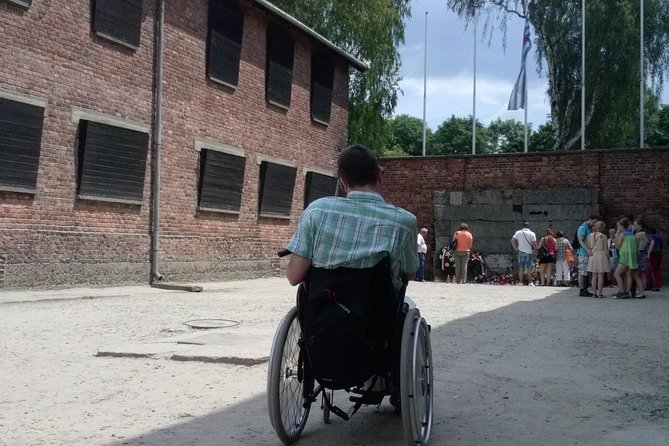
Now, a key reality check. This is help, not magic. The experience takes place in historic grounds with uneven surfaces and restrictions. The good news is that the driver will adapt to your individual needs where possible, while still following museum rules.
You can also read our reviews of more private tours in Krakow



Pickup Timing and the Drive From Krakow to Oświęcim
Here is how the timing works, and why it matters. Your pickup from Krakow happens two hours before your entrance to the museum. When you book, you specify the museum entry time so the schedule can be built around it.
Once you are picked up, you head to the site in Oświęcim. The drive is about 1.5 hours to the destination, based on the service plan.
This timing is not random. Auschwitz-Birkenau has limited capacity, and there is a controlled entry flow. Getting picked up early helps you arrive with less rushing, which is especially important if you need extra time for transfers, security checks, or just getting settled.
Plan your morning so you are not cutting it close. Two hours sounds like a lot, until you factor in travel time, parking, and getting you positioned for entry.
Auschwitz I: Main Entrance, Visit Timing, and Practical Accessibility Notes
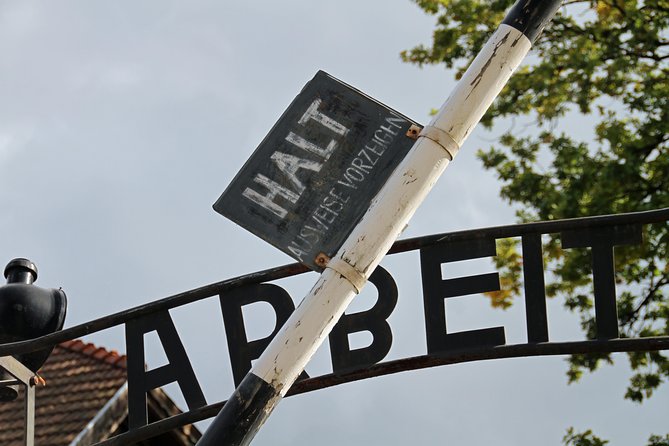
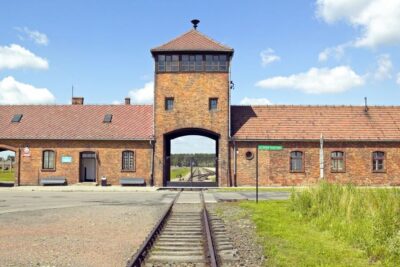
Your day starts at the main entrance to the Auschwitz-Birkenau grounds. After you arrive, you are taken to the entrance area, then you begin the Auschwitz I portion.
The visit portion at Auschwitz I is approximately 2 hours. That is a workable window for taking in key areas without turning it into a sprint. Still, Auschwitz is intense, so build in breaks for yourself or your wheelchair assistant time.
Accessibility reality check you should not ignore
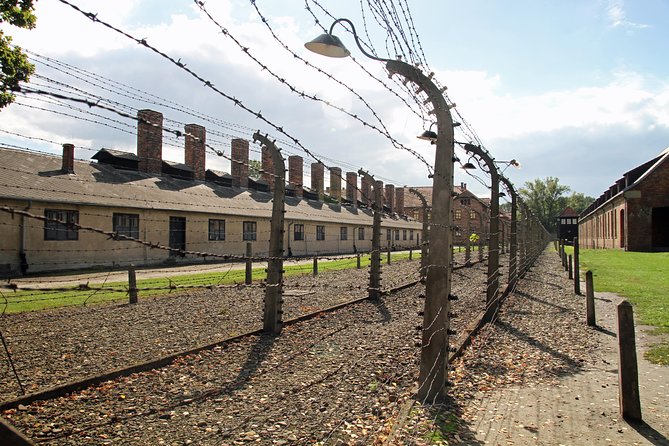
The service includes wheelchair access and support, but the museum is not fully accessible. That means some parts may be hard to reach or require more maneuvering than you would expect in a modern venue.
What helps here is that the service includes headphones, which the operator provides to make the visit more convenient. In a place where you may be doing more reading and listening than you can comfortably manage at your own pace, audio support can make a big difference.
Museum rules that affect your comfort
You also need to be ready for museum procedures at entry. You must bring a document with a photo, plus your name and surname. Security checks are part of the process, including electronic devices to detect dangerous materials.
Bags are restricted to a maximum size of 30x20x10 cm. If you are bringing medical items, personal care items, or wheelchair accessories, plan so they fit the size limit. You do not want your mobility day to turn into a rearranging session at the gate.
And one more thing: you need to buy your museum tickets in advance because visitor numbers are limited.
More Krakow tours, salt mines, mountain days, and city experiences to compare




Birkenau for an Extra Hour by Minivan
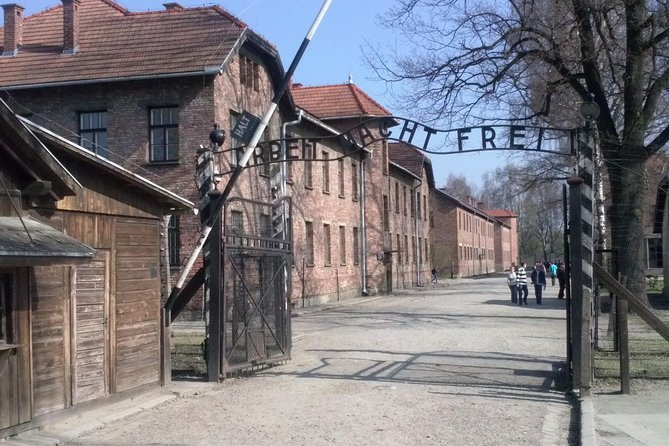
After Auschwitz I, the plan shifts to Birkenau. You are taken by the same minivan to Birkenau for about one hour of additional visit.
This stop matters because Auschwitz is not a single site you see and forget. The contrast between Auschwitz I and Birkenau helps you understand scale and context. You get time to focus on what you are looking at, without the entire day collapsing into one long block.
Logistically, the minivan transfer is a plus. Instead of figuring out how to move between zones yourself, you keep the day structured. That structure is often the difference between a manageable visit and a day that feels out of control.
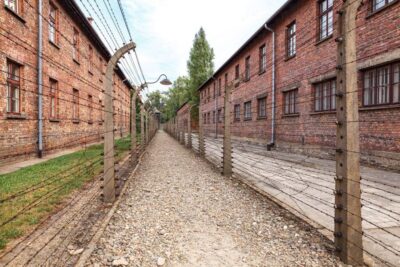
Still, remember the overall accessibility note. Birkenau has its own challenges. The operator says the driver will follow museum regulations and adapt as needed. But you should expect uneven surfaces and limits on movement.
Wheelchairs, Seating, and How the Van Is Set Up
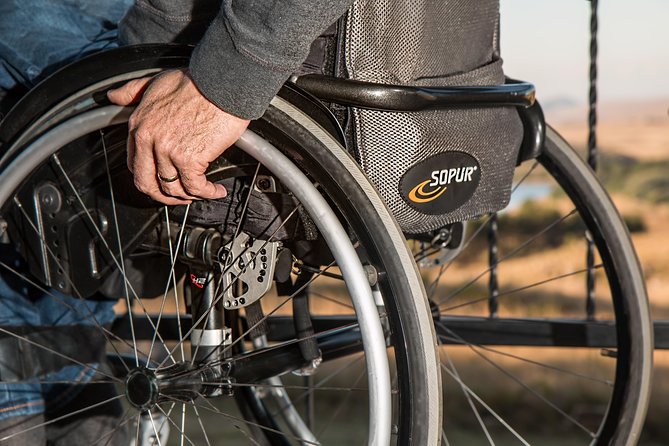
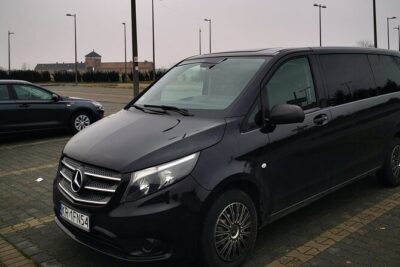
This service is designed around real wheelchair needs. It includes service for both electric and manual wheelchairs. The vehicle setup includes room for one wheelchair plus four standard seats, which is perfect if you are traveling with family or friends who can handle standard seating.
Because it is a wheelchair-accessible minivan, you can generally expect a smoother boarding and transfer process than typical taxis. But the bigger value is the coordination. Your driver is trained for the situation, and you are not left to improvise.
Also included is assistance by an English-speaking driver, plus parking fees. Those may sound small on paper, but they matter on the day. Parking fees can be an annoyance. Taking care of them for you means you keep the focus where it belongs.
Tickets and Timing: Why You Need to Plan Before You Arrive
Here is the part that trips people up. This transfer includes transport, pickup, and drop-off. It does not include museum entrance fees.
You are also told to buy tickets in advance because the number of visitors is limited. That affects your entire day. If you get tickets at the wrong time or too late, the transfer timing falls apart.
So when you book, treat your museum entrance time as the anchor. Your pickup will be at least two hours before that entrance time. Pick an entry slot that gives you a realistic pace for a wheelchair-accessible visit.
If you want to reduce stress, do two things before the day:
- Confirm your photo ID details, including your name and surname.
- Pack only what you need within the bag size limit.
This is one of those experiences where being prepared is a kindness to yourself.
Comfort, Privacy, and Why Private Really Matters Here
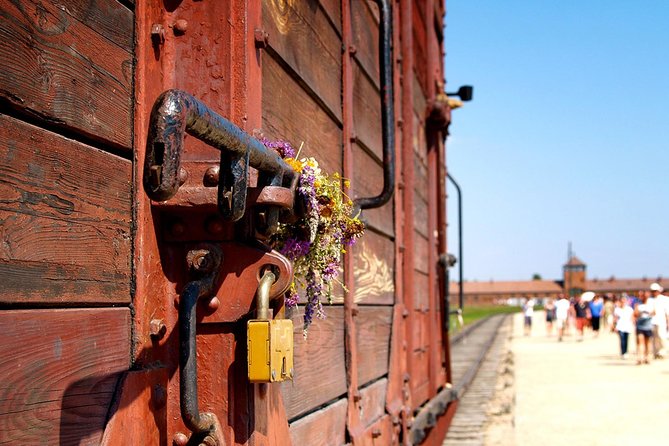
The private part is not just a pricing feature. It changes the whole rhythm of the day.
With a private transfer, you control your timing inside your own group limits. No sharing your ride. No waiting for other travelers who booked a different pace. No awkward “who goes next” moments.
For a wheelchair-accessible experience, that control is huge. It reduces friction when you need time for boarding, repositioning, or breaks. It also makes the driver’s job easier, which can help smooth out minor issues.
The schedule is also structured for an 8 to 9 hour day. That is important to know up front. You are not booking a quick errand. You are planning a full day that includes travel time plus about two hours at Auschwitz I and about one hour at Birkenau.
The Piotr Experience: When Help Turns Into a Real Rescue
One of the strongest points in the feedback is the way the driver handled a schedule change.
In a review, the driver was Piotr, and he went above and beyond after an Auschwitz tour time shifted earlier. The reviewer could not make the new time in time, and Piotr stepped in to help reorganize things so they could still participate and see the other part of the tour. He also explained the situation at the office.
That story matters because Auschwitz trips can change due to timing adjustments, ticket windows, or on-site controls. When you have a driver who communicates and works the problem, you protect your day.
Even if everything goes perfectly, having that kind of problem-solving capacity adds value. And in real life, it is the difference between a minor hiccup and a spoiled outing.
Price and Value: Is $295.87 Per Group Worth It?
The price is $295.87 per group, up to five people. Duration is about 8 to 9 hours, including the timed structure of Auschwitz I plus Birkenau.
For many people, wheelchair-accessible private transport is expensive. But here is the value math that matters.
You are paying for:
- Private, door-to-door transportation
- A wheelchair-accessible minivan setup
- Service for electric and manual wheelchairs
- A driver who assists and communicates in English
- Parking fees included
If you are traveling with multiple people, the “per person” feel can get better fast. Up to five seats means your group can ride together instead of splitting taxis or hiring multiple vehicles.
Also, reducing stress has a real cost. When you eliminate the guesswork of finding accessible transport at the right time, you protect energy for the part of the day that matters.
So I see this as good value if you value control, accessibility support, and a smooth start and end in Krakow.
Who This Transfer Suits Best, and Who Should Rethink It
This fits best if you:
- Need a wheelchair-accessible private vehicle with space and support
- Want a stress-free start with hotel pickup
- Prefer a planned schedule that handles transportation between Auschwitz I and Birkenau
- Value help from an English-speaking driver and included audio support
It may be less suitable if:
- You rely on the museum being fully accessible. The service is helpful, but the museum is not fully accessible
- You do not want to follow strict entry rules. Expect security checks and strict bag sizing
- You are traveling with children. The service notes it is not recommended for child aged 14 and under
If you are unsure, think about one thing: do you want your trip to feel like a guided operation with minimal moving parts? If yes, this makes sense.
Should You Book This Wheelchair Accessible Auschwitz-Birkenau Private Transfer?
I would book this if you want an accessible plan that starts at your hotel and focuses on what you came for. The private setup, wheelchair-ready vehicle, and headphone system are practical wins. The pickup timing is also smart, because it respects the entry flow and limited visitor numbers.
I would pause if you know you need an environment that is fully barrier-free. The museum is not fully accessible, and Auschwitz and Birkenau are not designed like modern buildings. This transfer helps with transportation and coordination, but it cannot erase site limitations.
If you want the safest bet for a smoother day in Krakow, this is the style of service that helps. And if something changes, you have proof in the feedback that the driver can work hard to keep your visit on track, including the Piotr example.
FAQ
What is included in the wheelchair accessible private transfer?
It includes hotel pickup and drop-off, private transport by wheelchair accessible minivan, service for both electric and manual wheelchairs, room for one wheelchair plus 4 standard seats, an English speaking driver, and parking fees.
Is the museum entrance fee included?
No. Museum entrance fees are not included.
How early is the pickup in Krakow?
Pickup is at least two hours before your entrance time to the museum. You also specify the pickup time when booking.
How long is the full experience?
It runs about 8 to 9 hours total.
How long do you spend at Auschwitz I?
You have approximately 2 hours for Auschwitz I.
Is there an additional visit to Birkenau?
Yes. After Auschwitz I, you are taken to Birkenau for about 1 hour of additional visit.
Is the tour private or shared with other groups?
It is private. Only your group participates.
Is the museum fully wheelchair accessible?
The service notes that the museum is not fully accessible, even with wheelchair support.
What documents do I need to enter the museum?
You need a document with a photo, name, and surname.
Are there limits on bags and personal items?
Yes. The maximum bag and backpack size allowed is 30x20x10 cm, and you will go through security checks.
Can I cancel and get a refund?
You can cancel for a full refund if you cancel up to 24 hours in advance of the experience start time. Changes within 24 hours are not accepted.
More Private Drivers in Krakow
More Private Tours in Krakow



More Tour Reviews in Krakow



Not for you? Here's more nearby things to do in Krakow we have reviewed











More Auschwitz-Birkenau Memorial Tours to consider.
 ★ 4.5From Krakow: Auschwitz-Birkenau Guided Tour & Hotel PickupFrom $2133,358 reviews
★ 4.5From Krakow: Auschwitz-Birkenau Guided Tour & Hotel PickupFrom $2129,340 reviews
★ 4.5From Krakow: Auschwitz-Birkenau Guided Tour & Hotel PickupFrom $2133,358 reviews
★ 4.5From Krakow: Auschwitz-Birkenau Guided Tour & Hotel PickupFrom $2129,340 reviews
 ★ 4.5Auschwitz Guided Tour with Optional Hotel PickupFrom $6915,280 reviews
 ★ 4.5Auschwitz-Birkenau Guided Tour with Pickup & LunchFrom $219,800 reviews
 ★ 4.5Auschwitz-Birkenau Guided Tour Pickup/Lunch OptionsFrom $2009,057 reviews
 ★ 4.7Auschwitz-Birkenau and Salt Mine Guided TourFrom $549,020 reviews
 ★ 5.0Krakow to Auschwitz Birkenau Guided Tour with Transfer and TicketFrom $368,197 reviews
 ★ 4.0From Krakow: Auschwitz Birkenau Tour with TransferFrom $216,134 reviews
Other ways to explore Krakow