
Review · AUSCHWITZ-BIRKENAU MEMORIAL TOURS
From Krakow: Auschwitz and Wieliczka Salt Mine Full-Day Trip
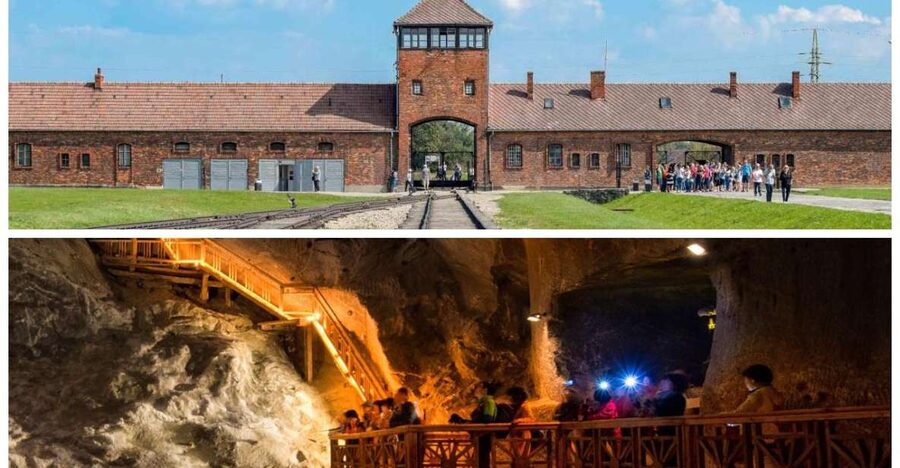
Two sites in one day can hit hard. This full-day trip from Krakow pairs the sobering lessons of Auschwitz-Birkenau with the truly strange beauty of the Wieliczka Salt Mine underground. It is an intense mix, but the structure of the day helps you move smoothly between locations without spending your energy on planning.
I especially like how this trip balances two very different kinds of learning. At Auschwitz-Birkenau, you follow a licensed museum guidebook-style route, so you are not just sightseeing. Then, at the salt mine, you get a live guide who explains how mining shaped the underground rooms you walk through, not just what they look like.
The main drawback is the length and the physical demands. Expect a lot of walking and many steps, plus limited breaks, which can make the day feel tiring even if you keep a steady pace.
Key highlights to know before you go
- Auschwitz-Birkenau tickets included so you can skip the headache of lining up for entry
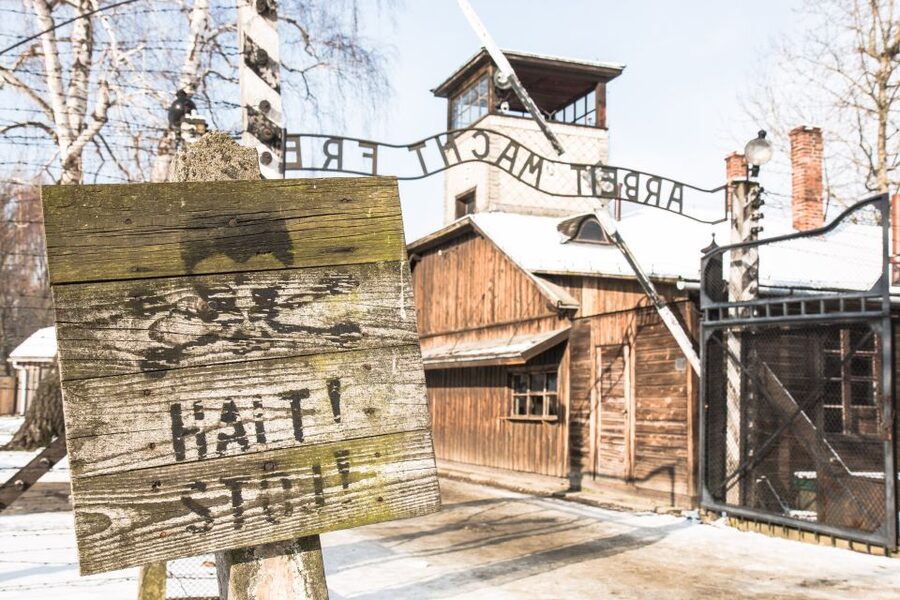
- Self-guided museum route at Auschwitz-Birkenau with a licensed guidebook format
- Guided Wieliczka Salt Mine with history of the mining and its underground structures
- Air-conditioned transport and pickup options in central Krakow (Old Town drop-offs are limited)
- Long day, early start with departure that can shift within a set morning window
A day that mixes grief and underground wonder
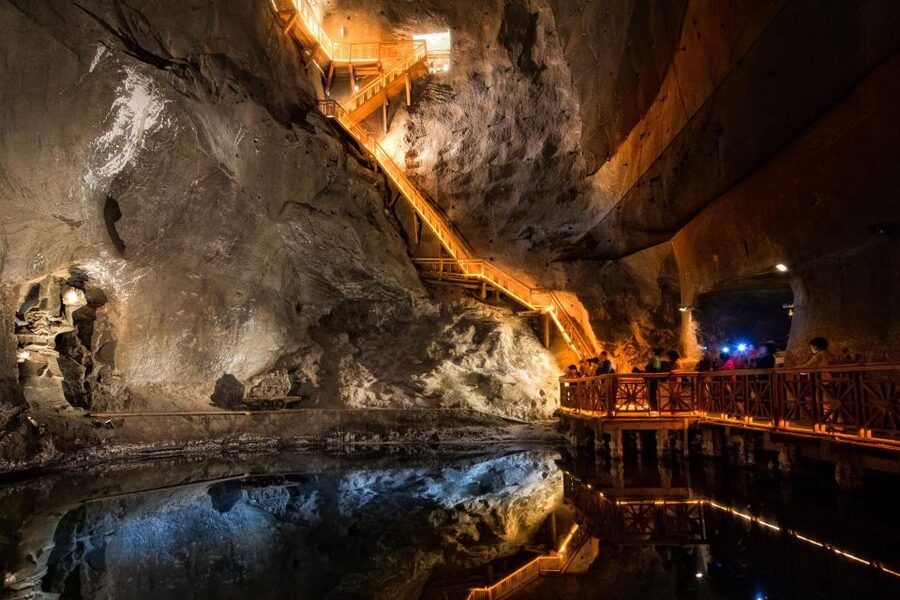
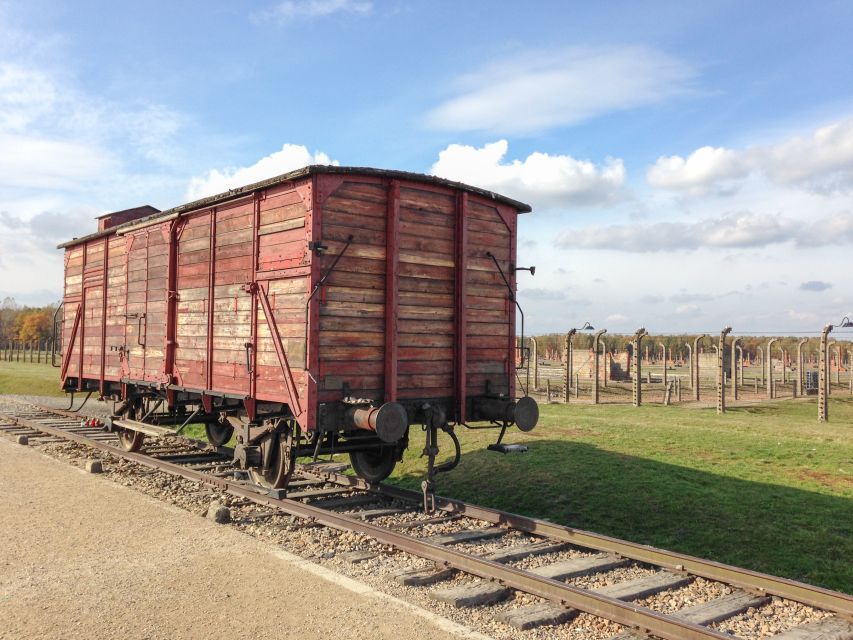
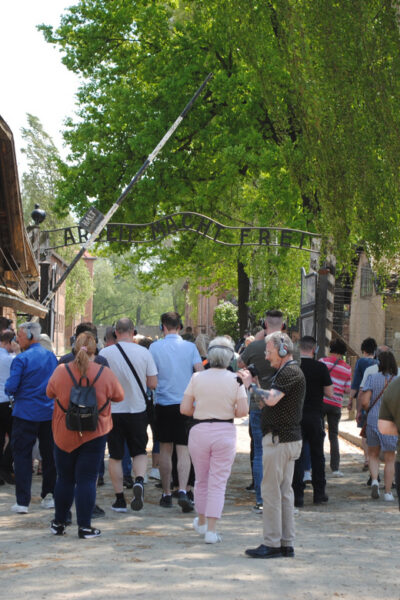
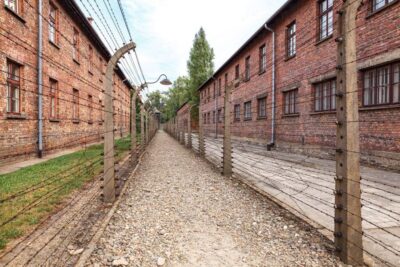
This is not a casual day trip. It is a full 11 hours where the emotional weight is real, especially at Auschwitz-Birkenau. You will walk through camp grounds where every path feels purposeful, because the site was designed that way.
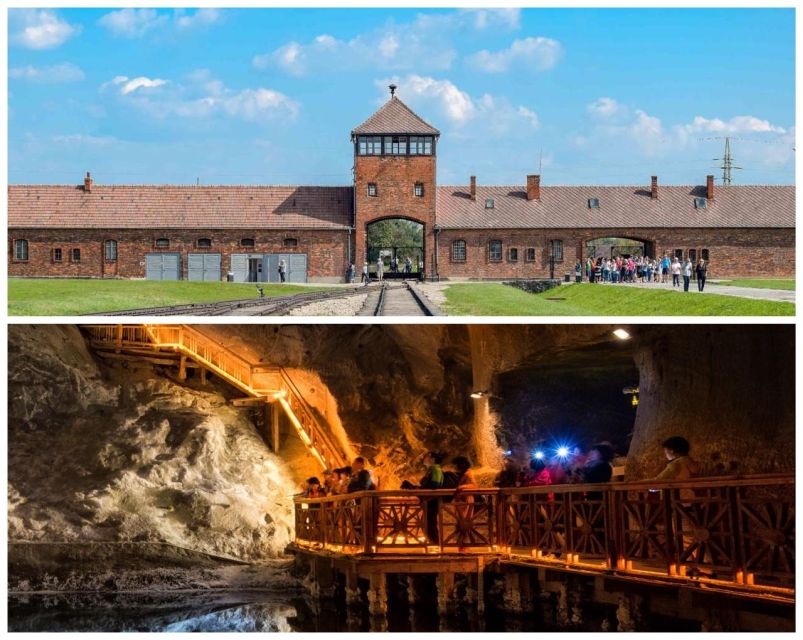
And then you switch gears. The Wieliczka Salt Mine is not cheerful, but it is gripping in a different way. One moment you are reading about Nazi persecution, and the next you are staring at salt-carved rooms and structures that had to be built by hand, deep underground. The contrast can feel jarring. If you pace yourself and take breaks, it becomes part of what makes the day memorable.
More Krakow tours, salt mines, mountain days, and city experiences to compare

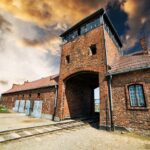
Morning logistics from Krakow: pickup, meeting point, and early departures
The trip starts with an organized bus transfer, using an air-conditioned vehicle. Pickup is optional if you are staying in Krakow city center, but if your place is in the Old Town traffic-restricted zone, your partner will coordinate the nearest workable pickup point.
If you are meeting independently, the stated start is the Kiss and Ride point at 2 Wielopole street. In practical terms, you should treat mornings as a check-in day. Some departures have historically run very early, around 5:25 to 5:55 in past departures, even though the official departure window runs earlier in the morning. Plan for dark skies and a quick exit from your hotel.
This matters because your day at Auschwitz-Birkenau is not just about time. It is about crowd control and pacing. Leaving early helps you arrive before the heaviest swell, and you spend your energy inside the site, not stuck waiting.
Auschwitz-Birkenau: what the self-guided route really gives you
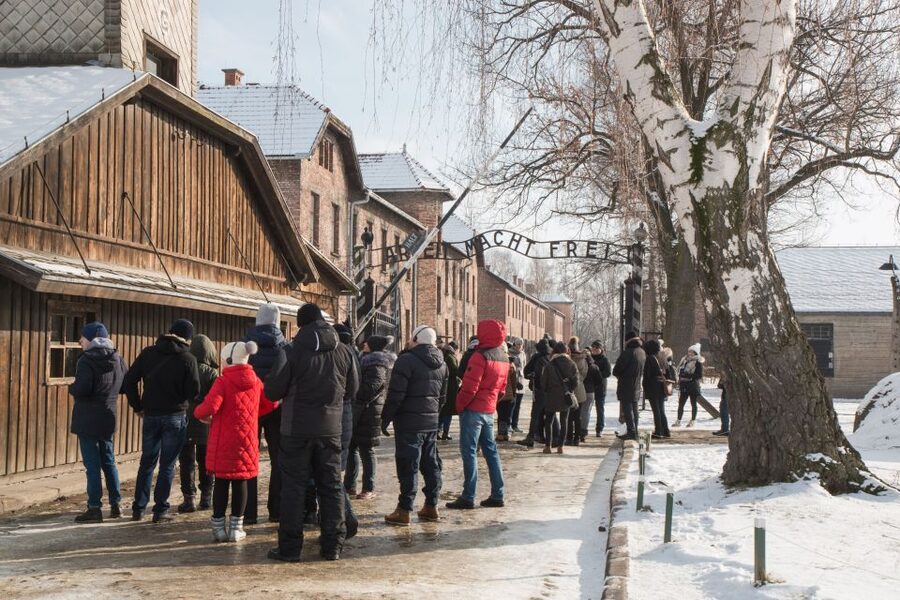
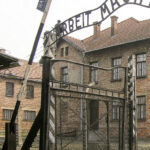
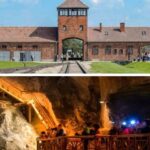
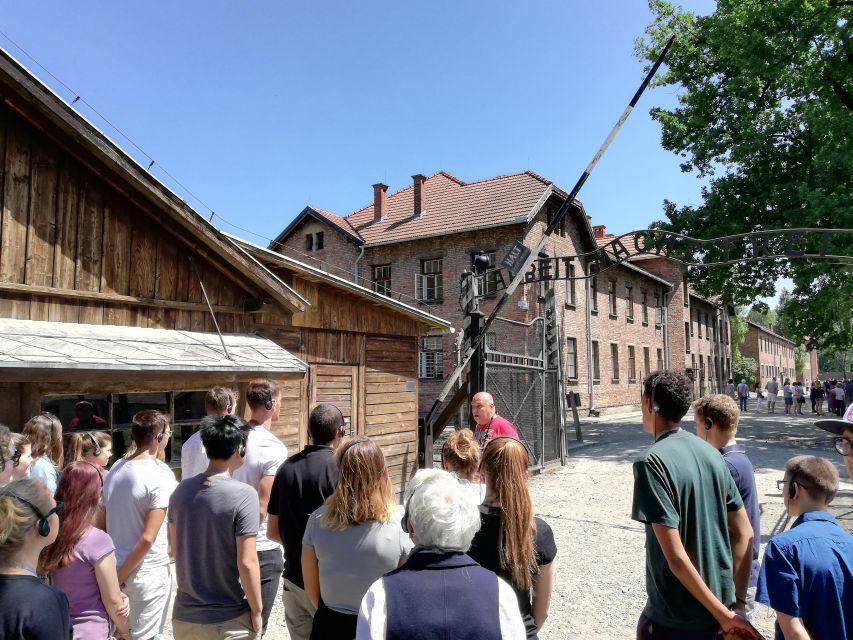
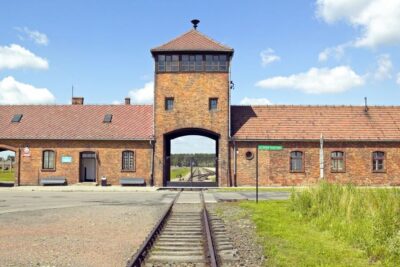
At Auschwitz-Birkenau, you get entry tickets included for Auschwitz I and Auschwitz II (Birkenau). The structure here is important. Instead of a nonstop narration from a bus guide, you follow a museum route using a licensed guidebook-style approach. That lets you slow down when you need to, and it gives you control over what you focus on.
The value of this approach is simple. Auschwitz is information-dense, and a site like this is hard to process all at once. When you can pause to read, look, and absorb, you are more likely to connect details instead of just getting swept along.
You also learn about how the camp system functioned, including operational factors tied to the Nazi concentration and extermination camp machinery. It is not just names and dates. It is about how the system worked day after day.
If you end up with a group rhythm where audio or guided components can be harder to hear from the back, it is still worth it. You can compensate by staying close to where the guidebook route explanations land best, and by taking it in sections rather than trying to absorb everything in one pass.
Auschwitz pacing at scale: Birkenau, stairs, and how to not get left behind
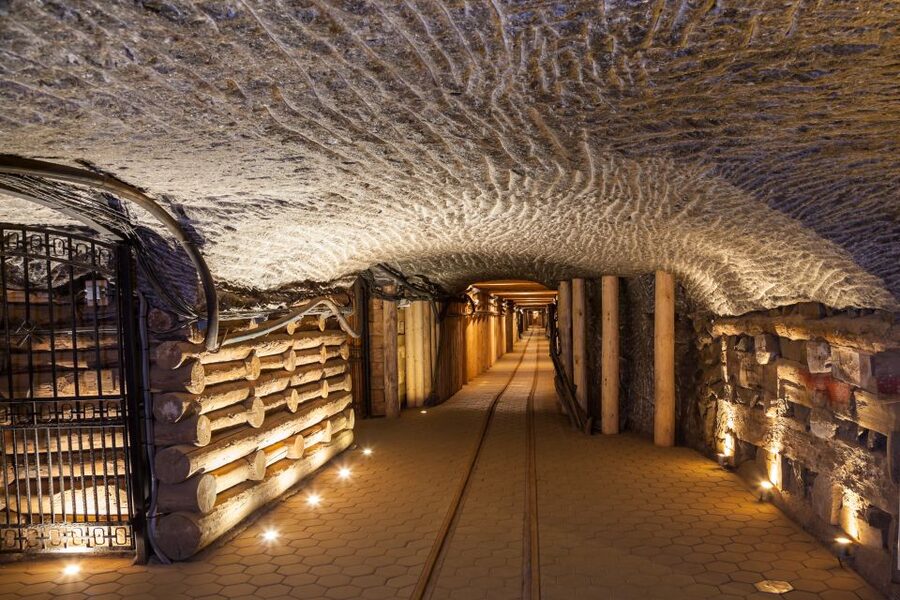
Auschwitz-Birkenau is big, and your group will likely be around 30 people at a time. That size can be helpful for logistics, but it can also mean you lose little pockets of the group if you stop too long at displays.
From what you should expect on the ground, there are limited chances for full rest breaks. One common pattern is a short toilet stop before you settle in, then more time on your feet once the visit begins. At Auschwitz I, you will find toilets and vending options. At Auschwitz II, toilets are typically paid, and there is also a cafe.
Clothing matters too. Sleeveless shirts are not allowed. Keep that in mind if you are traveling in warm weather and you like light layers. You do not want to scramble at the entrance.
Also, wear comfortable shoes that can handle long walking surfaces. Even if you consider yourself fit, this part of the day is draining in a different way, because you are constantly noticing details and making sense of them.
One practical tip that can save you stress later: when the visit ends, you may exit through a different door than you expect. A quick Google Maps check can help you find your way back to the pick-up flow without panic.
Wieliczka Salt Mine: guided underground history you can feel
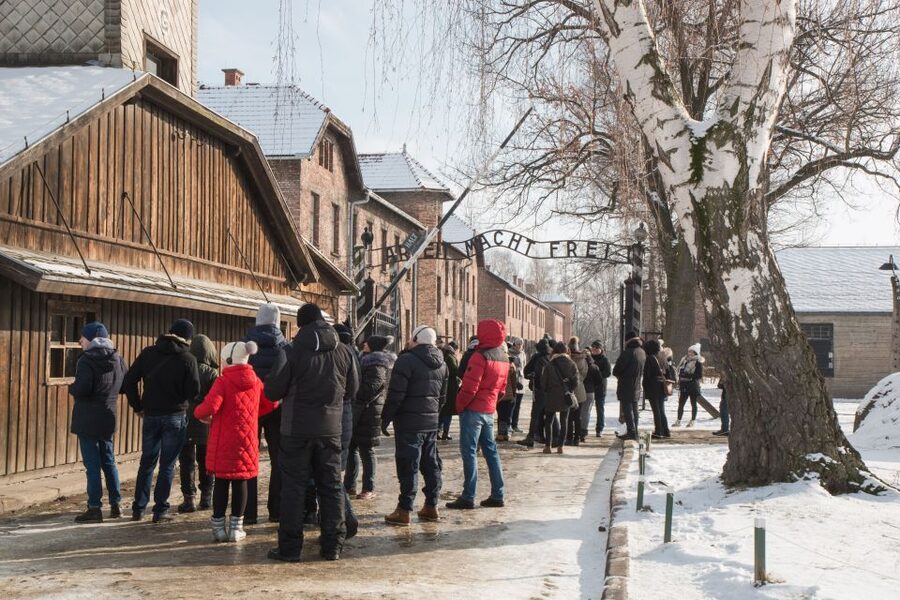
After Auschwitz, your brain needs a reset. The Wieliczka Salt Mine is a strong reset because it is guided and structured. You descend into the subterranean levels and explore the mine’s floors, walls, and corridors with a live guide.
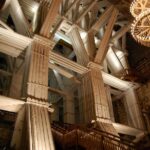
What I like about this stop is that the tour is not only about sightseeing the famous interiors. Your guide explains the history of salt mining and how the mine’s underground spaces developed over time. You walk through areas that show the impact of centuries of extraction, including impressive salt structures carved into what is essentially living geology.
There is also a very real sense of scale. You are far from the surface. That changes how you perceive time and effort. You stop looking at it as a fun “attraction” and start seeing it as a place where labor shaped the underground world.
More Krakow tours, salt mines, mountain days, and city experiences to compare

The mine is a workout: steps, clothing, and comfort
The salt mine experience is not just stairs-free and easy. There are lots of steps and corridors, and you can expect significant walking during the guided portion.
In fact, one common detail people share is that you may descend over 400 steps to reach the mine shaft area. That is a lot even for people who feel comfortable on their feet. Then you turn around and go back up later, which is why this trip is listed as not suitable for wheelchair users and people with mobility impairments.
Temperature can also surprise you. Many visitors find it cool underground, so plan for layers even in warm Krakow. A pullover helps. And bring shoes with good traction. Salt dust and stone surfaces can feel slick if you are careless.
If you are claustrophobic, this may not be the right match. The environment is enclosed and underground for a prolonged period.
Transport and timing: how the day stays smooth
This trip is built on transport coordination, with an air-conditioned bus connecting the two major sites. That is a big reason it is good value. You do not have to figure out trains, transfers, parking, or ticket timing across two far-apart destinations.
Expect short breaks between components. There is time to grab something to eat between Auschwitz and the salt mine, but the day still stays tight. Some people bring snacks or a packed lunch, and others rely on cafe options. Since food and drinks are not allowed in the vehicle, plan accordingly. Pack what you need for breaks, not for the bus ride.
The overall rhythm usually looks like this: bus transfer early, a structured Auschwitz walk, then transit to Wieliczka, followed by the guided underground exploration. Some days include vehicle swapping during the day, which can happen depending on how many groups are being handled, but the flow stays organized.
If you are sensitive to schedule changes, it is worth noting departure time can shift anywhere between 06:00 AM and 10:30 AM, and in exceptional cases it can be earlier or later. You will usually be contacted the day before, so watch your email or WhatsApp.
Price and value: why $30 can feel like a deal
At about $30 per person, the real question is value for your time. You are paying for three things that normally cost money and effort on your own: transport from Krakow, museum entry tickets, and guided components at the mine.
If you add up the costs of individual tickets, plus transport, plus the hassle of timing and queue management, the combined day often feels fair. Several past guests also highlighted that it can be cheaper than booking every piece separately on the fly.
The best part of the value is that your day stays connected. Auschwitz and Wieliczka are not the kind of sites you want to scramble to reach while you are already emotionally stressed. This format reduces that stress because the biggest moving parts are handled for you.
Who this trip is perfect for, and who should skip it
This is a good fit if you want maximum “big sites per day” while staying organized. If you only have a few days in Krakow, it is a practical way to hit two of the region’s most important experiences without turning your trip into a logistics project.
It also suits people who are comfortable with a long day. Past visitors report doing large step counts and spending time on many stairs. If you like having a plan, and you can keep moving steadily, you will likely handle it fine.
But you should think carefully if you have mobility limits, wheelchair needs, or claustrophobia. This itinerary is physically demanding and underground for extended periods. If any of those apply, it may be smarter to choose a different format or split your sightseeing into more accessible options.
A smart alternative if you want a gentler pace
Even though this is sold as one day, it is also a lot to process. Auschwitz alone can be emotionally heavy, and Wieliczka alone can be physically heavy. Doing both together means less downtime to sit with what you are learning.
If you can extend your time in Krakow, you might find splitting the experiences improves your experience quality. You get more time to read, pause, and step back emotionally. You also reduce the pressure of catching buses and moving on quickly.
If you truly only have a short window, then this combined day is still a strong option. Just treat it as a “full-immersion day,” not a casual sightseeing day.
Should you book this Auschwitz and Wieliczka full-day trip?
Yes, if you want a structured, time-efficient day that covers Auschwitz-Birkenau and the Wieliczka Salt Mine with tickets included and expert guidance at the mine.
Book it if:
- You are okay with an early start and a long schedule
- You can handle lots of walking and steps
- You want someone else to manage the heavy logistics between two major sites
Skip it or reconsider if:
- You have mobility challenges, claustrophobia, or wheelchair needs
- You need frequent, unhurried breaks
- You prefer a slower pace that lets you absorb Auschwitz without any time pressure from a same-day second stop
FAQ
How long is the Auschwitz and Wieliczka Salt Mine day trip from Krakow?
The duration is listed as 11 hours.
Where do I meet for the tour?
The meeting point is the Kiss and Ride point at 2 Wielopole street. Pickup is optional if you select it and your accommodation is in Krakow city center.
Does the price include Auschwitz and salt mine entry tickets?
Yes. The price includes entrance tickets to Auschwitz I and Auschwitz II (Birkenau), and entrance to the Wieliczka Salt Mine.
Is there a guide at the salt mine?
Yes, the Wieliczka Salt Mine visit includes a guided tour with an English live guide.
Is Auschwitz fully guided?
The Auschwitz-Birkenau visit is described as a self-guided tour using a licensed guidebook format, with the overall tour support provided as part of the trip.
What should I bring?
Bring your passport or ID card, wear comfortable shoes, and dress for the weather. Sleeveless shirts are not allowed.
Is food allowed during the trip?
Food and drinks are not allowed in the vehicle. You should plan for food during scheduled breaks.
Is this trip suitable for everyone?
No. It is not suitable for people with mobility impairments, wheelchair users, or people with claustrophobia.
More 1-Day Tours in Krakow
More Full-Day in Krakow

More Tour Reviews in Krakow

Not for you? Here's more nearby things to do in Krakow we have reviewed








More Auschwitz-Birkenau Memorial Tours to consider.
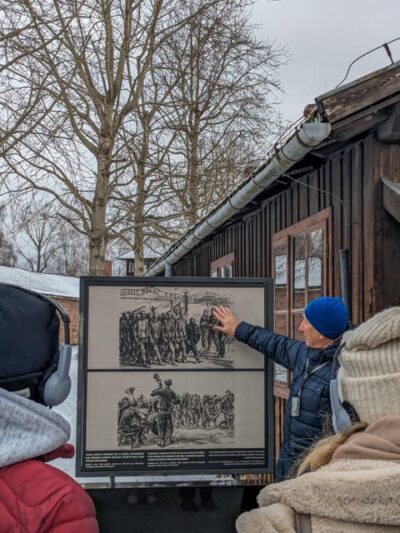 ★ 4.5From Krakow: Auschwitz-Birkenau Guided Tour & Hotel PickupFrom $2133,358 reviews
★ 4.5From Krakow: Auschwitz-Birkenau Guided Tour & Hotel PickupFrom $2129,340 reviews
★ 4.5From Krakow: Auschwitz-Birkenau Guided Tour & Hotel PickupFrom $2133,358 reviews
★ 4.5From Krakow: Auschwitz-Birkenau Guided Tour & Hotel PickupFrom $2129,340 reviews
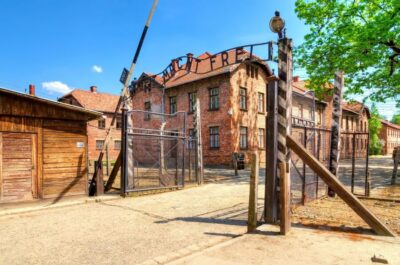 ★ 4.5Auschwitz Guided Tour with Optional Hotel PickupFrom $6915,280 reviews
 ★ 4.5Auschwitz-Birkenau Guided Tour with Pickup & LunchFrom $219,800 reviews
 ★ 4.5Auschwitz-Birkenau Guided Tour Pickup/Lunch OptionsFrom $2009,057 reviews
 ★ 4.7Auschwitz-Birkenau and Salt Mine Guided TourFrom $549,020 reviews
 ★ 5.0Krakow to Auschwitz Birkenau Guided Tour with Transfer and TicketFrom $368,197 reviews
 ★ 4.0From Krakow: Auschwitz Birkenau Tour with TransferFrom $216,134 reviews
Other ways to explore Krakow