
Review · AUSCHWITZ-BIRKENAU MEMORIAL TOURS
Krakow: Auschwitz-Birkenau and Wieliczka Salt Mine Day Trip
Auschwitz and a salt mine in one day is a tough mix. That is also why this trip works so well, you get world-shifting context at Auschwitz-Birkenau, then a surprising underground world at Wieliczka. Two licensed guides and an air-conditioned bus help you keep your bearings during a long day.
I like the clear, well-planned flow between sites, including time to eat between the mine and Auschwitz. I also like how the guides focus on what matters on the ground, from Auschwitz’s surviving prison spaces to Wieliczka’s carved rock-salt chapels and statues.
One drawback to think about upfront: this is a walking-heavy day, and the mine involves a lot of steps down and back up.
Key things to know before you go
- Licensed, English-speaking guides at both Auschwitz-Birkenau and Wieliczka make the sites easier to understand
- Air-conditioned transport plus pickup in central Krakow keeps the day moving
- Auschwitz security rules require your exact full name and contact details, matching your ID
- Wieliczka is step-heavy (about 800 steps, with many at the start) and some parts have low ceilings
- The salt mine elevator is not a shortcut to the tour route, so plan for walking and stairs
Auschwitz-Birkenau and Wieliczka in one 11-hour day
This is not a casual sightseeing day. It is two very different kinds of reality, arranged back-to-back so you can go from the worst of World War II to a place built in rock salt, with a microclimate that people describe as having healing properties.
The best part is the pacing. You get transport that takes the stress out of logistics, and you get licensed live guides who help you read what you are seeing instead of just looking at it. It is intense, but it is also organized.
And yes, Wieliczka right after Auschwitz can feel emotionally odd. That is normal. The salt mine tour is not meant to replace what you just learned, but it does give you a physical and mental reset.
More Krakow tours, salt mines, mountain days, and city experiences to compare

The Krakow-to-siteseeing drive: comfortable bus, real timing
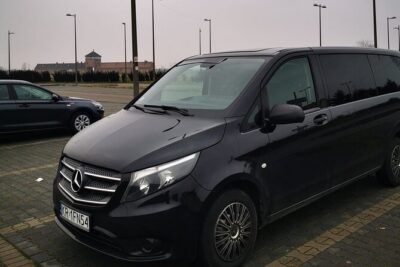
The day starts with pickup from the Radisson Blu Hotel or Hotel Maltański. From there, you ride in an air-conditioned vehicle. For an 11-hour itinerary, that comfort matters more than you think, especially if you want to arrive focused rather than already tired.
Timing is built around entry and guiding at both locations. Auschwitz-Birkenau is famous for crowds, and this tour includes skip the ticket line style help. That does not remove the need for security checks, but it usually reduces the dead time that can otherwise eat up your day.
You should also know what a long day feels like in practice. Expect a lot of standing, walking between buildings and platforms, and time outdoors when the weather does not cooperate. A comfortable day needs good shoes and a plan to drink water.
Auschwitz-Birkenau: what to look for in the blocks and gas chambers
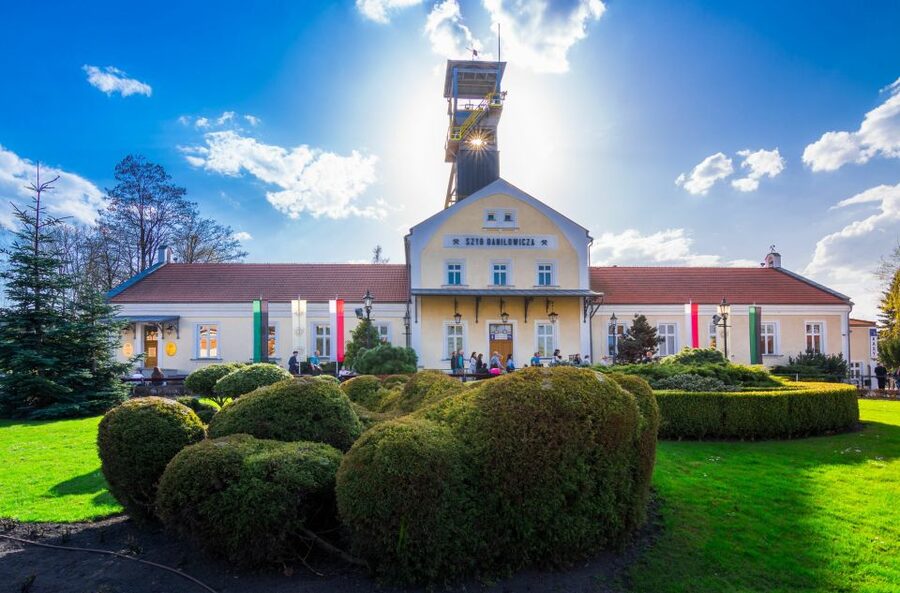
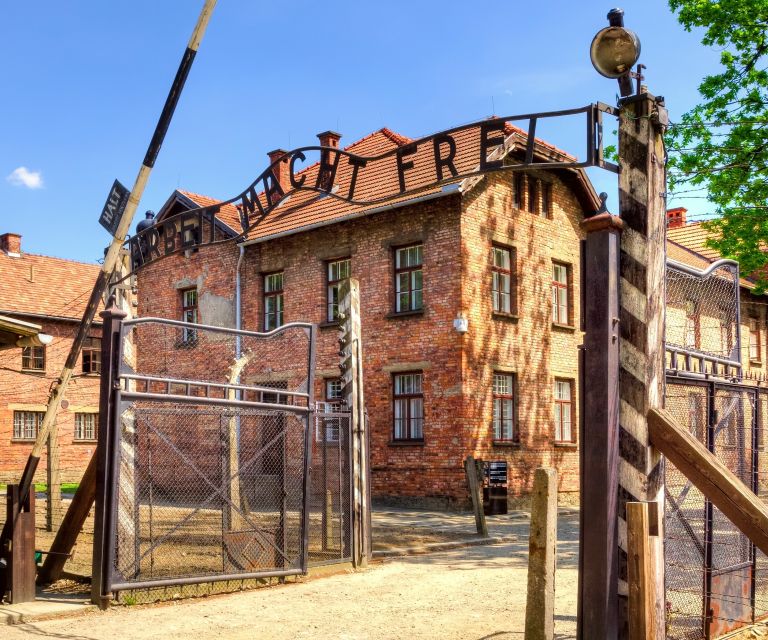
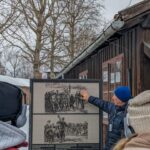
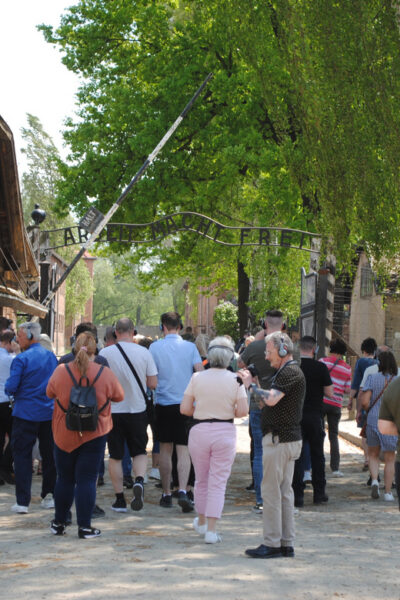
At Auschwitz-Birkenau, you join a guided tour led by a licensed English-speaking guide. This is the heart of the trip, and the goal is not just to see famous sites. It is to understand how the camp system worked and what those surviving structures mean.
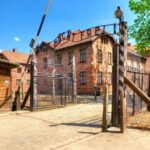
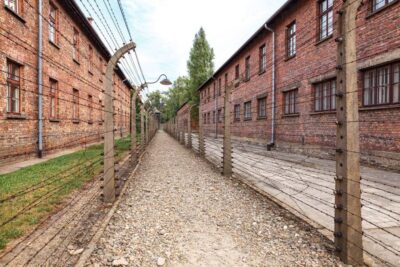
On this tour, you will see original buildings and the remains of major features, including the infamous gas chambers and prison blocks. That is heavy material, but the presence of those structures lets your guide connect dates, policies, and prisoner experiences to specific spaces.
Here is a practical tip: don’t try to memorize everything. Instead, pick a few “anchors” during the tour, like one or two buildings, and let your guide explain the story behind them. That makes the experience more coherent and less overwhelming.
One small detail can stick in your mind for years. Some groups have specifically asked guides about markings on the ground, including sandstone with an H inscription. It is the kind of question that helps you slow down and notice what is easy to miss when you are overwhelmed.
Birkenau railway ramp remnants, and why arrival details matter
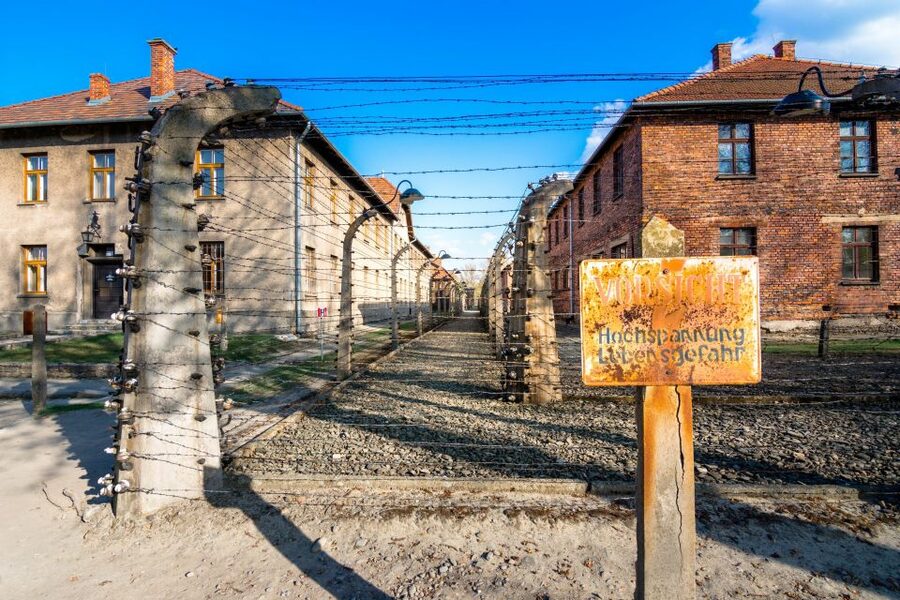
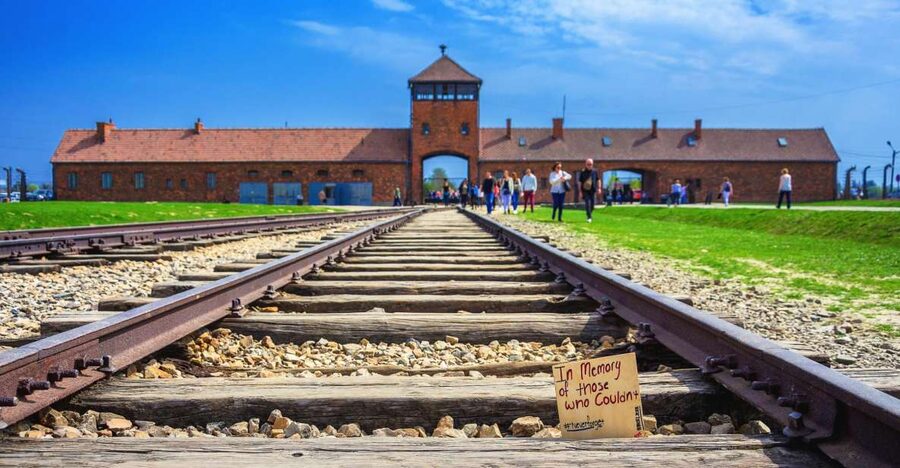
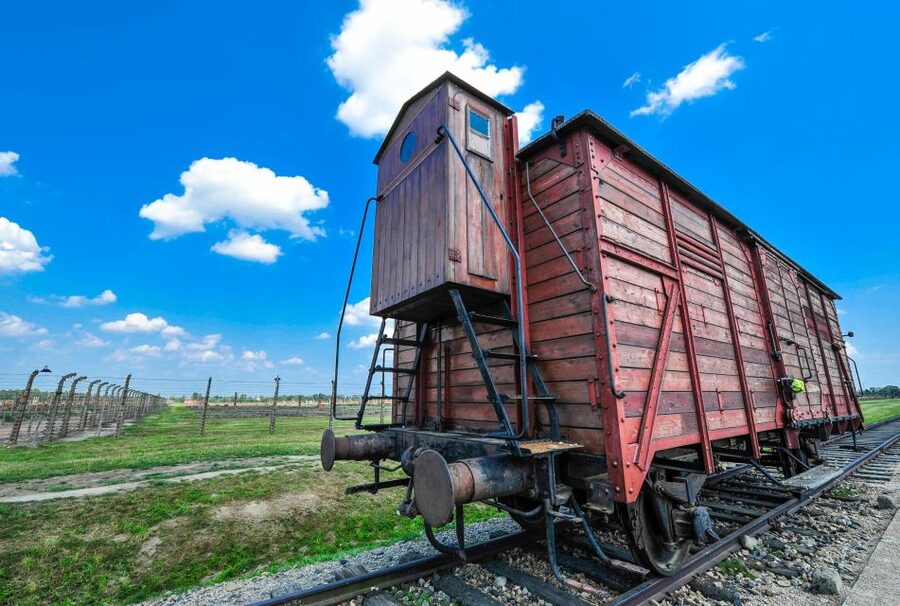
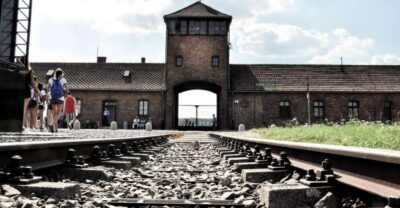
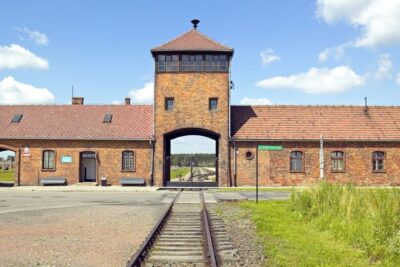
Birkenau is different from Auschwitz in feel, more open and sprawling, and it is where arrival and process were brutally clear. You will see remains of the railway ramp area where prisoners would arrive.
That ramp matters because it represents the system, not just a single building. Your guide should help you connect the geography to how people were processed and separated. If you only focus on the most photographed corners, you can miss the logic of the place.
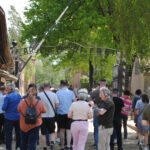
This is also a location where you might feel pulled in different directions. There is a lot to look at, and crowds can create pressure to keep moving. The guided format helps you pace yourself, but you still want to be mentally ready for an emotionally intense environment.
Lunch timing: the buffer between Auschwitz and the mine
This tour builds in a lunch break of about 40 to 60 minutes between Wieliczka and Auschwitz. Food is not included, so you will need to plan. This buffer is helpful because it gives you a chance to refuel without losing the momentum of the guided visits.
If you are the type who gets cranky when you are hungry, bring snacks. Even if there are food options available on-site, crowds can make lines annoying. Past experience with this kind of schedule shows that having your own food can save time and reduce stress when transfers are tight.
Also, if you are sensitive to timing, know that the morning at Auschwitz can take a lot out of you. Having a real meal break helps you handle the second half of the day with steadier energy.

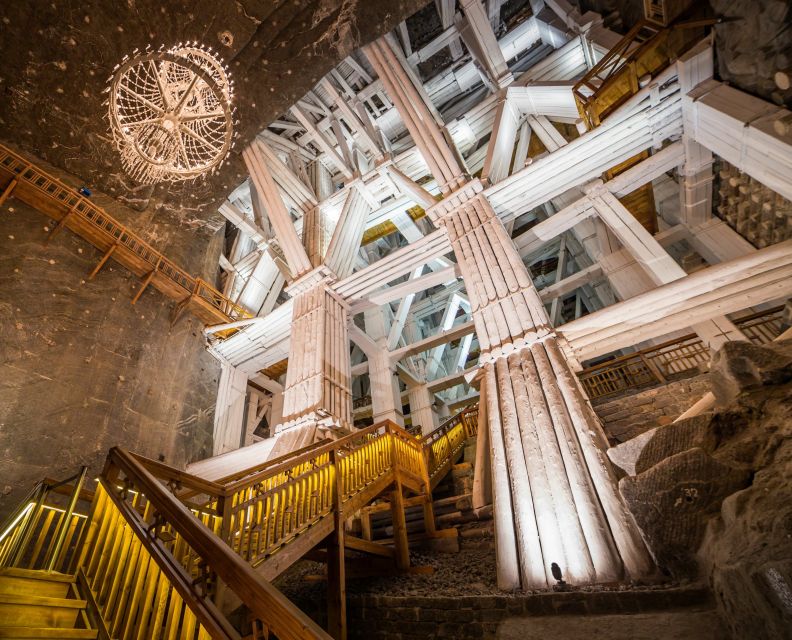
Wieliczka Salt Mine: statues, chapels, and an underground city
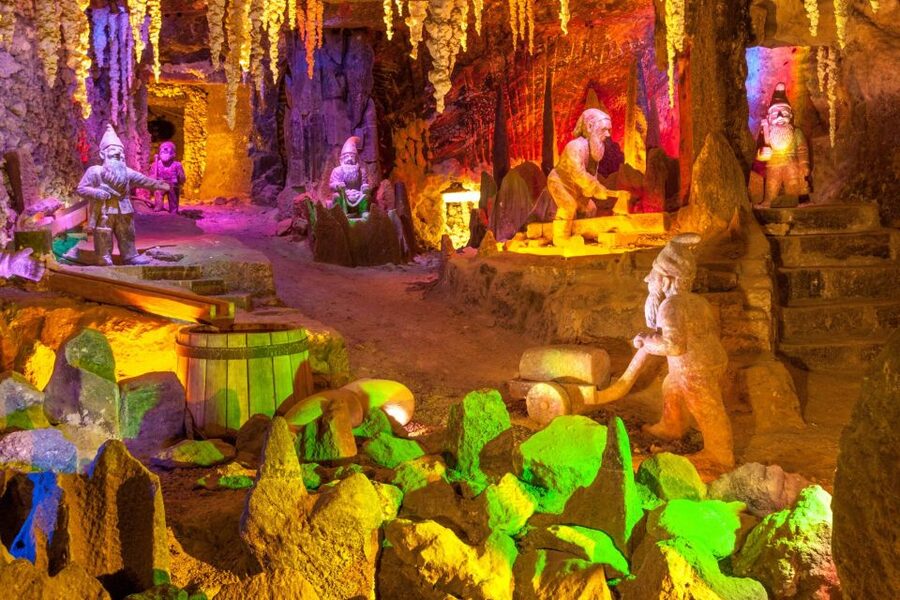
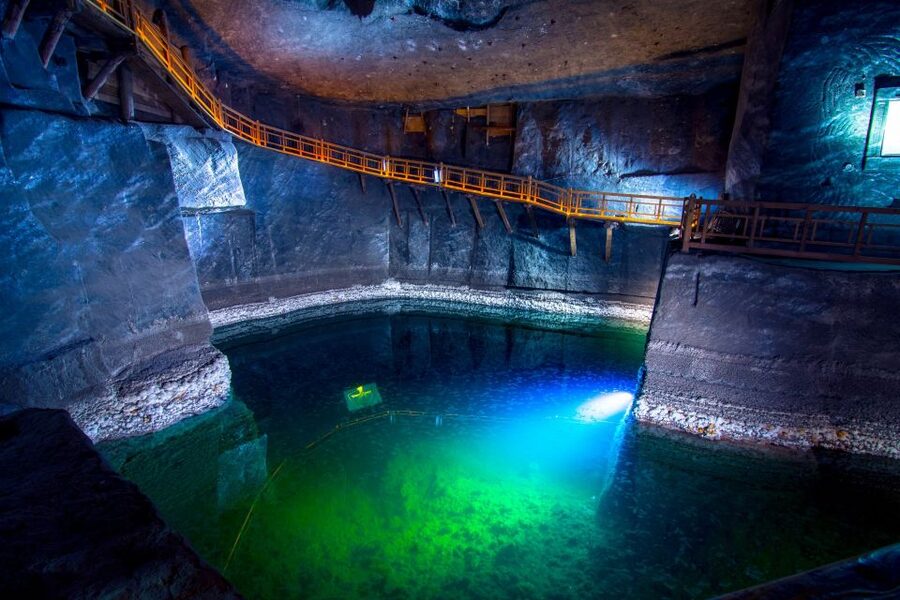
After Auschwitz, Wieliczka can feel like stepping into a different planet. The salt mine is famous for its underground spaces where artists and miners shaped salt into an entire world.
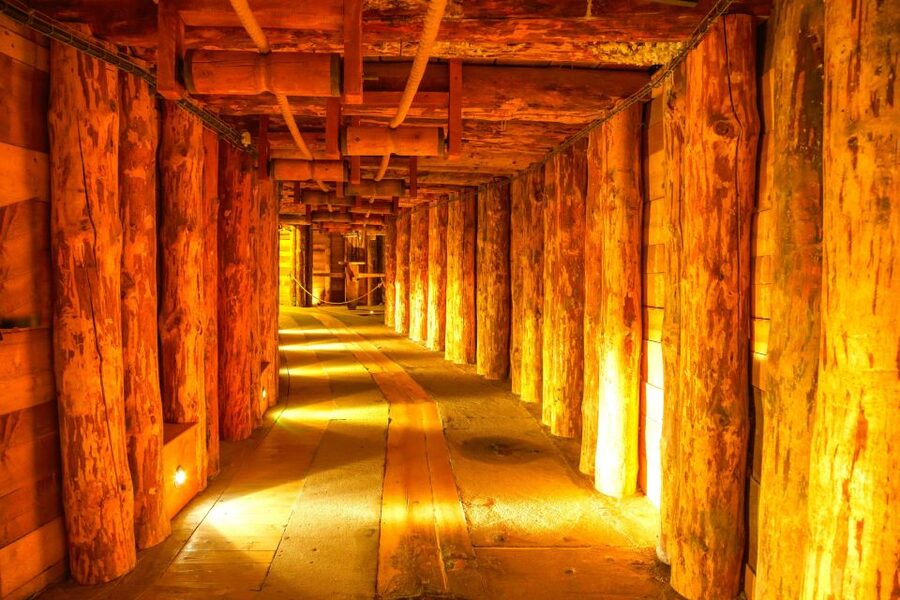
You will tour with a local guide who explains the history of mining and salt extraction reaching back to the Middle Ages. That framing is useful because it stops the mine from being just a pretty detour. It becomes a place with a long human story, turned into an underground city of sorts.
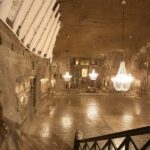
The big visual payoffs are the statues and chapels carved out of rock salt. These are not small decorations. They are major features that give you scale for what people created underground.
The tour also highlights the mine’s climate, including a mention of micro-element-filled air and healing properties. Whether you believe it or treat it as part of the site’s tradition, it does change how you experience the space. It feels different from typical underground tours.
The step reality: 800 steps, low ceilings, and the elevator limit
Here is the part you should plan for, because it directly affects comfort.
At Wieliczka, there are about 800 steps involved, with around 350 steps at the beginning as you descend. Reviews also note that the number can be more than what is stated, and there can be additional walking after the tour before you reach the elevator back up. In busy times, the wait for lifts can also add time.
You should also watch for low ceilings in some sections if you are tall, because you may need to mind your head.
This matters for two reasons:
- Comfort affects your enjoyment, and you will not be able to rush your way through.
- The day already includes heavy walking outdoors at Auschwitz.
Bring comfortable shoes. If you have any doubt about stairs, you will want to rethink this tour rather than “maybe it will be okay.”
Skipping the ticket line, but not skipping security
This tour includes help that can reduce waiting, including skip-the-line style entry. Still, you should treat security requirements as real and unavoidable.
For Auschwitz-Birkenau, there is an extra rule that can catch people off guard: you must provide your full name and contact details as part of booking. Entrance may be refused if the name on your booking does not match your ID exactly. Also, tickets for the museum are non-refundable, so double-check spelling.
You will also need a passport or ID card. Bring it. It is not the day for “I can show a photo on my phone.”
Bag rules are strict. You cannot bring pets. Luggage or large bags are not permitted, and at Auschwitz you are limited to a bag size around 30 x 20 x 10 cm. If you travel with a bigger daypack, you may have to leave it behind, which is annoying and stressful.
Price and value: why $131 can be fair for two guided sites
At $131 per person for an 11-hour day, the value depends on what you would do on your own. If you attempted this as two separate self-guided visits, you would spend time coordinating transport, buying timed entries, and figuring out the flow once you are there. This tour swaps that uncertainty for guided explanations at both sites.
You also get a meaningful package:
- pickup and drop-off
- air-conditioned transportation
- an English-speaking driver
- licensed live guide at Auschwitz-Birkenau
- licensed live guide at Wieliczka
- entrance tickets for both
- a lunch break window between the two locations
Since food and drinks are not included, you should budget for that on top of the ticket price. Still, when you price out both guided entries plus the transport and time management, this can make sense, especially if you have limited time in Krakow and want to see the major sites in one hit.
The long day is the trade-off. If you prefer slower pacing, you might prefer separate days. But if your schedule is tight, this is one of the more efficient ways to do both.
Who this Krakow day trip suits best
This works best if you want:
- a structured day with licensed guides at each main site
- English explanation that helps you understand what you are seeing
- a comfortable bus to handle a long travel day
It may not be the best choice if:
- you have walking difficulties or mobility limits
- you have claustrophobia, because the mine environment and underground spaces can be challenging
- you are traveling with children aged 13 and under, since the tour is not recommended for younger kids
- you have a very large bag habit, because both sites have strict limits
Also, it is emotionally intense. You should be ready for the Auschwitz portion to change your mood, even if your next stop is visually stunning underground.
What to pack (and what to leave at home)
Keep it simple.
Bring:
- your passport or ID
- comfortable shoes for long walking and steps
Leave at home:
- pets
- baby carriages
- larger luggage and anything above the allowed size, especially if you plan to enter Auschwitz
A small, practical trick: pack a layer. Auschwitz and Birkenau are outdoors in many moments. The mine is cooler underground, and you might want something that feels comfortable rather than bulky.
Should you book this Auschwitz-Birkenau and Wieliczka day trip?
Yes, if you have one day to spare in Krakow and you want the best-known, high-impact combination without wrestling logistics. The biggest reason to book is the pairing of licensed English guiding at both Auschwitz-Birkenau and Wieliczka, plus transport that keeps the day moving. If you are the type who likes clarity, this is a strong format.
Think twice if stairs and long walking will be a problem for you. The salt mine can be demanding with its step count, low ceilings, and a return elevator that still requires walking and sometimes waiting.
If you go in prepared, expect a day that is both grim and awe-inducing in different ways, and a lot more meaningful than just checking off two famous names.
FAQ
How long is the day trip?
It lasts about 11 hours.
Where are the pickup points in Krakow?
Pickup is included from the Radisson Blu Hotel or Hotel Maltański.
What is included in the price?
You get pickup and drop-off, air-conditioned transportation, an English-speaking driver, entrance tickets and licensed live guides for both Auschwitz-Birkenau and Wieliczka Salt Mine, plus a 40 to 60 minute lunch break between Wieliczka and Auschwitz. Food and drinks are not included.
Do I need to bring food?
Food and drinks are not included. There is a lunch break, but it is smart to plan for your own snacks or lunch needs.
Are there rules about bags at Auschwitz and the mine?
Yes. Luggage or large bags are not allowed. At Auschwitz-Birkenau, the allowed bag size is around 30 x 20 x 10 cm. Baby carriages and pets are not permitted either.
What identification do I need to enter Auschwitz-Birkenau?
Bring your passport or ID card. You also must provide your full name and contact details as part of the booking.
What happens if my name on the booking does not match my ID?
Entrance may be refused if the name provided on the booking is not identical to the name on your ID when you enter.
How many stairs are there at Wieliczka Salt Mine?
There are about 800 steps to climb, with around 350 steps at the beginning of the descent. Some areas can also have low ceilings.
Is this trip suitable for claustrophobia or mobility issues?
It is not recommended for people with claustrophobia or mobility impairments.
More 1-Day Tours in Krakow
More Tour Reviews in Krakow
Not for you? Here's more nearby things to do in Krakow we have reviewed








More Auschwitz-Birkenau Memorial Tours to consider.
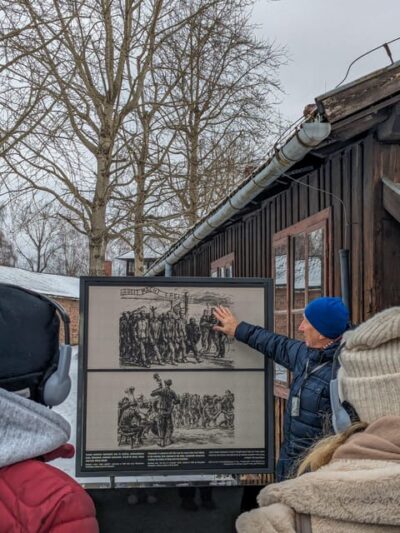 ★ 4.5From Krakow: Auschwitz-Birkenau Guided Tour & Hotel PickupFrom $2133,358 reviews
★ 4.5From Krakow: Auschwitz-Birkenau Guided Tour & Hotel PickupFrom $2129,340 reviews
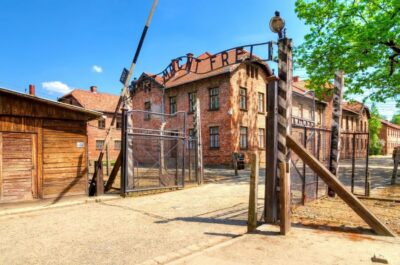 ★ 4.5Auschwitz Guided Tour with Optional Hotel PickupFrom $6915,280 reviews
 ★ 4.5Auschwitz-Birkenau Guided Tour with Pickup & LunchFrom $219,800 reviews
 ★ 4.5Auschwitz-Birkenau Guided Tour Pickup/Lunch OptionsFrom $2009,057 reviews
 ★ 4.7Auschwitz-Birkenau and Salt Mine Guided TourFrom $549,020 reviews
 ★ 5.0Krakow to Auschwitz Birkenau Guided Tour with Transfer and TicketFrom $368,197 reviews
 ★ 4.0From Krakow: Auschwitz Birkenau Tour with TransferFrom $216,134 reviews
Other ways to explore Krakow