
Review · KRAKOW OLD TOWN WALKING TOURS
Kraków in a nutshell – walking tour
Krakow starts making sense in just 100 minutes. This walk is a fast on-ramp to Poland’s story and Krakow’s most important corners, led by ZeeTour with a real local point of view. I especially liked the way the guide connects the sights to the history of Poland, Krakow, and the Polish people, and how you leave with practical recommendations for what to do next. One thing to consider: entrance fees are not included, so a couple of stops may cost extra if you want to go inside.
You’ll be moving through the Old Town area in a steady, sensible route, with a proper city overview first and then details, legends, and attractions as you go. It runs rain or shine, so pack comfortable shoes and water, and plan to keep the pace even if you want to linger for photos. If you want a quick way to get your bearings fast, this is a solid pick, and it’s wheelchair accessible.
Key things you will like about this Krakow walking tour
- Native-led orientation: a local guide helps you interpret what you are seeing instead of just naming it
- History you can use: Poland and Krakow context woven into the main landmarks in about 90 to 100 minutes
- Old Town highlights, logically paced: the route takes you from Market Square toward Wawel Hill
- Recommendations included: you get ideas for what to eat, see, and experience after the tour
- English that is easy to follow: clear, simple communication from a friendly guide
First stop: how ZeeTour sets you up for an easy Old Town day
This tour works best if you have just arrived and you are still figuring out where everything sits. The format is simple: the guide starts with a big-picture overview of the city, then you shift into history and meaning as you walk. That is a big deal in Krakow. When the story clicks, the sights stop feeling like random postcard stops and start feeling like a map you can read.
I like that the tour stays flexible in conversation. If you care more about economics, politics, education, or art, the guide can steer the discussion that way as you move from one landmark to the next. You end up with a clearer idea of what shaped the city, not just what it looks like.
It is also a good reality check tour. You get a sense of how much you want to revisit later, and what you might want to skip if your time is tight. For a short trip, that matters.
Practical note: plan for a walking tour that takes you through multiple major sites. The route includes several big names, so comfortable shoes are not optional.
You can also read our reviews of more walking tours in Krakow
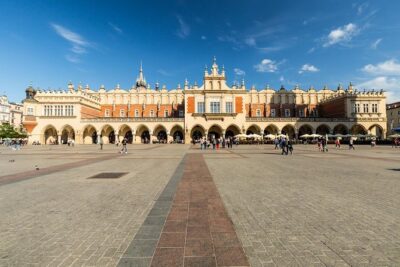
Main Market Square and the Cloth Hall: the “you are here” moment
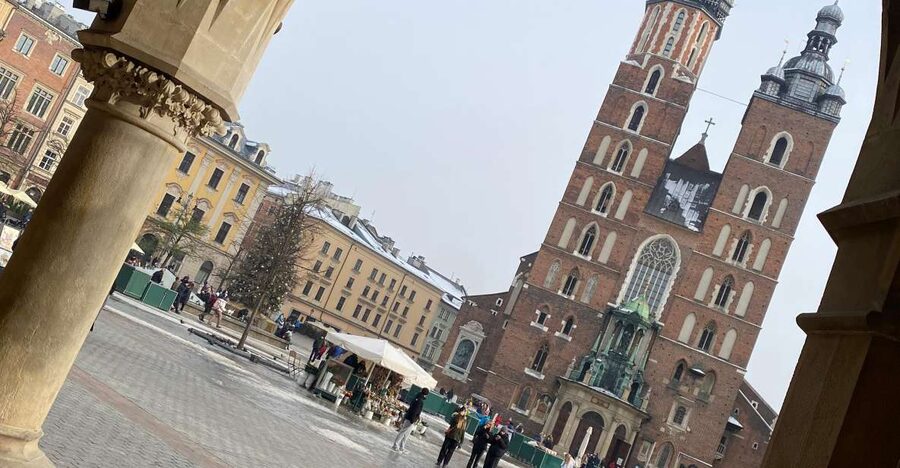
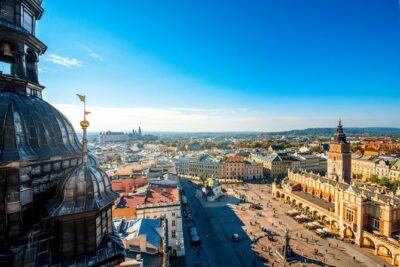
The Main Market Square is where most Krakow days start, and this tour uses it for a reason. You begin with a guided walk through the area so you can understand the layout and what the square means in the city’s identity. It is one of those places where your first reaction is usually size and atmosphere, and your second reaction is, how did this place become so important?
From there, you move to Kraków Cloth Hall. This stop is a chance to connect the square’s big picture to a specific piece of Krakow’s fabric. Even if you are not going inside anywhere, the guide’s framing helps you see why this building belongs in a “start here” route.
What I like is that the guide is not treating the landmarks like isolated facts. You hear how Krakow and the Polish people fit into the story of Poland, then you look again at the same buildings with that context in mind. That is how you get a real payoff out of a short tour.
St. Mary’s Basilica and the Czartoryski Museum: choosing what to see later
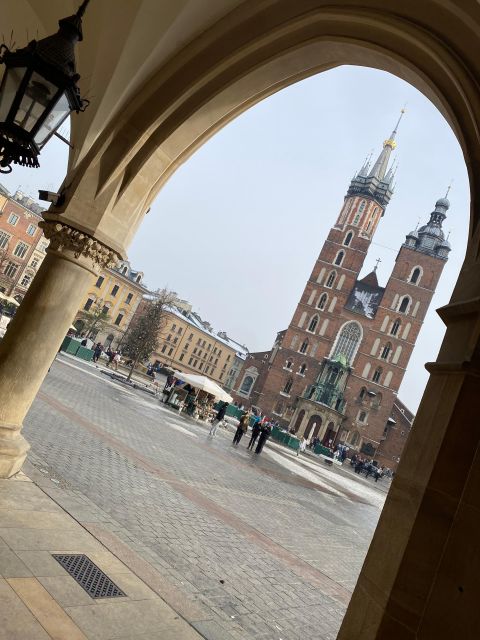
Next comes St. Mary’s Basilica. Even if you do not plan to pay for an interior visit on this walk, it is worth treating this stop as a visual anchor. You will understand what the guide wants you to notice and how it relates to the broader narrative of Krakow.
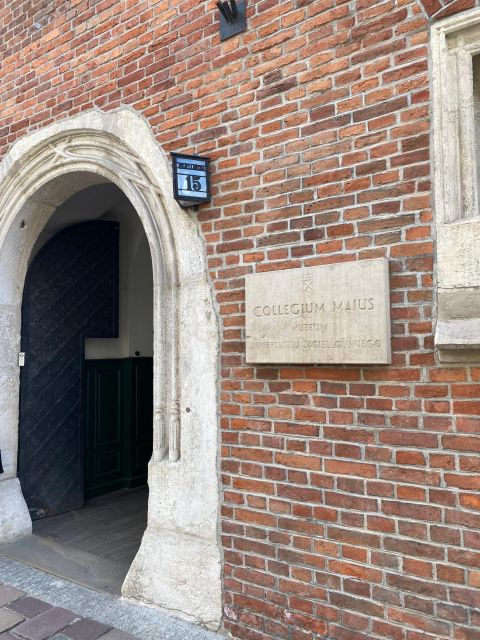
Then you head to the Czartoryski Museum. This is where the tour becomes useful for planning your remaining time. You get an on-the-ground orientation that helps you decide whether you want to spend your limited time and entrance money there later. Because entrance fees are not included, you are not trapped into paying extra on the spot, but you are nudged to think about what you might want to add.
If you love museums, this stop primes you. If you are museum-shy, it still gives you direction. Either way, you leave knowing what kind of experience the museum area could provide, and that makes it easier to prioritize.
Kraków Barbican and Florian Gate: fortifications with a story
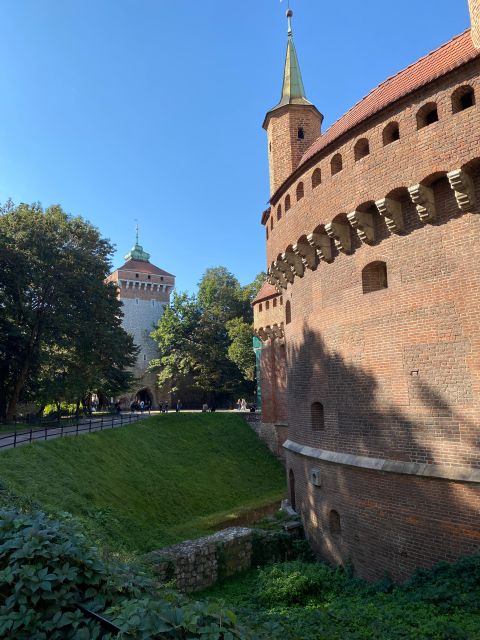
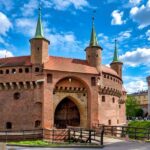
After the cultural anchors, the route shifts toward Krakow’s defenses. The Kraków Barbican is a great example of how this tour uses variety. It is a visual change from the open square feeling, and it helps you understand Krakow as a city that protected itself, not only performed for visitors.
Then you reach Florian Gate. This is one of the most recognizable transition points between Old Town and the wider story of how the city functioned. The tour’s focus is not just on what the gate looks like, but also on why it sits where it does and how it fits into the city’s development.
I like that this portion of the tour helps you think about movement. Where do people pass? Where do they enter? What does it mean when a city has choke points and planned routes? Even in a 100-minute experience, you start noticing urban logic.
Jagiellonian University and Wawel Hill: education and power, side by side
You will then walk to Jagiellonian University. This stop matters because it adds a different kind of “why.” Krakow is not only about buildings and gates. It is also about learning, institutions, and the ideas that shaped the region. A history-focused guide can help you see how a university ties into the wider story of Poland and civic life.
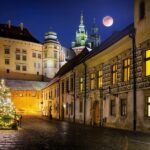
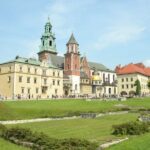
After that, the tour climbs or works its way toward Wawel Hill. Wawel is one of those places you feel even before you fully grasp it. The guide turns it into something more than a distant sight by connecting it to the sweep of Krakow’s identity and Poland’s larger history. The stop is ideal for first-time visitors because it gives your eyes a target and your brain the context behind it.
I found this to be the “big picture payoff” part of the walk. You are no longer just collecting names. You are seeing Krakow as a system of places that represent education, leadership, culture, and memory. In a short time, that is exactly what most people need.

Church of St. Peter and St. Paul: a fitting finish
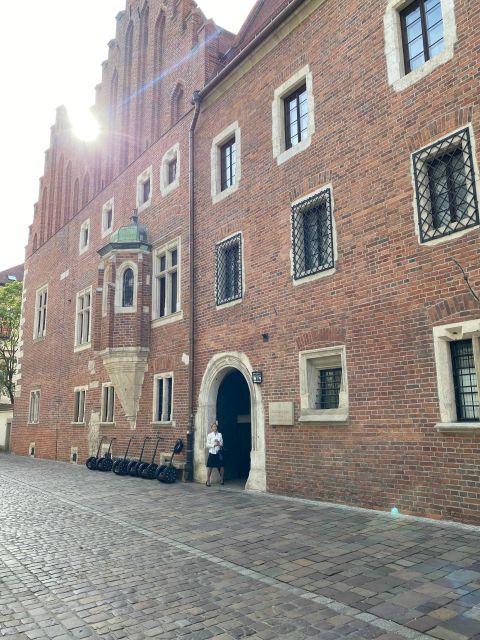
The last cultural stop on the route is the Church of St. Peter and St. Paul. This is where the tour closes the loop. You end with a landmark that feels both significant and memorable, which helps the whole experience land in your mind.
If you are thinking like a planner, this final stop also has a practical benefit. When you return to the tour meeting point afterward, you are already oriented toward the areas you might want to explore on your own. You have just walked a core chain of Old Town highlights, so now it is easier to branch out based on your interests.
And because you get recommendations from the guide, you can use your remaining hours efficiently. One review highlighted how helpful the guide was for other places to see, eat, and experience, and that matches what makes this kind of tour worth your money. You leave with a route for the rest of the day, not just a route for the next 90 minutes.
Timing, pace, and what to do with your remaining day
The tour runs about 100 minutes, so it is short enough to fit into almost any arrival schedule. If you have limited time or you are jet lagged, the duration is a good compromise. You get major highlights, plus the story thread tying them together.
The pace is walking-focused. You will be better off if you treat it like a guided orientation, not a stop-and-stare museum marathon. Bring water, wear comfortable shoes, and keep expectations realistic. There will be plenty to look at, but it is designed to move.
Also remember the rules. Alcohol and drugs are not allowed, and party groups are not the vibe. That keeps the atmosphere more comfortable if you want a calm, informative experience.
Rain or shine is part of the deal, so plan accordingly. A light rain layer and good grip shoes are smart. Krakow weather can be unpredictable, and you do not want to spend your energy wrestling with discomfort.
Price and value: why $27 can make sense here
At $27 per person for roughly 100 minutes, this is priced like an “orientation bargain,” not a long, high-priced sightseeing package. The value comes from two things you rarely get from a self-guided stroll: a local native-led narrative and actionable recommendations for the rest of your time.
You are paying for story and guidance, not for entrance fees. Since entrance fees are not included, you control whether you want to spend money inside any of the stops later. That is a fair trade. You can walk, learn, and then decide with your own preferences and energy level.
Another value point: the guide’s English is described as friendly and very good, with a simple style that works even if English is not your first language. Clear communication matters on a history tour. If you miss the thread, you miss the whole point.
In short, the cost is reasonable because the tour buys you understanding fast. In a city like Krakow, that understanding can save you time later, because you know where to go and why.
Who should book this Krakow Old Town orientation walk?
This is a great match if:
- You want a quick, structured way to see the Old Town highlights
- You are interested in the history of Poland, Krakow, and the Polish people
- You want personalized ideas for what to do next, not just a list of sights
- You prefer guided context in clear English
It may be less ideal if:
- You want long indoor visits with lots of time inside museums or churches
- You hate walking or have very limited mobility beyond a standard accessible route
- You are expecting entrance fees to be covered
Should you book this Krakow in a nutshell walking tour?
Yes, if you want to get oriented fast and walk away with real direction. This tour is built for first days in Krakow, when your brain needs a story to organize all the details you are seeing.
Book it especially if you like history and you appreciate a guide who can explain things in a friendly, easy-to-follow way. Zee’s helpful, passionate approach, plus the practical recommendations for what to eat and where to go next, is the kind of bonus that makes a short tour feel longer in value.
Skip it only if you already know the city well and you are looking for a deep museum plan with extended time inside. For everyone else, this is a smart start.
FAQ
How long is the Kraków in a nutshell walking tour?
The tour lasts about 100 minutes.
Where does the tour start?
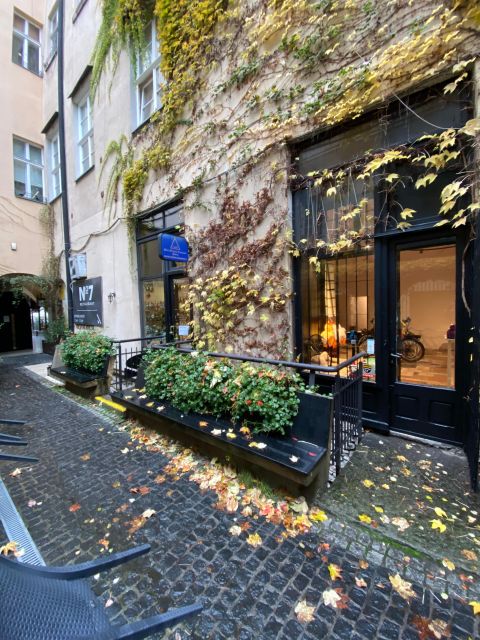
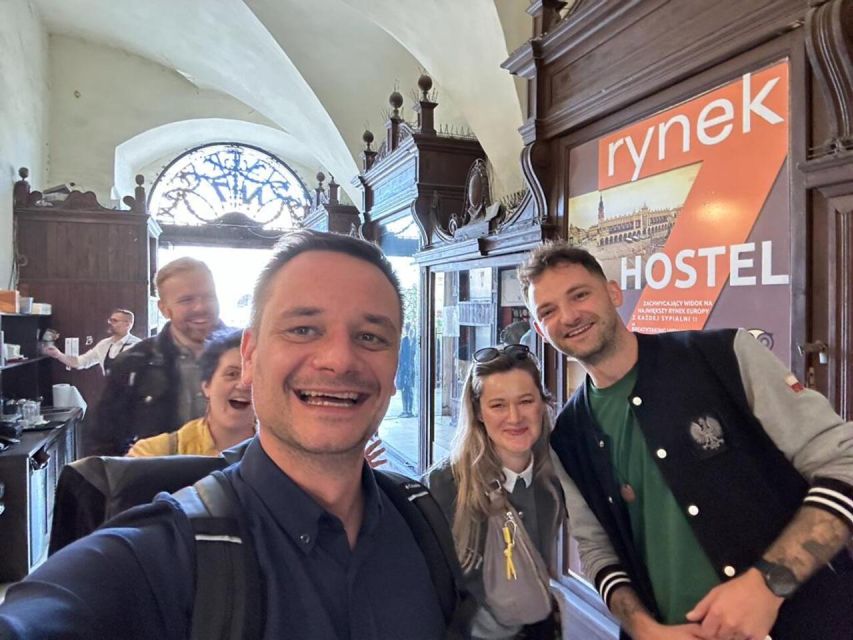
You meet at the ZeeTour office. Look for the building where the Restaurant No7 is, go inside, and find the shop in the courtyard, second on the left.
What is included in the price?
You get an English-speaking guide and the guided walking tour for about 1.5 hours. Entrance fees are not included.
Are entrance fees covered?
No. Entrance fees are not included in the tour price.
What should I bring for the tour?
Bring comfortable shoes and water.
Does the tour run in bad weather?
Yes, the tour takes place rain or shine.
More Walking Tours in Krakow
More Tours in Krakow

More Tour Reviews in Krakow
Not for you? Here's more nearby things to do in Krakow we have reviewed







More Krakow Old Town Walking Tours to consider.
 ★ 5.0Old Town Krakow & Wawel Castle Walking TourFrom $261,508 reviews
 ★ 4.7Creepy Krakow: 2-Hour City Walking TourFrom $241,131 reviews
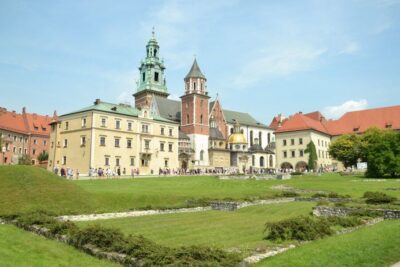 ★ 4.8The Old Town Walking TourFrom $19794 reviews
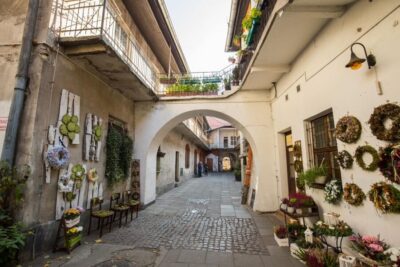 ★ 4.8Kazimierz Jewish Quarter Walking TourFrom $27571 reviews
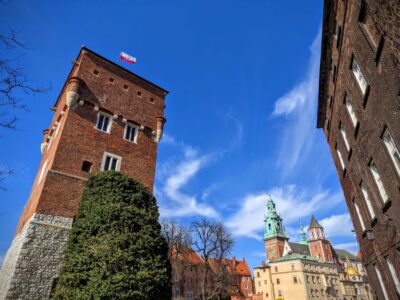 ★ 4.8Old Town & Wawel Castle Walking Tour in EnglishFrom $26532 reviews
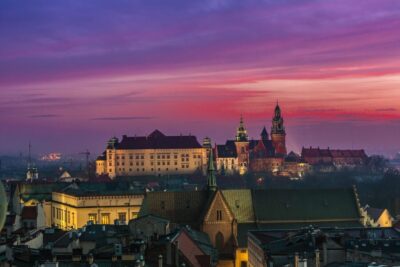 ★ 4.7Evening Walking Tour with Spooky StoriesFrom $24500 reviews
 ★ 4.5Krakow Old Town Guided Walking TourFrom $33438 reviews
 ★ 4.6Jewish Ghetto Walking TourFrom $11349 reviews
Other ways to explore Krakow