
Review · KAZIMIERZ & JEWISH HERITAGE TOURS
Krakow: Jewish Ghetto Walking Tour
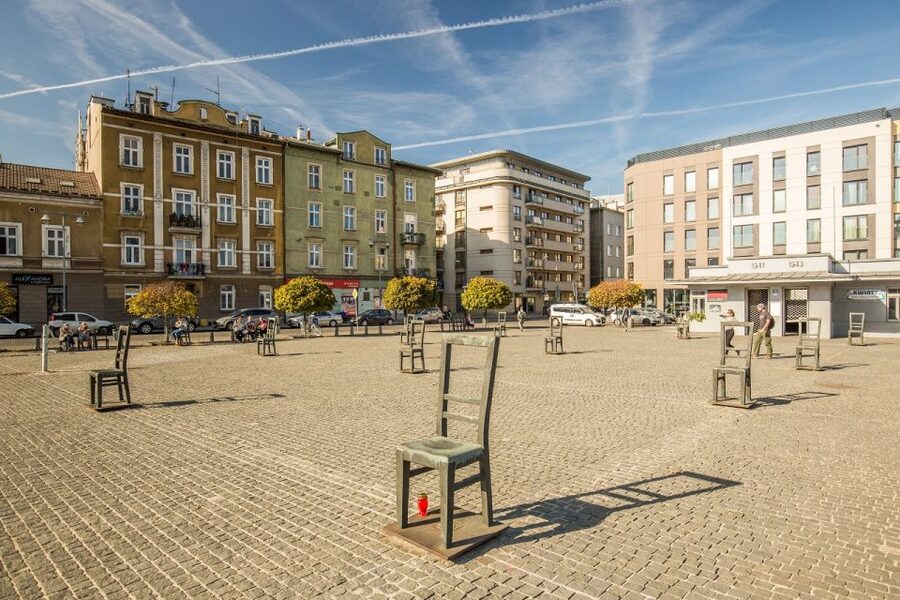
One hour can hit hard. This Kraków Jewish Ghetto Walking Tour in Podgórze helps you connect the street layout to what happened during WWII, with a licensed guide bringing it all into focus. I especially like the memorial details at Ghetto Heroes Square, including the symbolic Chair Memorial, and I also appreciate the guide’s storytelling around Under the Eagle Pharmacy.
The big consideration is simple: this is heavy material. Even though the walk is short, the emotions come fast, so go in prepared for an intense experience.
Key points to know before you go
- You walk real Podgórze streets, the former ghetto district, where the city’s layout matters.
- Ghetto Wall fragments show what the enclosure actually meant for daily life.
- Ghetto Heroes Square and the Chair Memorial turn loss into something you can see and face.
- Under the Eagle Pharmacy spotlights Tadeusz Pankiewicz and rescue efforts, not just suffering.
- The tour is only 1 hour, so it is meaningful, but not the deepest possible study session.
Podgórze streets set the scene for what happened behind walls
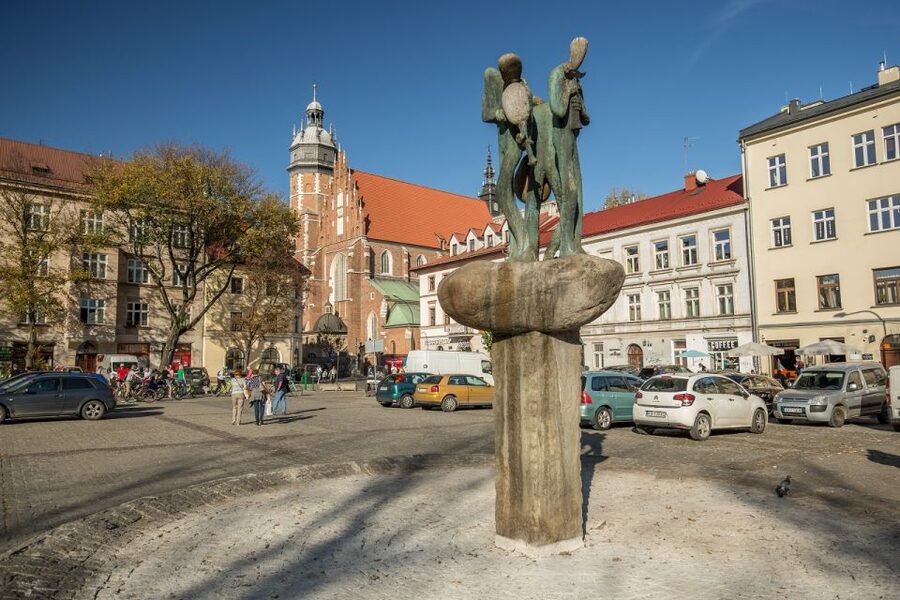
The tour starts in Podgórze, the district that became the site of the Kraków Ghetto during WWII. You begin in a part of the city that looks calm now, which is exactly why this works. The streets and corners make you think, Why was people movement controlled here? What did it mean to live close to danger, every day?
I like that the guide does not treat this as a history lecture stuck in one spot. You are walking, so your brain starts mapping the ghetto in your mind. One of the most effective things I noticed in guides from past departures is how they help you visualize everyday routines under occupation, including fear and hope in the same breath.
If you want an emotional but organized experience, this is a strong route. If you are looking for light sightseeing, skip it.
You can also read our reviews of more walking tours in Krakow

Ghetto Wall remains: the physical boundary that explains control
One of the tour’s strongest stops is the remains of the original Ghetto Wall. Not much survives, but what is left carries weight. Seeing a boundary you can almost touch helps you understand that this was not just persecution in an abstract sense. It was confinement in specific streets and specific blocks, built to restrict movement and crush normal life.
The tour frames the wall around the scale of the ghetto: more than 15,000 people were enclosed within just a few city blocks. That number matters, but the real lesson is how a wall changes behavior. Even when you are not standing inside it, you can picture how people would hesitate before turning a corner, how routes would become survival routes, and how solidarity had to happen within tight limits.
A small practical note: because so little original fabric remains, the wall stop can feel short if you were hoping to see a large stretch of preserved barrier. The real value is the context the guide gives you so the fragments do not feel like leftovers.
Ghetto Heroes Square and the Chair Memorial: how remembrance becomes visible
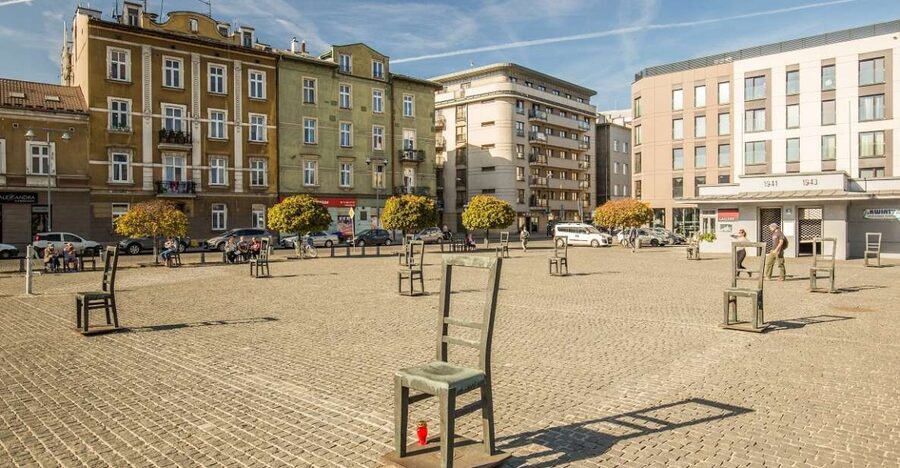
Next comes Ghetto Heroes Square, described as the heart of the ghetto. This is where the tour shifts from explanation to direct remembrance.
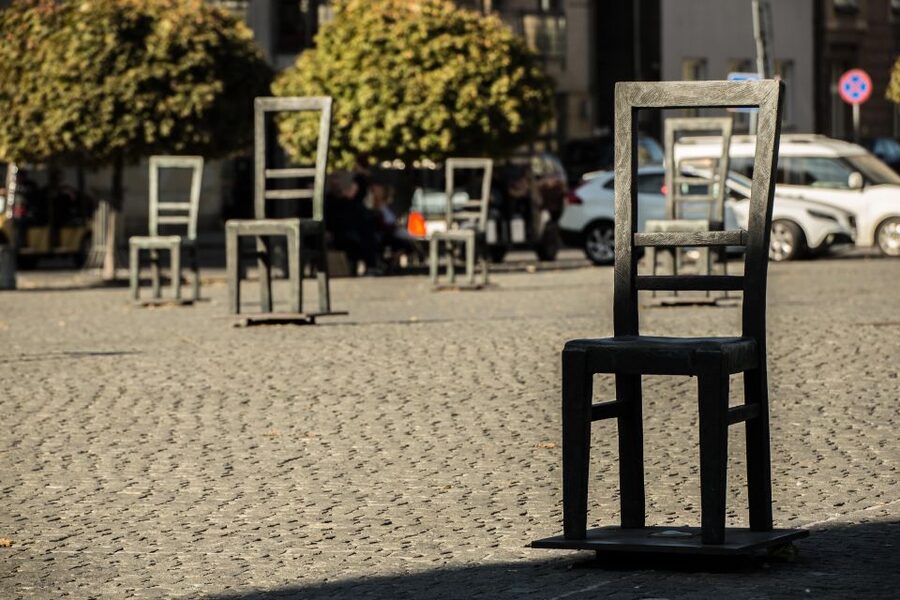
The centerpiece is the Chair Memorial, dozens of empty metal chairs placed in a layout meant to symbolize lives lost during the Holocaust. It is hard to walk past and stay detached. I found that the chairs do a job that photos cannot always do. They force you to slow down, look closely, and acknowledge absence in a way that is immediate.
What makes this stop particularly powerful on a guided walk is how the guide ties the square to real events, including deportations. You are not just seeing a monument. You are learning how the square functioned, why people feared it, and how the future was stolen from those who gathered there.
If you are visiting with someone who finds Holocaust memorials emotionally overwhelming, this is the moment you should expect tension or tears. Plan for it. Do not schedule anything tight right after.
Under the Eagle Pharmacy: courage with a name, Tadeusz Pankiewicz
The tour’s narrative includes a key turn toward human courage at Under the Eagle Pharmacy, tied to Tadeusz Pankiewicz and his staff. This stop matters because it balances the story. Yes, the ghetto was a place of daily harm. But people also risked everything to help others.
The pharmacy is presented as a place where medicine and shelter were provided to ghetto residents, despite the obvious danger. In plain terms, the guide helps you understand what rescue looked like when the world was actively hunting Jews and punishing anyone who aided them.
I also like that the guide style here tends to be especially careful and personal. Some guides have shared that they bring photographs to help orient you and show what certain locations looked like during the war, which can make this stop feel more grounded than a general talk.
One consideration: in at least one past experience, the pharmacy was closed on the day, which limited what could be seen directly. Even then, the stop still gives you context about what happened here. Still, it is worth keeping your expectations flexible if you are hoping for full museum access at that exact moment.
What the 1-hour format does well, and what it cannot do
A 1-hour walk is both the strength and the limitation of this experience.
It is a strength because it stays focused. You cover the most meaningful pieces of the route, and you do it while your brain is fresh enough to process the information. Several guides in past departures have been praised for pacing and keeping people engaged without rushing, which helps if your group includes slower walkers or first-time visitors.
It is also a limitation because ghetto history is enormous. Even very strong guides cannot squeeze every detail into an hour. If you love deep research, you will probably want to pair this with additional reading or museum time afterward.
This is also a walking tour, so even if the walking distance feels manageable, you should still wear comfortable shoes. One useful detail from past experiences is that some groups are provided with audio assistance, like headsets or ear pieces, so you can hear the guide clearly in public spaces. Your exact setup can vary by departure, but hearing quality is generally a priority.

Pricing and value: why $11 can be a smart buy in Kraków
At $11 per person for an hour with an expert guide, this tour is strong value. You are not paying for a long excursion that takes half a day. You are paying for interpretive help that you cannot easily replicate with a self-guided map.
Here is how I think about value: the places on this route carry meaning, but meaning is hard to catch on your own. The tour explains why each stop matters, how the ghetto operated day to day, and how events like deportations shaped the community. That is the part you feel in your bones after the walk.
So if you have only a limited window in Kraków, this is a good choice. It also pairs well with other nearby WWII-related sites, because it gives you the local context for how ghetto life worked.
Pair it with Schindler’s Factory for a clearer WWII timeline
Many people visit Kraków with Schindler’s Factory as one anchor point. A useful tip from past departures is that starting around Schindler’s Factory can help you connect the dots. Both experiences sit within the same broader WWII story, but they emphasize different angles.
Schindler’s Factory tends to ground you in the business and occupation reality, while the ghetto walk focuses on the day-to-day machinery of confinement, survival, and deportations in Podgórze. When you do them back to back, the timeline clicks faster.
Plan the order based on your mood. If you want the ghetto walk after Schindler’s Factory, you will likely find it easier to understand the shifting threat environment. If you do it first, the ghetto details will make the later occupation story feel more immediate.
Who this tour suits best, and who may want a different plan
This walking tour is ideal if you want:
- A focused, guided route through the main preserved reminders in Podgórze
- Emotional but structured storytelling, including acts of courage like those connected to Tadeusz Pankiewicz
- A clear explanation of daily life, deportations, and survival under Nazi occupation
It may not be the best match if:
- You need a lighter itinerary and want minimal emotional intensity
- You expect lots of remaining wartime buildings to photograph, since the physical remnants in this area are limited
- You are hoping for more than an hour of deep coverage on every topic
If you are a solo traveler or a couple, this format is also practical. It keeps the day moving without requiring transport planning.
Booking basics: languages, timing, and what to prepare
This tour runs with a live guide in multiple languages. Options include French, German, Italian, English, Spanish, Russian, Portuguese, Swedish, Slovak. Group tours operate in one language at a time, so pick carefully when you book.
Meeting point can vary depending on the option booked, so I suggest you double-check your exact location before you head out. Arrive around 10 minutes early. Once the group leaves, latecomers cannot join and tickets are not refundable.
Finally, the tour goes ahead in all weather, rain or shine. Bring suitable clothing and footwear. If you are visiting in cold months, dress for wind and uneven pavement, and consider layers. One past departure even included a warm waiting arrangement while people gathered, which is a nice reminder that the meeting window can matter.
Should you book the Kraków Jewish Ghetto Walking Tour?
I recommend booking if you want a guided, respectful route that helps you understand how the Kraków Ghetto worked, not just what happened at the end. For the price, this is a rare opportunity: you get context, place-based learning, and the Chair Memorial and Under the Eagle Pharmacy stop, all in a manageable 1-hour walk.
I would hesitate only if you know you cannot handle very heavy historical content right now, or if you are looking for a long, museum-style experience. For most people, though, this is the kind of tour that makes Kraków feel more real, because it turns streets into stories you will not forget.
More Walking Tours in Krakow

More Tours in Krakow
More Tour Reviews in Krakow
Not for you? Here's more nearby things to do in Krakow we have reviewed







More Kazimierz & Jewish Heritage Tours to consider.
 ★ 4.7Schindler’s Factory & Ghetto Guided TourFrom $571,694 reviews
 ★ 4.9Jewish Quarter and Former Ghetto TourFrom $191,441 reviews
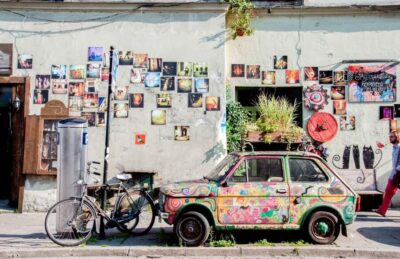 ★ 4.9Bike Tour of Old Town, Jewish Quarter and the GhettoFrom $371,155 reviews
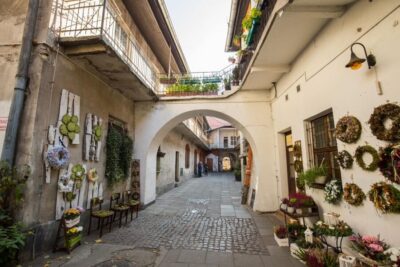 ★ 4.8Kazimierz Jewish Quarter Walking TourFrom $27571 reviews
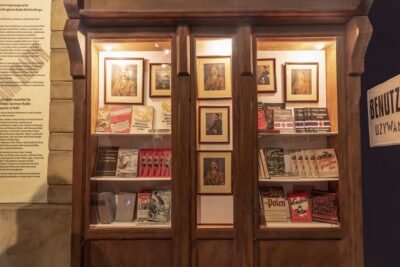 ★ 4.8Kazimierz, Schindler’s Factory & Ghetto Guided TourFrom $81460 reviews
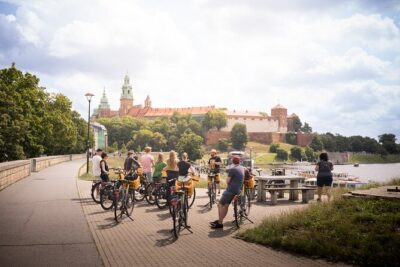 ★ 5.0Full Bike Tour – the Old Town, Jewish Qtr & the Ghetto NEW BIKESFrom $35437 reviews
 ★ 4.9Bike Tour of the Old Town, Kazimierz, and the GhettoFrom $26350 reviews
 ★ 4.6Jewish Quarter and Ghetto Electric Golf Cart TourFrom $34348 reviews
Other ways to explore Krakow