
Review · SCHINDLER'S FACTORY & WWII TOURS
Krakow: Schindler’s Factory Guided Tour with Entry Ticket
A factory tour that hits hard. Schindler’s Factory Museum turns Krakow’s WWII story into something you can walk through, with Oskar Schindler at the center and artifacts that make the history feel real. You also get the Kraków Under Nazi Occupation 1939-1945 exhibition, organized so you understand what happened to Jewish and Polish residents before, during, and after the war.
I especially love the way the guide connects the dots from the month right before the war to the arrival of the Soviet Army in 1945, so it is not just names and dates. It is also a smart way to see the museum if you have limited time, since the tour is built to cover the main threads and point you toward the areas that deserve more attention.
The biggest drawback to plan around is that the museum experience is not suitable for wheelchair users, and the spaces can feel tight, which matters for comfort and hearing.
Key takeaways before you go
- Real building, real context: The museum sits in the original Oskar Schindler enamel goods factory, so the setting carries weight.
- A clear WWII timeline in 90 to 100 minutes: From the run-up to war through the occupation and on to 1945.
- Schindler’s impact is shown in detail: You will spend real time on the story of Oskar Schindler and the 1,200 Jews whose lives he saved.
- Krakow’s Jewish life is a major focus: Not only during the occupation, but also before and after.
- English live guidance helps a lot: Guides like Kamil, Kate, Ava, and Eva are repeatedly praised for strong English and strong explanations.
Schindler’s Factory Museum, why the building matters in Krakow
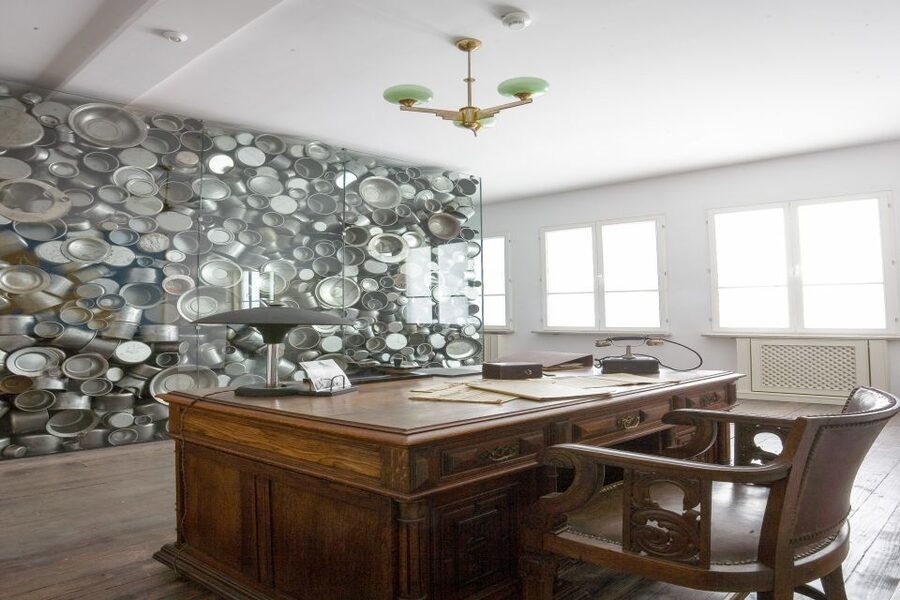
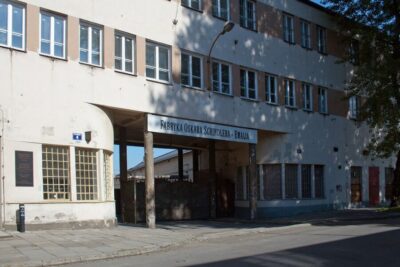
Some museums feel like they are trying to recreate history. This one is different. Schindler’s Factory Museum is housed in the original enamel goods factory connected to Oskar Schindler, so you are not just reading about what happened, you are standing in the physical space where that story took shape.
That matters because the exhibit is not a single topic. You walk through the broader story of Nazi-occupied Krakow, then you shift into the rooms dedicated to Schindler and the people he helped. The result is a path that starts with the way Krakow changed, then narrows down to one man’s choices and their life-or-death impact.
And because it is a guided visit, you are not left piecing things together on your own. The guide is there to give you structure, so the material lands. That is huge when you are dealing with WWII content that can otherwise feel overwhelming.
More Krakow tours, salt mines, mountain days, and city experiences to compare


The 90 to 100-minute route, from the run-up to war to 1945
Plan on about 100 minutes overall, with the guided portion running close to 90 minutes, and then you can stay longer if you want to watch films or look at documents on your own.
The route is built like a timeline. You start by learning Krakow’s situation right before the war, then move through the first months of Nazi occupation. The tour then follows how the city’s life changed, including the development of the Krakow Ghetto and the story that connects to Płaszów Concentration Camp. Finally, the museum framing brings you through the period up to the arrival of the Soviet Army in 1945.
The guide’s job, and where you will feel the value, is in connecting all those pieces into a coherent story. You are not just receiving facts. You get context for why specific events happened, and how Krakow’s Polish and Jewish communities were affected in different ways.
Also, this tour is explicitly not about the Spielberg movie as a “what you saw on screen” exercise. Spielberg’s film is mentioned as a reason the world learned this story, but what you will experience in the museum is the real historical narrative. That shift is important. It keeps you grounded in documents, testimony-style displays, and the human scale of what was at stake.
Kraków Under Nazi Occupation 1939-1945, what to look for as you walk
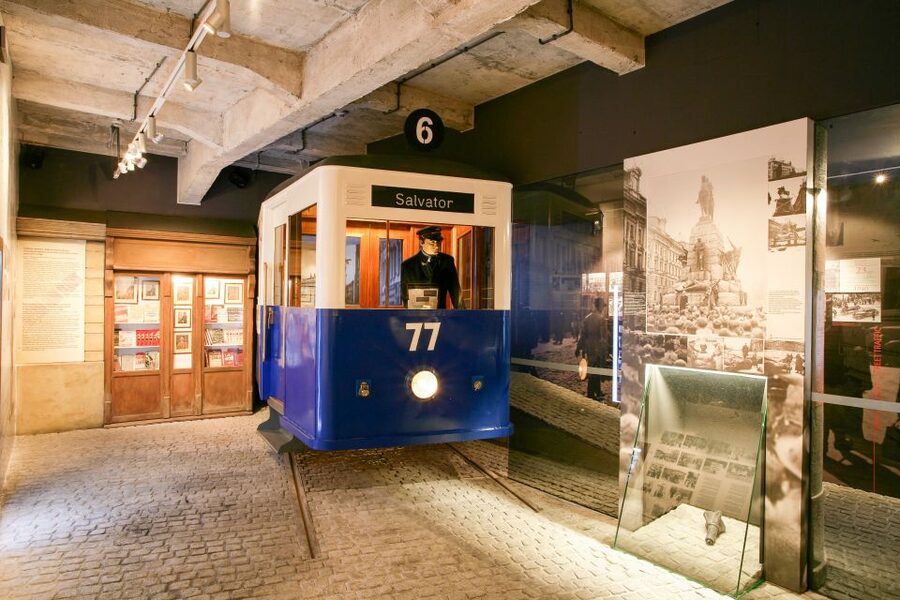
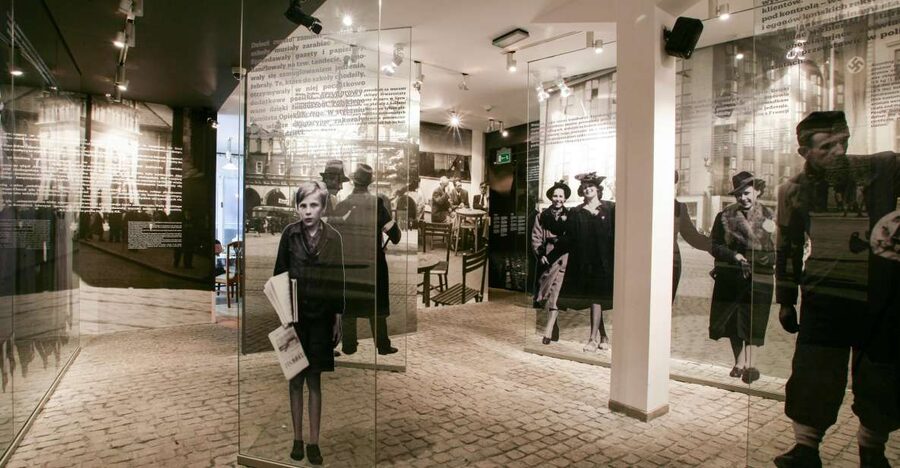
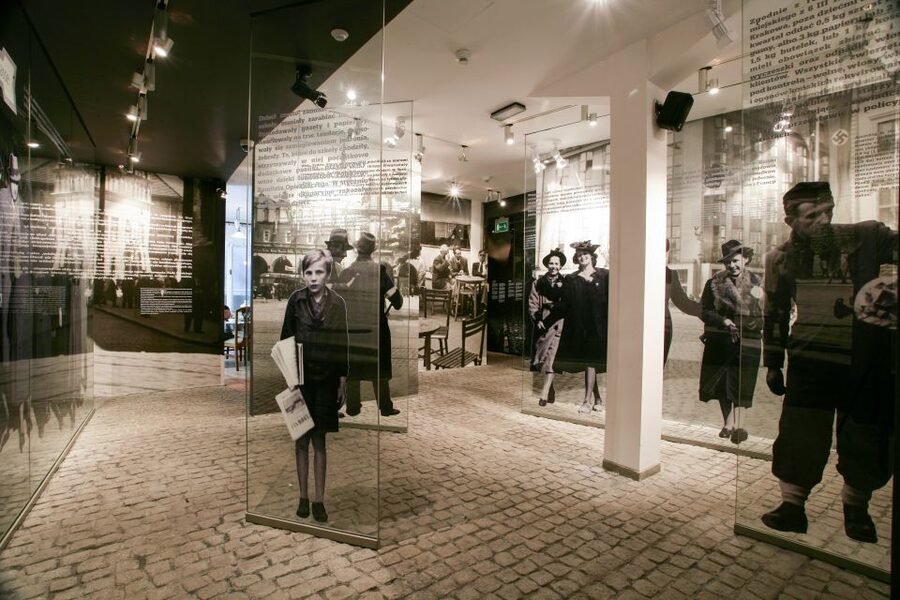
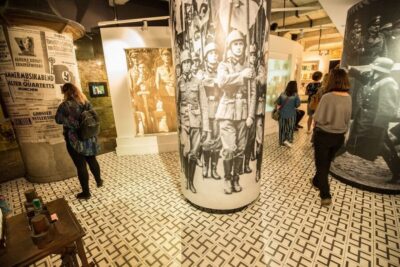
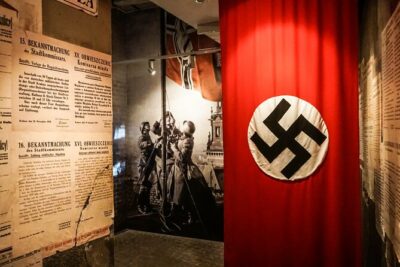
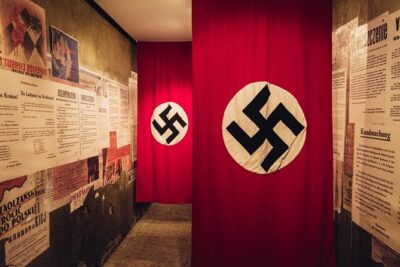
The permanent exhibition is called Kraków Under Nazi Occupation 1939-1945, and it functions like the tour’s backbone. As you move room to room, you are seeing how occupation changed everyday life, and how Jewish residents went from being part of the city to being targeted, confined, and systematically persecuted.
What I think makes this section so effective is that it is not only about violence. It’s also about daily reality: the tightening conditions, the forced separation, and the way life in Krakow was reshaped month by month. The tour also touches on the broader story of Jews of Krakow before, during, and after the war, so you get the sense of continuity that the occupation tried to break.
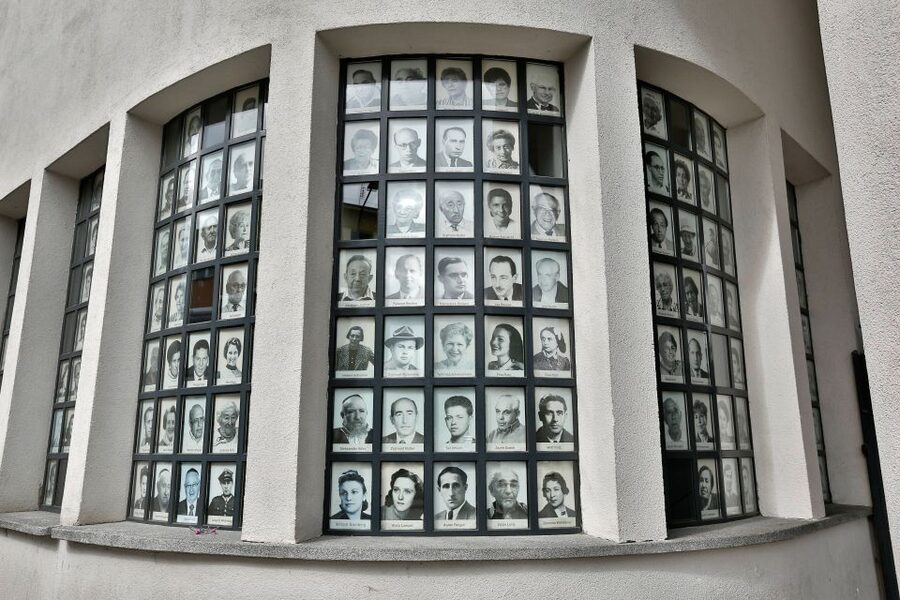
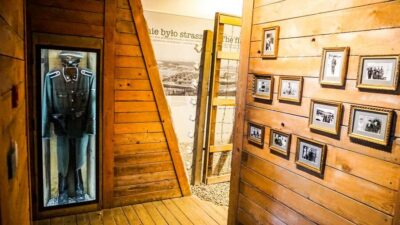
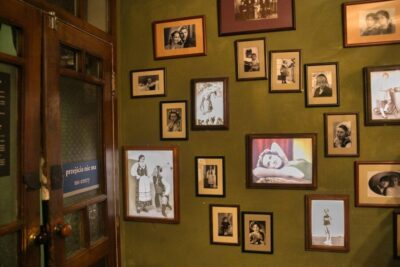
As you go, you are likely to spend time with the kinds of displays that make the history feel personal, such as photographs and personal documentation-style materials. In a museum like this, that matters. Dates can blur. Faces and handwritten details do not.
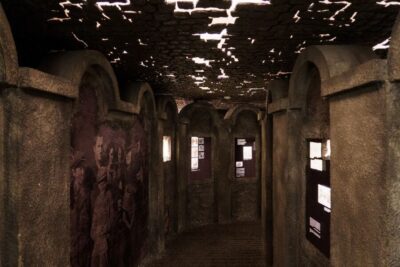
One practical note: the museum layout can feel busy and tight. If your audio is slightly hard to hear at the start because of room noise, it is still worth staying close to the guide. You will catch more by positioning yourself well than by trying to read every panel while walking.
Oskar Schindler’s rooms and the 1,200 lives saved
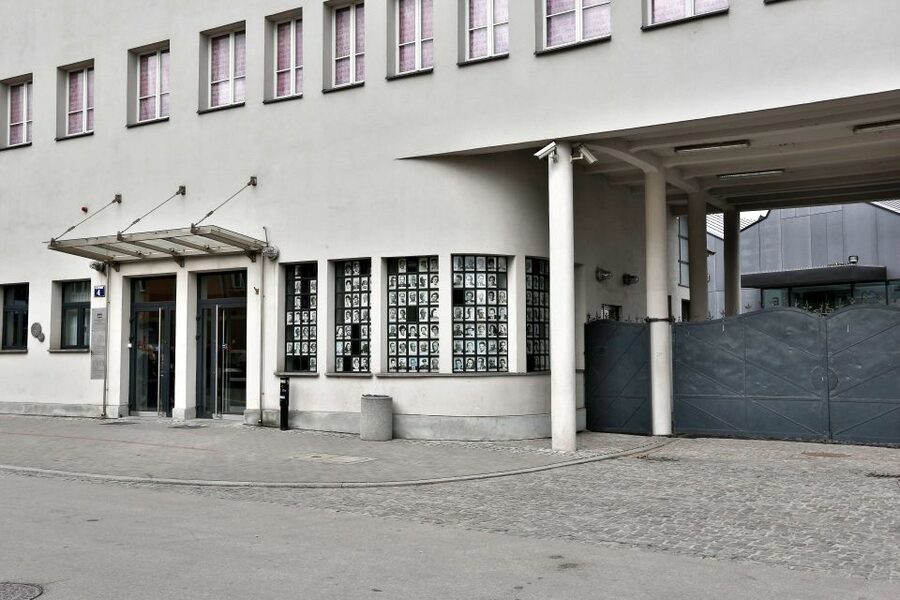
After you’ve built the wider picture of occupied Krakow, the tour shifts into the rooms focused on Oskar Schindler and the people whose lives he helped save, including the 1,200 Jews connected with that effort.
This part has a different mood than the occupation overview. It is still heavy, but it gives you something the first half might not: a clear human through-line. You see how Schindler’s actions changed outcomes for specific people, and you understand that this story is not just one heroic moment. It is tied to choices, circumstances, and risk.
Because the tour is guided, you are not stuck asking what each display means. The guide helps you understand how the museum’s exhibits connect to the broader historical events you already covered. That is why the pacing works. The museum is organized so you can read the exhibits, but the guidance helps you interpret what you are looking at while you are standing there.
If you want more than the main tour covers, this is also where you can linger. The experience is designed so you can extend your visit to watch related films and explore documents and materials at your own pace afterward. If your brain feels “full” after the guided portion, take 10 minutes to breathe, then return for another pass through the Schindler-focused rooms.
Hearing, pacing, and crowding, how to make this tour easier on yourself
A tour like this is not just about content. It is about how you experience it physically, because the museum environment can affect how much you get out of the visit.
Here’s what to keep in mind:
- Spaces can be narrow. You may need to stay close to the front or side to hear everything, especially as groups move between rooms.
- Sound can be an issue in some areas. The museum has lifelike noise and film elements, and a few visitors have noted that provided audio can be mono and not the best quality.
- The guide’s style shapes the experience. Many guides are praised for fluent English and respectful, clear explanations. Names that come up include Kamil, Kate, Ava, Eva, Joanna, Michael or Mikhail, Ewa, and Michal. You are not guaranteed a particular guide, but the overall quality seems to be a consistent theme.
My practical advice is simple. Arrive a few minutes early so you can settle in before the tour begins. If you know you struggle to hear in noisy places, bring your own headphones. Even a small upgrade in audio clarity can make a big difference when you are trying to follow details.
Also, emotionally, give yourself permission to go slower at the end. Some parts can feel fast because the guided route is timed. If you want more time, stay after the guide finishes and focus on the rooms that hit you the hardest.
You can also read our reviews of more guided tours in Krakow
Value and price, is $25 a fair deal in Krakow?
At around $25 per person, this is one of those Krakow experiences that can feel like a bargain if you care about WWII context and you only have a day or two to pack a lot in.
Here’s why the value makes sense:
- Entrance is included, so you are not paying a separate museum admission on top.
- You get live English guidance, which is the difference between skimming and understanding.
- You skip the ticket line, and in a busy city at peak hours, that can be worth real time.
The museum itself can take hours if you do it solo. The guided tour compresses that into a smart, structured route that helps you understand the bigger picture quickly. If you like reading, you’ll still want extra time to revisit specific rooms after the tour, but the guide helps you decide what to prioritize.
In short, if you want the museum plus historical context, the guided option is a strong use of time for most schedules.
Who this tour suits best, and who should reconsider
This works especially well if you fit one of these situations:
- You want an orderly introduction to WWII in Krakow, not just a list of exhibits.
- You already know the Spielberg film and want the real history behind it.
- You are planning a bigger WWII day later, like Auschwitz-Birkenau. This museum helps you ground the Krakow-specific story so other sites feel less disconnected.
If you have mobility limitations, note that it is not suitable for wheelchair users. And if you need a very quiet, unhurried museum experience, you may find the timed guided structure and tight rooms less ideal. In that case, you might still visit, but you may want to pair it with extra self-guided time so you are not trying to absorb everything in one pass.
Should you book Schindler’s Factory guided tour?
Yes, I’d book it if you want meaning, not just walls of information. The combination of a guided structure, English narration, and the museum’s original factory setting makes this a high-impact stop in Krakow, even if you are only there for a short visit.
If you are the type who prefers to read everything at your own speed, consider booking the guided tour anyway, then stay afterward to slow down in the rooms you want to revisit. And if audio clarity matters to you, bring your own headphones so you do not lose detail in noisy areas.
FAQ
How long is the guided tour?
The guided experience runs about 100 minutes, with the tour portion lasting approximately 90 minutes.
Is the tour guide available in English?
Yes, the live tour guide is available in English.
Where do I meet for the tour in Krakow?
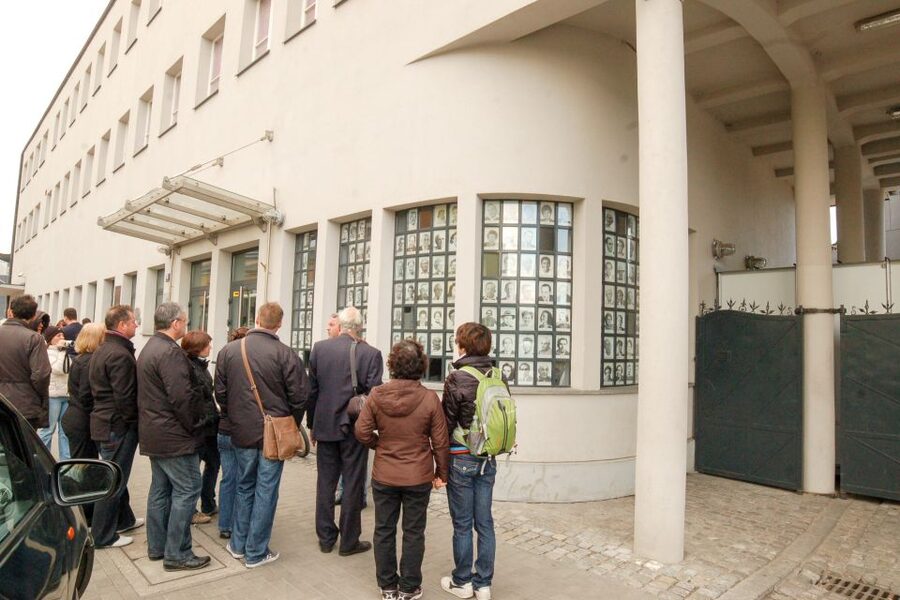
Meet in front of the entrance to the Schindler’s Factory Museum at ul. Lipowa 4.
Does the price include entrance tickets?
Yes, entrance tickets are included.
Do I need to bring any identification?
Bring a passport or ID card.
Can wheelchair users join this tour?
No, it is not suitable for wheelchair users.
Is there an option to skip the ticket line?
Yes, the experience includes skipping the ticket line.
Is free cancellation available?
Yes, you can cancel up to 24 hours in advance for a full refund.
More Tickets in Krakow
More Tours in Krakow
More Tour Reviews in Krakow

Not for you? Here's more nearby things to do in Krakow we have reviewed







More Schindler's Factory & WWII Tours to consider.
 ★ 4.2Oskar Schindler’s Factory Entry Ticket & Guided TourFrom $353,793 reviews
 ★ 4.5Schindler’s Factory Tour with Entrance TicketFrom $493,182 reviews
 ★ 4.4Schindler’s Factory Skip-the-Line TicketFrom $253,105 reviews
★ 4.6Schindler’s Factory Tour with Entrance TicketFrom $401,737 reviews
★ 4.4Schindler’s Factory Skip-the-Line TicketFrom $253,105 reviews
★ 4.6Schindler’s Factory Tour with Entrance TicketFrom $401,737 reviews
 ★ 4.5Schindler’s Factory in Krakow: Guided Tour & Skip the Line TicketFrom $351,714 reviews
 ★ 4.7Schindler’s Factory & Ghetto Guided TourFrom $571,694 reviews
 ★ 4.3Schindler’s Factory Ticket with Guided Tour OptionFrom $421,485 reviews
 ★ 4.0Krakow Schindler’s Factory Guided Tour with Admission TicketFrom $351,156 reviews
Other ways to explore Krakow