
Review · SCHINDLER'S FACTORY & WWII TOURS
Schindler’s Factory in Krakow: Guided Tour & Skip the Line Ticket
A factory museum with a heavy heartbeat. This ticket gets you guaranteed entry to Oskar Schindler’s Factory Museum in Krakow, and the timed approach helps you fit it into a tight itinerary. I especially like how the visit balances the factory story with what was happening to Krakow during World War II. One thing to keep in mind: the museum spends more time on the war and occupied Krakow than on Oskar Schindler himself.
If you want a smooth start, this experience is built for it. It runs about 1 hour 30 minutes, includes your entrance ticket, and offers an optional guided intro plus commentary as you move room to room. The only drawback I’d flag is that the pace can feel fast, and in small corridors you might not linger as long as you would in a fully self-paced visit.
Key things to know before you go
- Skip-the-line, timed entry: you choose a start time and get guaranteed access to the museum.
- Guided or self-guided: you can take the guided route, or go in on your own.
- WWII Krakow focus: the story centers on the city under Nazi and Soviet occupation, with Schindler as part of that larger picture.
- Interactive rooms and audio: expect original film and radio recordings plus hands-on displays.
- Small-group feel, up to 25: tour groups are capped at 25, but it still helps to stay close to the guide in narrow areas.
Getting into Schindler’s Factory: skip the queue, keep your day sane
Schindler’s Factory is one of those places that can feel chaotic without the right plan. This ticket is designed to prevent the usual waiting game by giving you guaranteed entry with a timed slot. For a museum this popular, that alone is worth real money in saved stress.
You’ll make your own way to the museum in central Krakow and then meet up based on your selected option. If you go guided, you’ll start with a short introduction before heading inside. If you choose the self-guided option, you still benefit from the time-scheduled access.
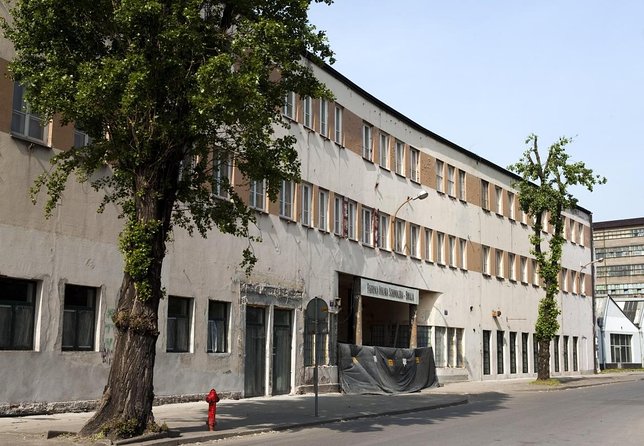
The location is Lipowa 4, and it’s near public transportation. That matters, because Krakow sightseeing often comes with busy streets, tram lines, and the need to get back to your hotel without a detour.
More Krakow tours, salt mines, mountain days, and city experiences to compare



Meeting point on Lipowa 4 and how the tour ends
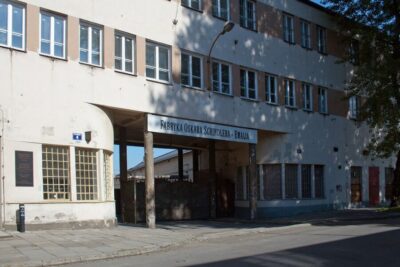
This activity starts at Oskar Schindler’s Enamel Factory, Lipowa 4, 30-702 Kraków. For guided tours, you meet the guide outside at that spot, then move into the museum together.
The tour ends back at the meeting point area. After the guided portion finishes, you’re free to continue your Krakow day independently. That’s a nice fit if you want to roll straight into another neighborhood walk or a dinner plan without needing a complicated “pick-up later” routine.
What makes the guided intro worth it
The guided option begins with context: a brief introduction to Oskar Schindler and how his story became globally known through Steven Spielberg’s film Schindler’s List. This is not a movie retread. It’s a way to frame what you’re about to see, so the exhibits don’t just feel like a wall of names and dates.
Then the guide helps you connect rooms to themes: the city’s shifting terror, the factory’s role during the war, and what happened to the Jewish workers employed there. The museum’s design can be overwhelming if you’re reading alone, especially in the narrower sections. A guide gives you a map of what matters most and what to watch for.
I also like that the museum’s emphasis is explained as you go. One note from the experience is that the museum’s focus leans toward Krakow’s WWII experience rather than spending most time on Schindler’s personal story. A good guide helps you “see” that intent instead of fighting it.
Inside the museum: WWII Krakow through rooms, photos, and audio
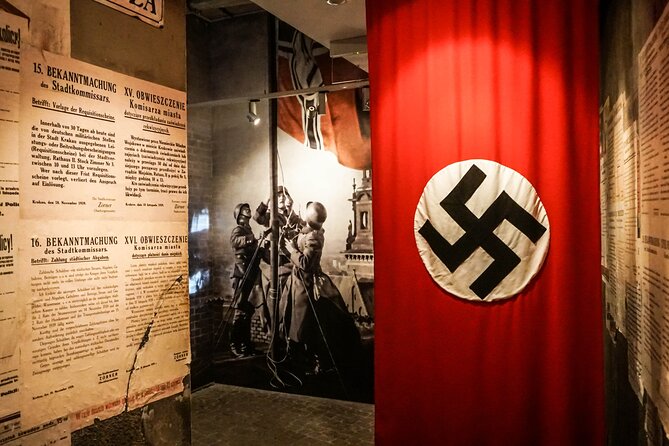
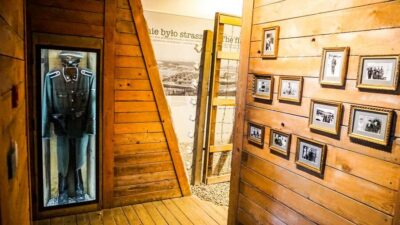
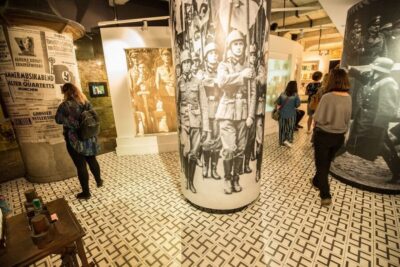
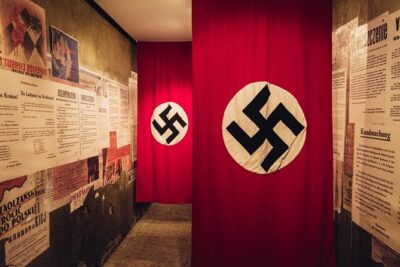
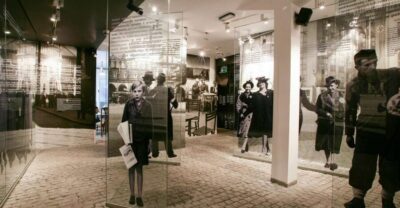
Once you enter, you move through rooms that trace how World War II affected Krakow before, during, and after the worst phases of occupation. Expect photographs of cobbled streets, resistance hideaways, and prisons linked to the Nazi and Soviet occupation.
What gives this museum weight is the use of original media. You’ll encounter film and radio recordings that convey fear in a way that simple captions can’t match. It’s not just educational, it’s emotional and immediate.
Plan for this to be a slower kind of “moving through history” rather than a quick hit. Even when the tour ends after about 1 hour 30 minutes, the museum itself has lots of material, and the rooms can pull you in different directions depending on your interests.
The factory story: enamelware production and the logic of survival
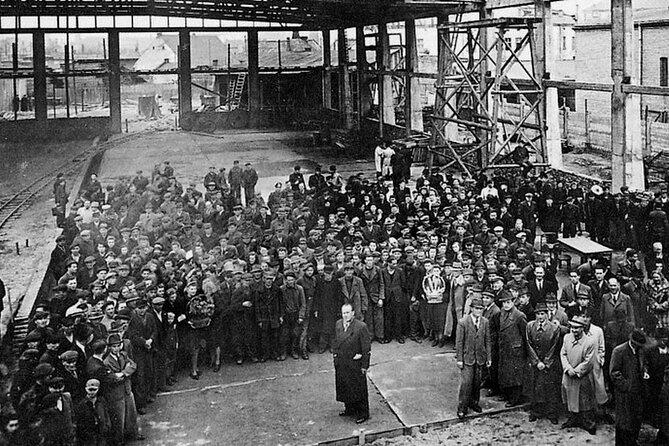
A big highlight is the factory component. You’ll learn how Schindler’s Jewish workforce manufactured items such as pots, pans, tins, and other enamelware for the German army. The point is stark: this production was part of the wartime supply chain, and it also created a grim kind of protection from deportation.
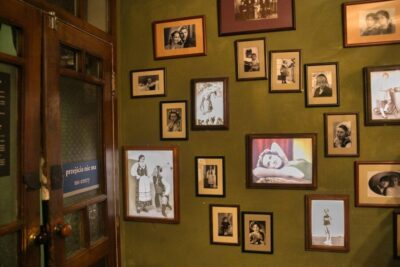
You can also see Schindler’s office within the museum. That detail matters because it helps you visualize the power dynamics behind the exhibits, not just the horrors at a distance. The story is not presented as a neat fairy tale of “good guy saves everybody.” It’s more complicated and more disturbing than that, which is why the museum hits hard.
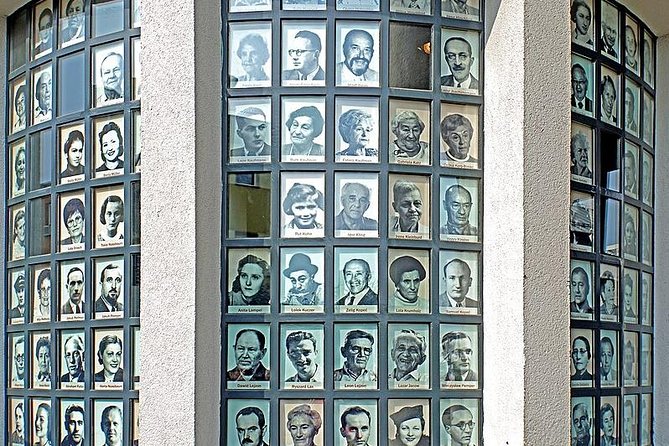
The tour also covers the fates of some of the roughly 1,200 Schindlerjuden, often described as Schindler’s Jews. Even when your time is limited, the guide’s job is to connect these people to the spaces you’re standing in, so the exhibits stay human instead of becoming abstract.
You can also read our reviews of more guided tours in Krakow


Timing and pacing: why 1 hour 30 minutes can feel fast

The scheduled duration is about 1 hour 30 minutes. That’s a useful length if you’re sightseeing efficiently, but you should also know what it means inside these rooms.
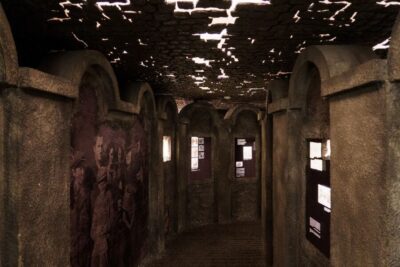
Corridors can feel tight and information-dense. In a fast-paced format, you might not catch everything if you’re walking slightly behind your guide or stopping to read every panel. If you’re someone who likes to absorb quietly, I’d consider doing the museum in a way that gives you extra time after the tour day, even if it’s just walking the surrounding area to let your brain catch up.
Some groups may also travel with or without audio aids depending on the guide setup. If there are no headphones for your group, position yourself where you can hear clearly. Narrow spaces make it harder to catch words when you’re off to the side.
Group size up to 25: good for logistics, not always for reading
This experience caps the tour at 25 travelers. That’s generally reasonable for a museum tour, and it helps keep things organized.
Still, 25 people means you’ll experience the museum as a controlled stream. In narrow rooms with interactive displays and heavy topics, a bigger group can reduce your time to read slowly or watch recordings at your own pace. For many people, that’s fine. For others, it’s the difference between feeling informed and feeling rushed.
If you prefer a quieter pace, the self-guided option can be the better fit. It keeps your attention on what you choose to linger on, without the group moving around you.
Choosing between guided and self-guided in real terms
Both options start with your timed entry. Here’s how you should decide:
Go guided if:
- You want help turning the exhibits into a clear WWII timeline.
- You like hearing how details connect, such as why factory work mattered for survival.
- You want a translator-style bridge for the museum’s more complicated context.
Go self-guided if:
- You’d rather read at your own speed.
- You prefer to stop where something grabs you.
- You don’t want to follow a group pace through tight corridors.
If you do take a guide, names you might encounter can include Natalia, Elizabeth, Barbara, Marta, or Wojtek. What matters most is the guidance style, not the name on the sign. A strong guide makes the difference between skimming and understanding.
Skip-the-line value: what you actually pay for
At $35.70 per person, the price can look steep if you’re thinking only about ticket entry. But here’s the practical value: you’re paying to avoid the queue and to lock in a working time slot.
In a place like this, that’s not a luxury. It’s time management. If Krakow is already packed with markets, old town walks, and a few must-see museums, a timed ticket buys you control.
That said, it’s still a museum. You’re not buying entertainment. You’re buying context, access, and a guided framing for a difficult subject. If you’re looking for a light afternoon activity, this won’t match that vibe.
What to expect emotionally (and how to plan your day)
Schindler’s Factory is intense. The museum’s design, the wartime photographs, and the audio elements are meant to convey fear and loss, not just facts. The exhibits include themes of occupation, imprisonment, and the consequences of persecution.
So plan your day accordingly. Don’t schedule back-to-back “heavy” stops right after this unless you know you handle it well. Build in time for a walk afterward where you can reset your senses.
And remember the tour’s focus: you’ll spend a lot of time on Krakow under WWII. Schindler’s story is central, but it’s not the only lens.
Should you book this Schindler’s Factory skip-the-line tour?
Book it if:
- You want guaranteed entry and timed entry control.
- You want an English guide to explain what you’re seeing as you go.
- You’d benefit from context in narrow, information-heavy rooms.
Consider self-guided instead if:
- You’re a slow reader who hates moving on someone else’s schedule.
- You want to spend more time per room, especially for photographs and audio moments.
- You prefer to make the museum your own path, not a group route.
If you’re trying to fit Schindler’s Factory into a tight Krakow itinerary, this is the cleanest way to do it. Just go in with the right expectations: expect WWII Krakow to take center stage, and expect the museum to ask you to pay attention.
FAQ
How long is the tour?
It’s listed at about 1 hour 30 minutes.
Is the tour available in English?
Yes, the experience is offered in English.
Does the ticket include admission to the museum?
Yes. The entrance ticket is included.
Is this a guided tour, or can I go self-guided?
You can pick from a self-guided option or a guided visit, depending on what you select.
Where do I meet the guide?
The meeting point is Oskar Schindler’s Enamel Factory, Lipowa 4, 30-702 Kraków, Poland.
Is a passport or ID required?
Yes. You’re asked to bring a valid identity document (passport or ID), since museum staff may request it.
How big is the group?
The tour/activity has a maximum of 25 travelers.
Can I cancel or change the booking for a refund?
No. This experience is non-refundable and cannot be changed for any reason.
More Tickets in Krakow

More Tours in Krakow
More Tour Reviews in Krakow

Not for you? Here's more nearby things to do in Krakow we have reviewed











More Schindler's Factory & WWII Tours to consider.
 ★ 4.2Oskar Schindler’s Factory Entry Ticket & Guided TourFrom $353,793 reviews
 ★ 4.5Schindler’s Factory Tour with Entrance TicketFrom $493,182 reviews
 ★ 4.4Schindler’s Factory Skip-the-Line TicketFrom $253,105 reviews
★ 4.6Schindler’s Factory Tour with Entrance TicketFrom $401,737 reviews
★ 4.4Schindler’s Factory Skip-the-Line TicketFrom $253,105 reviews
★ 4.6Schindler’s Factory Tour with Entrance TicketFrom $401,737 reviews
 ★ 4.7Schindler’s Factory & Ghetto Guided TourFrom $571,694 reviews
 ★ 4.3Schindler’s Factory Ticket with Guided Tour OptionFrom $421,485 reviews
 ★ 4.0Krakow Schindler’s Factory Guided Tour with Admission TicketFrom $351,156 reviews
 ★ 4.1Schindler’s Factory Guided Tour with Entry TicketFrom $25976 reviews
Other ways to explore Krakow