
Review · SCHINDLER'S FACTORY & WWII TOURS
Krakow: Schindler’s Factory Guided Tour
Krakow’s Schindler’s story hits fast.
This 2-hour guided tour of Oskar Schindler’s Enamel Factory is interesting because it connects wartime policy to ordinary days in Krakow between 1939 and 1945. I especially like the chance to see the authentic office desk tied to Schindler, and the fact that you get a professional guide plus skip-the-line entry so you spend less time queueing and more time learning. The main drawback to consider is that it’s tightly timed, and if you want to read every label and linger in every room, you may feel a bit rushed.
I also appreciate how the tour is set up for comfort and clarity. You choose English or Spanish, and you are given headsets, which helps when the museum gets crowded. In past tours, guides have stood out for passion and energy, including one named Barb, who gave a very engaging, detailed walkthrough, and that kind of delivery really matters in a museum this serious.
Key Things That Make This Tour Worth Your Time
- Schindler’s office details you can actually point to, including the desk in his office that is still there
- Real context for daily life under Nazi occupation, not just dates and big events
- A guided route through the factory administration role, tied to the Deutsche Emailwarenfabrik operation
- Headsets help you keep up, so you are not constantly straining to hear in busy rooms
- The 2-hour pace is fixed, so plan to move on when your guide signals the end
- You must bring photo ID, since the museum requires it for entry
Why Schindler’s Factory Tells a Different Kind of WWII Story
Krakow is full of WWII reminders, but this stop is special because it focuses on how the conflict played out in a specific workplace, in a specific city, and in people’s day-to-day lives. The tour centers on the period of Nazi occupation from 1939 to 1945, when the rules of the regime shaped who could work, who could eat, who could move, and who could survive.
What I find meaningful is the way the tour links the wider machinery of World War II to personal dramas. It focuses on how Oskar Schindler’s efforts intersected with life in the Krakow ghetto and the labor system Germans imposed. You will hear how the enamel factory, originally established in 1937, became a key site after the German invasion of Poland in 1939, including how Schindler ended up taking control and employing more than a thousand Jewish workers.
This is not a museum that only wants you to feel sad in a general way. It wants you to understand the choices and pressures people faced, and why the story of saving more than 1,200 people took place inside the hard realities of an occupied city.
You can also read our reviews of more guided tours in Krakow
Getting There and Meeting the Guide at the Correct Door
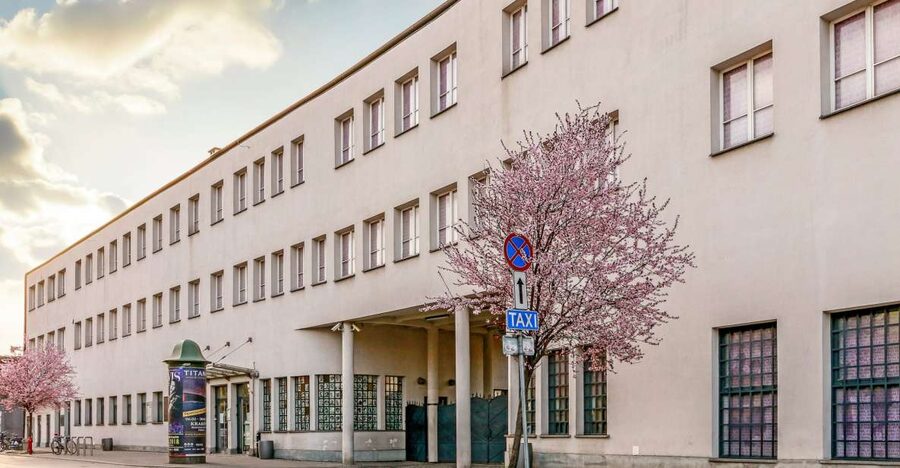
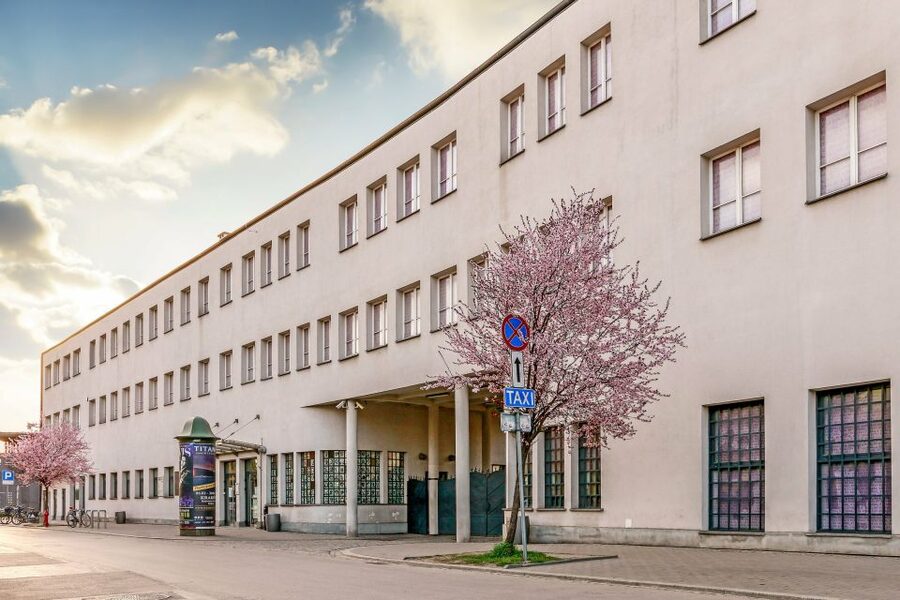
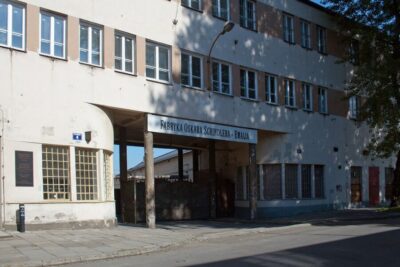
The meeting point is straightforward: stand in front of the entrance to the Oskar Schindler’s Enamel Factory museum. You will see a greeter holding a GetYourGuide banner.
This matters because the museum is one of Krakow’s most popular, so you want to be ready when your time slot starts. The tour includes skip-the-line entrance tickets, which is a genuine time saver here. You still need to handle museum security and entry requirements, but you avoid the worst of the waiting.
Quick practical tip: arrive a few minutes early, not 30 minutes early. You do not want to wait out in the cold, and your greeter may be coordinating a group ready to go in at your start time.
Languages are English and Spanish, and the tour is wheelchair accessible, so this is a decent choice if you want an organized experience rather than trying to assemble your own route in a crowded museum.
What the 2-Hour Guided Tour Feels Like Inside
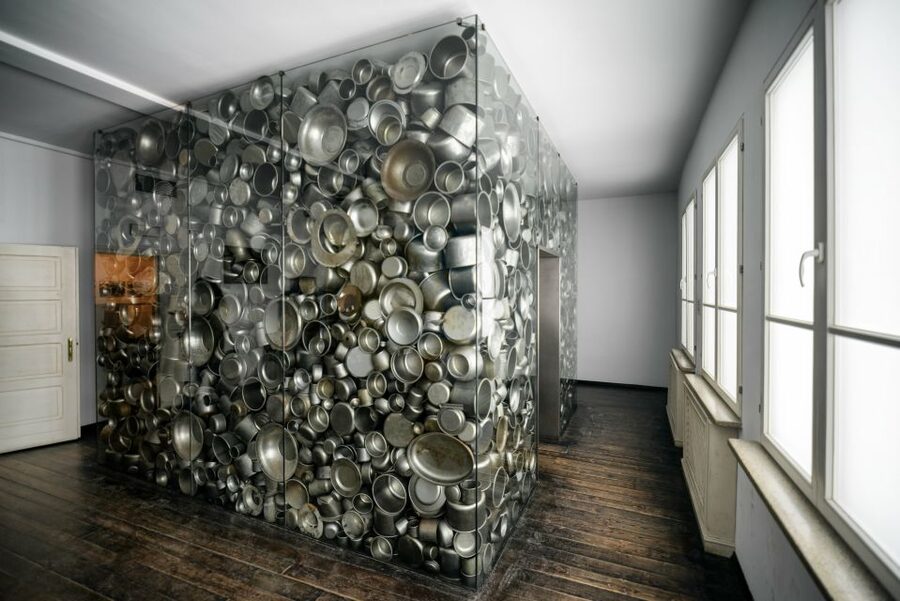
This is a 2-hour guided experience, and that timing influences everything about how you experience the museum. You will not have the freedom to wander for long stretches. Instead, you follow the guide’s flow through the exhibits and rooms tied to the factory and its wartime function.
Here’s what you can expect in the order the tour typically emphasizes the key locations:
Start with the occupation story and the human scale
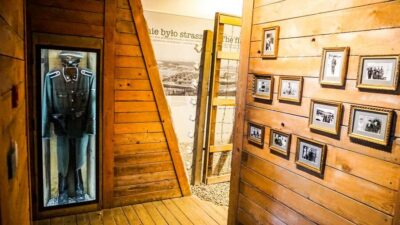
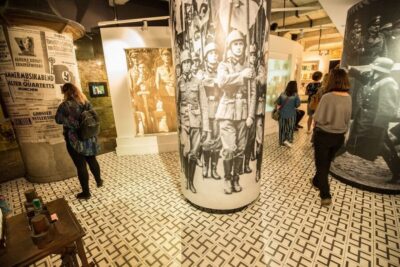
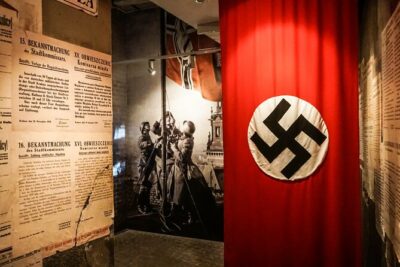
Right away, the tour sets the scene for daily life under Nazi occupation in Krakow. The goal is to give you the framework for what you are about to see, so the factory stops do not feel like disconnected exhibits. You are learning how everyday routines and survival realities were forced to change.
Move into the factory administration and its wartime role
Next, the route focuses on the building that served as the administration of Schindler’s enamel factory (Oskar Schindler’s Deutsche Emailwarenfabrik). This is where the tour becomes more specific. You are not just hearing about Schindler as a name in history, you are seeing how the factory operated as part of the occupation system.
Reach the office area and Schindler’s desk
One of the strongest moments is the chance to view Schindler’s office desk. The description matters because the tour is built around authenticity. When you see an actual desk that remains in his office, the whole story stops being abstract.
End with the bigger meaning behind the details
By the end of the tour, the guide ties the building, the occupation context, and the survival efforts together. The tour format is designed so you leave with a clearer sense of how individual outcomes connect to the Nazi regime’s structure and the terrible constraints people lived under.
A note on pacing: the museum is crowded, and the tour uses guided interpretation to hit key stops. Some groups have felt rushed, and in at least a few cases the tour ended earlier than expected, limiting time to read everything at your own speed. If you like to linger, plan to do a short self-guided pass after your tour time ends only if the museum rules allow it for your ticket type.
The Factory Administration Stop and Why It’s Not Just a Location
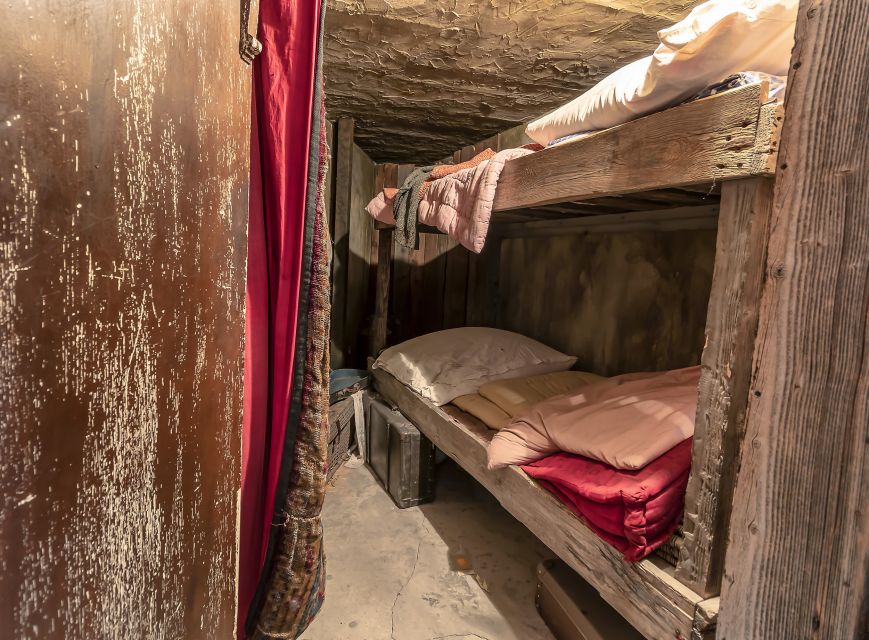
It is easy to treat WWII sites like story props. This museum works harder than that because it ties a specific workplace to the survival strategy at the center of Schindler’s name.
The administration side of the factory is important because it reflects how labor and paperwork translated into real life outcomes. The tour explains how the factory operated under the pressure of occupation and how Schindler’s position as a Sudeten German businessman helped him navigate a narrow path. The result was that more than a thousand Jewish workers from the Krakow ghetto were employed at the factory after the Germans took control.
So when your guide points out parts of the administration spaces, I think the lesson is this: history is not only what happened in distant offices. It also happened in rooms like this, where decisions and constraints shaped who could keep going for another week, another month, another chance.
Schindler’s Desk: The Moment That Turns History Personal
If you remember only one highlight from this tour, make it the desk in Schindler’s office. The tour is built to land on this moment because it does something powerful: it makes the story tangible.
You are not looking at a symbol. You are looking at an object that helps explain how Schindler ran his operation and how paperwork and administration played a role in the saving of more than 1,200 people. Even if you already know the broad story, seeing the desk in place is often what makes the emotional weight finally click into your brain.
This is also where a strong guide changes the experience. In reviews, guides have been praised for energy, detail, and the way they made the story personal without turning it into sentiment. One guide named Barb was highlighted for being especially knowledgeable and engaging, and you can see why. In a museum like this, your guide’s tone shapes whether the experience stays clear and respectful or becomes a blur.

Headsets, Guide Style, and the Real Issue of Group Size
You do not want to fight a group to hear. The good news here is that headsets are provided, which makes a big difference in a museum where other visitors can interrupt your ability to focus.
The less-good news is that group size and crowding can affect how much time you get in each room. Some tours have been described as not rushed and well paced, which is exactly what you want in a museum where every label matters. Other experiences have felt tight, with limited time to read exhibits and fewer rooms than you might hope for.
So here is my practical advice: go with a mindset that you will follow the guide first, then decide what you still want to see afterward. If you are a slow reader or you need extra time to process emotional content, book an early time slot if you have the option. It often helps you avoid the hardest peaks.
One more consideration: one review flagged that a guide’s comments about occupation after WWII can be sensitive, and that might not match what every visitor expects. If you want a strictly factory focused narrative, bring that preference with you and be ready to ask questions that steer back to 1939 to 1945.
Price and Value: What $42 Buys You in Real Terms
At about $42 per person for a 2-hour tour, the value comes from three things you would otherwise have to piece together yourself.
First, you get a professional guide. In a museum like Schindler’s Factory, the guide helps you connect dates to human decisions and makes sure you do not miss the key interpretive points.
Second, you get skip-the-line entry. That is a practical savings. It reduces uncertainty and helps you stay on schedule.
Third, you get the structure of a timed experience. Instead of spending time choosing what to see, you follow a path designed to hit the factory administration elements and the office detail most tied to Schindler.
What you should not expect: food and drinks are not included. If you plan to do lunch nearby afterward, factor that into your day. Also, cancellation is non-refundable, so double-check your time slot before locking it in.
Rules You Need to Know Before You Walk In
Plan for the museum to be strict about on-site behavior. The tour requires photo ID (passport or ID card with photo). If you forget it, entry may not be possible.
Other restrictions include:
- No pets
- No weapons or sharp objects
- No smoking
- No luggage or large bags
- No flash photography
- No video recording
It also lists a prohibition on smoking and open fires in mine areas, so if you see any specialized areas in the museum route, follow the rules exactly.
If you travel with a big backpack, this is the moment to rethink what you bring. Pack light so you do not run into bag restrictions or delays.
Who This Tour Suits Best (and Who Should Rethink It)

This tour is not suitable for children under 14, which makes sense given the subject matter and the emotional intensity. It fits best if you are an adult or a teen looking for a structured way to understand WWII occupation life in Krakow through the specific lens of Schindler’s workplace.
It also works well if you:
- Want a guided route instead of piecing together your own museum plan
- Prefer interpretation that connects the factory’s function to what happened to people
- Like clear logistics like skip-the-line entry and set tour timing
It may be less ideal if you hate time limits. The museum is popular, and the tour is designed to cover key stops in two hours. If you want to spend 3 or 4 hours reading everything slowly, you might feel constrained by the pace.
Should You Book Schindler’s Factory Guided Tour in Krakow?
I think you should book this if you want a focused, guided way to understand Nazi occupation life in Krakow through Schindler’s enamel factory. The combination of a professional guide, skip-the-line entry, and the standout chance to see Schindler’s desk makes it good value at around $42 for a 2-hour experience.
But book with eyes open. Expect a serious subject, plan for a timed visit, and keep in mind that crowding and group pacing can limit how much you can read on your own. If you bring your own pacing needs, choose a time slot that feels comfortable for you and be ready to let the guide lead.
If you are the type who learns best with a clear narrative, this tour is a strong match.
FAQ
How long is the Schindler’s Factory guided tour?
The tour lasts 2 hours.
What languages are available?
Tours are available in English and Spanish.
Do I need an ID to enter the museum?
Yes. You must bring a passport or ID card with a photo for every participant.
Is the ticket line skipped?
Yes, the tour includes a skip-the-line entrance ticket.
Is the tour suitable for children?
No. It is not suitable for children under 14.
What items are not allowed inside?
The tour rules say no pets, no weapons or sharp objects, no luggage or large bags, no flash photography, and no video recording.
More Guided Tours in Krakow

More Tours in Krakow
More Tour Reviews in Krakow
Not for you? Here's more nearby things to do in Krakow we have reviewed










More Schindler's Factory & WWII Tours to consider.
 ★ 4.2Oskar Schindler’s Factory Entry Ticket & Guided TourFrom $353,793 reviews
 ★ 4.5Schindler’s Factory Tour with Entrance TicketFrom $493,182 reviews
 ★ 4.4Schindler’s Factory Skip-the-Line TicketFrom $253,105 reviews
★ 4.6Schindler’s Factory Tour with Entrance TicketFrom $401,737 reviews
★ 4.4Schindler’s Factory Skip-the-Line TicketFrom $253,105 reviews
★ 4.6Schindler’s Factory Tour with Entrance TicketFrom $401,737 reviews
 ★ 4.5Schindler’s Factory in Krakow: Guided Tour & Skip the Line TicketFrom $351,714 reviews
 ★ 4.7Schindler’s Factory & Ghetto Guided TourFrom $571,694 reviews
 ★ 4.3Schindler’s Factory Ticket with Guided Tour OptionFrom $421,485 reviews
 ★ 4.0Krakow Schindler’s Factory Guided Tour with Admission TicketFrom $351,156 reviews
Other ways to explore Krakow