
Review · SCHINDLER'S FACTORY & WWII TOURS
Schindler’s Factory Guided Tour
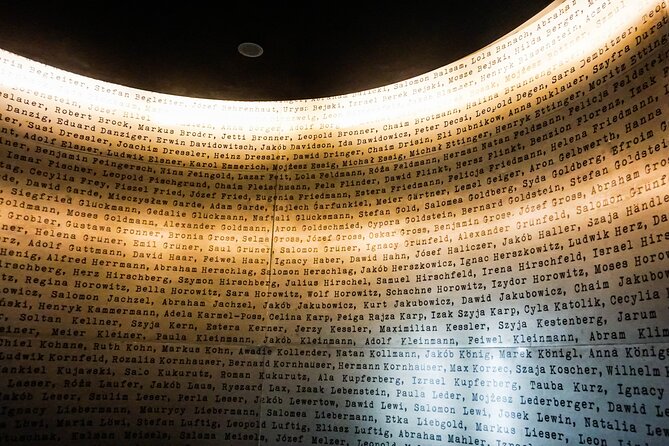
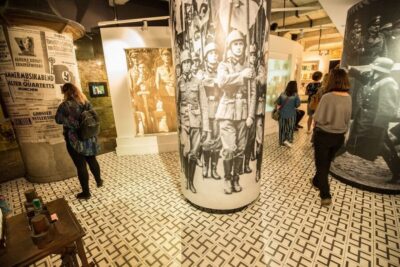
Kraków’s wartime corridors hit fast. A licensed guide walks you through Schindler’s Factory and the exhibition Kraków under Nazi Occupation 1939-1945, where the story goes far beyond the famous Schindler narrative and into daily life under Nazi control. You get fast-track entry and a clear, guided storyline in a setting built to feel like the period.
Two things I really like: the focus on everyday survival in occupied Kraków, not just one man’s biography, and the way the museum uses original artifacts plus 1940s-style reconstructions to make the fear and uncertainty tangible. It’s history you can track, not vague tragedy you only guess at.
One consideration: the museum spaces can feel tight, and because the tour is only 90 minutes, the pacing can feel a bit rushed if you’re hoping to read every label or linger with objects. Also, expect that not all production machinery is here today.
Key takeaways before you go
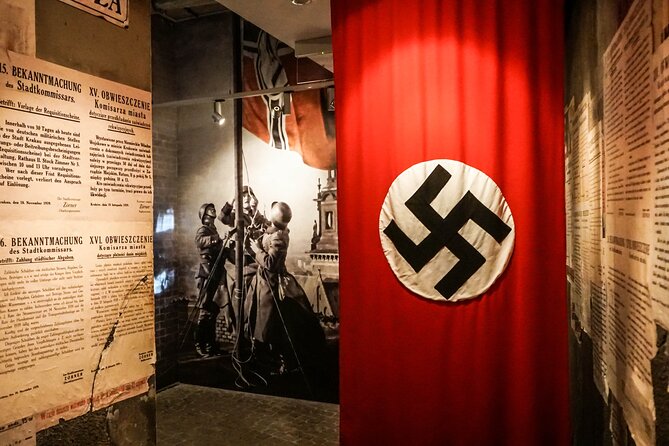
- Guided context beyond Schindler’s story that explains Jewish and non-Jewish life under occupation
- Artifacts and wartime reconstructions that bring daily routines and wartime pressure into focus
- 90 minutes, limited group size (up to 25) so you get structure but not hours to wander
- Single-language group tours for smoother flow through narrow areas
- Strong guide impact: guides such as Ewa, Eva, and Phil have been highlighted as engaging and passionate
Why Schindler’s Factory feels more specific than a typical museum
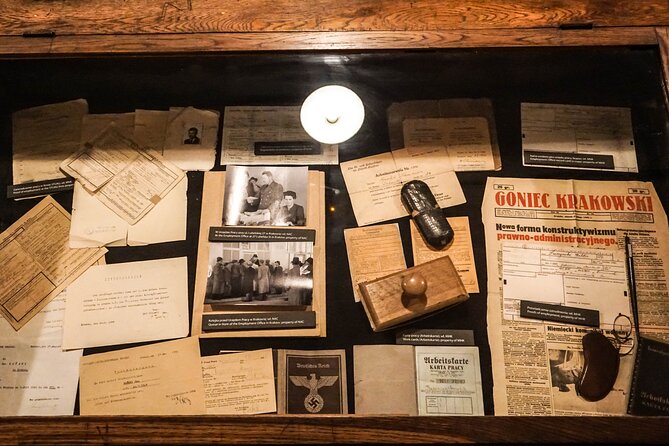
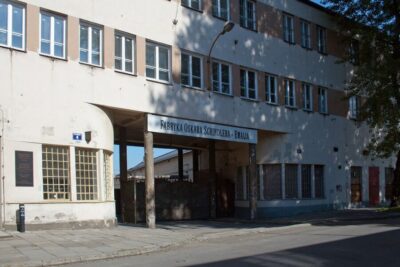
Schindler’s Factory is not a bland, all-purpose museum building where you pass through rooms and hope the story lands. This place is tightly linked to the real operation of Schindler’s enamel factory, and the exhibition uses that connection to tell you something important: survival was not only about big historical moments, it was also about small decisions and brutal systems that squeezed daily life.
The tour zeroes in on the years when Kraków was under Nazi occupation, 1939-1945. Instead of treating Oskar Schindler as a lone hero floating above the events, the exhibition frames his actions inside the broader machinery of oppression. That means you learn how Jewish and non-Jewish residents endured the war, not only what happened to those directly tied to the factory.
A detail that matters for your expectations: although this was the factory building, it does not function today as a working site with production equipment. You’ll see what the museum wants you to see, and a guided explanation helps you connect the artifacts and reconstructions to how people lived, worked, and tried to stay one step ahead.
You can also read our reviews of more guided tours in Oskar Schindler S Factory

The 90-minute flow: how the guided tour unfolds
This is a compact, well-timed visit. You’re in the museum for about 90 minutes, led by a licensed guide. The goal is not to speed-run the whole museum like an audio guide sprint, but it does mean the guide must hit the main story beats efficiently.
Here’s the typical rhythm you can expect:
1) Entering the wartime narrative
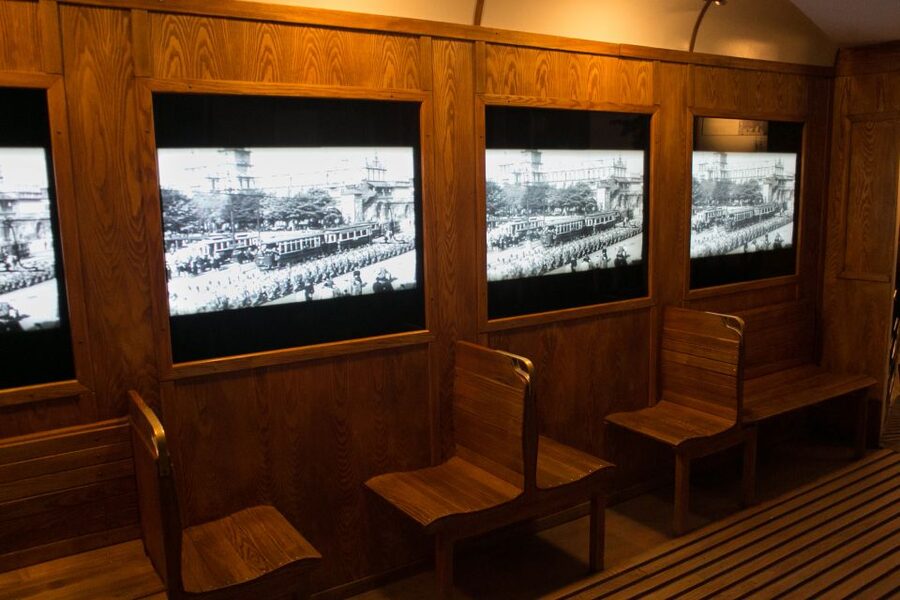
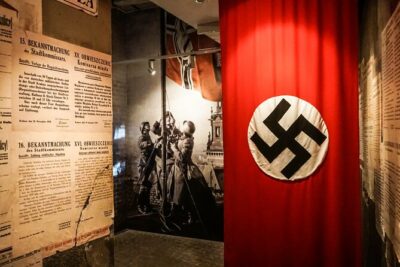
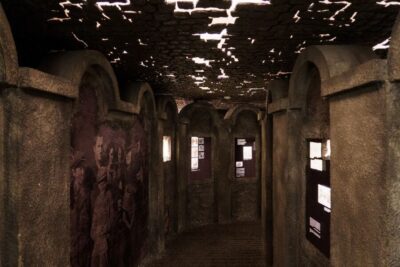
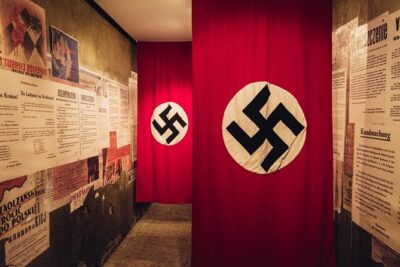
You start by stepping into the exhibition space for Kraków under Nazi Occupation 1939-1945. The layout includes narrow passageways and a staged setup designed to echo the feel of wartime Kraków. It’s an important start, because it trains your brain to read the museum as a sequence of pressure and change, not separate exhibits.
2) From city life to persecution
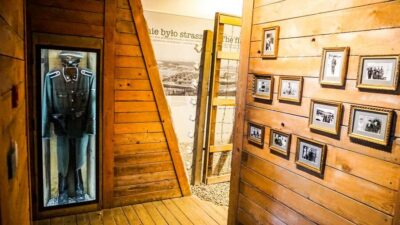
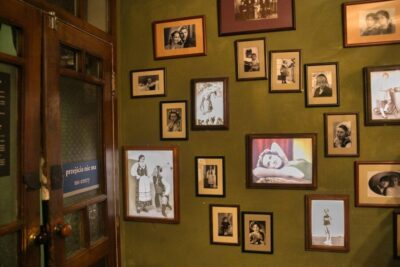
As you move through the rooms, the guide helps you connect daily routines to the tightening grip of occupation. The museum uses photographs, personal objects, and reconstructed streets to show what fear did to ordinary life: where people went, what they worried about, and how quickly normal routines collapsed.
3) Schindler’s role inside the larger system
The story then zooms in on why Schindler mattered in this system. You learn how he employed Jewish workers and used his position, influence, and resources to protect them from deportation. The tour frames this not as a magical exception, but as courageous resistance inside a world designed to remove safety from everyone.
4) Who was saved, and what the testimony means
A key part of the experience is hearing about those often called the Schindlerjuden. The museum draws on testimony that continues to resonate across generations. With a guide speaking through the context, the displays stop being lifeless objects. You understand why the stories still matter, even if you’ve already seen films or read summaries.
5) Ending with a broader citywide story
The closer is not only about Schindler as an individual. It ties his actions to the wider narrative of Kraków during the siege, so you leave with a sense of how courage, compromise, and cruelty all coexisted in the same city.
The biggest practical takeaway: arrive ready to follow a guided thread. If you try to multitask or treat it like a photo walk, you’ll miss the connections the guide is working hard to build.
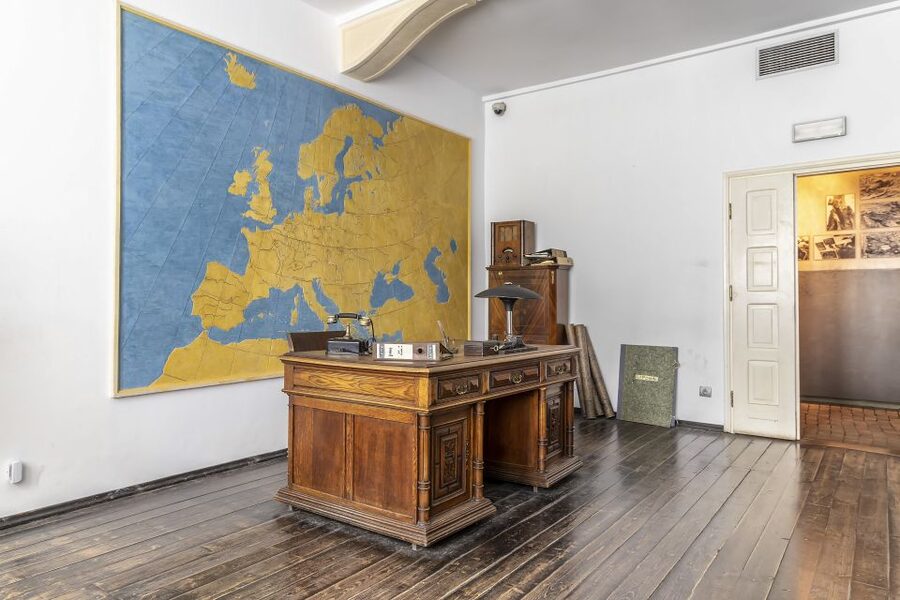
What you’ll see: artifacts, personal items, and reconstructed streets
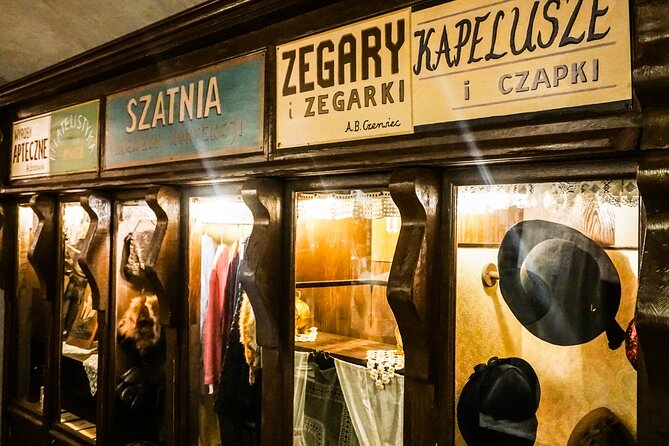
Schindler’s Factory stands out because it uses multiple kinds of evidence, and the guide helps you read each one correctly.
You’ll encounter:
Original artifacts
These are real, physical objects from the era, presented in a way that makes them feel like evidence rather than decoration. When you’re standing near an object and the guide explains what it represents, you get a clearer emotional and historical map.
Personal objects
These give the story human scale. Even if you’ve heard the big facts, personal items help you imagine how people experienced the same war in very different ways.
Photographs
The photos do more than show faces. They act like snapshots of shifting reality, including the way occupation changed what people did and what they could safely hope for.
Reconstructed streets
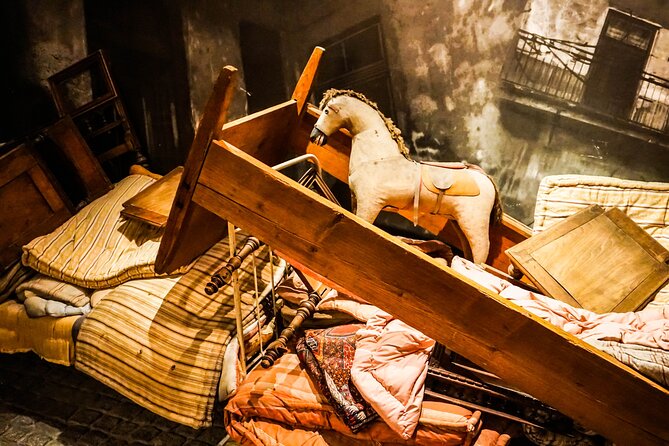
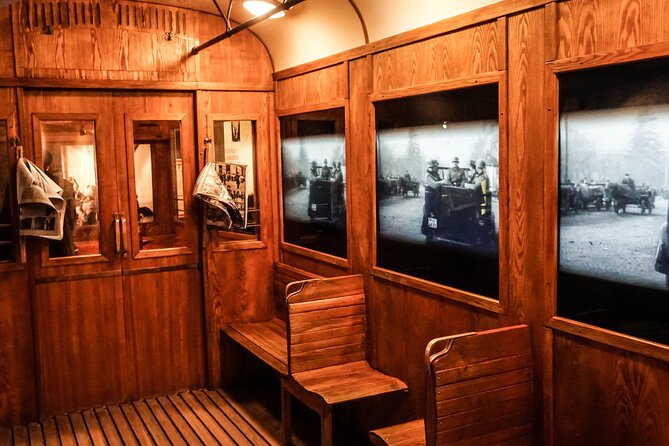
The museum includes reconstructions meant to reflect the atmosphere of wartime Kraków. This is where you can feel the exhibition’s theatrical planning. It helps you understand that the war was not only a background event, it shaped how streets, movement, and daily routines worked.
If you like to take photos, plan for reality. The museum design includes narrow passageways, and you’re in a group. There isn’t much space to stop dead in the middle. The best approach is to pause when the guide gives you a natural beat, not when you see the perfect shot.
Schindler’s choices, without losing the bigger picture
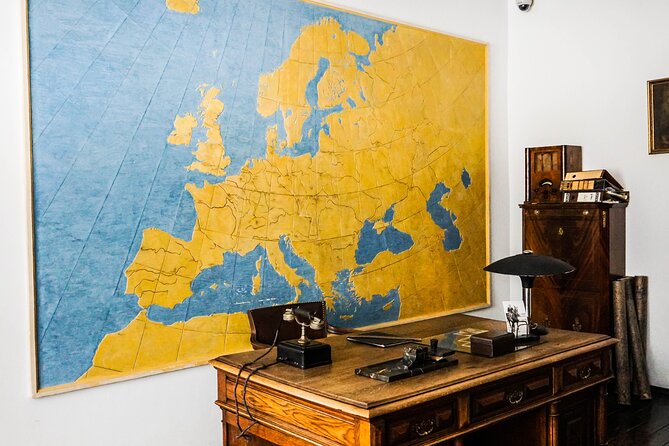
A lot of tours about Schindler focus too narrowly on his heroics. This one takes a more balanced approach. Yes, Oskar Schindler’s actions are central, but the exhibition repeatedly returns to the question of how life under occupation worked for everyone affected.
You’ll learn that Schindler employed Jewish workers. You’ll also hear how he used his influence and resources to protect people from deportation. That part is often the headline, and it matters. But the tour keeps reminding you that these actions were happening under extreme pressure, with systems that were designed to make protection nearly impossible.
The guide’s job here is huge. When the guide explains how small choices added up, the museum becomes easier to understand. It’s not just a list of events. You start to see how people survived in an environment shaped by coercion, uncertainty, and constant risk.
One strong feature: the tour doesn’t leave you with only one timeline about Schindler. It also emphasizes the endurance of Kraków residents, Jewish and non-Jewish alike. That broader framing makes Schindler’s story feel less like an isolated miracle and more like a thread in a much larger, darker pattern.
Guide experience and pacing: how to get the best 90 minutes
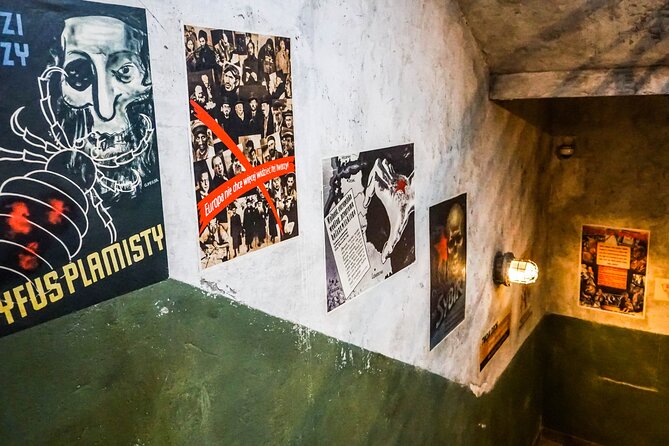
A guide can make or break a museum visit, and this tour is built around a professional, licensed guide. You’ll get one language per group, chosen at booking. The available languages include German, French, Spanish, Italian, and English.
Several guides have been highlighted for making the material feel alive. Names that come up include Ewa, Eva, Phil, and others. You don’t need to hunt for a specific guide, but you should know what to value: clear explanations, strong historical context, and a pacing style that helps you connect rooms.
Now for pacing. The visit is 90 minutes, and the museum can be crowded. Some people felt there was limited time inside individual rooms to read everything slowly or linger with artifacts. That can happen in a tight, staged layout.
Here’s how to protect your experience:
- Read key labels fast first, then go back later if you have time on your own (this tour is structured, so don’t expect a second lap)
- Let the guide lead on the first pass, especially through photos and reconstructed street scenes
- If you’re the kind of visitor who needs every word, consider pairing this with additional time for self-guided browsing later
Also note a practical detail that affects entry, not comfort: personalized tickets are issued, and full names for all participants are mandatory at booking. And based on visitor feedback, have your ID ready for the museum entry process. Don’t assume you can improvise.

Location and meeting point: don’t waste your start time
Meet your guide in front of the main entrance to Schindler’s Factory Museum, on the right-hand side. Your guide holds a Schindlers Factory Guided Tour sign. You’ll also want to arrive at least 10 minutes early.
That early arrival matters because once the group enters, late arrivals cannot be accommodated and tickets are not refundable. In practical terms, show up early enough that you’re relaxed when check-in starts, not rushing through the gate.
The museum’s layout includes narrow passageways. That means crowding inside can feel more intense than in larger, open museums. Arriving early helps you avoid that stress right at the beginning.
Price and value: is $49 worth it?
At about $49 per person for a 90-minute guided tour, the value comes from two things you’re paying for: a licensed guide and fast-track admission.
If you just bought a ticket and went solo, you could still learn a lot, but you would likely spend more time figuring out connections between rooms and less time understanding the bigger narrative the exhibition is trying to build. This tour’s structure pushes the story forward step by step, including context about daily life beyond Schindler’s biography.
Is it expensive? In Kraków terms, it’s not the cheapest history stop. But for what you get, it’s fair value if:
- You want someone to explain the historical setting in plain language
- You want the story organized for you, so you can make sense of artifacts and reconstructions quickly
- You’re short on time, and you want a high-impact visit rather than a long, self-paced wander
It may not be the best choice if your ideal museum experience is slow, silent, and label-by-label. In that case, you might enjoy spending extra time on your own at the museum after this tour, so you can read at your own tempo.
When to book during your Kraków schedule
If you’re doing other major WWII sites around Poland, timing affects what sticks in your head.
One piece of advice that fits the way this tour is designed: consider visiting early in your trip, before emotionally heavy stops like Auschwitz. The reason is simple. This tour gives a wider historical foundation about occupied Kraków, so later visits have more context when you see new evidence and locations.
Also think about how your day is built. This is a focused, emotional visit. You’ll probably want a calmer block of time afterward for walking and processing, not an immediate sprint across several other museums.
Who should book this tour, and who might skip it
I think this is a great fit for:
- You want a structured introduction to Nazi-occupied Kraków, not only the famous Schindler thread
- You appreciate artifacts and reconstructions, especially when explained by a guide
- You want to understand the endurance of Jewish and non-Jewish residents during the war years
- You like concise but meaningful tours, about 90 minutes
You might want to rethink booking if:
- You need lots of time to read every label and study every item at length
- You’re expecting to see factory production machinery from the original operation in the building today, because this is now a museum and production equipment is not part of what’s shown here
It’s also a good idea to bring your patience. The content is heavy. The museum design is tight. You’re guided, but you still have to allow your mind time to absorb what you’re seeing.
Should you book Schindler’s Factory Guided Tour?
Yes, book it if you want maximum clarity in minimum time. For around $49 and 90 minutes, you get fast-track entry, a licensed guide, and a storyline that connects Schindler’s actions to the wider survival story in Kraków during Nazi occupation.
I’d especially recommend it if you’re visiting for the first time and want to avoid ending up with a patchwork understanding. This tour is built to help you connect photographs, personal items, reconstructions, and the testimonies tied to those saved.
Just don’t show up late, don’t forget the ID and the full names needed for your tickets, and don’t expect slow browsing. If you can work with the pace, you’ll leave with a much deeper grasp of the era than a quick stop could provide.
FAQ
What language options are available for the tour?
The tour guide is available in German, French, Spanish, Italian, and English.
How long is Schindler’s Factory Guided Tour?
The tour duration is 90 minutes.
Where do I meet the guide?
Meet in front of the main entrance to Schindler’s Factory Museum, on the right-hand side, where the guide holds the Schindlers Factory Guided Tour sign.
Is admission fast-track included?
Yes. The tour includes fast-track admission to Schindler’s Factory.
What group size should I expect?
Group size is limited to 25 participants.
What should I know about timing and late arrivals?
Arrive at least 10 minutes before the tour start time. Late arrivals cannot be accommodated once the group has entered, and tickets are non-refundable.
Do I need ID and full names for tickets?
Personalized tickets are required, and providing full names of all participants at the time of booking is mandatory. Have ID ready for entry, since access rules are strict.
FAQ
Is there free cancellation?
Yes, free cancellation is available up to 24 hours in advance for a full refund.
Can I reserve and pay later?
Yes. You can book your spot and pay nothing today.
What does the museum layout feel like during the tour?
The exhibition has narrow passageways and an immersive layout designed to reflect the atmosphere of Kraków during World War II.
More Guided Tours in Oskar Schindler S Factory
More Tours in Oskar Schindler S Factory
More Tour Reviews in Oskar Schindler S Factory
Not for you? Here's more nearby things to do in Oskar Schindler S Factory we have reviewed
More Schindler's Factory & WWII Tours to consider.
 ★ 4.2Oskar Schindler’s Factory Entry Ticket & Guided TourFrom $353,793 reviews
 ★ 4.5Schindler’s Factory Tour with Entrance TicketFrom $493,182 reviews
 ★ 4.4Schindler’s Factory Skip-the-Line TicketFrom $253,105 reviews
★ 4.6Schindler’s Factory Tour with Entrance TicketFrom $401,737 reviews
★ 4.4Schindler’s Factory Skip-the-Line TicketFrom $253,105 reviews
★ 4.6Schindler’s Factory Tour with Entrance TicketFrom $401,737 reviews
 ★ 4.5Schindler’s Factory in Krakow: Guided Tour & Skip the Line TicketFrom $351,714 reviews
 ★ 4.7Schindler’s Factory & Ghetto Guided TourFrom $571,694 reviews
 ★ 4.3Schindler’s Factory Ticket with Guided Tour OptionFrom $421,485 reviews
 ★ 4.0Krakow Schindler’s Factory Guided Tour with Admission TicketFrom $351,156 reviews
Other ways to explore Krakow