
Review · SCHINDLER'S FACTORY & WWII TOURS
Schindler’s Factory Museum in Krakow – Guided Tour
History hits hard in Krakow. At Schindler’s Factory in Krakow, you do not just read about the war, you walk through a museum set in the former enamel factory and follow the story of Kraków under Nazi Occupation 1939 to 1945. It is one of the city’s most popular museum stops, and the guided format makes the experience flow.
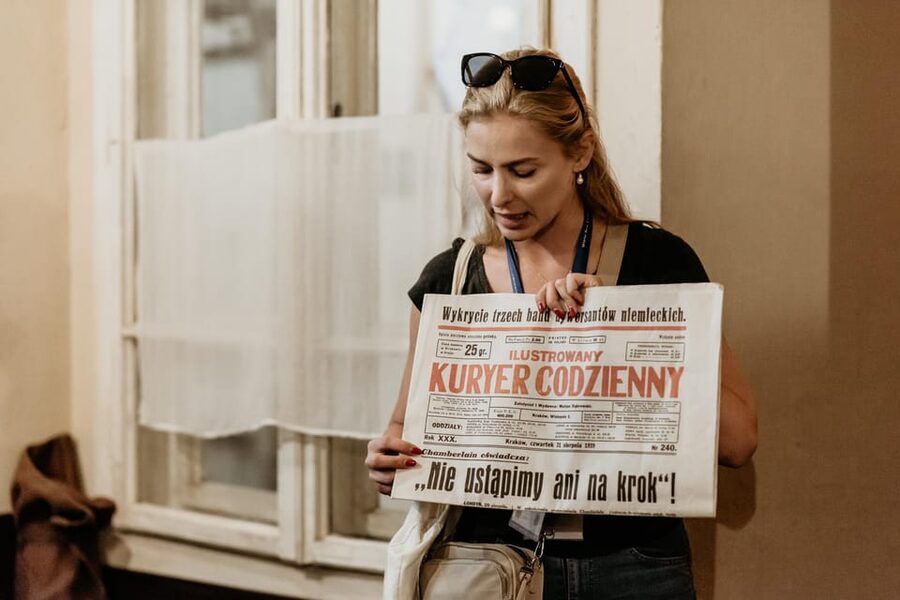
I like two practical things right away: the skip-the-line admission means you spend your time inside, and the tour uses a licensed expert guide to turn artifacts and photos into a clear narrative you can actually keep up with. The format works especially well in a museum where many rooms are narrow and dimly lit by design.
One drawback to plan for is the group tour pace. If you prefer to read slowly on your own, you might feel a bit pressured in rooms where lighting and layout are intentionally tense.
Key highlights worth clocking before you go
- Skip-the-line entry to Schindler’s Factory so you start sooner
- Licensed expert guide leading you through the factory and museum galleries
- Kraków under Nazi Occupation 1939 to 1945 focus, not just one man’s biography
- Headsets for groups of 15+, which helps when the museum gets crowded
- Refuge story of over a thousand Jewish workers tied directly to Schindler’s factory
- Multilanguage tour options (English, French, German, Spanish, Italian)
Schindler’s Enamel Factory, and why the setting matters
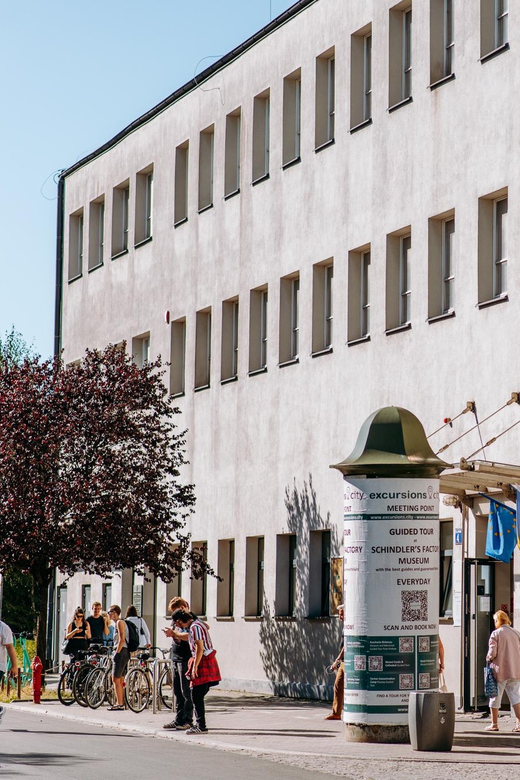
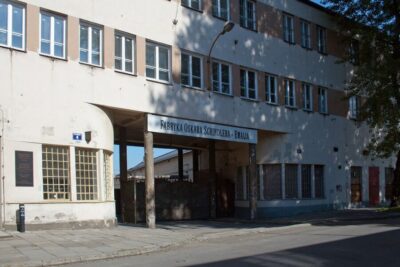
Schindler’s Factory is powerful because it is not a generic museum building. The museum sits inside Oskar Schindler’s former enamel factory, so the walls, layout, and atmosphere support the story you are hearing. You are basically walking through a space that already carries meaning, long before you get to the exhibits.
That matters for how the tour lands. You are not just learning dates and names. You are tracing how occupation changed daily life in Kraków, and how persecution, fear, and uncertainty shaped what people could say, do, and hope for. Even if you think you know the basics, the location keeps pulling you back to the lived reality.
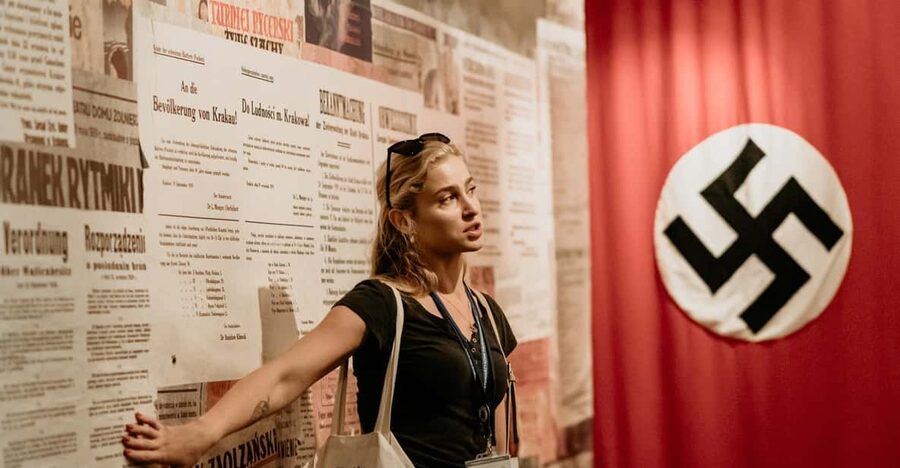
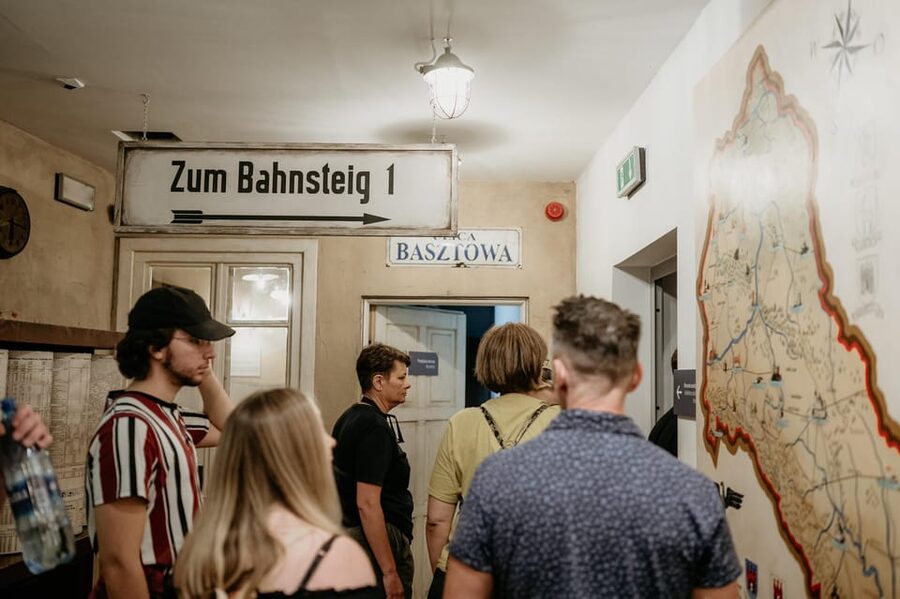
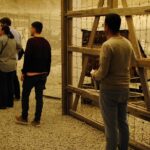
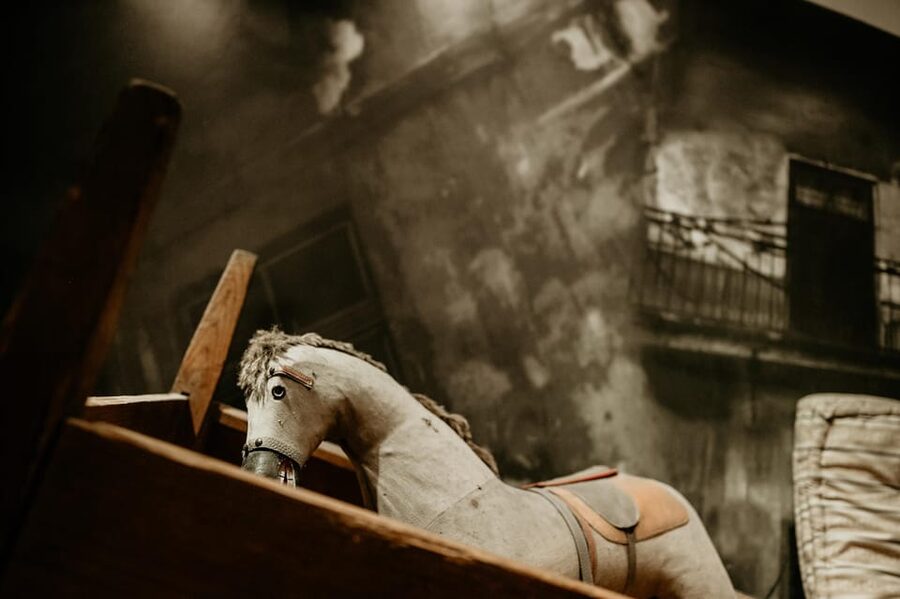
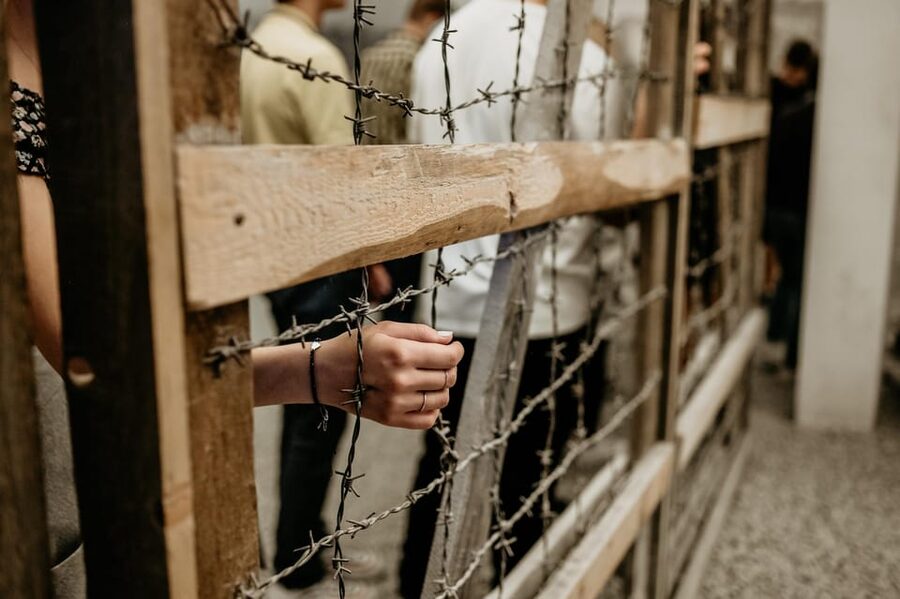
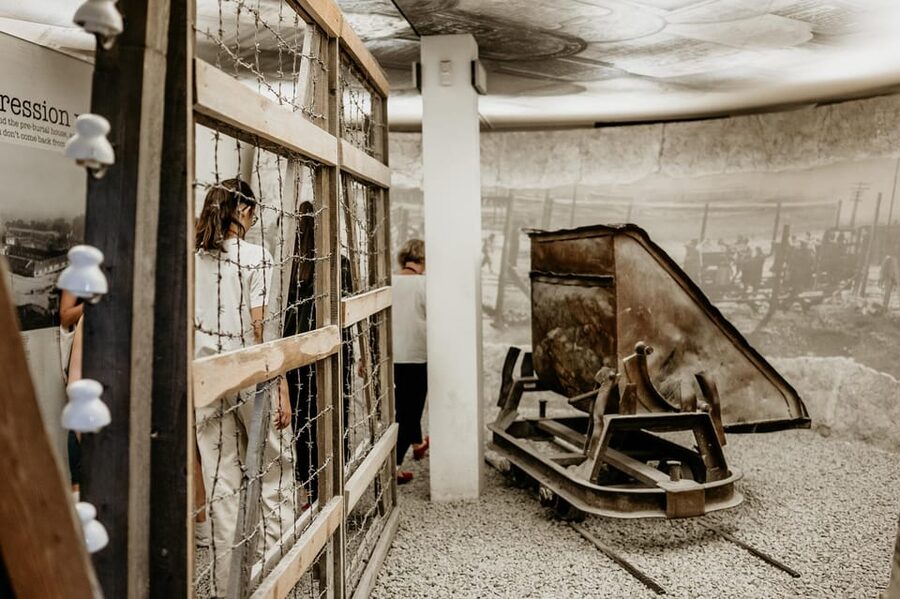
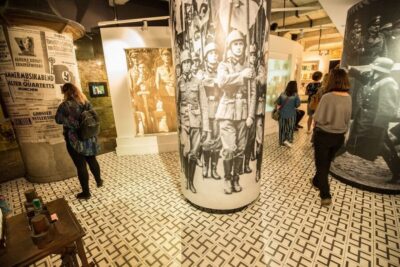
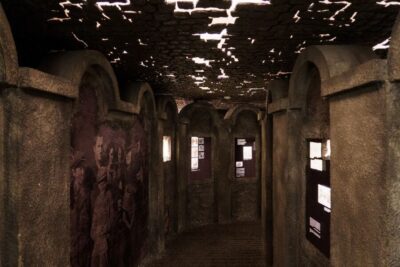
I also like that the museum does not frame history as distant. Rooms are intentionally narrow and dimly lit, which makes your body feel what it is like to move under pressure. It is uncomfortable on purpose, and it helps the story become more than information.
You can also read our reviews of more guided tours in Krakow
What your 90 minutes actually covers
This is a guided tour lasting 90 minutes, and the time structure helps you cover a lot without turning it into a checklist. You will follow the guide through the museum galleries while hearing the main storyline: what life looked like in Kraków during the Nazi occupation, and where Schindler’s factory fits into that wider system of persecution.
Here is how the experience usually feels as you move along:
You start with the museum’s central context, then you move through themed rooms that connect daily life to escalating danger. You will also spend time on how the city’s Jewish community was targeted and destroyed, not only as an abstract tragedy, but as a sequence of events that affected real people. In the middle of that, the guide brings in Schindler’s role, especially how his factory provided refuge to over a thousand Jewish workers.
One small but important practical point: the tour is designed for group listening. That means you will likely be guided from room to room without long solo detours. If you love reading every label for a full museum day, this is not that style. But for a focused introduction, it is a strong length.
Kraków under Nazi Occupation 1939 to 1945, made easier to follow
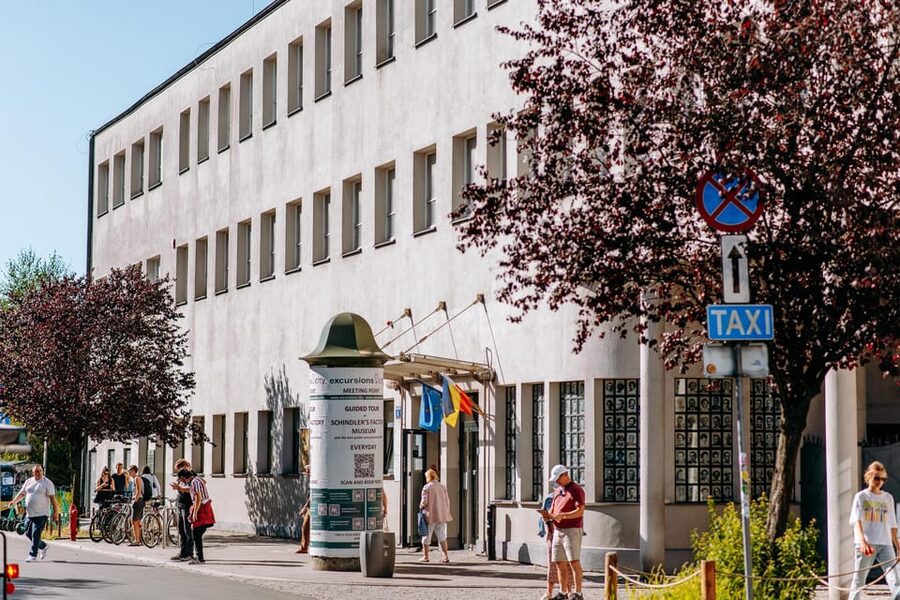
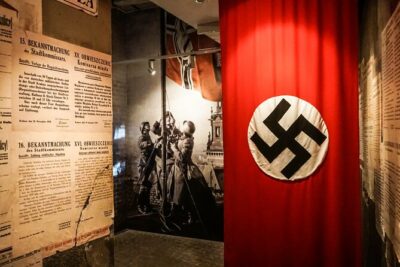
The museum’s big theme is the exhibition Kraków under Nazi Occupation 1939 to 1945. The value here is simple: it gives you the city-level picture. Instead of just hearing a personal story, you learn how occupation reshaped everything around it.
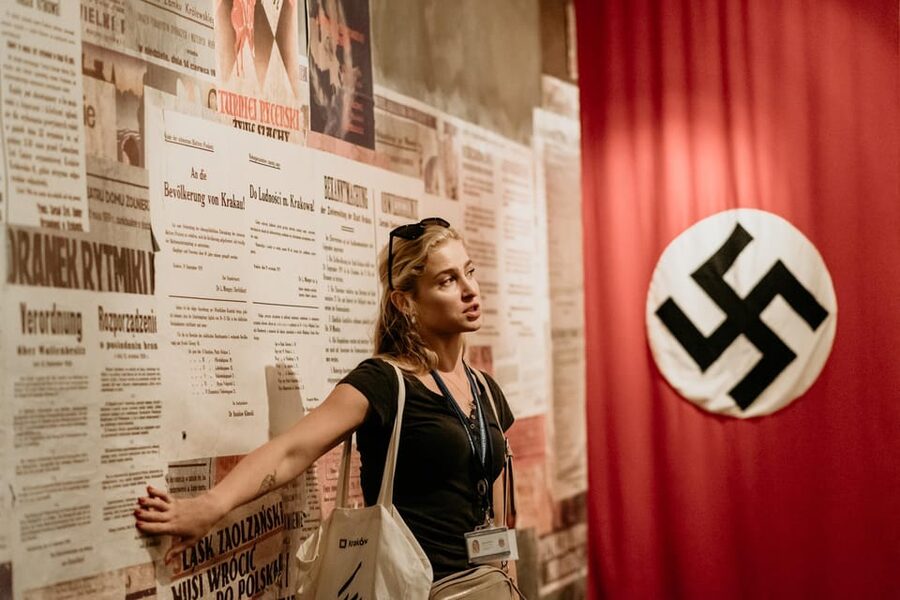
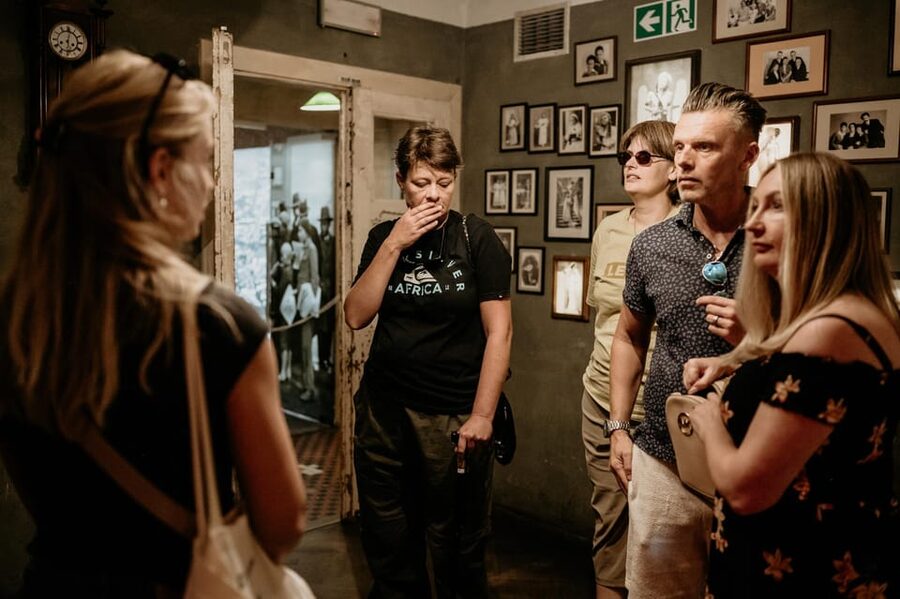
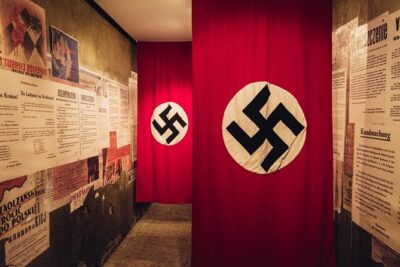
On the tour, you will encounter authentic artifacts and photographs that ground what you are being told. You may also see reconstructed or staged elements that help you understand conditions without needing to guess. The overall effect is a chronological walk through how war changed normal life, then how persecution accelerated.
If you are the type who gets lost in museums that jump between topics, this guided structure helps. The guide keeps the thread moving, and that matters because the setting can be emotionally heavy and visually busy.
A good mental tip for you before you go: treat it like a story with chapters. Let the guide set the timeline. Then use your own pace for short pauses when you need a breath. You do not have to force yourself to read everything at once.
Oskar Schindler’s story, plus the wider network around it
Oskar Schindler’s name is what draws most people in, and the tour does not ignore him. But it also puts his factory in context, so you can understand why his actions mattered inside a larger machine of violence.
What I find especially meaningful is that the museum connects Schindler’s choices to the experiences of both Jewish and non-Jewish residents of Kraków during the war. That breadth matters. It prevents the story from becoming a single heroic narrative floating above the reality of everyday life.
You will hear that Schindler’s factory provided refuge to more than a thousand Jewish workers. That fact is not just a number to memorize. It helps you measure scale and makes the rest of the story feel more concrete. You start thinking about logistics, risk, and what it would take to protect people under occupation.
One consideration: this is not a light topic. Even if you came hoping for a quick history stop, you will leave with a heavier understanding of how persecution worked day by day.
Price and skip-the-line value, is it worth $50?
At $50 per person, you are paying for three things: a licensed guide, skip-the-line admission, and a guided structure that helps you process the exhibits without wandering for hours.
For many visitors, the skip-the-line piece is the biggest practical win. Schindler’s Factory is a top attraction in Kraków, so arriving and finding a way to join the queue can eat into your day. When you pay for skip-the-line, you trade money for time and stress reduction.
There is also a hidden value: the guide helps you connect artifacts, photographs, and room setups into one coherent story. Without a guide, you might still learn, but you could easily miss the museum’s intended pacing and emphasis.
That said, be alert to one money-related issue you should plan around. One guest described having to pay for admission again on site. I cannot confirm the cause from the tour details alone, but it is a good reminder: before you leave, double-check your confirmation and make sure you have what you need for entry. If anything looks unclear, ask staff at check-in rather than waiting until you are already inside the stress of the queue situation.
Bottom line: if you want a guided, structured visit and you care about saving time, this price can feel fair. If you are the do-it-yourself type who reads everything at their own speed, you may feel the cost is less justified.
You can also read our reviews of more museum experiences in Krakow


Meeting point, timing that can shift, and how to find your group
You meet in front of the museum entrance at Oskar Schindler’s Enamel Factory. Look for the person holding a sign with excursions.city. This is one of those tours where arriving on time helps, because you do not want to spend your first minutes searching for the group.
Duration is listed as 90 minutes, and starting times are described as approximate. The tour provider notes that museum scheduling can affect exact timing. So if you have tight plans right after, build in buffer time. Kraków days can run on foot, and a museum block that shifts by 10 to 20 minutes can ripple into the rest of your itinerary.
Also note this key entry requirement that starts January 1, 2026. You need to provide full names of all participants when reserving, and you should bring a passport or ID for entry. Without that, entry may be denied. If you are traveling with friends who hate paperwork, this is your reminder to align details now, not later.
Languages and group reality inside dim, narrow rooms
The tour offers live guiding in English, French, German, Spanish, and Italian. That matters because the museum is so atmosphere-driven that listening comprehension really affects your ability to absorb the story. If you have even a mild preference for one language, it is worth choosing it up front.
You will also get headsets for groups of 15+ participants. That is useful because the rooms can be dim and your guide might be moving from spot to spot. When you can hear clearly, the experience becomes less frustrating and more focused.
Group format is the big wildcard. One reason people enjoy this tour is that the guide can keep the group together and move the story along. Another reason some people find it less ideal is that group pacing can feel quick, especially if you want to stop and read every label. I would go in with a realistic mindset: you are getting a curated guided interpretation, not a self-paced museum marathon.
Comfort tip for you: wear shoes that handle lots of walking and standing. Even though the tour is only 90 minutes, museums can turn into a lot of movement. Also, bring a way to cope emotionally, like deciding you will take short breaks when needed. This is history with real weight.
Should you book this guided tour?
Book it if you want:
- a time-efficient introduction to Schindler’s Factory
- a guide who can connect Kraków under Nazi Occupation 1939 to 1945 into one narrative
- a plan that saves time with skip-the-line entry
- strong listening support if you might be in a larger group, since headsets are available for groups of 15+
Consider skipping or switching to a different approach if:
- you want to read at your own pace for a long time
- you are sensitive to the emotional intensity of Nazi occupation topics
- you are traveling with schedules so tight that even small timing shifts would ruin your day
My practical call: if this museum is on your Kraków must-do list and you want maximum value for the time you have, this is a smart way to do it. The guided structure helps you understand what you are looking at, and the setting does the rest.
FAQ
How long is the Schindler’s Factory guided tour?
The guided tour is about 90 minutes.
Is admission included, and do you skip the ticket line?
Yes. The tour includes skip-the-line admission to Schindler’s Factory.
Where do I meet for the tour?
Meet in front of the museum entrance at Oskar Schindler’s Enamel Factory. Look for the person with the excursions.city sign.
What languages are available for the live guide?
The tour offers live guidance in French, German, Spanish, English, and Italian.
Do I need to bring ID to enter?
Yes. From January 1, 2026, you must provide full names when reserving and bring a passport or ID for entry to Schindler’s Factory Museum, otherwise entry may be denied.
Is it wheelchair accessible?
Yes, the tour is wheelchair accessible.
More Guided Tours in Krakow
More Tours in Krakow
More Tour Reviews in Krakow

Not for you? Here's more nearby things to do in Krakow we have reviewed









More Schindler's Factory & WWII Tours to consider.
 ★ 4.2Oskar Schindler’s Factory Entry Ticket & Guided TourFrom $353,793 reviews
 ★ 4.5Schindler’s Factory Tour with Entrance TicketFrom $493,182 reviews
 ★ 4.4Schindler’s Factory Skip-the-Line TicketFrom $253,105 reviews
★ 4.6Schindler’s Factory Tour with Entrance TicketFrom $401,737 reviews
★ 4.4Schindler’s Factory Skip-the-Line TicketFrom $253,105 reviews
★ 4.6Schindler’s Factory Tour with Entrance TicketFrom $401,737 reviews
 ★ 4.5Schindler’s Factory in Krakow: Guided Tour & Skip the Line TicketFrom $351,714 reviews
 ★ 4.7Schindler’s Factory & Ghetto Guided TourFrom $571,694 reviews
 ★ 4.3Schindler’s Factory Ticket with Guided Tour OptionFrom $421,485 reviews
 ★ 4.0Krakow Schindler’s Factory Guided Tour with Admission TicketFrom $351,156 reviews
Other ways to explore Krakow