
Review · SCHINDLER'S FACTORY & WWII TOURS
Schindler’s Factory Museum
Life here turns heavy fast. This tour uses Krakow’s occupied streets to explain the Nazi factory world, step by step. You also get a direct connection to the famous Schindler’s List setting, brought to life by a Polish guide.
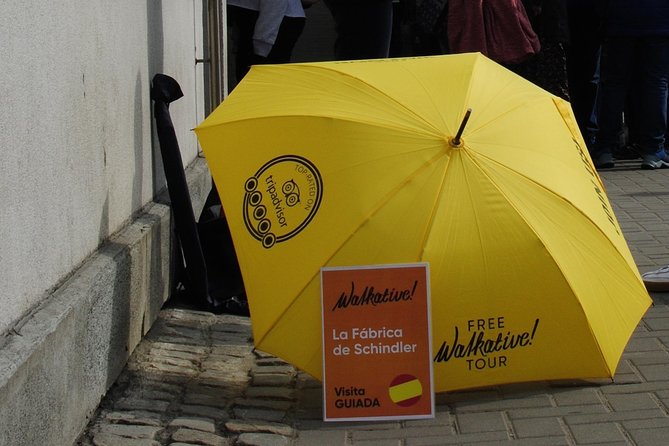
Two things I really like: the skip-the-line setup is practical (you look for your guide with the yellow umbrella), and the group stays small, up to 15 travelers. That matters in a museum where the experience is more about reading and absorbing than racing ahead.
One drawback to consider is that you should expect crowding inside and a lot of information on the walls. If you only want a quick taste of Schindler, you may find the focus spreads wider than you expect.
Key things to know before you go
- A guided timeline, not just rooms, so the story follows an order as you walk through.
- Yellow umbrella meeting, built to help you avoid the queue.
- Small group size (max 15), which helps the guide keep things moving.
- It’s about occupied Krakow, not only Oskar Schindler.
- A strong WWII focus, including how Nazi control reshaped everyday life for Jewish and non-Jewish citizens.
Why Schindler’s Factory Museum hits harder than a typical museum
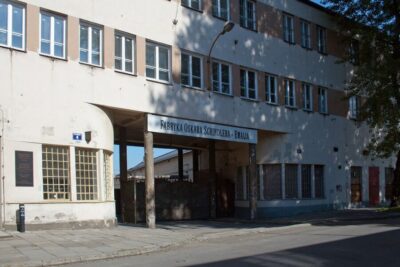
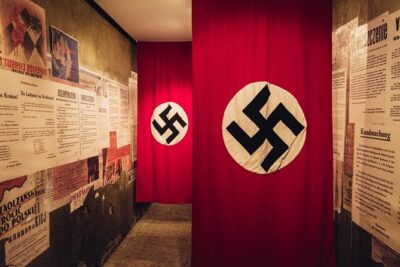
Schindler’s Factory Museum is one of those places where the building and the exhibits work together. The setting is a real factory site tied to the Nazi occupation, and the exhibition uses that context to tell you what life was like when nothing felt safe.
The best part is the approach: you are not thrown random artifacts and dates. Instead, you follow a story of an occupied city, told by a Polish guide, with the moral math of WWII always in the background. It can feel emotional because it is grounded in ordinary people, not only in big-name history.
Also, if you have seen Schindler’s List, you will recognize the weight of the story as you move through the museum spaces. Even if you think you know the basics, the occupation of Krakow can still feel personal, because the exhibition keeps circling back to what people had to do to survive.
You can also read our reviews of more museum experiences in Krakow

Getting there and meeting your guide at Lipowa 4F
This experience starts at Lipowa 4F, Kraków, and it ends back at the same meeting point. That “round trip to one place” format is convenient because you can plan your day around it without juggling multiple stops.
It runs about 1 hour 30 minutes. That time is long enough for a guided narrative, but short enough that you should treat it as the core museum moment of your day rather than something to squeeze in between major landmarks.
Your tour includes a professional local guide in Spanish, and the meeting tip is clear: avoid the queue, look for the guide with the yellow umbrella. In practice, this can save you the stress of figuring out where to stand when lines form.
One more practical note: the tour is described as near public transportation. So even if you are staying farther from the old town, you should be able to reach the meeting point without turning it into a long trek.
How the factory timeline works inside the museum
The visit is built around one main “stop,” the guided walk through the exhibition’s storyline. The museum experience is framed around the idea that even under occupation, people still tried to make impossible choices. The title of the experience reflects that tension: when nothing is certain, everything is possible, and survival can depend on decisions made under pressure.
As you move through the exhibit, you follow a timeline approach. That matters because WWII history can feel like a flood of names and dates. A guided order helps you connect cause and effect: occupation policies, daily restrictions, and the narrowing options people had.
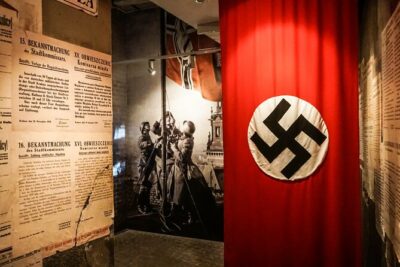
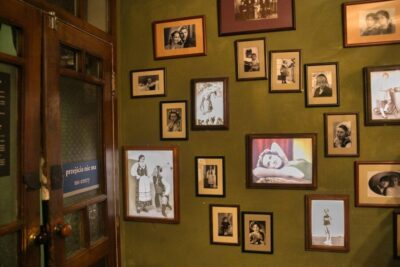
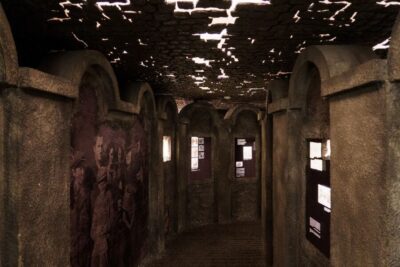
You’ll also see a lot of wartime material that explains the occupation system: the exhibition uses objects and recreated contexts to show how control worked in everyday life. Expect personal items and visual material that makes the era feel concrete, not abstract.
What you should expect the exhibition to focus on
Here’s the honest pitch: this is not only an Oskar Schindler museum. It is an occupied Krakow museum, anchored in the factory connection where Schindler’s efforts mattered.
The overview highlights that the factory shown was owned by the Nazi party and that it saved more than 1,000 Jews. That is the core “Schindler connection” you are promised. But the exhibition route and the guide storytelling tend to cover the broader occupation story too, including how Jewish and non-Jewish citizens lived through the invasion and Nazi control.
In a few pieces of feedback, people noted that you get more Krakow and occupation context than a deep dive into Schindler himself. If your main goal is to leave with a full understanding of Schindler the person, you may want to pair this visit with some extra reading after, because the museum narrative prioritizes the lived environment of the time.
That said, I like this emphasis because it keeps you from turning the story into a single heroic myth. You see the pressure system around people, which makes any acts of rescue feel both more complex and more believable.
What the guided experience adds (and what it might not)
A good guide changes how you read a museum. Instead of scanning labels, you start connecting them. In the feedback I saw, guides such as Damian and Lucy were singled out for how they brought the history to life with specific anecdotes and wider context.
The tour also aims to help you understand the period beyond the final chapter. Some people described the visit as far more than just Schindler, and that lines up with what this experience is designed to do. You may hear about Krakow and Poland before WWII, during the occupation, and after the war, since the guide story can stretch beyond the exact factory rooms.
Where it can feel imperfect is timing. Because the tour is about 1.5 hours, the guide has to make choices about what gets the most airtime. If your group is more interested in one character or one theme, you might feel the balance shifts.
Also, because the exhibition contains a lot to read, the experience depends on your comfort with museums that require attention. If you want a quick look and photos only, this may feel like too much text per square meter.


Crowd reality: how to enjoy it anyway
The museum can get busy. That’s not a dealbreaker, but you should plan your expectations around it. The exhibition is designed to lead you through a path, and crowding can slow how smoothly people follow the flow.
A few practical ways to make it easier:
- Treat your 1 hour 30 minutes as the time you will focus on the guided story, then add any optional self-guided time afterward only if you are comfortable staying longer.
- Bring a calm mindset. If you get annoyed by people trying to read everything at once, your experience will feel worse than it needs to.
If you are sensitive to busy interiors, go in with the goal of listening to the guide and catching the meaning, not collecting every detail. The museum works best when you let the story land in your head, then you take a breath and look again.
Is the price fair for what you’re getting?
At $36, this is not a bargain ticket, but it also isn’t overpriced for what’s included. You’re paying for three things: museum entry, a local professional guide (Spanish), and a skip-the-queue benefit with the yellow umbrella meeting point.
Compare that to the alternative of doing it fully on your own. If you are the kind of traveler who benefits from narration and historical context, the guide can turn the museum from a wall of text into an understandable story. And that is the biggest value driver here.
The group size cap of 15 travelers also supports the price. Smaller groups generally mean the guide can steer the flow better and you spend less time waiting around.
In short, I think it’s good value if you want the museum experience organized and explained. If you would rather read everything at your own pace, you might find the guide useful but not necessary. Your call comes down to how you learn best.
Who this tour is best for
This is a strong fit if you want WWII history that focuses on real human consequences, specifically in Krakow. The fact that it is described as an emotional journey through the lives of citizens during the occupation is not marketing fluff, it’s the core idea.
It is recommended for youth from 14 years, which tells you the material is serious and not just for casual sightseeing. Adults will appreciate it too, especially if you like history that includes daily life, not just battle maps.
If your priority is only Oskar Schindler as a character, you might prefer a tour or reading focused more tightly on him. But if your priority is understanding the occupation environment where his choices mattered, you’ll likely find this visit more satisfying.
Should you book this Schindler’s Factory Museum tour?
Yes, I think you should book it if you want a guided story that makes the Nazi occupation of Krakow understandable and human. The skip-the-line element, the small group size, and the guide-led timeline are exactly the combination that helps most people get real value from a museum like this.
Book it with the right expectations. Plan for a museum that requires attention, where the story spreads across the occupation context. If you go in expecting only a quick Schindler spotlight, you may feel like you wanted more of him personally.
If you want your Krakow day to include more meaning than postcards, this is one of the most direct ways to get it, inside the real-world factory setting connected to the story.
FAQ
Where does the tour start and end?
The tour starts at Lipowa 4F, 30-702 Kraków, Poland, and ends back at the same meeting point.
How long is the Schindler’s Factory Museum tour?
It runs about 1 hour 30 minutes.
What is included in the price?
The price includes entrance to the Schindler’s Factory Museum, VAT, and a professional local guide in Spanish. It also includes help to avoid the queue.
Is transportation included?
No. Hotel pickup and transportation to attractions are not included.
How big is the group?
The tour has a maximum of 15 travelers.
What language is the guide?
The included tour guide is a professional local guide in Spanish.
Is there a recommended age?
The exhibition admission is recommended for youth from 14 years.
What if I need to cancel?
Free cancellation is available. You can cancel up to 24 hours in advance for a full refund, and cancellations made less than 24 hours before the start time are not refunded.
How do I find the guide to avoid the queue?
Look for the guide with the yellow umbrella at the meeting point area.
More Museum Experiences in Krakow


More Tour Reviews in Krakow
Not for you? Here's more nearby things to do in Krakow we have reviewed









More Schindler's Factory & WWII Tours to consider.
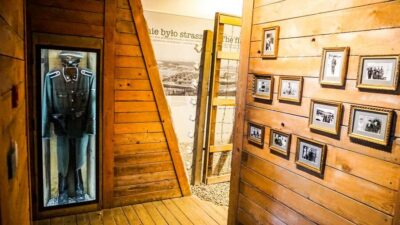 ★ 4.2Oskar Schindler’s Factory Entry Ticket & Guided TourFrom $353,793 reviews
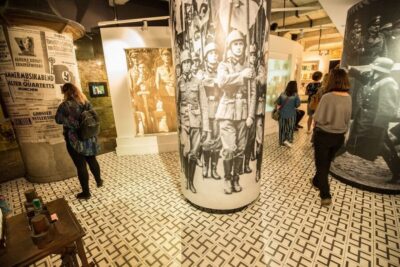 ★ 4.5Schindler’s Factory Tour with Entrance TicketFrom $493,182 reviews
 ★ 4.4Schindler’s Factory Skip-the-Line TicketFrom $253,105 reviews
★ 4.6Schindler’s Factory Tour with Entrance TicketFrom $401,737 reviews
★ 4.4Schindler’s Factory Skip-the-Line TicketFrom $253,105 reviews
★ 4.6Schindler’s Factory Tour with Entrance TicketFrom $401,737 reviews
 ★ 4.5Schindler’s Factory in Krakow: Guided Tour & Skip the Line TicketFrom $351,714 reviews
 ★ 4.7Schindler’s Factory & Ghetto Guided TourFrom $571,694 reviews
 ★ 4.3Schindler’s Factory Ticket with Guided Tour OptionFrom $421,485 reviews
 ★ 4.0Krakow Schindler’s Factory Guided Tour with Admission TicketFrom $351,156 reviews
Other ways to explore Krakow