
Review · KAZIMIERZ & JEWISH HERITAGE TOURS
Cracow – Guided Tour of the Jewish Ghetto
The streets carry heavy meaning. This 1 hour guided walk through Krakow’s Podgórze shows what the ghetto life looked like and where the deportation story hits closest to the ground. I especially like that you do not just stare at landmarks, your guide connects the locations to names, choices, and consequences. The stop at the Under the Eagle pharmacy also gives you a human survival thread to hold onto.
Two things I really like: you get a professional guide telling the Jewish history of Krakow in a clear way, and you see real physical remnants, like pieces of the ghetto wall, not just textbook summaries. One drawback to consider is the duration: 1 hour can feel short, so treat it like a focused introduction, not a full replacement for longer Krakow Jewish history tours.
Key takeaways before you go
- Podgórze first, then the key memorial spots: the route keeps you oriented in the neighborhood that mattered.
- Plac Bohaterów Getta is the emotional center, tied directly to how residents were identified and deported.
- Wall fragments are treated as a living monument, with pilgrimage meaning for many Jewish visitors.
- Under the Eagle pharmacy lands the tour with a resilience-focused ending.
- Multi-language guides are available, including English, German, French, Spanish, and Italian.
- No food included, so plan around the 1 hour with water or a snack elsewhere.
Why a 1-Hour Jewish Ghetto Walk in Krakow Matters
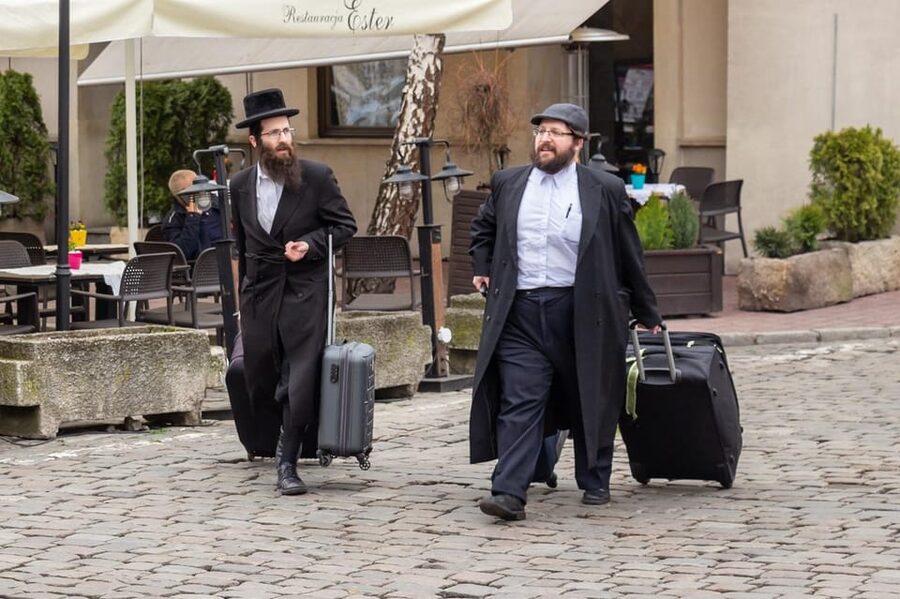
If you only have a short window in Krakow, this tour is built for maximum impact in minimum time. You spend the hour inside Podgórze, the district tied to the WWII Jewish ghetto, where the story is still visible in streets, buildings, and memorial space.
I like the focus. Instead of bouncing across the whole city, you stay with one place long enough to understand what you are looking at. And because your guide is there, you get context for why specific corners, squares, and walls matter.
Just go in with realistic expectations: 1 hour is enough to get the main geography and the main story beats, but it is not enough to absorb everything. Think of it as your “start here” tour, then build from it if you want.
You can also read our reviews of more guided tours in Krakow
Podgórze Streets: Reading the WWII Ghetto Layout on Foot
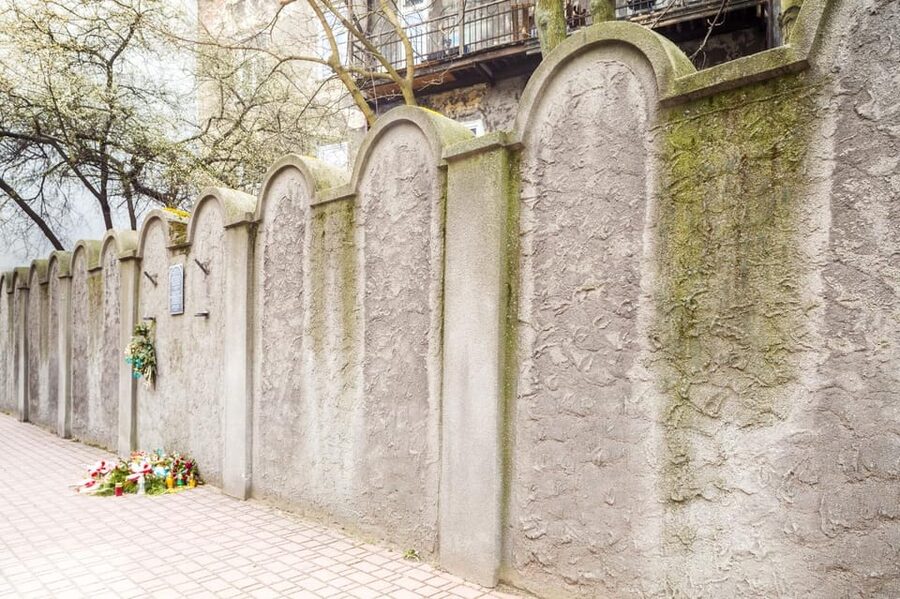
Your walk starts in Podgórze, the neighborhood that served as the WWII Jewish ghetto site. Even if the buildings look ordinary today, your guide frames them as places where thousands of displaced Jews lived under brutal, cramped conditions.
That framing changes what you notice. You begin to look at the street pattern, the density of the built environment, and the way neighborhoods like this can be reshaped by forced confinement. It is not just a history lesson. It is practical wayfinding for understanding how a ghetto functioned in real life.
You will also walk past buildings tied to that displaced population. The point is not to stare. The point is to recognize that these walls and facades were part of someone’s daily reality, not a background detail.
A small practical tip: wear comfortable shoes. You are on foot in a serious setting, so you want your attention on the story, not on sore feet.
Plac Bohaterów Getta: Where Names Were Marked and Deportations Began
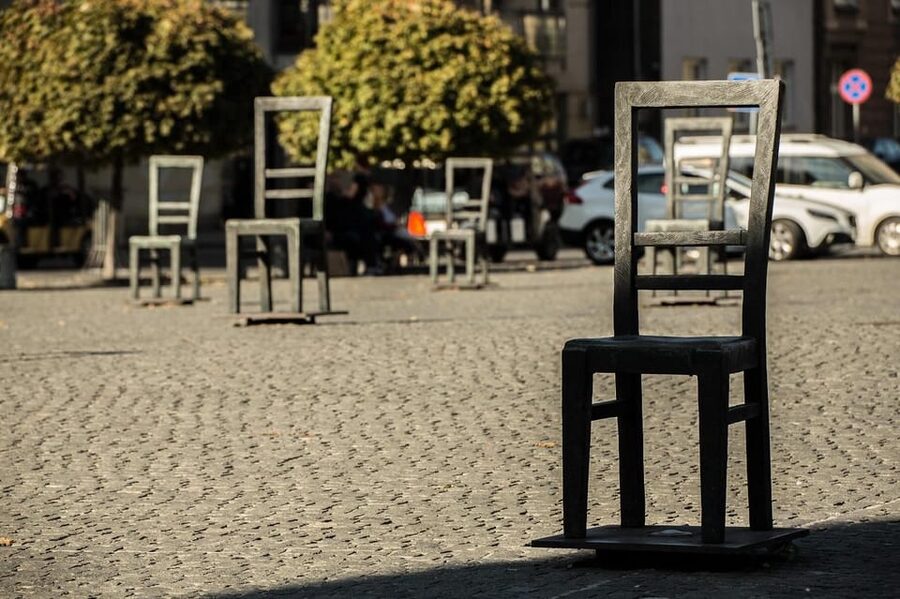
A major highlight is Plac Bohaterów Getta, Ghetto Heroes’ Square. This is where Jewish residents of Krakow were identified and deported to concentration camps. That is the core event your guide connects to the space, and it is why this stop feels like the tour’s emotional anchor.
What makes this square especially powerful is that it is both a memorial and a geographic reference point. Once you learn what happened here, other parts of Podgórze start to make more sense. The neighborhood stops being a map and becomes a sequence: where people were gathered, where they were processed, and how the system moved them onward.
Keep your head up in this segment. It is easy to rush through a plaza, take a photo, and move on. Try slowing down instead. If you have questions, this is a good time to ask your guide, because the story is direct and grounded in a specific location.
The Ghetto Wall Remnants: A Monument You Can See Up Close
One of the most concrete visuals on the tour is the remaining pieces of the wall that once surrounded the Jewish ghetto. You will see a fragment of that original wall, now preserved as a revered monument.
I like that this stop does not turn into a vague “symbol” moment. You can actually look at the wall pieces and let them do their job. They make the confinement real in a way that a photograph cannot. And your guide explains how this fragment is treated as a pilgrimage site for many Jewish visitors from around the world.
In practical terms, this means you should stand where you can see both the wall fragment and the surrounding context. If you move constantly, you miss how the wall’s presence shaped sightlines and movement. Take a moment, look, then listen.
This is one of the stops where respectful silence often feels natural. If your group is chatty, it might help to consciously lower the volume. You are walking through a memorial space that deserves a calmer tone.
Buildings Where Thousands Lived: Why the Guide’s Tone Matters
The tour’s most important ingredient is the way your guide handles the material. The goal is not only information, it is clarity plus compassion, because the subject is heavy.
You are learning the Jewish history of Krakow through the lens of what happened in the ghetto. Your guide helps you connect what you see on the street to what people endured: forced displacement, overcrowding, and the constant threat of deportation.
This is also where guide quality can strongly affect your experience. In one real-world case, a main guide reportedly spoke very briefly at the houses, and another person named Fabio from Foggia added more detail in a short burst at Ghetto Heroes’ Square. That highlights something practical for you: if your guide’s explanations feel too short, ask a follow-up question right away. Even one good question can unlock a lot.
If you are traveling with kids or teens, this is also the part where you can decide how much context you want. The best approach is honest, age-appropriate listening, and then making sure the group keeps moving at a respectful pace.

Under the Eagle Pharmacy: A Survival Ending, Not Just a Stop
The tour concludes at Under the Eagle pharmacy, one of Krakow’s famous historic locations. It is included for a reason: it represents resilience and survival amid the turmoil of war.
Ending here changes the emotional texture of the walk. You are still in the same story arc, but you leave with a place that symbolizes staying power. That can make the whole tour easier to process, especially if you have other Krakow sights planned later the same day.
Practically, arrive ready to stand and listen for a few minutes at the end. Even when you think you know the story by then, this last stop gives you a different lens, and it is worth giving it full attention rather than rushing out for your next appointment.
Price, Pace, and Getting Value From the $15 Ticket
At $15 per person for a 1 hour guided tour, the value is all about what you get for the money: a professional guide and a concentrated route through Podgórze’s most important ghetto-linked sites.
This is not a “pay for a bus ride” kind of deal. You are paying for interpretation, and the places you cover are not generic. You are walking past ghetto-linked buildings, seeing wall remnants, visiting Plac Bohaterów Getta, and finishing at Under the Eagle pharmacy. For many people, that combination is exactly what fits into a tight Krakow schedule.
The pace is the tradeoff. If you like to read plaques slowly and linger, you might feel rushed. In that case, plan one of these:
- Add extra time in Podgórze on your own later the same day.
- Pair this tour with a longer Jewish history tour on a different day.
- Choose this tour early in your trip so you have time to circle back.
Also, note that food and drink are not included. Since the tour is short, you can keep it simple. Bring water if you tend to get thirsty quickly, and eat before or after.
Who This Tour Fits Best
This guided ghetto walk is a strong match if:
- You want a focused orientation to Podgórze and the WWII ghetto geography.
- You prefer walking tours with a guide who explains what you are seeing.
- You have limited time and need an introduction that hits the key memorial locations.
It might be less ideal if you are looking for a long, detailed lecture style tour. The format is short, and the best experience comes from treating it as a starting point.
Language-wise, you are covered if your group needs English, German, French, Spanish, or Italian. That matters because you want your guide’s tone and details to land, not just the basics.
Should You Book This Krakow Jewish Ghetto Tour?
I think it is worth booking if you want a concentrated, on-the-ground introduction to Krakow’s Jewish ghetto story in Podgórze. The standout value is the combination of physical sites you can see and a professional guide who provides context, plus an ending at Under the Eagle pharmacy that gives the tour a resilience-focused finish.
Book it if you can handle a serious subject and you respect memorial spaces. If you only have one hour to dedicate, this is a smart use of it. If you crave lots of time in each spot, consider booking this plus one longer follow-up elsewhere, so you can slow down when you feel ready.
Quick FAQ
FAQ
How long is the Krakow guided tour of the Jewish Ghetto?
It lasts 1 hour.
How much does the tour cost?
The price is $15 per person.
Where do we meet for the tour?
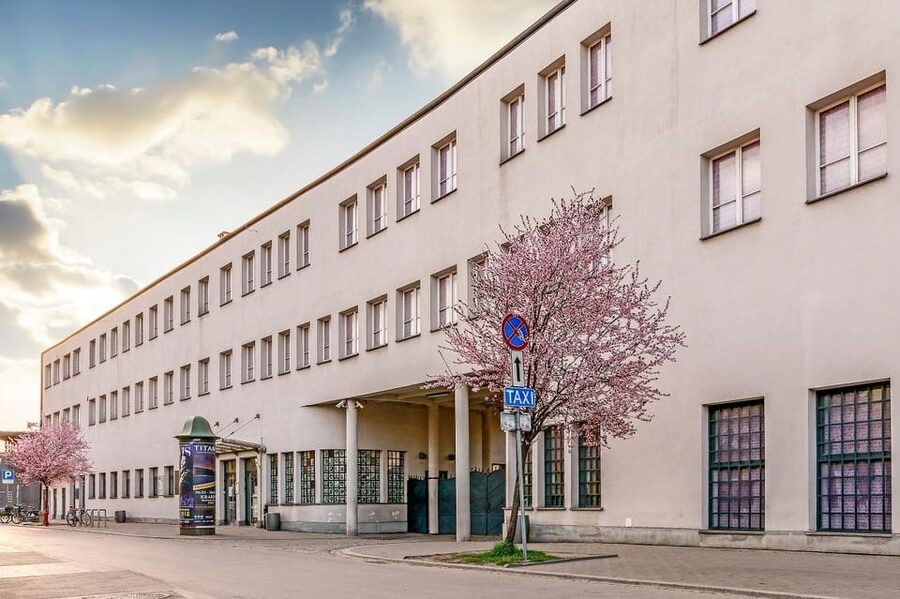
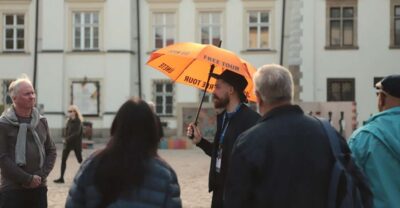
Meet at the entrance to the Schindler Factory Museum and look for a guide with an excursions.city sign.
What is included in the price?
A professional guide is included.
Is food and drink included?
No, food and drink are not included.
What languages are available?
The live tour guide is offered in English, German, French, Spanish, and Italian.
What are the main sights on the route?
You will walk through Podgórze, see Plac Bohaterów Getta (Ghetto Heroes’ Square), view remaining pieces of the ghetto wall, and visit Under the Eagle pharmacy.
Is there free cancellation?
Yes, you can cancel up to 24 hours in advance for a full refund.
Can I reserve without paying right away?
Yes, you can reserve now and pay later.
Would you like me to also suggest a simple 1 to 2 day Krakow plan that pairs this tour with nearby sights, so you are not repeating the same themes twice?
More Guided Tours in Krakow
More Tours in Krakow
More Tour Reviews in Krakow
Not for you? Here's more nearby things to do in Krakow we have reviewed







More Kazimierz & Jewish Heritage Tours to consider.
 ★ 4.7Schindler’s Factory & Ghetto Guided TourFrom $571,694 reviews
 ★ 4.9Jewish Quarter and Former Ghetto TourFrom $191,441 reviews
 ★ 4.9Bike Tour of Old Town, Jewish Quarter and the GhettoFrom $371,155 reviews
 ★ 4.8Kazimierz Jewish Quarter Walking TourFrom $27571 reviews
 ★ 4.8Kazimierz, Schindler’s Factory & Ghetto Guided TourFrom $81460 reviews
 ★ 5.0Full Bike Tour – the Old Town, Jewish Qtr & the Ghetto NEW BIKESFrom $35437 reviews
 ★ 4.9Bike Tour of the Old Town, Kazimierz, and the GhettoFrom $26350 reviews
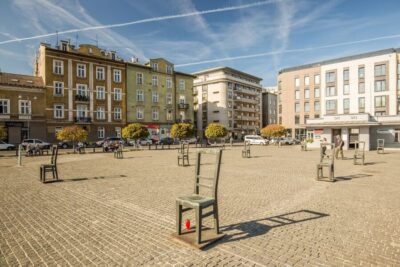 ★ 4.6Jewish Ghetto Walking TourFrom $11349 reviews
Other ways to explore Krakow