
Review · KAZIMIERZ & JEWISH HERITAGE TOURS
Krakow: Kazimierz by Golf Cart and Schindler’s Factory Tour
Krakow’s past has sharp edges. This Kazimierz by golf cart plus Schindler’s Factory combo mixes an easy ride through historic streets with a licensed museum guide who puts Nazi-occupied life into context. You get English audio on the cart and then an actual live guide for the most important stop, Schindler’s Enamel Factory Museum.
I like that the route is designed for both orientation and meaning. You start in Kazimierz, then cross to Podgórze and see physical traces from the ghetto era, before shifting into the exhibition Kraków under Nazi Occupation 1939-1945. One consideration: the museum part can move at a steady pace, so you might not have tons of time to read every plaque slowly.
Key things you should know before you go
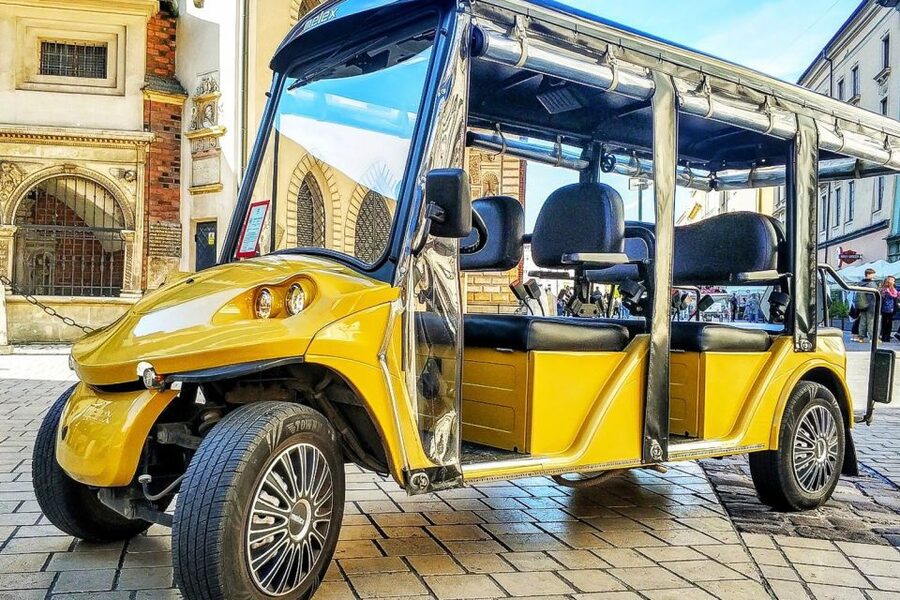
- Heated, eco-friendly golf cart with English audio, so you can cover real ground without tiring out
- Kazimierz and Podgórze in one loop, including the Jewish Quarter and the former ghetto area
- Specific wartime stops, like a remaining fragment of ghetto wall and Ghetto Heroes Square chair memorial
- Fast-track access to Schindler’s Factory, plus a licensed English guide inside the museum
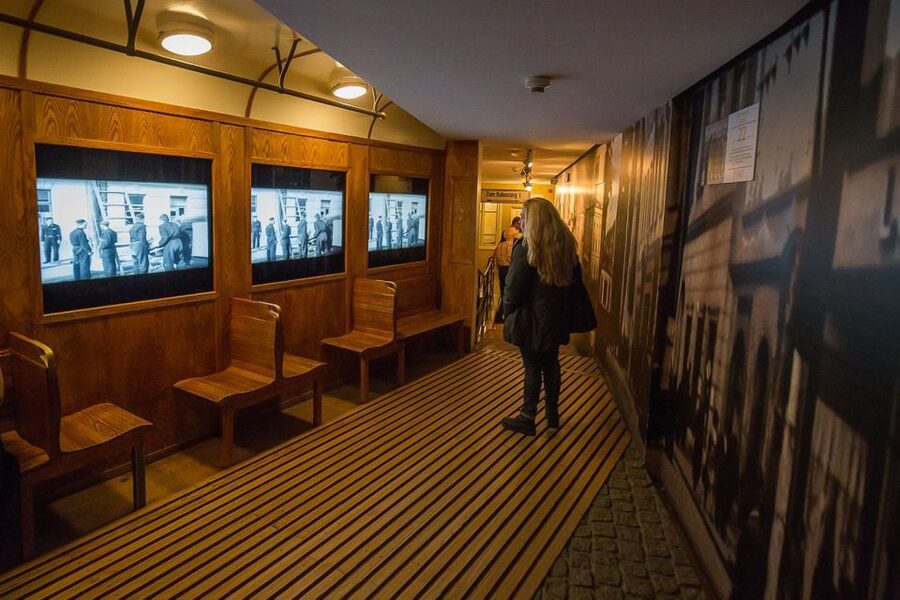
- Original artifacts and reconstructed 1940s scenes, used to explain day-to-day fear and survival
Getting started at the Zabka Kiss&Ride, then easing into the cart
Your tour begins at the Parking Kiss&Ride in front of the Zabka store. Aim to arrive at least 10 minutes early, because once the group is loaded, late arrivals can’t be accommodated and tickets are not refundable.
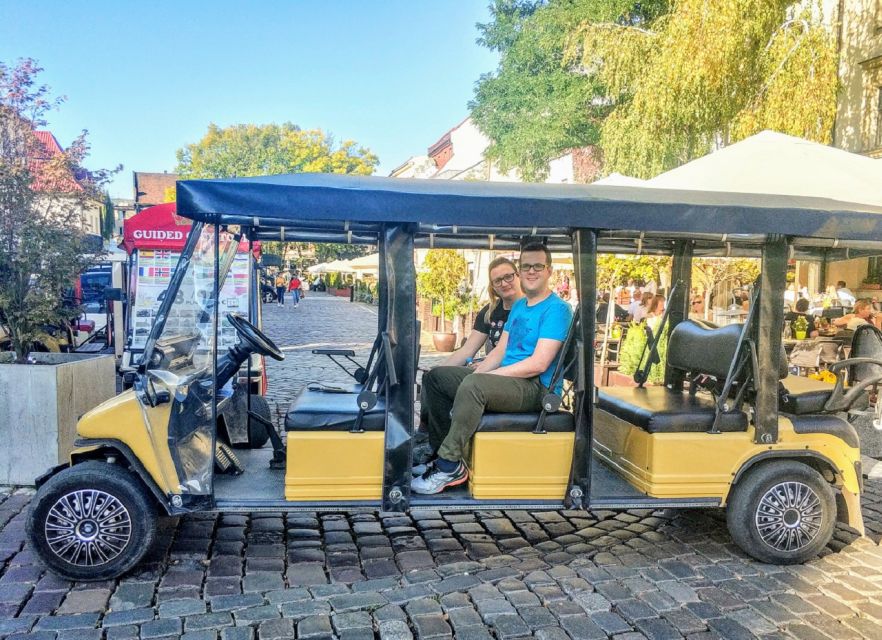
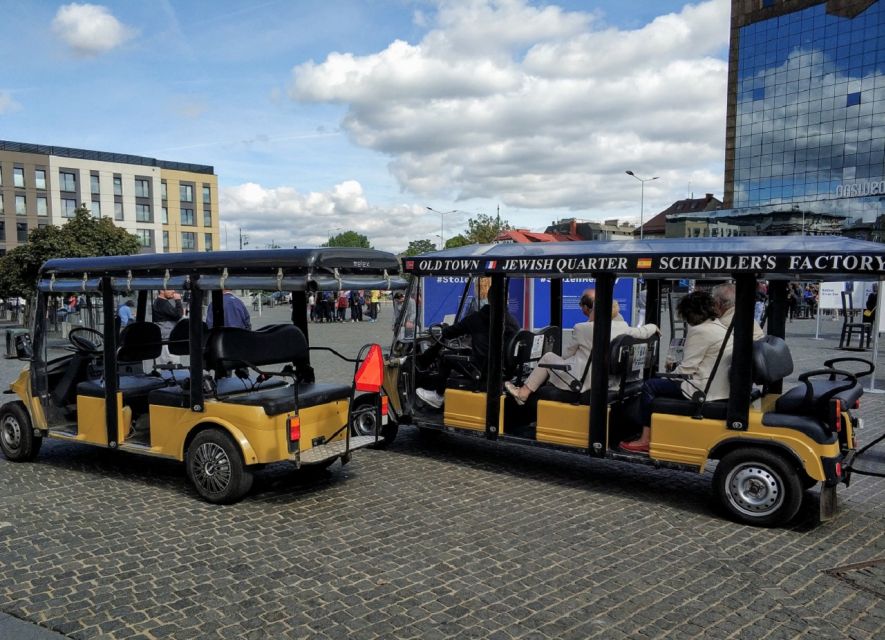
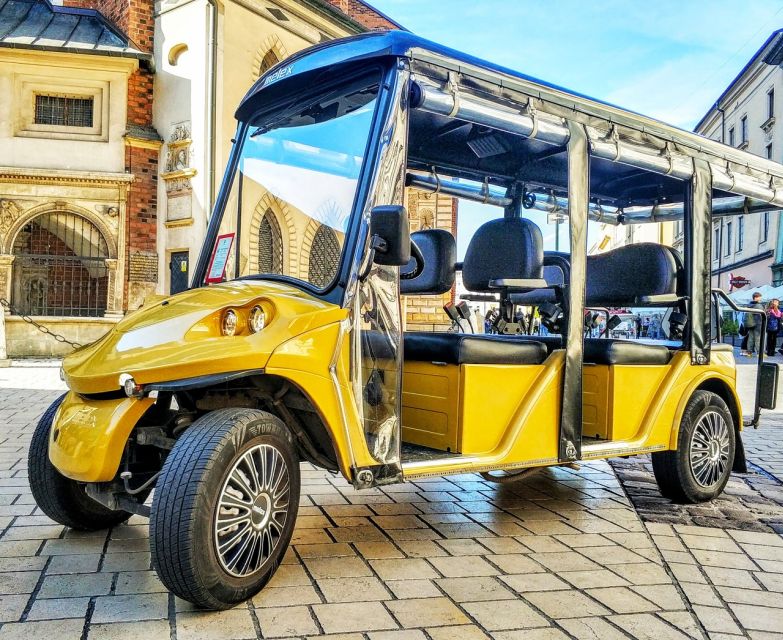
You’ll board a comfy, heated golf cart with an audio guide in English. It is a smooth way to move through Krakow neighborhoods where walking can add up fast, especially if you have other plans later the same day.
This is a tight 3-hour experience, so wear comfortable shoes and keep your phone charged for photos. The ride covers both sides of the story, the everyday streets of Kazimierz and the heavier ground of the former ghetto area.
You can also read our reviews of more tours and experiences in Krakow.
Kazimierz Jewish Quarter: synagogues, old street patterns, and everyday life
The first big section runs through Kazimierz, Krakow’s historic Jewish Quarter. This area functioned as a separate town for centuries and has long been a center of Jewish culture, so it feels like you’re stepping into a layered city within the city.
On the cart, you’ll pass historic synagogues and narrow streets while the audio commentary keeps you oriented. Even if you’ve seen photos, it helps to notice how the street layout shapes movement, and how the old places sit close together, the way daily life did.
Then the route continues through the Christian part of Kazimierz, where you’ll see the modern neighborhood feel too, with cafés and galleries. I like that this doesn’t treat the area as a museum only. It shows coexistence across time, not just tragedy.
Podgórze and the former ghetto area: seeing the wall fragment and Heroes Square
After the Kazimierz portion, the cart crosses the Vistula River into Podgórze. This is the area that became the Jewish ghetto during World War II, and the tour shifts tone here from historic sightseeing to direct wartime reminders.
You’ll see a remaining fragment of the ghetto wall, which is the kind of stop that changes how you understand the maps. The wall wasn’t a concept. It was a physical barrier that controlled movement and shaped daily routines.
Next comes Ghetto Heroes Square, marked by its distinctive chair memorial. It’s one of those visuals that sticks with you because it is specific, not abstract. You can stand there and connect what you just learned from the streets to what the community faced day after day.
Under the Eagle Pharmacy: a small place that carries a big weight
One of the more powerful moments is a stop at the historic Under the Eagle Pharmacy. It’s not a huge, Hollywood-style set piece. Instead, it functions like a marker of place, the kind that turns general history into geography you can point to.
I find that these “ordinary” structures do something museums sometimes can’t. When a familiar-looking building survives, it makes the wartime world feel more real, because it reminds you that people were doing real tasks under impossible conditions.
This part of the tour works best if you let the sites land before you rush onward. Take a minute to look around, notice the street edges, and then let your brain shift gears for Schindler’s Factory.
Schindler’s Enamel Factory Museum: fast-track entry plus a live guide
From Podgórze you move on to Schindler’s Enamel Factory, now the Schindler’s Factory Museum. You get fast-track admission, so you can avoid long ticket lines and focus on the exhibition.
Inside, the tour switches from audio to a licensed expert guide. That matters, because the museum is packed with photographs, personal objects, and reconstructed streets. A live guide helps you connect objects to stories without you having to hunt for meaning alone.
One practical note that’s easy to miss: although the building once functioned as a factory, it now operates as a museum and no longer contains original production equipment. You are not touring working machines from the 1940s. You’re reading the wartime world through artifacts, testimonies, and reconstructions.
The exhibition focus: Kraków under Nazi Occupation 1939-1945
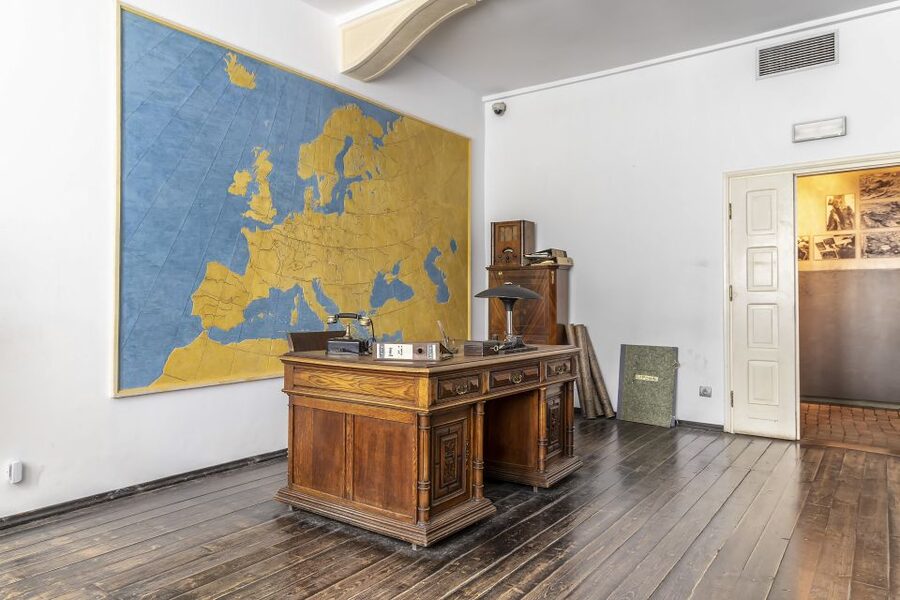
The heart of the visit is the exhibition Kraków under Nazi Occupation 1939-1945. The guide leads you through the story of Kraków’s Jewish community under Nazi occupation, with Oskar Schindler’s role as the key human thread.
Schindler is introduced not as a hero statue, but as a person operating with limited time, danger, and real constraints. The exhibition explains how he employed Jewish workers and used his influence and resources to help protect them from deportation.
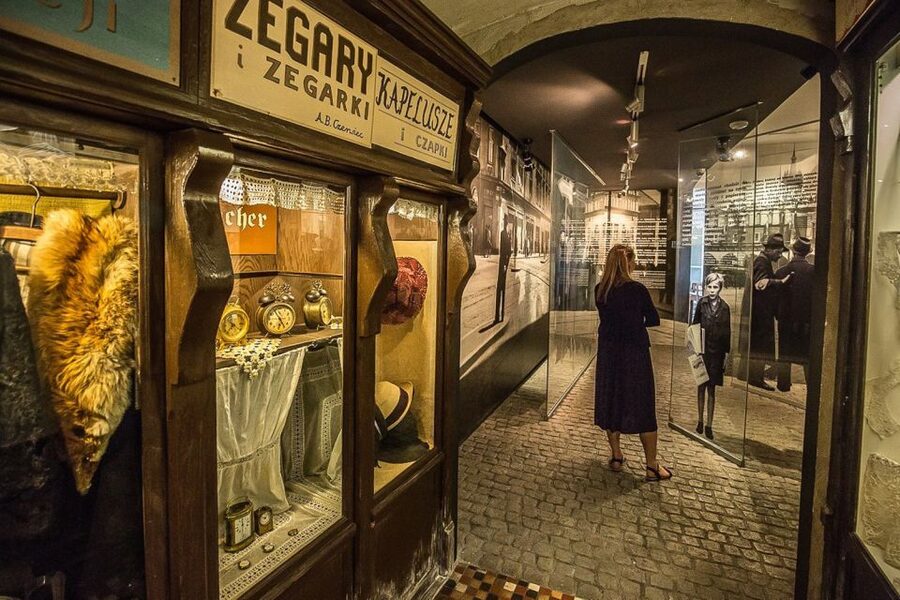
The museum also emphasizes what survival required beyond one individual act. You’ll encounter fear, uncertainty, and day-to-day struggles, supported by photographs, personal objects, and reconstructed scenes from the period. The goal is to show what daily life looked like inside a city under oppression, not just the headline events.
And yes, you’ll hear the term Schindlerjuden. The exhibition treatment frames these survivors through testimonies and memory that still resonate across generations. That focus can be emotional, but it’s also what makes the museum go beyond a simple Schindler storyline.
Why the guide can make or break your experience
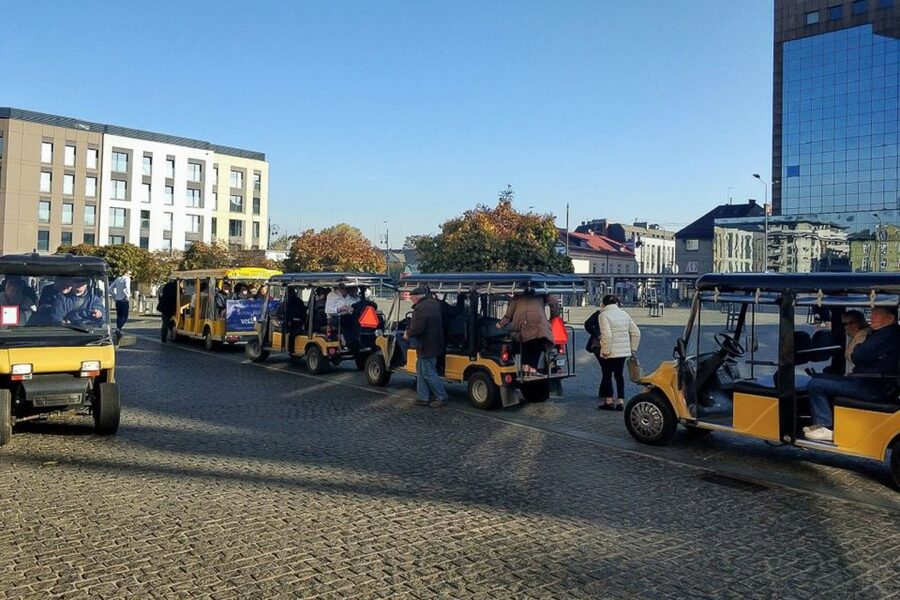
This tour’s cart time is guided by audio, but the museum is guided by a person in the room with you. That’s where your understanding gets sharper.
One named cart guide, Andrzej, is a good example of how local knowledge and humor can work together. In feedback from recent guests, his style is described as informative and funny without turning the subject into a joke. That’s the right balance here.
Still, keep expectations realistic. The museum portion is powerful, but it isn’t designed for slow reading of every wall label. If you’re the type who wants to stare at every caption for 10 minutes, you may feel the pace.
Practical tips for a smooth 3-hour mix of ride and museum
Because you are combining outdoor street time with indoor museum time, plan for simple comfort. Bring comfortable clothes and comfortable shoes, and bring a camera if you like documenting neighborhoods, not just museum objects.
Food and drinks are not included, so grab something before you head to the meeting point. If you need a snack, plan for it before the tour starts, since the experience is short and you’ll want your energy.
Language is English, and the tour is conducted in a single language. If you’re coming with someone who needs translation, this setup is not built for multi-language groups.
Also note two important constraints. This tour is not suitable for wheelchair users. And Schindler’s Factory Museum issues personalized tickets, so you must provide full names of all participants at booking, or entry can be denied.
Price and value: what you get for $80 per person
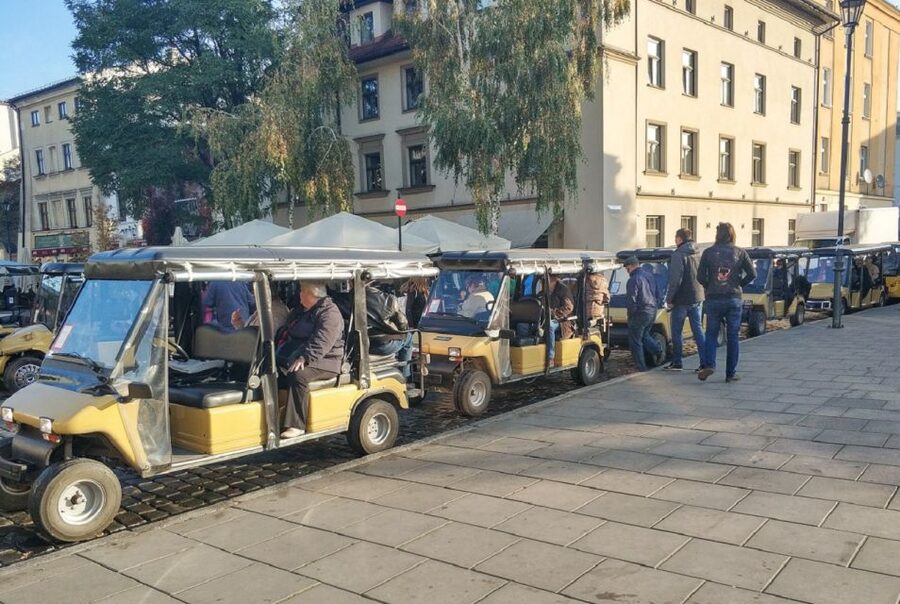
At $80 per person for about 3 hours, you’re paying for two different delivery styles in one package. First, you get the golf cart ride around Kazimierz and the ghetto area with English audio and heated transport. Second, you get a guided museum visit with fast-track admission to skip the ticket line.
That mix is the main value. If you were to plan it yourself, you’d likely spend time figuring out routes and then still need a guided explanation inside the museum to make the artifacts connect into a coherent story. Here, the pacing does that work for you.
If your Krakow schedule is tight and you want both neighborhood context and a strong museum component, this pricing starts to make sense. It’s designed as a focused hit, not a slow all-day study session.
Should you book this Krakow Kazimierz and Schindler’s Factory tour?
Book it if you want structure: an easy ride through Kazimierz and Podgórze, followed by an expert-guided museum visit that explains Nazi-occupied Kraków beyond just one famous name. I also think it’s a smart choice if you want to see key physical reminders, like the ghetto wall fragment and Ghetto Heroes Square, without spending hours walking outdoors.
Skip it, or consider a different format, if you need maximum time to read every exhibit label at your own pace. The museum visit can feel brisk, and the tour is not wheelchair-friendly.
If you’re doing Krakow as a first visit or you have only a half day for major history, this is a strong, efficient way to connect the streets to the stories.
FAQ
How long is the Krakow Kazimierz by golf cart and Schindler’s Factory tour?
It lasts about 3 hours.
Where is the meeting point?
The meeting point is Parking Kiss&Ride in front of the Zabka store.
Is the golf cart heated and does it include audio?
Yes. The vehicles are heated and equipped with an audio guide in English.
Do I get a live guide at Schindler’s Factory Museum?
Yes. Inside Schindler’s Factory, the tour includes a professional, licensed guide in English.
Is admission to Schindler’s Factory included?
Yes, it includes fast-track admission to Schindler’s Factory, which helps you skip the ticket line.
Is this tour suitable for wheelchair users?
No, the tour is not suitable for wheelchair users.
More Tours in Krakow
More Tour Reviews in Krakow
Not for you? Here's more nearby things to do in Krakow we have reviewed





More Kazimierz & Jewish Heritage Tours to consider.
 ★ 4.7Schindler’s Factory & Ghetto Guided TourFrom $571,694 reviews
 ★ 4.9Jewish Quarter and Former Ghetto TourFrom $191,441 reviews
 ★ 4.9Bike Tour of Old Town, Jewish Quarter and the GhettoFrom $371,155 reviews
 ★ 4.8Kazimierz Jewish Quarter Walking TourFrom $27571 reviews
 ★ 4.8Kazimierz, Schindler’s Factory & Ghetto Guided TourFrom $81460 reviews
 ★ 5.0Full Bike Tour – the Old Town, Jewish Qtr & the Ghetto NEW BIKESFrom $35437 reviews
 ★ 4.9Bike Tour of the Old Town, Kazimierz, and the GhettoFrom $26350 reviews
 ★ 4.6Jewish Ghetto Walking TourFrom $11349 reviews
Other ways to explore Krakow