
Review · KAZIMIERZ & JEWISH HERITAGE TOURS
Kraków: Schindler’s Factory and Former Ghetto Tour
History hits close in Podgórze. This 2-hour Krakow tour strings together the key former-ghetto stops in the Podgórze district, then adds time at Oskar Schindler’s enamel factory museum. You get a pre-recorded audio guide and travel by a comfortable electric car, so you can focus on what you are seeing instead of navigating streets.
Two things I like a lot: the easy, clear audio route around Podgórze, and the way the transport makes it simple to hop on, off, and take photos without feeling rushed. The stops are also timed well, with a short, sharp visit at Plac Bohaterow Getta and longer museum time at the factory.
One consideration: this is mostly self-guided at the stops, and you are not guaranteed someone live to answer questions. If you like real-time back-and-forth, you might feel a bit stuck when curiosities pop up.
Key points worth knowing before you go
- Electric car transport keeps the ride comfortable and makes photo stops easier
- Two meeting points in Krakow center let you start with less hassle
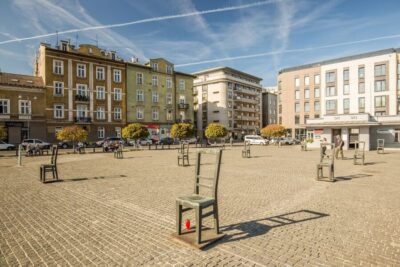
- Plac Bohaterow Getta gives you a focused intro at the Heroes of the Ghetto Square
- Apteka pod Orłem is a powerful stop tied to repression in the occupied area
- WWII wall remnants are part of the story, so you can see the geography of confinement
- Factory museum time is included, but the experience leans toward Krakow and the occupation context more than Schindler biography
Getting Into Krakow’s Podgórze Story, Without Needing a Map
Krakow’s former ghetto story is anchored in the Podgórze district, and this tour is built to help you understand the place, not just tick off attractions. You start with an audio-guided route that sets the stage, then you move through the most recognizable locations linked to the tragedy of WWII occupation.
I like that the format tries to balance facts and place. The audio handles the heavier context while you physically see the sites where that history unfolded. It is not just a bus ride with landmarks. The pacing gives you enough time at each stop to take things in, especially at the museum.
The whole experience runs about 2 hours, which is a sweet spot in Krakow. Long enough to feel meaningful, short enough that it does not eat your whole day.
You can also read our reviews of more tours and experiences in Krakow.
Two Meeting Points and Pickup in Krakow Center
Your tour begins in central Krakow. You choose from 1 of 2 meeting points, and then your driver greets you and gets you set up. There is pickup offered, which is helpful if you do not want to deal with timing, street-finding, or squeezing into the wrong corner of a busy area.
This kind of start matters more than it sounds. Historical sites often have strict logistics around access and timing. When pickup is handled and you have a clear meeting point option, you spend less energy on logistics and more on absorbing the story.
Group size is capped at up to 100 travelers, so expect it to be organized, but not the intimate, one-on-one style you might find on small private tours. Still, the electric car format helps keep things controlled and moving.
Electric Car Comfort for WWII Sites (and Better Photos)
You travel by a comfortable, eco-friendly electric car. That matters here because the route is about seeing specific spots in Podgórze, not just sitting through a talk. Electric vehicles are quieter and easier to get in and out of, which keeps you from feeling like you are stuck in transit.
From a practical standpoint, it also helps with photos. When you are not fighting parking or walking long distances between stops, you can pause when you see something important. The route includes places that are visually tied to the ghetto’s story, including the square and the pharmacy site.
If you are sensitive to lots of walking, this transport approach is a strong reason to consider this tour. You still walk a bit during museum and stop time, but it feels manageable.
How the Pre-Recorded Audio Tour Flows
This is an audio-guided experience using a pre-recorded track. The audio is designed to be clear and easy to hear, and the route uses the Podgórze district as your “map” for understanding what you are looking at.
Here is how to think about the rhythm. The audio gives you context while you are traveling between sites, then you get time at each location where you can explore at your own pace. That makes the experience good for people who like structured storytelling but still want autonomy at key moments.
One downside to be honest about: because this is mostly audio and self-guided at the stops, there may not be a staff member dedicated to answering your questions in real time. If you love to ask why something is placed a certain way, or you want extra detail on a specific person, plan to rely on the museum materials and on your own curiosity while you explore.
Stop 1: Plac Bohaterow Getta, Heroes of the Ghetto Square
The tour begins at Plac Bohaterow Getta (Heroes of the Ghetto Square). Expect a short but focused stop, around 15 minutes. This is not a time to rush through. It is a moment to orient yourself emotionally and geographically.
This square is one of the most iconic places tied to the former ghetto. It is designed to hold memory, and you will notice remnants of the sites connected to what people suffered under repression during the occupation. The audio helps you understand what you are seeing, but the best part of this stop is the sheer clarity of place. You can connect names and events to a physical setting.
If you are taking photos, keep it simple. Capture one or two wider shots that show the square layout, then spend time looking more than photographing. The emotional weight here is real, and slow attention makes it hit harder in a good way.
Time tip: With only 15 minutes, it helps to decide in advance what you want from this stop. If you want photos, do them early. If you want to read and absorb, save time for the details after your first glance.

Stop 2: Apteka pod Orłem, The Eagle Pharmacy
Next is Apteka pod Orłem (the Eagle Pharmacy). You get about 30 minutes here, and admission for this stop is included.
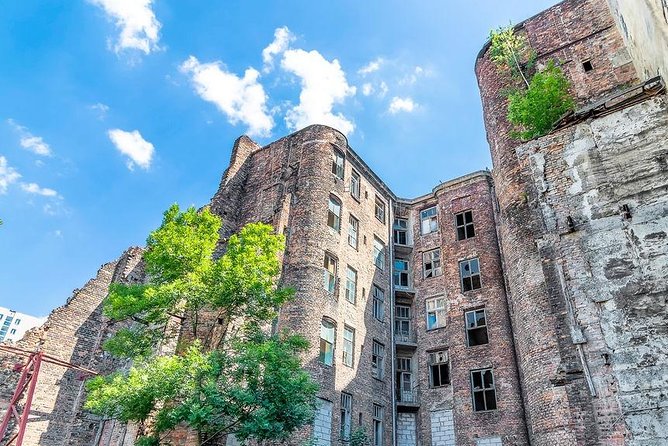
This is an important stop because the pharmacy is tied to the occupied city’s reality, where repression and fear shaped everyday life. The site is often remembered for how it functioned during the period of occupation, and this tour uses it to show how the ghetto story extended into places people would have associated with ordinary life.
What I like about this stop is its contrast. After the square, you move into a more intimate, specific kind of site. It feels less like a general memorial moment and more like you are stepping into a defined location with a particular historical role.
Practical note: 30 minutes goes quickly in a meaningful place like this. If you are the type who reads every panel, take your time but pick your priorities. If you are aiming for a solid overview, focus on the main explanations and how the site relates to what happens in the broader Podgórze story.
Stop 3: Oskar Schindler’s Enamel Factory Museum Time
Then you move to Oskar Schindler’s Enamel Factory, with about 1 hour 15 minutes. Admission is included, and this is the anchor of the tour.
This museum experience is primarily about Kraków and its people during WWII, including both Polish and Jewish residents, and also about the Nazi Germans who occupied the city starting 6 September 1939. The story is framed around how big history collided with everyday life. You are not just learning dates. You are seeing how ordinary routines and individual lives were disrupted by occupation and persecution.
One thing to know before you go: the museum emphasis is not strictly a Schindler biography. The tour and the museum materials focus more on the broader Kraków context and the occupation reality. That can still be meaningful, but if you are expecting a deep, character-driven telling about Oskar Schindler himself, you might walk away wishing for more personal background.
Still, this is exactly why I think this tour works. If you only do a memorial walk, you can miss how the entire occupied city functioned. If you only do a museum, you can miss the geographic reality outside the walls. This combo gives you both.
Museum time tip: At the factory, use the audio and your own reading to find the sections that feel most relevant to you. If a timeline approach clicks, look for the structure. If personal stories hit harder, prioritize the panels and exhibits that focus on individuals and daily life.
The WWII Wall Remnants You Will Notice Along the Way
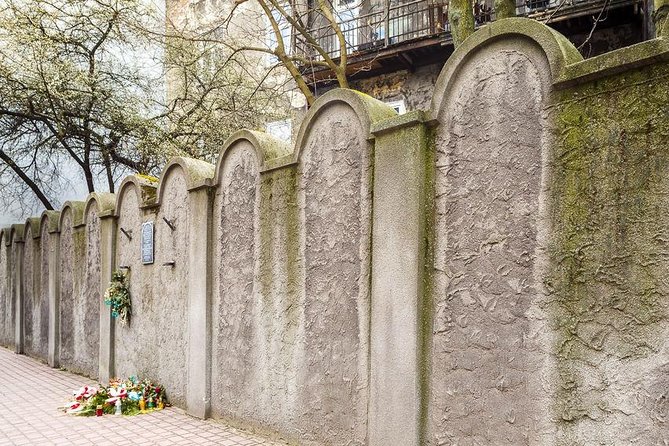
One of the tour’s most grounded details is that you will visit remnants of the WWII wall that once surrounded the ghetto. This is not a minor add-on. It is a key way to understand the physical boundaries people lived under.
When you see remnants in context, it changes how the story feels. The ghetto is not abstract anymore. You can begin to picture movement, restriction, and what it means for a community to be enclosed.
Even if you only pause briefly to look at what remains, keep an eye out during the route. The audio guidance helps you understand why the wall location mattered.
Price and Value: What $65 Gets You in Krakow
At $65, this tour is often good value because it bundles several things that would cost time and money separately.
Here is the practical breakdown:
- You pay for transport in a comfortable electric car
- You get a structured audio-guided route through Podgórze
- You visit key stops, including Apteka pod Orłem where admission is included
- You also get museum admission included at Oskar Schindler’s enamel factory
Plac Bohaterow Getta is listed as free admission, so the cost mostly reflects the guided route, transport, and the paid entry stops.
For comparison thinking: if you were to do the museum and then try to self-navigate the ghetto-area sites on your own, you would still need to build context somehow. This tour gives you that context in the middle of the physical experience.
If you are on a tight schedule, this format can save you the “what do I do next” problem. In a city where you can easily overbook yourself, a focused 2-hour historical outing is a smart use of time.
Practical Tips for a Smoother, Better Experience
A few tips will help you get more out of the tour.
First, wear shoes you can walk in comfortably. Even with electric-car transport, you will spend time at the square, the Eagle Pharmacy stop, and inside the museum.
Second, bring the mindset that this is a memorial story. Keep your pace slow at the most emotionally charged spots. The time limit at Plac Bohaterow Getta is short, but you can still give it respect by looking first, photographing second.
Third, plan your questions expectation. Since the experience is largely audio-led, be ready to use the museum exhibits as your fact-check and your deeper source. If you want extra detail on specific people or topics, take time inside the museum to follow those threads through the materials available there.
Fourth, check conditions before you head out. The experience requires good weather, and if it is canceled due to poor weather, you will be offered another date or a full refund.
Who This Tour Suits Best (and When You Might Skip It)
This tour is a strong match if you want:
- a guided way to understand Podgórze and Krakow’s WWII ghetto geography
- comfortable transport plus short, manageable stops
- museum time without having to plan admissions and route details yourself
It is also ideal if you prefer learning through a structured audio track rather than a live lecture.
You might think twice if:
- you are hoping for a deep, Schindler-centered biography as the main storyline
- you really want live answers and spontaneous discussion at the sites
- you are very sensitive to memorial settings with minimal time to read everything slowly
Should You Book Schindler’s Factory and Former Ghetto Tour?
I think this is worth booking if you want an organized, respectful overview that combines iconic former-ghetto sites with Oskar Schindler’s enamel factory museum time. The $65 price makes sense because you are not just paying for a walk. You are buying transport comfort and included admissions at the stops that matter most.
Book it if you like clear audio guidance and you want a smooth historical route that fits into a day. Skip it only if you know you want a live, Q and A style guide or a biography-heavy Schindler story. In that case, you may prefer a different tour format that is built around personal storytelling.
If you do book, show up ready to slow down at the square, pay attention at the wall remnants, and use the museum time to follow the themes that hit you most. This is the kind of experience where how you choose to look matters as much as what you see.
FAQ
How long is the Krakow Schindler’s Factory and Former Ghetto Tour?
It lasts about 2 hours.
Does the tour include pickup?
Yes. Pickup is offered, and you can also choose between 1 of 2 meeting points in central Krakow.
What stops will I visit?
You will stop at Plac Bohaterow Getta (Heroes of the Ghetto Square), Apteka pod Orłem (the Eagle Pharmacy), and Oskar Schindler’s Enamel Factory, plus you will see remnants of the WWII ghetto wall.
Are admission tickets included?
Plac Bohaterow Getta has free admission. Admission is included for Apteka pod Orłem and for Oskar Schindler’s Enamel Factory.
What group size should I expect?
The tour has a maximum of 100 travelers.
What happens if the weather is poor or the tour is canceled?
The experience requires good weather. If it is canceled due to poor weather, you will be offered a different date or a full refund. It can also be canceled if a minimum number of travelers is not met, with options for a different experience or a full refund.
More Tours in Krakow
More Tour Reviews in Krakow
Not for you? Here's more nearby things to do in Krakow we have reviewed






More Kazimierz & Jewish Heritage Tours to consider.
 ★ 4.7Schindler’s Factory & Ghetto Guided TourFrom $571,694 reviews
 ★ 4.9Jewish Quarter and Former Ghetto TourFrom $191,441 reviews
 ★ 4.9Bike Tour of Old Town, Jewish Quarter and the GhettoFrom $371,155 reviews
 ★ 4.8Kazimierz Jewish Quarter Walking TourFrom $27571 reviews
 ★ 4.8Kazimierz, Schindler’s Factory & Ghetto Guided TourFrom $81460 reviews
 ★ 5.0Full Bike Tour – the Old Town, Jewish Qtr & the Ghetto NEW BIKESFrom $35437 reviews
 ★ 4.9Bike Tour of the Old Town, Kazimierz, and the GhettoFrom $26350 reviews
 ★ 4.6Jewish Ghetto Walking TourFrom $11349 reviews
Other ways to explore Krakow