
Review · KAZIMIERZ & JEWISH HERITAGE TOURS
Krakow: Schindler’s Factory & Ghetto Guided Tour
You walk from industry to survival. This 3-hour guided route links Schindler’s Factory with a focused street walk in Podgórze, and I love how the guide keeps the story clear and personal. The headphone setup makes it easy to hear every detail without craning your neck.
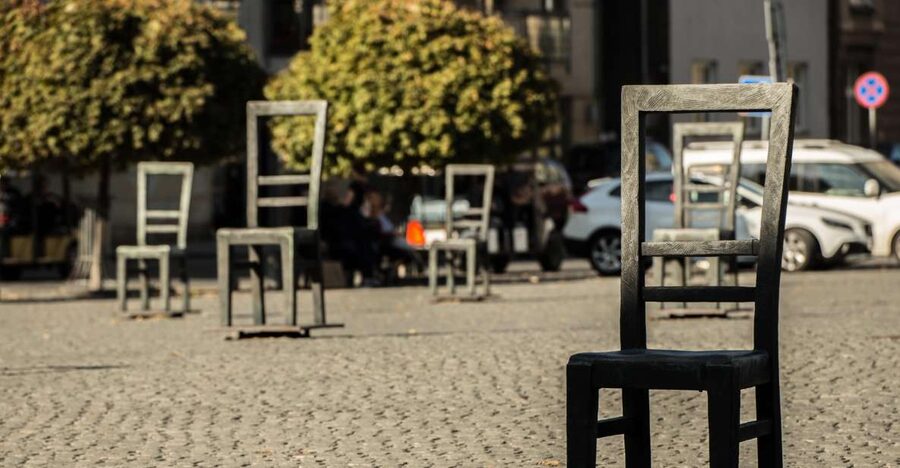
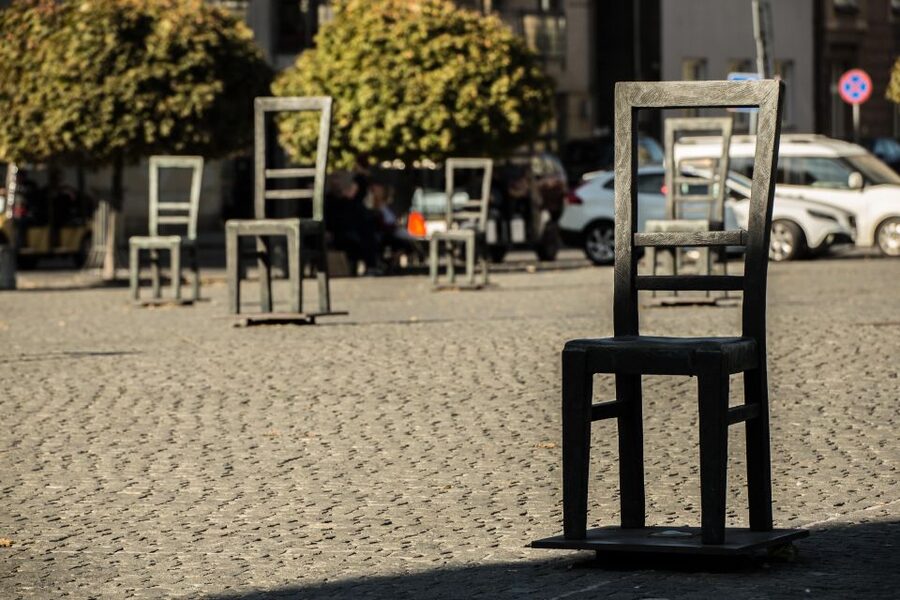
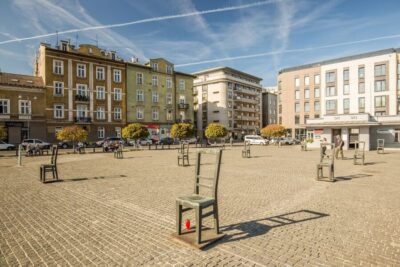
My second favorite part is the on-the-ground Podgórze walk, where you see parts of the ghetto wall, old homes tied to wartime displacement, and the historic Pod Orłem pharmacy, then finish at Heroes’ Square for the Empty Chair Monument with its 68 chairs. One drawback to consider: this is heavy subject matter, and you will spend real time outdoors, so wear comfortable shoes and dress for the weather.
Key highlights to look for
- Museum storytelling with a clear timeline, so you understand how events unfolded
- Headphones for live narration, which helps you follow along smoothly
- Skip-the-ticket-line entry plus museum admission included
- Podgórze specifics on foot, including ghetto wall remnants, dwellings, and Pod Orłem pharmacy
- A reflective final stop at Heroes’ Square, centered on the Empty Chair Monument with 68 chairs
- A tight 3-hour pacing, ideal if you want depth without losing your whole day
Entering Schindler’s Factory Museum, then getting oriented fast
Schindler’s Factory is the heart of this tour, and the experience starts with a simple goal: help you make sense of what Nazi-occupied Krakow was like, and why one man’s choices mattered. You meet at the main entrance to the museum, in front of the building with the excursions.city sign, and you’ll be guided right into the exhibition with tickets already arranged.
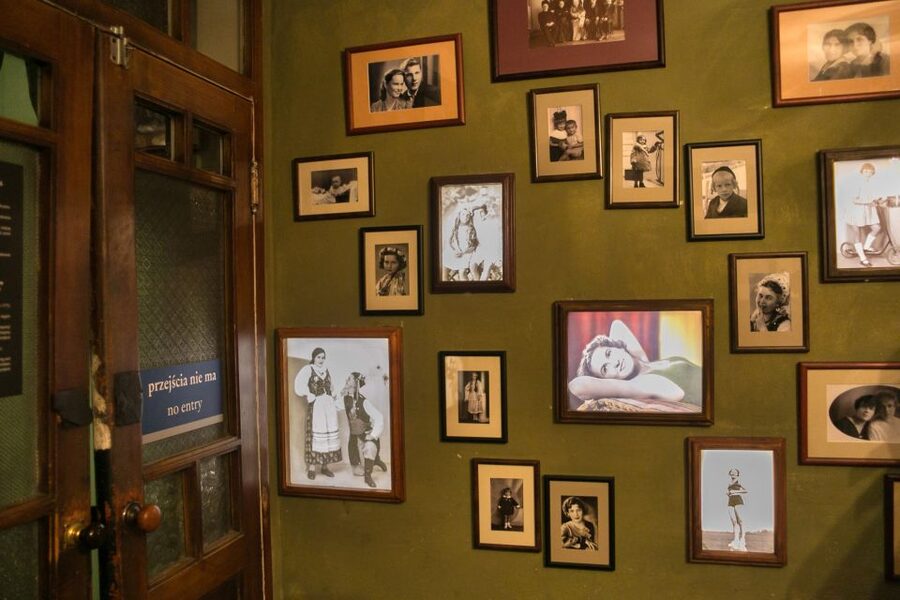
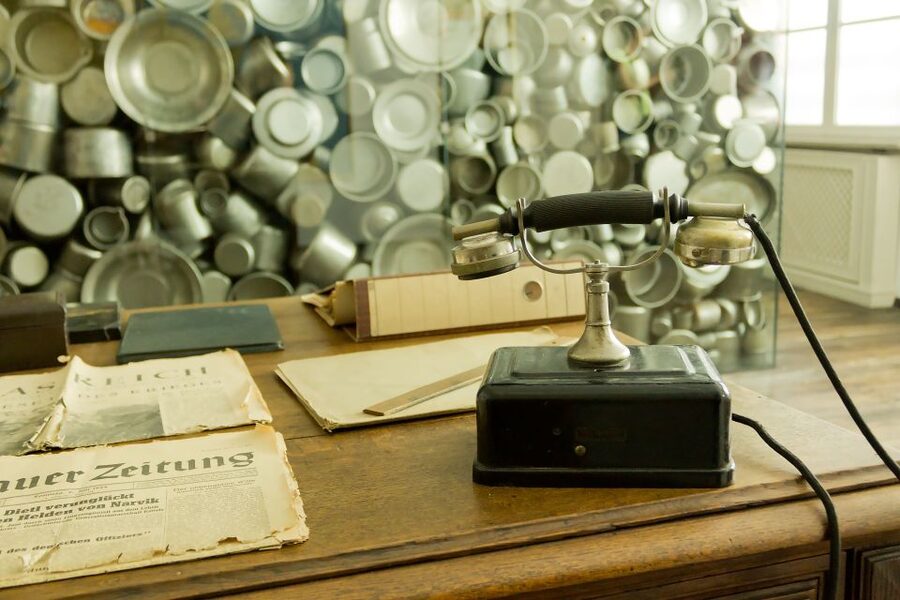
Inside, you focus on the exhibition Krakow Under Nazi Occupation. What I like about building the visit this way is that it does not treat the subject as a list of facts. It frames the story around daily life under occupation and the chain of events that led to mass atrocities. That matters because, in a museum, it is easy to lose the thread. A good guide helps you keep the timeline straight, and you end up leaving with a sharper understanding of how the situation tightened over time.
Also, the museum is run on a personal ticket system. From January 1, 2026, you will need to provide the full names of all participants when reserving and bring a passport or ID for entry. This is one of those details that can save your day. If you forget your ID, the museum can deny entry, and that would be a real waste on a tour like this.
You can also read our reviews of more guided tours in Krakow
Headphones, live narration, and what the guide adds to the museum
One of the most practical strengths here is that it is a live guided experience, not a recorded audio tour. Your guide speaks one of these languages: German, Italian, French, Spanish, or English. That is great for comprehension, especially when the material gets complicated.
Even better, the narration is delivered with a headphone system. That sounds small until you are standing in a crowded museum or moving between rooms. Headphones mean you can keep pace without constantly turning to hear. You hear the guide clearly while you look at exhibits, documents, and photographs.
From what I see consistently with this style of tour, the guide also brings the story to life with personal anecdotes and a more human tone. That does not change the facts, but it changes how they land. Instead of history feeling like a distant lecture, it feels connected to real lives and real decisions. Guides can vary, but names mentioned for strong delivery include Hannah, Helena, and Frau Weßling, and the consistent theme is clarity and engagement.
There is one more scheduling note you should keep in mind. Tour times are approximate and may shift based on Schindler’s Factory Museum scheduling. You can choose a preferred time, but the exact time is not guaranteed. For planning, treat it like this: you are committing to a 3-hour window, and the start may slide slightly.
The Podgórze street walk: walls, homes, and wartime daily life
After the museum, the tour moves from indoor exhibits to the streets of Podgórze. This shift is powerful because you stop learning about history and start seeing how it was physically laid out. The guide leads you through the district, focusing on the remnants of what happened in the ghetto area during World War II.
Expect to walk past:
- Sections of the ghetto wall that still stand
- Dwellings where thousands of displaced Jews once lived
- The historic Pod Orłem pharmacy
Why this part works so well is that it gives the museum context a physical place to rest in your mind. You can view a document inside a museum, but when you stand near a wall remnant and hear what the guide connects to that location, it becomes harder to keep history abstract. It is also where many people feel the weight of the story most strongly, because the spaces look normal now. That contrast is exactly what the guide is trying to help you understand.
A small practical note: this segment is walking. Since food and drinks are not included, you will want to manage your energy before you go. If you tend to get hungry on tours, plan a meal ahead of time. If you get cold easily, bring a layer, because the outdoor time is real and you will be on your feet.
Pod Orłem pharmacy: a small landmark with big meaning
Pod Orłem pharmacy is not just a photo stop. It is included because it anchors the story in everyday life, not only in dramatic moments. On this tour, you are guided to notice how wartime boundaries shaped the flow of ordinary routines. A pharmacy might sound like a “regular” building, but in this context, it becomes a reminder that even under brutal occupation, daily needs still had to be met, sometimes at great cost.
The guide’s job here is to connect place to lived experience. You’ll walk away with a better sense of why occupation policies were not only about violence and transport, but also about control over housing, movement, and basic services. That is part of why the ghetto street portion is such a strong complement to the museum.
Heroes’ Square and the Empty Chair Monument with 68 chairs
The final act of the tour takes you to Heroes’ Square and the Empty Chair Monument. This stop is designed to shift you from understanding mechanisms of persecution to reflection on victims and remembrance.
The monument features a symbolic array of 68 chairs. Even if you are familiar with memorial design, this one hits differently because it uses simple objects to point at something enormous and unrepairable. Chairs are part of everyday life, which makes the emptiness feel personal.
On a tour like this, the guide’s interpretation matters. You are not just looking at a structure; you are learning how to read what it is communicating. I like ending here because it gives the emotional arc of the tour a place to land. If you are the type who processes best by slowing down at the end, this stop is exactly that.

Price and logistics: is $58 for 3 hours good value?
At $58 per person for a 3-hour guided experience, this is not a budget-only activity, but it does hold up as a value purchase. Here is why:
- Museum tickets are included, and you skip the ticket line
- You get a professional live guide for the museum and the walking portion
- You get a headphone system setup, which improves the quality of the experience
- The tour covers both Schindler’s Factory and key Podgórze locations, including Heroes’ Square
If you tried to do this on your own, you would likely pay for the museum ticket anyway, then spend extra time figuring out the street connections and what to pay attention to. Paying for a guide is what turns the area into a coherent story you can follow in a limited amount of time.
So I view the price as fair for what you get: access, context, and a guided route that would be harder to piece together well alone.
Practical tips so you enjoy the full 3 hours
This tour packs a lot into a short window, so a few choices make a big difference.
Wear shoes you trust. You are walking in Podgórze after you have already been on your feet in the museum. Comfortable footwear is not optional.
Bring a layer. The itinerary includes outdoor stops like the ghetto wall remnants and Heroes’ Square. Even in good weather, the wind or temperature shift can catch you off guard.
Bring an ID or passport. With the personalized ticket system, you must provide full names and have ID for entry to Schindler’s Factory Museum. From January 1, 2026, this matters even more, because entry can be denied without the required documents.
Don’t plan a heavy schedule right after. This is an emotionally intense experience. Give yourself time to reset afterward, grab food nearby, and let the story settle.
Should you book the Krakow Schindler’s Factory and Podgórze tour?
If you want a guided experience that connects the museum with the streets, this is a strong choice. You get the museum’s structured story, then a focused walk through Podgórze that points you to specific places like the remaining ghetto wall sections, wartime dwellings, and the Pod Orłem pharmacy, ending at a meaningful memorial with 68 chairs.
You should probably skip it if you are looking for a light, casual sightseeing stroll. This tour asks you to engage with difficult history, and the outdoor walking portion means you will feel the day.
If you do book, I recommend doing it with one clear purpose: understand how Krakow under Nazi occupation worked, and how remembrance is shaped through places you can still see today. That is the value here, and it is worth the money and the time.
FAQ
Where do I meet the guide?
You meet the guide in front of the main entrance to Schindler’s Factory Museum, with the excursions.city sign.
How long is the tour?
The duration is 3 hours.
What is included in the price?
The price includes tickets to Schindler’s Factory Museum, a walking tour, and a professional tour guide. It also skips the ticket line.
Do I need to bring a passport or ID?
Yes. For entry to Schindler’s Factory Museum you must bring a passport or ID, and you need to provide full names for all participants when reserving.
What languages are available for the live guide?
The live tour guide is available in German, Italian, French, Spanish, and English.
Is free cancellation available?
Yes, you can cancel up to 24 hours in advance for a full refund.
More Guided Tours in Krakow
More Tours in Krakow
More Tour Reviews in Krakow
Not for you? Here's more nearby things to do in Krakow we have reviewed







More Kazimierz & Jewish Heritage Tours to consider.
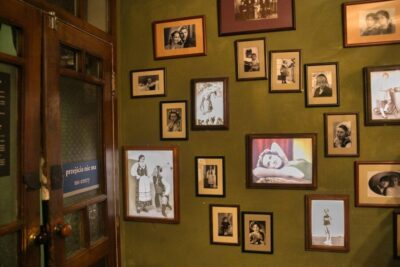 ★ 4.7Schindler’s Factory & Ghetto Guided TourFrom $571,694 reviews
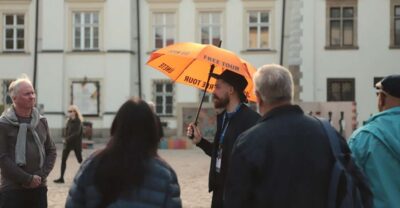 ★ 4.9Jewish Quarter and Former Ghetto TourFrom $191,441 reviews
 ★ 4.9Bike Tour of Old Town, Jewish Quarter and the GhettoFrom $371,155 reviews
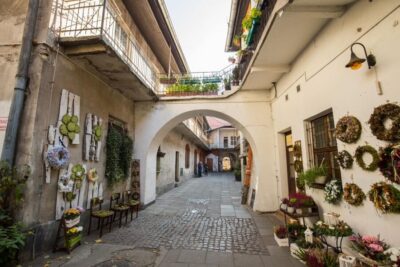 ★ 4.8Kazimierz Jewish Quarter Walking TourFrom $27571 reviews
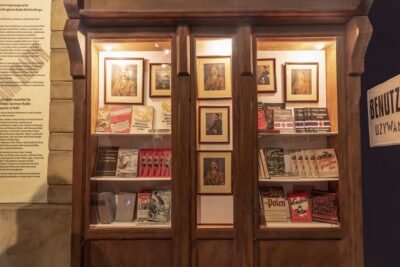 ★ 4.8Kazimierz, Schindler’s Factory & Ghetto Guided TourFrom $81460 reviews
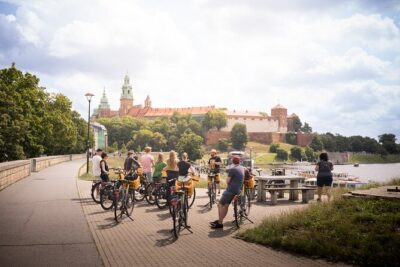 ★ 5.0Full Bike Tour – the Old Town, Jewish Qtr & the Ghetto NEW BIKESFrom $35437 reviews
 ★ 4.9Bike Tour of the Old Town, Kazimierz, and the GhettoFrom $26350 reviews
 ★ 4.6Jewish Ghetto Walking TourFrom $11349 reviews
Other ways to explore Krakow