
Review · KAZIMIERZ & JEWISH HERITAGE TOURS
Schindler’s Factory and Jewish Ghetto Guided Tour
Schindler’s story is only half the tour. In this 3-hour guided walk through Krakow, you start inside Schindler’s Factory Museum, then step into the wartime streets and ghetto wall remnants that frame what life was like beyond one man’s legend. You see how a city under Nazi occupation coped, rationed, feared, and survived in small daily ways.
I love the licensed expert guides who connect the big events to specific places, and I love that the museum uses original artifacts and recreated 1940s-style streets. It is not just names and dates, it is objects, photographs, and testimony-shaped storytelling that gives you context for what you will see outside.
One possible drawback is that the museum can feel crowded, and the overall pace can make it easy to feel rushed through displays, especially if you are the type who likes to linger over every photo and caption. The walking portion also means cold weather can hit harder than you expect.
Key reasons this tour is worth your time
- Fast-track admission so you do not lose your limited time waiting in line at Schindler’s Factory Museum.
- Factory first for context, which makes the ghetto walk easier to understand when you connect the exhibition to the street sites.
- A focused exhibit on Krakow under Nazi occupation (1939 to 1945) that explains daily life alongside Schindler’s choices.
- A clear wartime district route, including a stop at Józefińska 41 and preserved ghetto wall fragments.
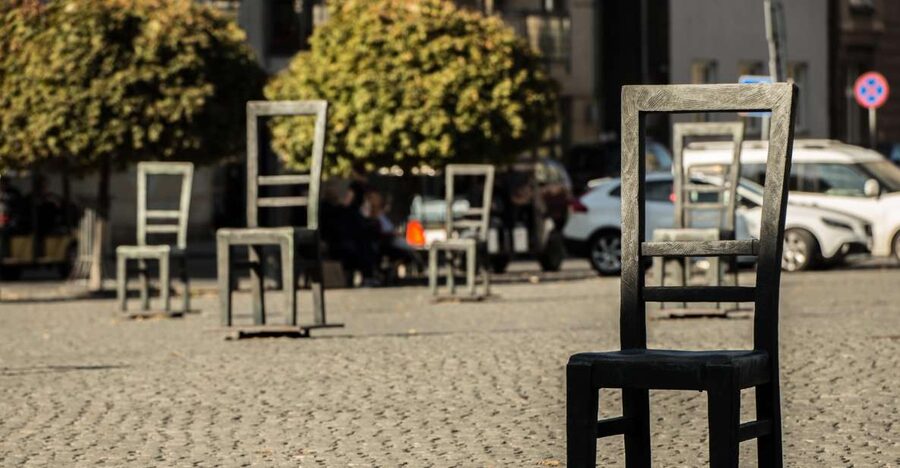
- Ghetto Heroes Square and the Chair Memorial, tied to round-ups and deportations to concentration camps.
- The Under the Eagle Pharmacy stop, where you learn stories of help without entering the building.
Inside Schindler’s Factory Museum, from occupation to everyday fear
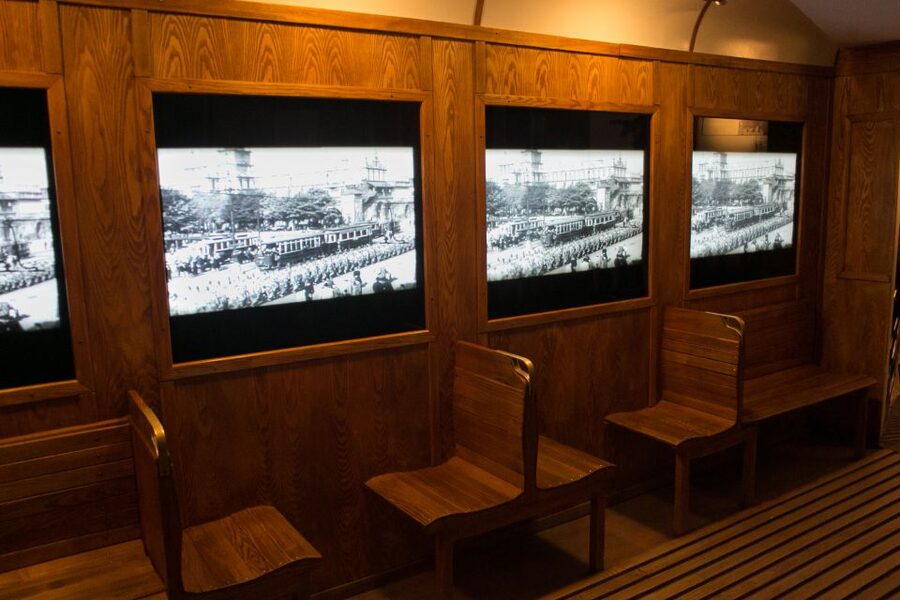
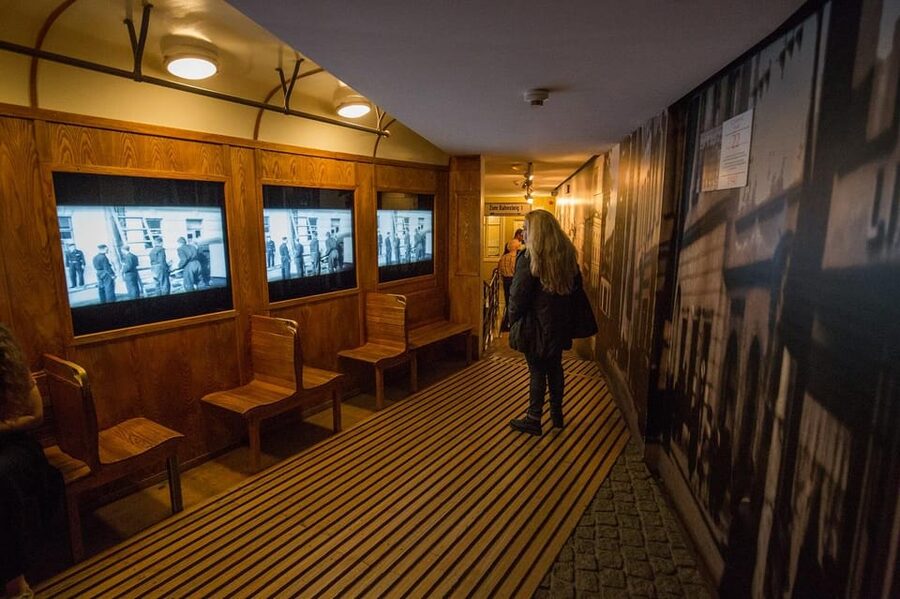
Schindler’s Factory Museum is where Oskar Schindler’s story becomes part of the broader story of Krakow under Nazi rule. You do not just get the headlines. You walk through Kraków under Nazi Occupation 1939 to 1945, an exhibition designed with narrow passageways and an immersive layout that tries to recreate the claustrophobic feel of that period.
What I like most here is the balance. The museum acknowledges Schindler’s role, including how Jewish workers were employed and how influence and resources were used to protect people from deportation. At the same time, you get the larger picture of what occupation meant for everyone around them, Jewish and non-Jewish residents alike.
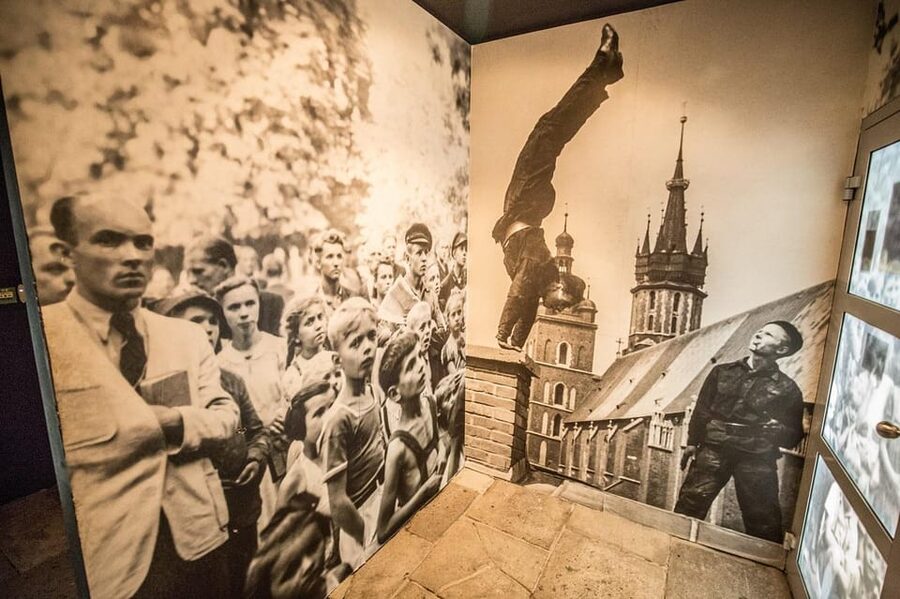
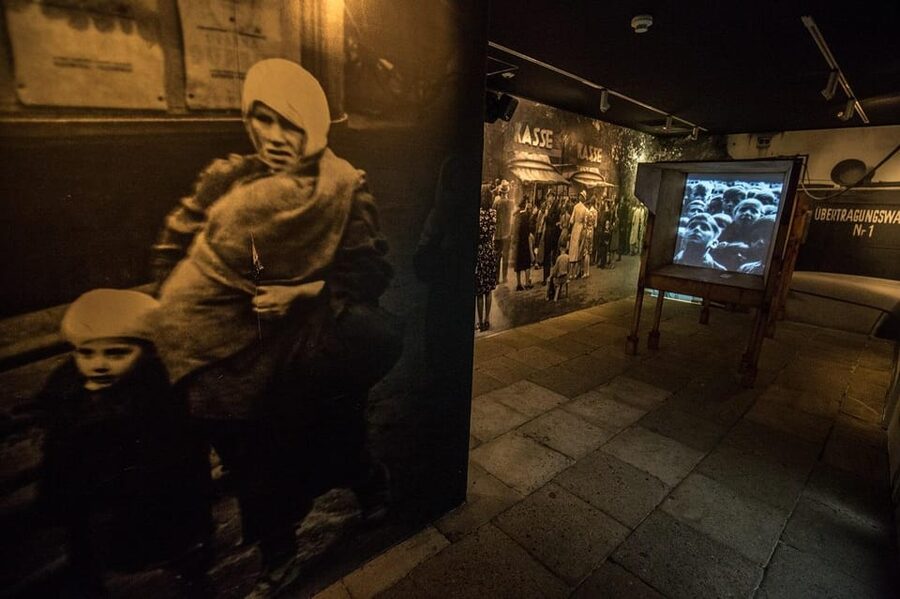
You’ll see photographs, personal objects, and reconstructed streets. Even when parts of the display are recreated for museum purposes, the overall effect is practical: it helps you visualize daily routines breaking down into fear, uncertainty, and constant calculation. For many people, this is the moment when the history stops being abstract and starts feeling like decisions were being made hour by hour.
One thing to keep straight: even though the building once functioned as a factory, it does not contain the original production equipment today. So you are visiting a museum interpretation of that place, not an intact industrial site with machines running in the background. That matters if you are hoping for an old factory tour vibe. Think storytelling and documentation, not machinery.
You can also read our reviews of more guided tours in Krakow
The guided exhibition is the pacing engine of the whole trip
Because this is a guided experience, you are not left to guess what to notice. A major highlight is the way the guide translates what you see into clear, connected meaning, with specific attention to life before, during, and after Nazi occupation.
The tour runs on a strict timeline, 3 hours total, so the guide becomes your timekeeper. Based on what people praised, the strongest guides on this tour are often the ones who speak clearly and answer questions without making you feel rushed. Names like Bartholomew, Joanna, Alicja, Magda, and Phil come up in the feedback for being especially clear in English and patient with follow-up questions.
That matters because Schindler’s Factory is popular and can be very busy. If you have ever walked through a major museum alone and realized too late that you missed the key details, you will appreciate having someone set the order for you. Doing the factory portion first also helps you read the ghetto walk afterward with better context. You will understand why certain locations mattered, instead of simply recognizing them as memorial stops.
A small consideration: some people felt the factory part could be rushed, mainly because there is so much to see and the museum is crowded. If you know you want time to study every display and read every caption, you might prefer a slower unguided visit another day. This tour is designed to cover the essentials with the street route, so it is not a slow browse.
Entering the wartime district: remnants of the ghetto and daily lifelines
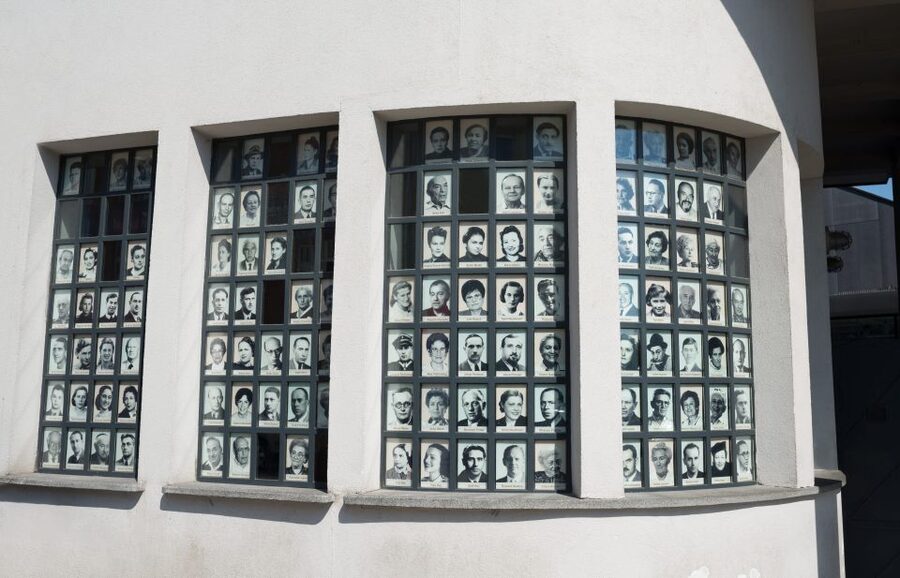
After the museum, you shift from exhibits to the physical geography of the former ghetto area. The walking part starts among remnants of the Krakow Ghetto, and you move deeper into the district as your guide points out what the city looked like from the inside of confinement.
One of the most powerful elements is seeing preserved fragments of the ghetto wall. In photographs, a wall can feel like symbolism. In person, it becomes practical. It marks separation, limits movement, and shapes what access people could get to medicine, food, and information.
You’ll also stop at Józefińska 41, a site that once housed institutions that functioned as lifelines inside the ghetto walls. The stop connects the museum theme of daily survival to real-world locations: orphanage work, welfare offices, and a hospital. Even without going into a building, you get the sense that this was not one dramatic moment, it was weeks and months of managing crisis while trying to keep people alive.
If you are the type who likes to understand the system, this stop is for you. It gives you a framework for how communities tried to cope when everything else was being stripped away. You are not only learning what happened, you are learning what support looked like in a place designed to trap people.
Ghetto Heroes Square and the Chair Memorial: round-ups turned into history
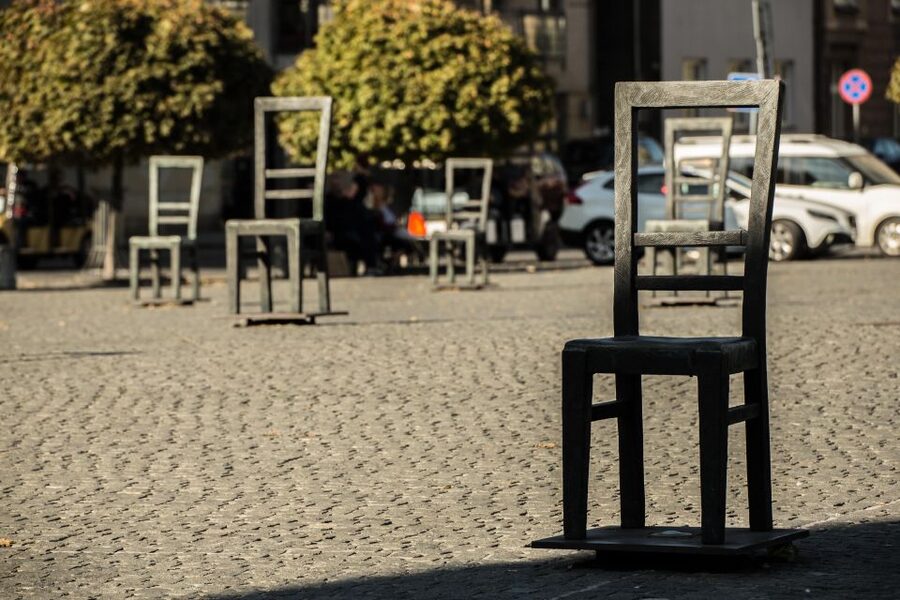
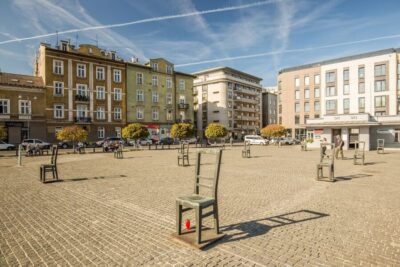
Next comes Ghetto Heroes Square, where the memorial is marked by the Chair Memorial. This stop is about what the open space became, not just what it looks like today.
Your guide ties the square to round-ups and deportations to concentration camps. That context is important. It shifts the meaning of the location from a quiet memorial plaza to a place that once played a grim role in a process designed to erase whole communities.
This is also where the tour’s emotional weight becomes very direct. You will want to pause, look around, and let the guide’s explanation land. The square is open compared to the museum’s narrow passageways, so your brain gets a different kind of space, and the contrast can make the message hit harder.
If you are sensitive to heavy history, it helps to plan a little breathing room afterward. This tour does not end with a light note. It ends with a final stop that reinforces both danger and solidarity.
Under the Eagle Pharmacy: stories of help where people risked everything
Under the Eagle Pharmacy is the tour’s final major site, and it is handled carefully. The stop includes the story of Tadeusz Pankiewicz and his staff, who risked everything to aid Jewish residents by providing medicine, shelter, and hope.
What I appreciate is that the tour does not oversell the stop as a dramatic action scene. It frames help as real work, risky and persistent, done under constant threat. The word medicine comes up for a reason. When you understand that survival often hinged on basic care, the story becomes concrete.
You will not enter the pharmacy, but the stop is still a real-world punctuation point. You walk away understanding that rescue and resistance did not always look like a fight. Sometimes it looked like access to drugs, a place to stay, or someone willing to keep helping even when the costs were obvious.
One practical note: a few people wanted more time at this stop. That can happen on a route like this when the group is trying to cover multiple sites in 3 hours. If you want extra time to linger, wear comfortable shoes and be ready to stand and listen for a bit at the final stop.

Guides matter here, and the best ones keep it clear and human
This is not a tour you want to take with someone who rushes or who reads facts without connecting them to place. The feedback highlights a pattern: guides are often praised for clear speaking, strong organization, and the ability to make difficult history understandable without softening it.
In particular, you can see why guides like Bartholomew, Joanna, Alicja, Magda, and Phil are repeatedly named. They are described as speaking clearly, sharing lots of context, and answering questions. That quality matters because Schindler’s Factory is layered, and the ghetto walk relies on you understanding how each location fits into a broader story.
The best guides also handle the emotional aspect respectfully. The tour can feel intense, and clarity helps you process it. When a guide invites questions, you have a chance to clear up confusion on the spot instead of carrying it with you through the walk.
The tricky part: the tour is conducted as a single-language group experience with a maximum group size of 25. That keeps it manageable, but it also means the guide has to maintain momentum. If your group size is toward the top end, narrow museum passages can feel tighter and the pacing can feel more strict.
Price and value: is $57 fair for a 3-hour story-and-street route?
$57 for a 3-hour, guided combo tour is in the range where you should think in value terms, not just cost.
Here’s why the price can be fair for what you get:
- You get two experiences in one: an expert-led museum visit plus a guided walking route through key wartime locations.
- Fast-track admission saves time at a high-demand museum, which matters when you only have 3 hours.
- Licensed guide time is built into the ticket, and the guide’s role is crucial to making the exhibits and street sites connect.
- The route includes specific, high-meaning stops like Józefińska 41, Ghetto Heroes Square, and the Under the Eagle Pharmacy.
If you tried to do it alone, you could probably schedule the museum and walk the area. But you would likely spend more time figuring out what matters, and you could miss the connective tissue that makes the story land.
Where to be honest with yourself: because the route is time-boxed, you may not be able to linger. If you crave a slow museum day where you read everything in detail, this price buys structure, not full-on free wandering. But for many first-time visitors, structure is exactly what makes a half-day visit worthwhile.
Practical tips: how to handle a narrow museum and a cold ghetto walk
This tour mixes an indoor museum with outdoor walking, and the logistics affect your comfort more than you might expect.
First, the museum has narrow passageways and an immersive layout. Wear shoes that work well for tight corners and steady walking. If you need a slower pace, arrive early and be ready to move with the group rhythm.
Second, weather matters on the walking portion. People often take this tour in winter, and the ghetto walk can feel very cold. Even if it looks short on a map, it is still a 3-hour experience with standing at memorial points and listening for explanations.
Third, group size is limited to 25. That cap helps, but popularity can still make the space feel busy. You can reduce stress by arriving on time, using a warm layer, and keeping your phone charged for photos after you finish listening.
If you care about photography, remember the museum and the route are designed for attention, not sightseeing snapshots. Use your camera sparingly and focus on learning while you are in motion.
Should you book this Schindler and Jewish ghetto tour?
If you want a guided, place-based way to understand Nazi-occupied Krakow, I think this tour is a strong choice. The combination of Schindler’s Factory Museum and a walking route that hits ghetto walls, Józefińska 41, Ghetto Heroes Square, and Under the Eagle Pharmacy gives you both the story and the geography.
Book it if:
- You like clear explanations and a structured route.
- You want the museum first, then the street sites, so the meaning builds step by step.
- You care about how daily life worked inside the ghetto, not just one famous storyline.
Consider another option if:
- You prefer a slow museum visit where you can read every caption without group pressure.
- You want maximum time at one single site, since the tour aims to cover several locations within 3 hours.
FAQ
How long is the Schindler’s Factory and Jewish Ghetto guided tour?
The tour lasts about 3 hours.
Where do I meet the guide?
Meet your guide at the main entrance to the Schindler’s Factory Museum, on the right-hand side. The guide will hold a Schindler’s Factory Guided Tour sign.
What is included in the price?
Your ticket includes a professional licensed guide, fast-track admission to Schindler’s Factory Museum, and a walking tour of the Jewish wartime district.
Is food included?
No. Food and drinks are not included.
Do I go inside Under the Eagle Pharmacy?
No. The tour includes a stop at Under the Eagle Pharmacy, but it is described as no entry.
What languages are offered for the tour?
The tour is available in French, English, Spanish, German, and Italian.
What happens if I arrive late?
Please arrive at least 10 minutes early. Once the group has entered, late arrivals cannot be accommodated and tickets are non-refundable.
More Guided Tours in Krakow
More Tours in Krakow
More Tour Reviews in Krakow
Not for you? Here's more nearby things to do in Krakow we have reviewed







More Kazimierz & Jewish Heritage Tours to consider.
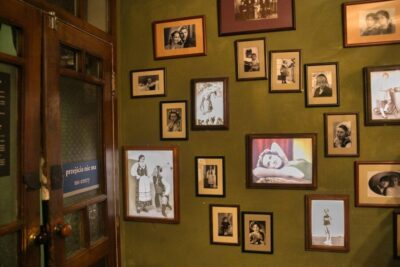 ★ 4.7Schindler’s Factory & Ghetto Guided TourFrom $571,694 reviews
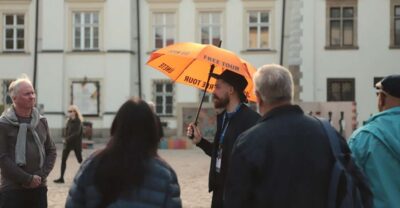 ★ 4.9Jewish Quarter and Former Ghetto TourFrom $191,441 reviews
 ★ 4.9Bike Tour of Old Town, Jewish Quarter and the GhettoFrom $371,155 reviews
 ★ 4.8Kazimierz Jewish Quarter Walking TourFrom $27571 reviews
 ★ 4.8Kazimierz, Schindler’s Factory & Ghetto Guided TourFrom $81460 reviews
 ★ 5.0Full Bike Tour – the Old Town, Jewish Qtr & the Ghetto NEW BIKESFrom $35437 reviews
 ★ 4.9Bike Tour of the Old Town, Kazimierz, and the GhettoFrom $26350 reviews
 ★ 4.6Jewish Ghetto Walking TourFrom $11349 reviews
Other ways to explore Krakow