
Review · KAZIMIERZ & JEWISH HERITAGE TOURS
Schindler’s Factory + Ghetto in Krakow and Wieliczka Tour
Krakow hits hard, then shines underground. This 7-hour combo tour pairs Schindler’s Factory and the Krakow ghetto area with an unhurried visit to the Wieliczka Salt Mine, so you get both the WWII story and the wow-factor underground in a single day. I like that you’re not just looking at sites, you’re walking through them with a licensed museum guide for the heavy part of the day.
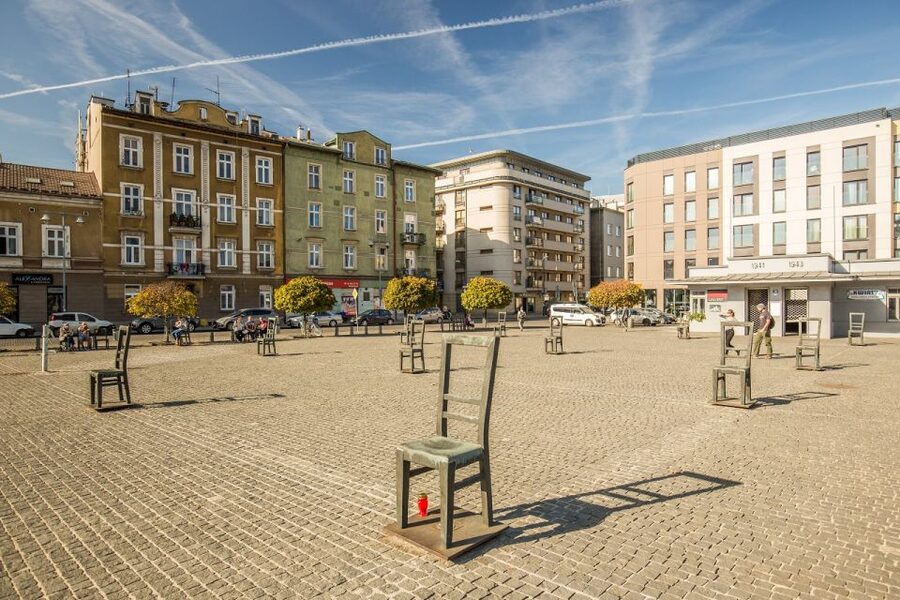
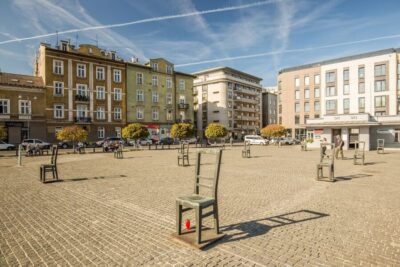
Two things I particularly like: first, the guided Schindler’s Factory visit, which is designed to help you connect objects to the people they represent. Second, the ghetto walk in Podgórze, including the preserved wall section and the Empty Chair Monument in Heroes’ Square.
One consideration: you’ll be on your feet for a long stretch, and the salt mine involves a lot of walking and climbing stairs, so plan your energy accordingly.
Key things to know before you go
- Skip-line entry for Schindler’s Factory helps you start with less waiting
- Licensed museum guide in English gives context for Schindler’s Factory and the ghetto walk
- Podgórze stops with clear WWII reminders, including the Empty Chair Monument with 68 chairs
- Wieliczka Salt Mine is self-paced once you arrive, which is great for your pace
- Physical day: expect lots of walking and stairs in the mine
A 7-hour itinerary that connects WWII Krakow to Wieliczka
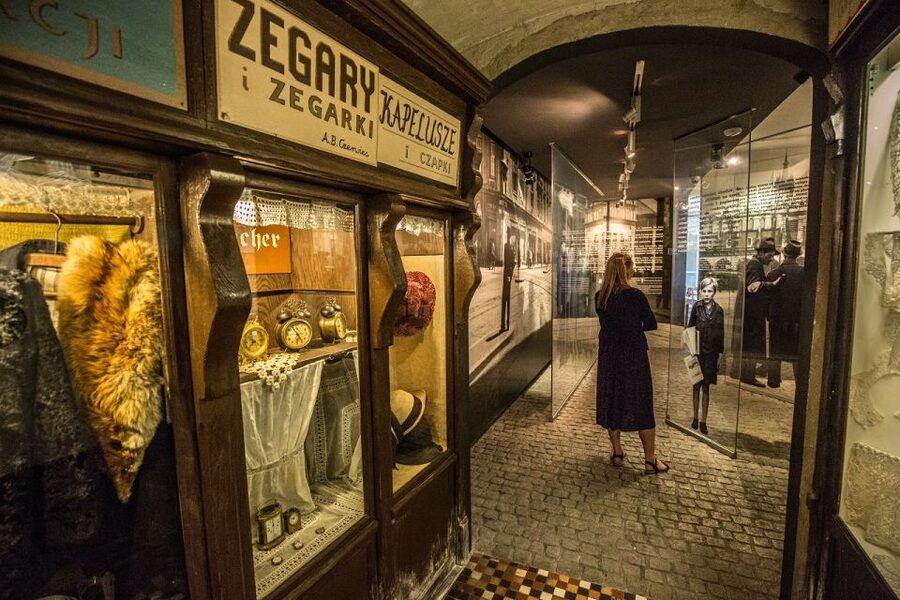
This tour works because it puts two very different sides of Krakow into the same day, and it does it with smart pacing. You start with the WWII narrative in Schindler’s Factory and the former ghetto area, then you shift to a very different world belowground in the Wieliczka Salt Mine.
That contrast matters. The sites in Krakow are emotionally heavy, so having a guide for the first half helps you process what you’re seeing. Then, once you’re at Wieliczka, you get breathing room to explore at your own pace, which makes the whole day feel less rushed.
You can also read our reviews of more tours and experiences in Krakow.
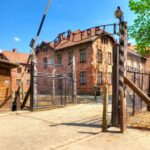
Entering Schindler’s Factory with a museum guide
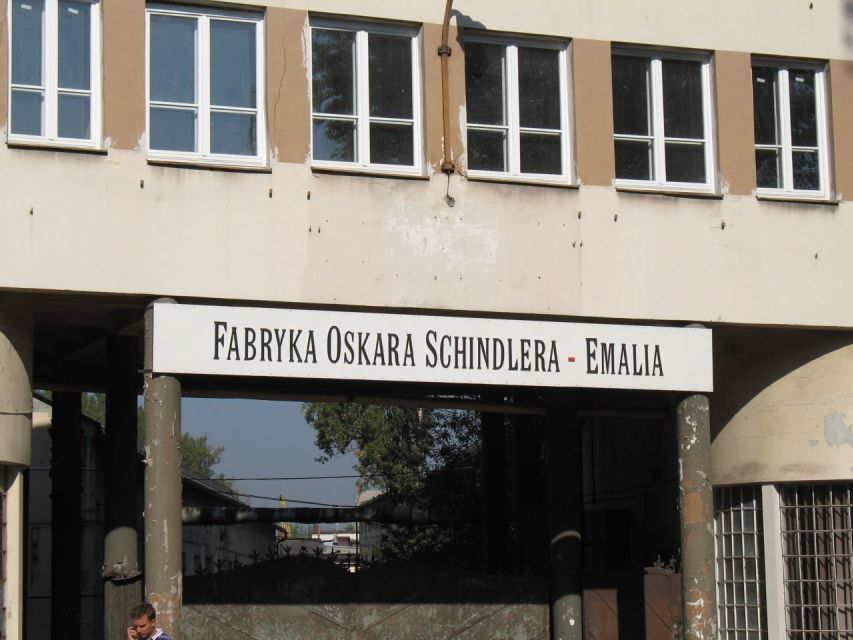
You meet at the main entrance to Schindler’s Factory Museum, using the excursions.city sign as your visual target. From there, the key benefit is the format: a licensed museum guide leads the visit in English, and you follow their structure instead of getting lost in rooms and captions.
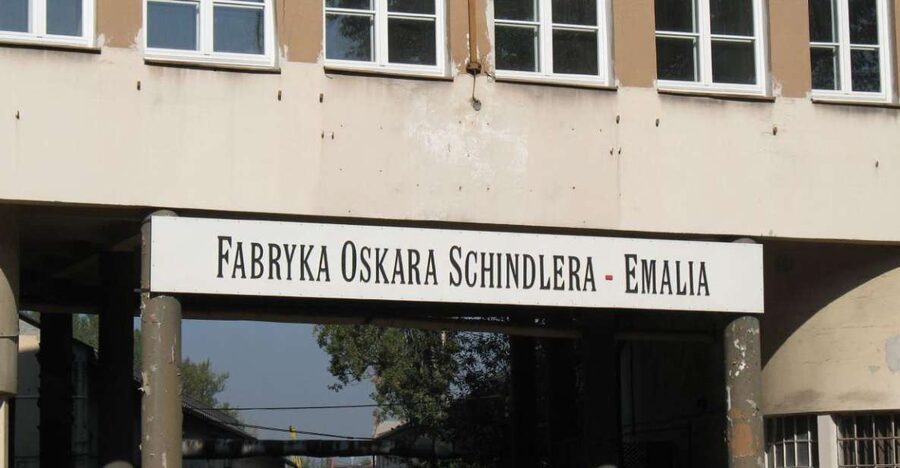
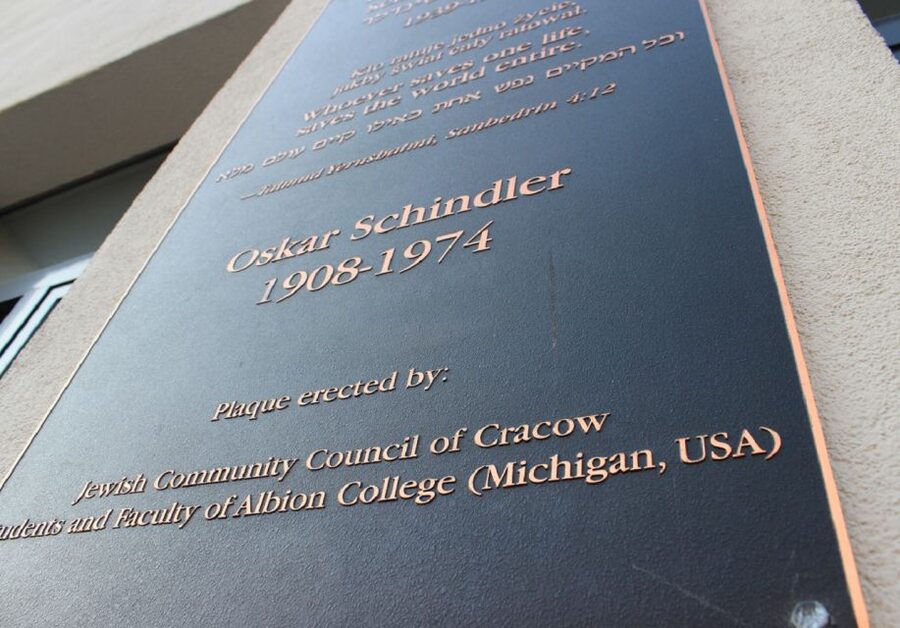
Schindler’s Factory is the former enamel and office building linked to Oskar Schindler, and the museum experience focuses on the human story behind the factory and the decisions made during the war. You’ll learn about a German entrepreneur who helped many Jews throughout the conflict, which helps explain why this place mattered beyond its walls.
I also like that the tour uses context at the right moment. The museum guide’s job is not just to summarize facts, it’s to give you anchors, so you can connect what you see to the bigger WWII timeline. That approach makes the visit feel more like understanding than memorizing.
A small practical note: even with skip-the-ticket-line help, you may still encounter routine entry procedures. If you’re the type who hates waiting, give yourself a buffer and keep your expectations flexible.
The Podgórze ghetto walk and the landmarks that hit
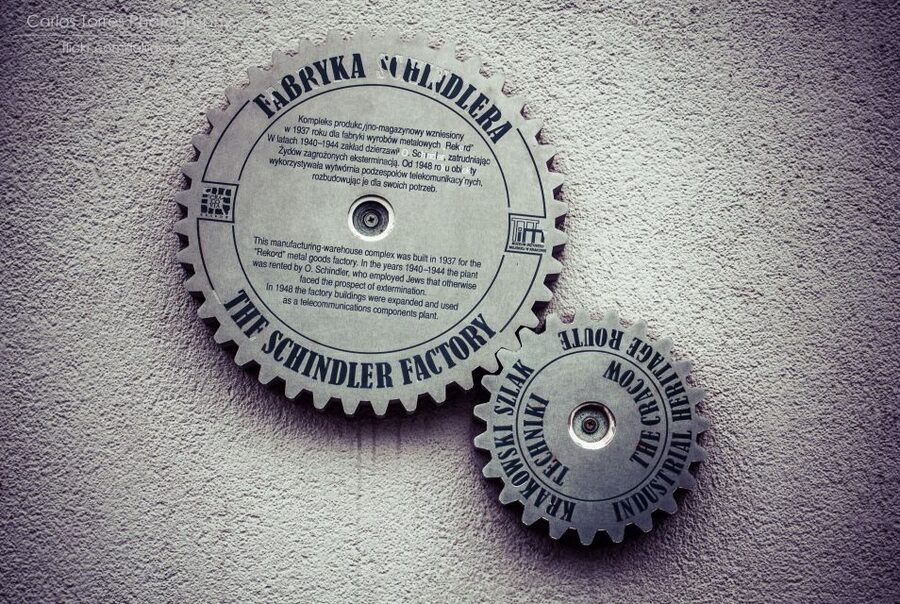
After Schindler’s Factory, you move into Podgórze and walk the former Jewish ghetto area with a guide. This section is where you trade indoor exhibits for street-level reality, and the experience becomes more visceral because you can picture how people lived day to day.
You’ll see evidence of the terrible events of the Second World War through multiple kinds of remains. The tour includes a part of the undestroyed wall that once bordered the ghetto area, plus the location of houses where thousands of displaced Jews used to live. Seeing structural remnants like a preserved wall section is powerful because it stops the story from feeling abstract.
Three specific stops are especially important here:
1) the preserved wall and housing area context,
2) the pharmacy called Under the Eagle, and
3) the Empty Chair Monument in Heroes’ Square.
The Empty Chair Monument is the kind of memorial that makes you look twice. It features 68 chairs, and standing in that space helps you grasp the scale of what happened, without needing the guide to force emotion. I like how that symbolism sits alongside more concrete street details, so the story has both meaning and location.
One more reason this half works: you’re not only observing, you’re moving as the guide narrates. That keeps your brain engaged and prevents the walk from turning into a list of names.
Wieliczka Salt Mine: a different pace, same day
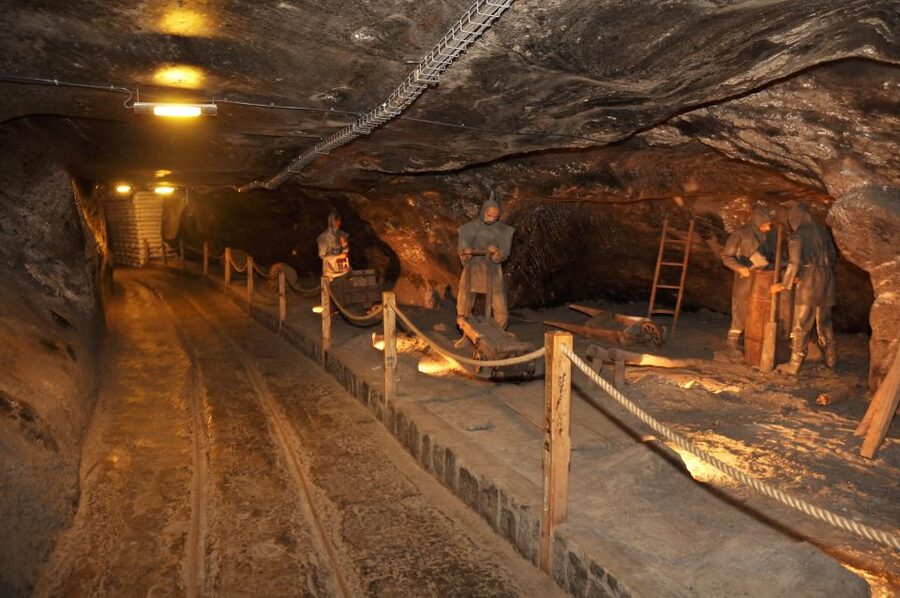
After the WWII-focused walking and museum time, you’ll be driven to Wieliczka, a small town about 10 kilometers from Krakow. The shift is noticeable right away because your surroundings change, and the day starts to feel more like a classic sightseeing rhythm.
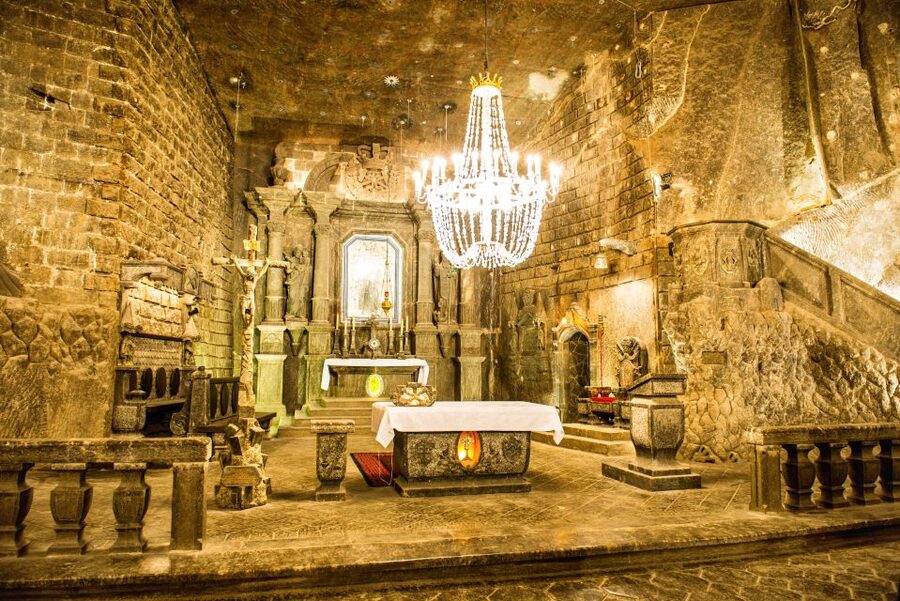
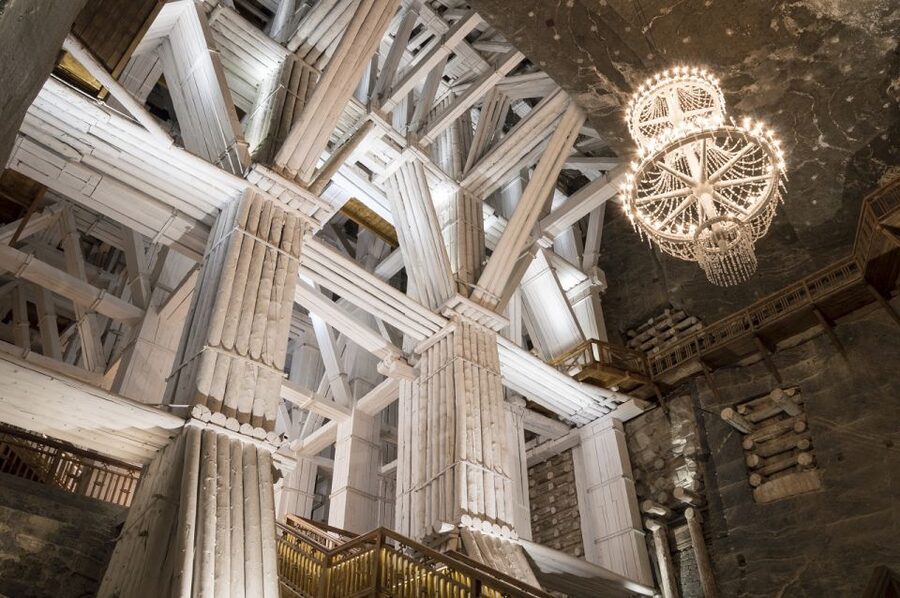
Wieliczka is often described as famous, but the numbers help you understand why people care. This mine has about 700 years of history, reaches a depth of 340 meters, and has over 245 kilometers of corridors and tunnels. That scale is hard to picture at street level, so the best strategy is to take it as a place you’ll explore slowly rather than something you’ll “finish.”
Here’s the structure of your time underground: you visit one of the largest old salt mines in Europe and explore it at your own pace without a guide. In practice, that means you can linger where you want and skip what doesn’t grab you.
Because you have free time, I recommend choosing one or two areas to focus on rather than trying to see everything. If you’re someone who likes photos, plan for the fact that you may want multiple stops. If you’re someone who likes learning, keep your attention on the signs and exhibit areas, since that’s how you’ll get the context without a guide.
Also, be realistic about movement. The regular salt mine tour requires lots of walking and climbing stairs, and that can be the most tiring part of the day even if the mine itself is the most famous.
Price and logistics: what your $136 includes
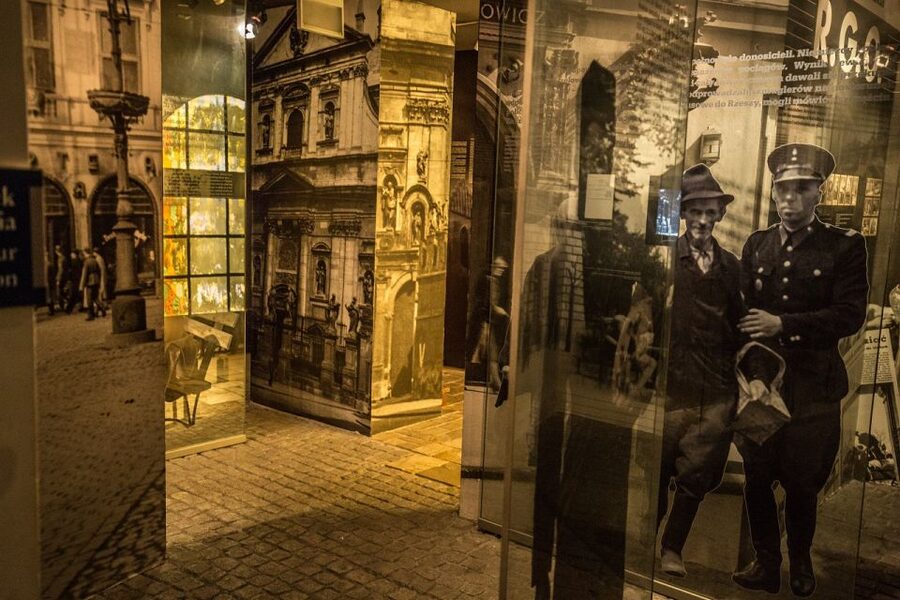
At $136 per person, this is not a budget “quick hits” day. The value is in the combo: you get admission tickets to Schindler’s Factory Museum and the Wieliczka Salt Mine, guided tour time for both locations, and transportation between Krakow and Wieliczka. That bundle removes the hassle of coordinating two separate trips and lining up tickets on your own.
If you price it out the normal way, two separate admissions plus transport usually adds up quickly. You’re also paying for the human element during the first half. A licensed museum guide is a big part of what makes Schindler’s Factory and the ghetto walk readable, not just viewable.
What’s not included also matters for planning your day: hotel pickup and drop-off are not part of the price, and food and drinks are not included. So you’ll want to eat or snack before the tour or plan to buy something during your day, depending on what time your start and end align with.
One more practical detail: the activity ends back at the meeting point. That simplicity is useful because it reduces last-minute transportation decisions.

Pacing, shoes, and clothing rules that can ruin your day
This is a full day, not a light stroll. You’ll walk in the ghetto area, you’ll spend museum time indoors, then you’ll go to the salt mine where you should expect repeated stairs and longer walking routes.
Bring comfortable shoes. That sounds obvious, but it’s the difference between enjoying the mine and suffering through it. If your shoes are only “okay” for city walking, consider switching to something more supportive.
Clothing matters too. Sleeveless shirts are not allowed, so pack a layer you feel good wearing in museum spaces and on foot. This kind of rule is easy to overlook until you’re standing there, so it’s worth following early.
The tour is also not suitable for wheelchair users. If mobility is a concern, it’s better to choose a different format that matches your pace and access needs.
Who should book, and who should rethink it
I think this tour fits best if you want a guided, meaningful WWII experience without turning it into an exhausting academic project. You’ll like it if you value context, especially at Schindler’s Factory, and if you want to see ghetto landmarks that go beyond a single monument.
It’s also a strong match if you like a change of pace. The mine being self-paced is a real perk, because you can adjust to your energy level once underground.
You might want to rethink it if you dislike stairs or you know you struggle with long walking days. The salt mine portion is the part most likely to test you, and that can affect the quality of the experience.
Should you book this Schindler’s Factory and Wieliczka tour?
If your priority is to see Schindler’s Factory and the former ghetto area with real guidance, and then add Wieliczka without juggling separate reservations, I’d book it. The structure makes the day logical, and the guided first half helps you understand what you’re seeing rather than just passing through it.
I also like that Wieliczka is self-paced. That gives you control after the emotional weight of the morning and afternoon walking.
One final caution to keep in your decision: expect a physically demanding day. If you can handle long walks and stairs, this is a very efficient, high-impact day trip. If you cannot, look for an option with less climbing or a different format.
FAQ
How long is the tour?
The duration is 7 hours.
Where does the tour start?
The guide meets you in front of the main entrance to the Schindler’s Factory Museum, with the excursions.city sign.
Where does the tour end?
The activity ends back at the meeting point.
Is the tour conducted in English?
Yes, the live tour guide language is English.
Is there transportation included to Wieliczka?
Yes, transportation between Krakow and Wieliczka is included.
What happens at the salt mine?
You visit one of the largest old salt mines in Europe and explore it at your own pace without a guide. The regular salt mine tour involves lots of walking and climbing stairs.
Is food included?
No, food and drinks are not included.
Does the price include admission tickets?
Yes. Admission tickets to the Schindler’s Factory Museum and Wieliczka Salt Mine are included.
Is hotel pickup and drop-off included?
No, hotel pickup and drop-off are not included.
Is this tour suitable for wheelchair users?
No, it is not suitable for wheelchair users.
More Tours in Krakow

More Tour Reviews in Krakow
Not for you? Here's more nearby things to do in Krakow we have reviewed









More Kazimierz & Jewish Heritage Tours to consider.
 ★ 4.7Schindler’s Factory & Ghetto Guided TourFrom $571,694 reviews
 ★ 4.9Jewish Quarter and Former Ghetto TourFrom $191,441 reviews
 ★ 4.9Bike Tour of Old Town, Jewish Quarter and the GhettoFrom $371,155 reviews
 ★ 4.8Kazimierz Jewish Quarter Walking TourFrom $27571 reviews
 ★ 4.8Kazimierz, Schindler’s Factory & Ghetto Guided TourFrom $81460 reviews
 ★ 5.0Full Bike Tour – the Old Town, Jewish Qtr & the Ghetto NEW BIKESFrom $35437 reviews
 ★ 4.9Bike Tour of the Old Town, Kazimierz, and the GhettoFrom $26350 reviews
 ★ 4.6Jewish Ghetto Walking TourFrom $11349 reviews
Other ways to explore Krakow